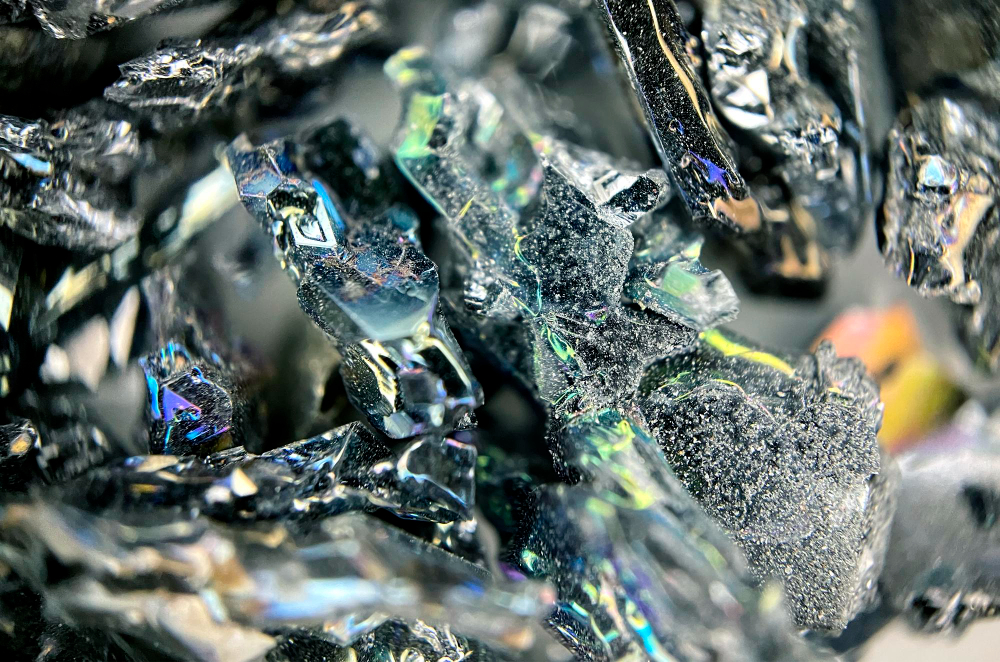
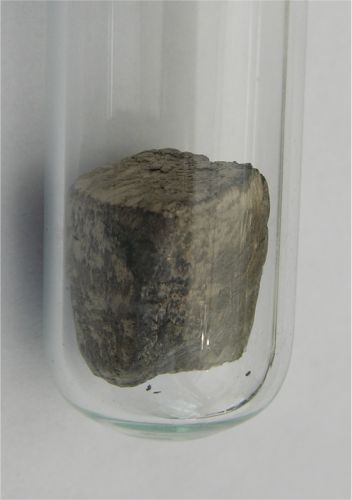
Among the many treasures that emerge from the depths of the Earth, spinel stands out as one of the most captivating. Its history is intertwined with legends, royal crowns, and centuries of mistaken identity. For generations, spinel was often confused with ruby and sapphire because of its vivid colors and intense brilliance. Yet today, it is recognized as a gemstone of its own exceptional beauty, admired for its clarity, durability, and wide chromatic spectrum.
What makes spinel remarkable is its crystalline perfection. Belonging to the cubic crystal system, it often forms in sharp, symmetrical octahedrons that naturally catch light from every angle. Its luster ranges from glassy to nearly metallic, and in fine specimens, the gem can seem to glow from within. When light meets a spinel, it brings to life an enchanting interplay of reflections that feels both delicate and powerful.
Chemically, spinel is composed of magnesium aluminum oxide, a composition that allows trace elements such as iron, chromium, or cobalt to alter its color. These subtle variations lead to a remarkable palette that includes deep crimson, violet, cobalt blue, and even shades of gray or black. The finest red spinels, often rivaling rubies in richness, owe their hue to chromium, while cobalt gives rise to mesmerizing blue tones reminiscent of sapphire.
Throughout history, spinel has held a place of quiet prestige. Some of the world’s most famous “rubies” in royal collections, including the Black Prince’s Ruby set in the British Imperial State Crown, are actually spinels. This misidentification speaks not only to the gemstone’s beauty but also to its ability to deceive the most discerning eyes. Over time, however, connoisseurs began to appreciate spinel for its own virtues rather than its resemblance to other stones.
In modern gemology, spinel is valued for its exceptional hardness and stability, ranking just below corundum on the Mohs scale. This makes it an excellent choice for fine jewelry that endures both time and wear. Beyond its physical qualities, it has also earned a place in the metaphysical realm, where it symbolizes revitalization, resilience, and inner balance.
Today, spinel’s resurgence among designers and collectors reflects a growing admiration for authenticity and rarity. Each crystal tells a story written in the Earth’s slow movements and fiery depths, a story that merges color, chemistry, and light into a singular expression of nature’s artistry. In a world often drawn to the obvious, spinel remains a quiet masterpiece, refined, enduring, and undeniably radiant