admin_korhogo

Conglomerate Stone – (stone)

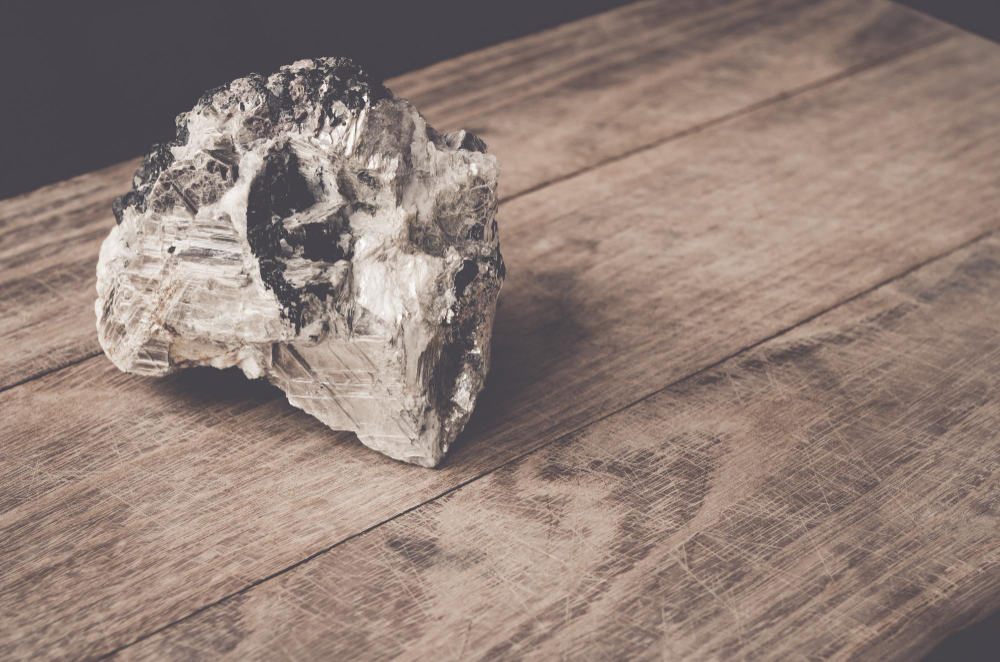
Conglomerate stone is a fascinating sedimentary rock that bridges the gap between raw geological processes and practical human use. Formed from rounded pebbles and larger clasts cemented together by finer material, it offers a visible record of ancient rivers, shorelines, and mountain erosion. Because of its distinctive texture, varied colors, and mechanical properties, conglomerate attracts

Conglomerate Stone – (stone) Read More »

Cobalt Hydroxide

Cobalt hydroxide is an inorganic compound that plays a surprisingly central role in modern electrochemistry, catalysis, and materials science. Although it may look like a simple blue or pink powder, this substance underpins key technologies ranging from rechargeable batteries and electrochromic devices to corrosion protection and magnetic materials. Understanding how cobalt hydroxide is formed, where

Cobalt Hydroxide Read More »

Critical mineral diplomacy among world powers

Critical minerals lie at the heart of the green and digital transitions, reshaping geopolitical relations and redefining the foundations of economic power. Lithium, cobalt, nickel, rare earth elements, graphite, and other strategic resources are no longer technical details of industrial supply chains; they have become central instruments of **geoeconomic** influence and national **security**. As world

Critical mineral diplomacy among world powers Read More »

Colemanite – (mineral)

Colemanite is one of the most important naturally occurring borate minerals and a key source of boron for modern technology and industry. It bridges the world of pure geology with fields as diverse as glass engineering, agriculture, nuclear physics and environmental science. While it may look modest at first glance – often appearing as colorless

Colemanite – (mineral) Read More »

Lithium Carbonate

Lithium carbonate is a versatile inorganic compound that connects geology, medicine, and clean energy technologies in a remarkably direct way. From the crystalline brines of high‑altitude salt flats to tablets used in psychiatry and cathode materials inside electric vehicle batteries, this simple salt illustrates how a single chemical can shape both individual lives and global

Lithium Carbonate Read More »

Copper deficit risks in the global energy transition

The global energy transition rests on a foundation of physical materials as much as on policies, finance, and innovation. Among those materials, copper occupies a uniquely critical position. It is the electrical bloodstream of modern infrastructure, connecting generation, transmission, and end-use technologies. As decarbonization accelerates, the risk of a structural **copper** deficit is moving from

Copper deficit risks in the global energy transition Read More »

Antimony Trioxide

Antimony trioxide is one of the most important industrial compounds of antimony, a semi‑metallic element known since antiquity yet still central to many modern technologies. This white, fine powder may appear inconspicuous, but its chemical behavior, optical properties and interactions with polymers and glass give it an unusually wide range of uses. From flame‑retardant plastics

Antimony Trioxide Read More »