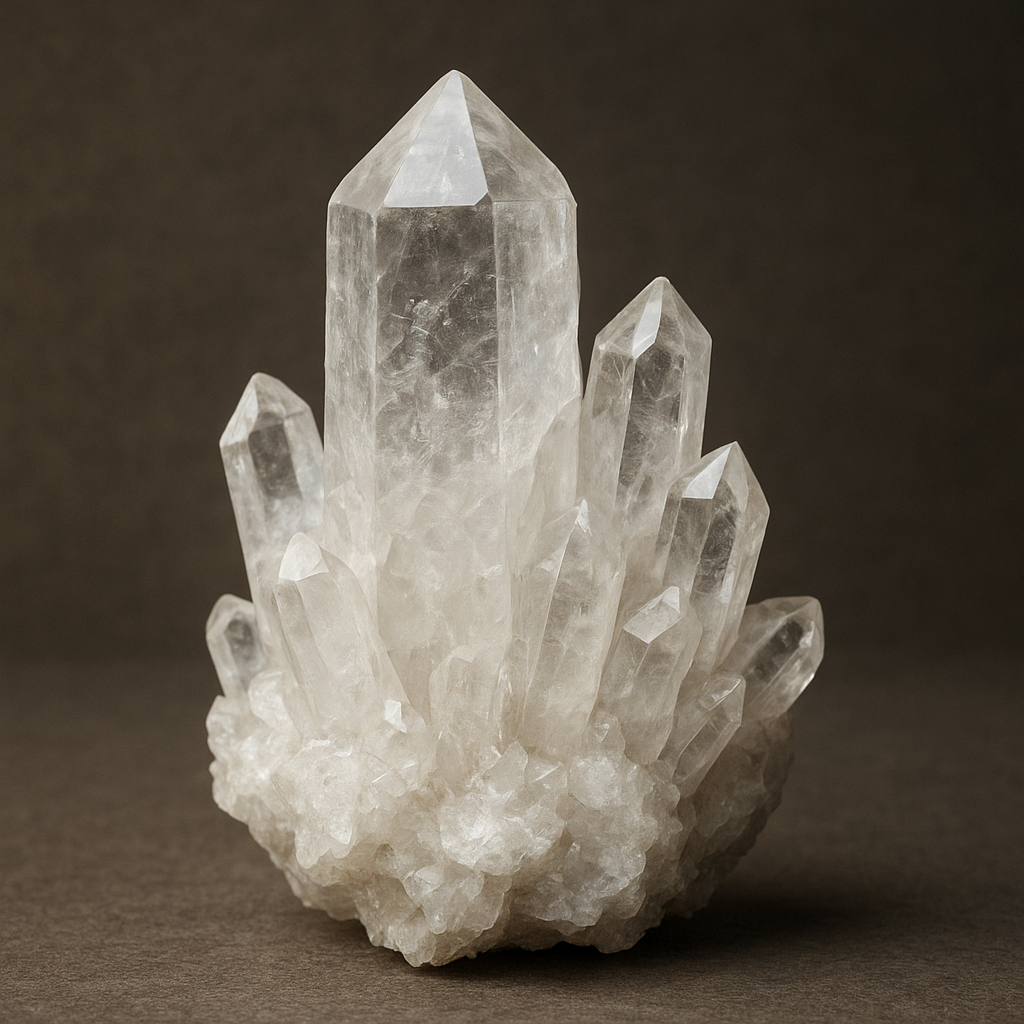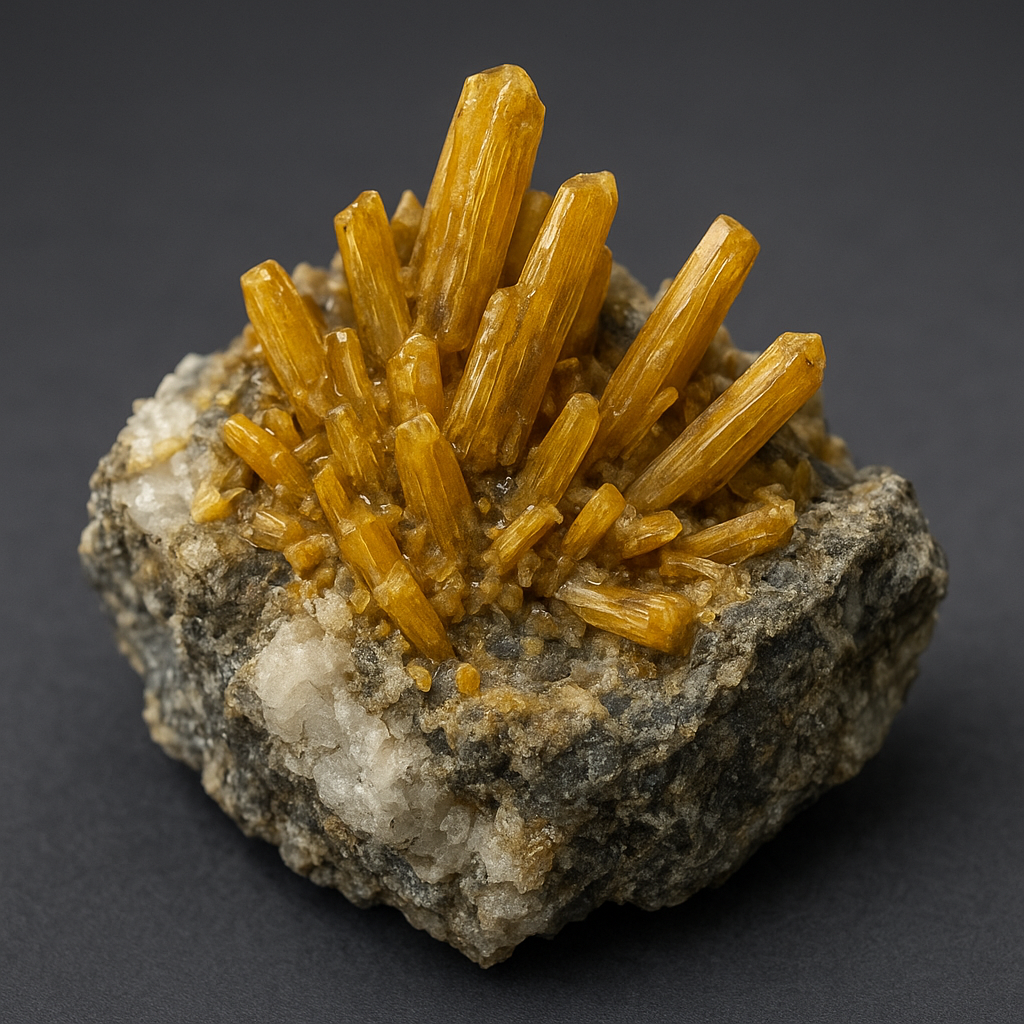
This article examines the mineral name Tinaksite, clarifies what is known and uncertain about it, and situates it within broader topics of tin-bearing minerals, geology, applications and collecting. Because the name Tinaksite is extremely rare in mainstream mineralogical databases and literature, parts of this article necessarily discuss plausible interpretations, related **minerals**, and the kinds of **geological** environments and **industrial** uses that a tin-bearing silicate or oxide would imply. Where direct, confirmed data about Tinaksite are lacking, I indicate likely analogues and explain standard methods used to study and identify such phases.
What is Tinaksite — name, history and certainty
The name Tinaksite is not widely documented in the most commonly used mineral databases and reference works. That absence suggests three possibilities: (1) Tinaksite is an obscure, historical or local name for a mineral later reclassified; (2) it is a very rare, new or unpublished mineral described in limited literature; or (3) the name is a misspelling or vernacular variant of a better-known mineral. Because of that ambiguity, any discussion blends confirmed methods and facts about tin-bearing phases with reasoned inference about what a mineral called Tinaksite might be like.
In mineral nomenclature, names often derive from the dominant chemical element (for example, cassiterite for tin oxide), a locality, or a person. If Tinaksite does exist as an accepted name, the root “Tin-” strongly implies a connection with **tin** (chemical symbol Sn). The suffix “-site” is common in geology and mineralogy to indicate a mineral or rock. Historically, many locality names and trade names persist in collector communities even after formal reclassification, so local or trade references to Tinaksite may exist even if modern databases prefer another term.
Mineralogical context: tin-bearing minerals and likely composition
Tin occurs in several mineral forms and in various chemical environments. The most economically important tin mineral is **cassiterite** (SnO2), an oxide typically found in hydrothermal veins and alluvial deposits. Another suite of tin species includes sulfides (e.g., stannite), silicates and complex tin-bearing phases reported in rare or unusual geological settings.
If Tinaksite is a tin-bearing **silicate** (the name suggests a silicate), its composition would place it within a family of minerals that combine silicon and oxygen with metal cations — in this case tin and perhaps other metals such as iron, titanium, or alkalis. Tin silicates are relatively uncommon compared with tin oxides and sulfides, but they are known in specialized settings such as late-stage pegmatites, greisens and altered felsic rocks.
Key physical and chemical features expected for a tin-silicate-type mineral include:
- Crystal habit: granular to crystalline; potentially forming prismatic, tabular or blocky crystals depending on structure.
- Hardness: likely moderate to high (for example, many silicates fall around 5–7 on Mohs scale).
- Density: elevated compared with common silicates because of heavy Sn atoms; **specific gravity** could exceed 4.0 for tin-rich phases.
- Chemical variability: solid solution with other cations (Fe, Ti, Al) is possible, producing color and property variations.
Analytical techniques that would confirm the identity of Tinaksite — or reveal that a given specimen is actually another mineral — include **X-ray diffraction (XRD)**, **scanning electron microscopy with energy dispersive spectroscopy (SEM-EDS)**, Raman spectroscopy and optical microscopy. These methods determine crystal structure, elemental composition and diagnostic vibrational features.
Geological environments and probable occurrences
Tin typically concentrates in a few characteristic geological environments. Even without locked-down locality records for Tinaksite itself, these settings are the most plausible places to find tin-bearing silicates or unusual tin minerals:
- Granite-related systems: Tin is commonly associated with S-type granites and silicic intrusive bodies. Contact zones, late-stage hydrothermal veins and greisens (altered granite with quartz and mica) often host unusual tin phases.
- Pegmatites: Rare-element pegmatites concentrate incompatible elements during the final stages of magmatic crystallization. Late-stage fluids in pegmatites can precipitate unusual silicates, sometimes containing tin in measurable amounts.
- Hydrothermal veins: High-temperature hydrothermal fluids moving through fractures can form cassiterite and other tin minerals; accessory silicates might crystallize in the same assemblages.
- Alluvial and placer deposits: Weathering and erosion concentrate dense minerals like cassiterite in streams and glacial tills; collectors exploring placer deposits may also encounter unusual heavy minerals.
Classic tin provinces where a mineral like Tinaksite could plausibly be found include Cornwall and Devon (UK), parts of Bolivia, Peru and China (Yunnan and Guangxi), Malaysia and Indonesia, Australia (Tasmania and New South Wales), and Siberian and Ural regions of Russia. These areas are known for tin-bearing granites, greisens and hydrothermal systems. If Tinaksite is genuinely rare or localized, it might be restricted to a single locality or to a handful of mining districts with specialized geochemistry.
Identification, laboratory analysis and synthetic analogues
Given the potential obscurity of Tinaksite, rigorous identification requires modern analytical work. A typical workflow includes:
- Macroscopic and microscopic description: color, luster, crystal form, cleavage and refractive indices under a petrographic microscope.
- SEM-EDS: gives elemental composition and maps the distribution of Sn, Si, O and accessory cations — crucial to detect tin in small grains.
- XRD: determines crystal lattice parameters and matches to known phases. A new or poorly documented mineral would reveal distinct diffraction peaks.
- Raman and infrared spectroscopy: useful for identifying silicate groups and evaluating bonding environments.
- Electron microprobe: quantitative major element analyses and precise stoichiometry.
Researchers sometimes synthesize tin silicates in the lab to study their stability and properties. Synthetic **tin silicates** have been investigated for catalysis, ion exchange and ceramic applications. Laboratory experiments can reveal temperature and pressure ranges where a tin-silicate phase is stable, offering clues about its natural formation conditions.
Applications and industrial relevance — real and hypothetical
If Tinaksite is an ore of tin (meaning it concentrates significant Sn), its primary industrial relevance would be as a source of metallic tin. Tin metal has vital uses in solder alloys, plating, and as a component in numerous **electronic** and industrial applications. Cassiterite remains the dominant tin ore worldwide because of its high Sn content and robustness in weathering.
However, not all tin-bearing minerals are economically viable ore minerals. A tin silicate might be of limited economic interest if it occurs in minute quantities or is difficult to process. Possible uses and areas of interest for a tin-silicate mineral include:
- Ore potential: If present in large, high-grade concentrations, extraction for tin would be the obvious industrial goal.
- Gem and collector material: Attractive color, crystal habit or rarity can give collector value. Some silicates are cut as gems if they achieve desirable clarity and hardness.
- Ceramics and glass: Tin oxides and some tin-containing silicates influence melting behavior and color in ceramic glazes and specialty glasses.
- Advanced materials research: Synthetic tin silicates have been examined as catalysts, electrode materials and in photocatalysis because of unique electronic properties of Sn in certain coordination states.
- Environmental and geochemical tracers: Trace tin-bearing phases can record fluid compositions and temperatures in ore-forming systems, useful for exploration geochemistry.
Any claims about specific commercial applications for Tinaksite should be treated cautiously until mineralogical and chemical confirmation is available. Often, rare minerals are scientifically interesting but practically uneconomic as raw material sources.
Collecting, value and care
Mineral collectors prize rarity, aesthetic crystal habit, and locality provenance. If Tinaksite exists as a distinct, attractive mineral it could be sought by collectors, especially if it appears with classic tin-associated minerals such as **cassiterite**, **tourmaline**, **topaz** or **muscovite**.
Collector guidance for unusual tin minerals:
- Document locality and host rock carefully. Provenance increases scientific and monetary value.
- Handle specimens with care; some tin-bearing phases can be brittle or have microcleavage.
- Store in stable, dry conditions to avoid secondary alteration. Some tin minerals can alter to oxides or hydroxides on prolonged exposure.
- Seek analytical verification for unusual or purportedly new species; reputable labs and universities can run XRD or microprobe analyses.
Market value for a specimen labeled as Tinaksite would depend on verification, rarity, aesthetic quality and size. Unverified names or poorly documented “local trade” names often command less value than specimens with peer-reviewed identifications.
Related minerals and comparative examples
To understand Tinaksite by analogy, consider a few tin-associated minerals that are well understood:
- Cassiterite (SnO2): the primary ore of tin with high density, forming prismatic crystals; common in hydrothermal and placer deposits.
- Stannite (Cu2FeSnS4) and other tin sulfides: found in hydrothermal veins, often associated with copper and iron sulfides.
- Wolframite and scheelite: not tin minerals, but often co-occur with cassiterite in tungsten–tin deposits; their association is important in exploration.
- Rare tin silicates and oxysalts: these are usually late-stage, accessory minerals in specialized pegmatites and greisens; they can carry other incompatible elements.
Studying these comparators gives insight into likely paragenesis (sequence of mineral formation), temperature ranges and associated trace elements for any tin-bearing silicate like Tinaksite.
Environmental and societal aspects of tin mineralogy
Tin mining and processing have environmental footprints. Mining of cassiterite in artisanal and small-scale operations can have significant local impacts, including river siltation, habitat disruption and, in some regions, socio-economic challenges. Because tin is important for global manufacturing (notably electronics solder), understanding the geology and sustainable extraction of tin resources remains consequential.
From a scientific perspective, rare tin minerals — whether called Tinaksite or otherwise — can illuminate late-stage magmatic and hydrothermal processes, the behaviour of heavy metals in aqueous fluids, and the nature of element partitioning during rock differentiation. This knowledge is valuable both for resource exploration and for reconstructing geological histories.
Why Tinaksite is interesting to mineralogists and geologists
Even if the name Tinaksite refers to an obscure or disputed phase, the concept touches many interesting themes:
- The interplay between major economic minerals and accessory phases that record environmental conditions.
- How mineral names and classifications evolve with new analytical data — specimens once called by a locality or trade name can be reclassified by international bodies.
- The potential for rare minerals to lead to discoveries in materials science when researchers synthesize analogues for catalytic or electronic properties.
- The detective work required to validate a mineral: field collection, careful description, and multi-technique lab analysis.
For the hobbyist and professional alike, investigating a poorly known mineral name is an exercise in critical evaluation — tracing literature, verifying through **laboratory** methods, and comparing specimens from known tin districts.
Practical steps if you suspect you have Tinaksite
If you or someone you know has a specimen labeled Tinaksite and wants to learn more, here are recommended steps:
- Photograph the specimen and record as much locality data as possible (mine name, coordinates, host rock description).
- Describe macroscopic features: crystal habit, color, luster, hardness test results and any visible associations (e.g., cassiterite, quartz).
- Contact a university geology department, a national museum, or an accredited analytical lab for SEM-EDS and XRD testing.
- Compare results to published data for tin minerals and silicates. If the phase is novel, seek peer-reviewed publication through mineralogical societies.
These steps not only clarify identity but can contribute to scientific knowledge and, if applicable, correct or enrich mineral databases and catalogs.