
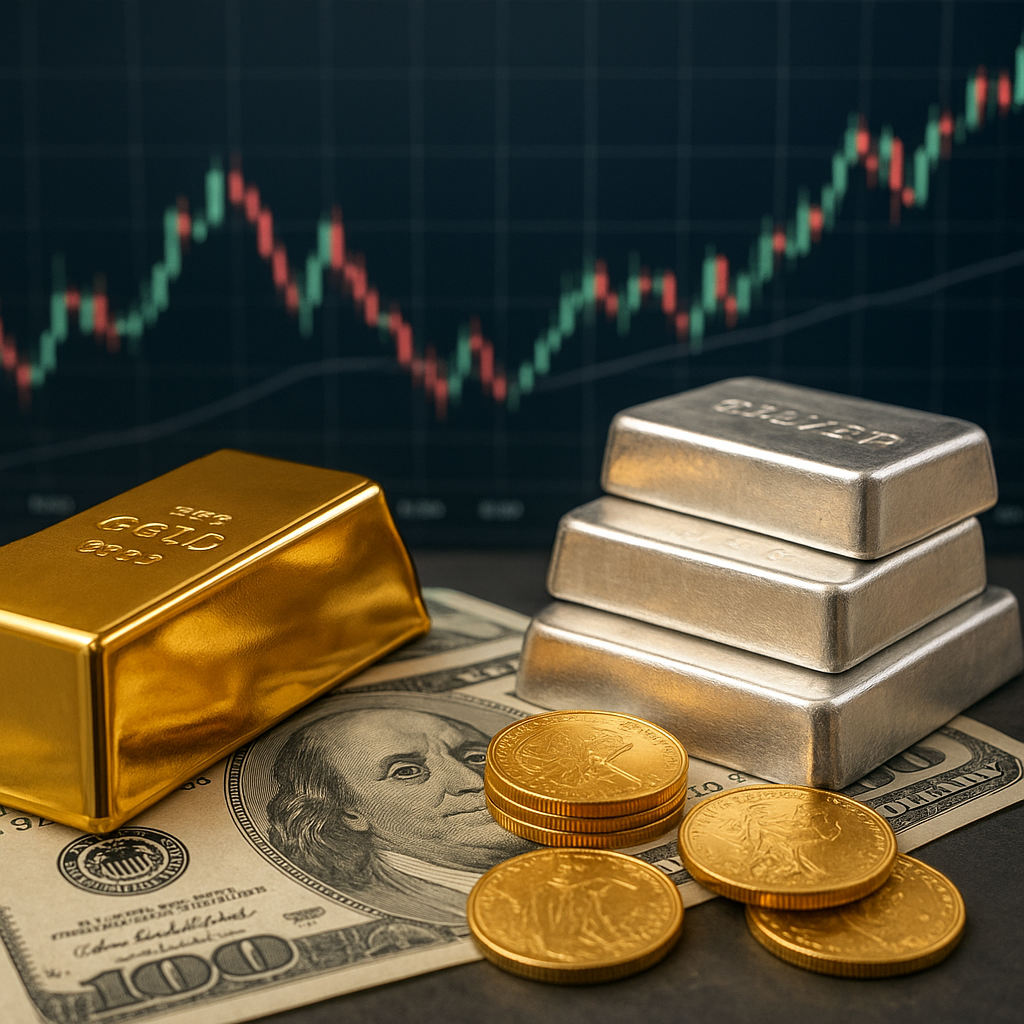
The interplay between precious metals and evolving financial systems will be a defining element of coming decades. As investors, policymakers and technologists reimagine money, savings and risk-transfer mechanisms, metals such as gold and silver will continue to offer distinctive attributes that complement fiat currencies and digital instruments. This article explores how precious metals may function in future markets, the forces shaping their roles, the instruments that will connect them to capital flows, and the practical challenges that must be managed.
The enduring intrinsic value: history, properties and market foundations
Precious metals possess a mix of physical, chemical and cultural properties that have underpinned their use as stores of value, means of exchange and industrial inputs for millennia. Among them, platinum and palladium carry strong industrial demand, while gold has been prized as a medium of exchange and a hedge against currency weakness and political risk. Silver sits at the intersection of monetary and industrial roles, combining jewelry and investment demand with large-scale industrial consumption.
Key physical attributes help explain why metals retain economic relevance: divisibility, durability, relative portability, and recognizability. Unlike purely digital instruments, physical metals are not dependent on a ledger or centralized verification to possess value. This quality makes them particularly attractive when trust in institutions or digital networks is uncertain.
Macro drivers shaping the future demand for precious metals
Several macro trends will determine how precious metals fit into future financial markets:
- Inflation and monetary policy: Periods of high or uncertain inflation tend to increase investor interest in metals traditionally seen as inflation-resistant. How central banks manage inflation — through interest rates, quantitative easing, or balance sheet adjustments — will directly influence metals’ appeal.
- Central banks and reserve diversification: Many central banks hold metal reserves as assets that diversify currency risk. Shifts in reserve allocation strategies, particularly among emerging economies, can alter global demand dynamics.
- Digitalization of finance: As payments and custody systems move online, the ways investors access and trade metals will change. Innovations in custody, tokenization and settlement can lower transaction frictions and attract new categories of investors.
- Industrial substitution and technology: Advances in manufacturing, electronics and clean technologies affect demand for metals like platinum and palladium, which are crucial in automotive catalytic converters and hydrogen technologies.
- Environmental, social and governance (ESG) considerations: Mining’s environmental footprint and responsible sourcing standards will influence investor and consumer choices, particularly for jewelry and industrial supply chains.
Scenario dynamics
Several plausible scenarios could unfold:
- Stagflationary pressures raise the appeal of tangible assets, boosting physical demand for gold and silver.
- Rapid adoption of central bank digital currencies prompts central banks to rebalance reserves, potentially increasing allocations to precious metals as non-sovereign store-of-value assets.
- Technological breakthroughs reduce industrial reliance on certain metals, lowering demand for some while concentrating it for others where substitution is difficult.
Investment vehicles and market structures linking metals to finance
The way investors gain exposure to metals matters for price formation, liquidity and systemic risk. A diverse set of instruments already exists, and this ecosystem is likely to expand and evolve.
- Physical ownership (bars, coins, allocated vault storage): the most direct exposure and still preferred by many private investors seeking autonomous control.
- Exchange-traded funds (ETFs) and trust structures: these provide liquidity and easier access for retail and institutional investors without requiring physical handling.
- Futures and options on commodity exchanges: crucial for price discovery and hedging for producers, consumers and speculators.
- Over-the-counter (OTC) markets and refiners: these maintain bespoke trading and supply agreements and can influence regional spreads.
- Tokenized metal representations on distributed ledgers: an emerging class promising fractional ownership, 24/7 trading and more efficient settlement.
Market participants will increasingly combine multiple instruments to achieve objectives such as diversification, liquidity management and counterparty risk mitigation. For example, an institutional investor might hold a base allocation in allocated physical gold for long-term protection, complemented by ETFs for tactical exposure and futures for short-term hedging.
Liquidity, market microstructure and price formation
Precious metal markets are layered and decentralized. Spot exchange venues, OTC desks, physical refineries and secondary marketplaces all contribute to price discovery. Liquidity tends to be concentrated in certain instruments and hubs; ETF share creation/redemption mechanisms and futures contract specifications play central roles in aligning prices across venues.
In future markets, liquidity provision could be altered by algorithmic trading, ETF growth, and tokenized offerings that enable instantaneous fractional transfers. These changes could improve market depth but might also intensify short-term correlations with other asset classes.
Risks, sustainability and regulatory challenges
While metals offer attractive properties, several risks and challenges must be addressed:
- Volatility: Metals can experience sharp price swings driven by macro shocks, supply disruptions or shifts in industrial demand.
- Storage, security and insurance: Costs and counterparty arrangements for safeguarding physical metal influence total ownership costs.
- Regulation and market integrity: Oversight of derivatives, reporting standards for ETFs and custody practices will become more important as new instruments emerge.
- Environmental and social impacts of mining: Supply risks tied to mine closures, geopolitical constraints and ESG-driven divestment can affect availability and price.
- Counterparty and operational risk for tokenized platforms: custody, auditability and legal recognition of digital metal tokens are unresolved in many jurisdictions.
Addressing these issues will require cooperation between market participants, regulators and technology providers. Standards for provenance, auditing of vaulted metal, and transparent reporting of swap and ETF mechanics will be essential to maintain investor confidence.
Integrating precious metals with digital finance: tokenization and custody
One of the most transformative trajectories for precious metals is their integration into digital finance. Tokenization—representing ownership of physical metal with digital tokens on a distributed ledger—promises to reduce minimum investment sizes, accelerate settlement and broaden access.
Practical adoption depends on reliable custody arrangements and clear legal frameworks that link digital claims to physical assets. Interoperability with existing payment rails, compliance systems and institutional custody providers will help institutionalize tokenized metal products.
- Potential benefits:
- Lower transaction costs and faster settlement.
- Fractional ownership enabling broader retail participation.
- Programmable assets facilitating innovative financial contracts.
- Potential pitfalls:
- Legal ambiguity over property rights and recourse in insolvency events.
- Operational concentration risk if custody relies on a small number of vault operators.
- Cybersecurity threats targeting the digital layer, even when physical backing exists.
As digital ecosystems mature, metal-backed tokens could bridge traditional commodity markets and decentralized finance (DeFi). This bridging will require auditability — independent verification that each token corresponds to a specific, insured and assayed physical asset.
Strategic considerations for investors, corporations and policymakers
Given the uncertainties ahead, different stakeholders should adopt tailored strategies:
- Investors: define whether metals serve as core insurance against systemic risks, tactical inflation hedges, or satellite allocations for diversification. Consider custody, cost of carry and taxable implications.
- Corporations: manufacturers dependent on precious metals should hedge industrial exposure using futures or long-term offtake arrangements, while monitoring substitution trends.
- Policymakers and regulators: ensure clear rules around custody, reporting and tokenized asset legal frameworks. Encourage transparency in reserve reporting by public institutions to reduce disorderly market moves.
For many market participants, a pragmatic approach will combine physical and financial exposures: physical holdings for ultimate safety and ownership, and liquid financial instruments for tactical rebalancing and operational needs. Underlying all strategies is the recognition that metal markets do not exist in isolation; they are shaped by interest rates, currency regimes, technological change and geopolitical events.
Paths forward: technological innovation and market resilience
The next decade will likely bring increased intersection between precious metals and advanced financial infrastructures. Innovations in provenance verification (for example, digital assays and immutable audit trails), improvements in sustainable mining practices, and the mainstreaming of tokenized metal instruments will collectively determine metals’ accessibility and attractiveness.
Resilience will be tested by how well markets can integrate new instruments while preserving the trust and security that make metals valuable in times of stress. If standards, custody practices and regulatory clarity evolve in step with technological capabilities, precious metals can retain a central, complementary role in diversified portfolios and in the architecture of future financial markets.
