Tektites are enigmatic droplets of silica-rich material that link terrestrial geology with cosmic events. Born from the extreme conditions of hypervelocity impacts, these pieces of natural glass scatter across the planet in characteristic patterns and have attracted the attention of scientists, collectors, and artisans for centuries. This article explores their origin, distribution, physical and chemical properties, practical uses, and the many fascinating research avenues they continue to inspire.
What are Tektites and How Do They Form?
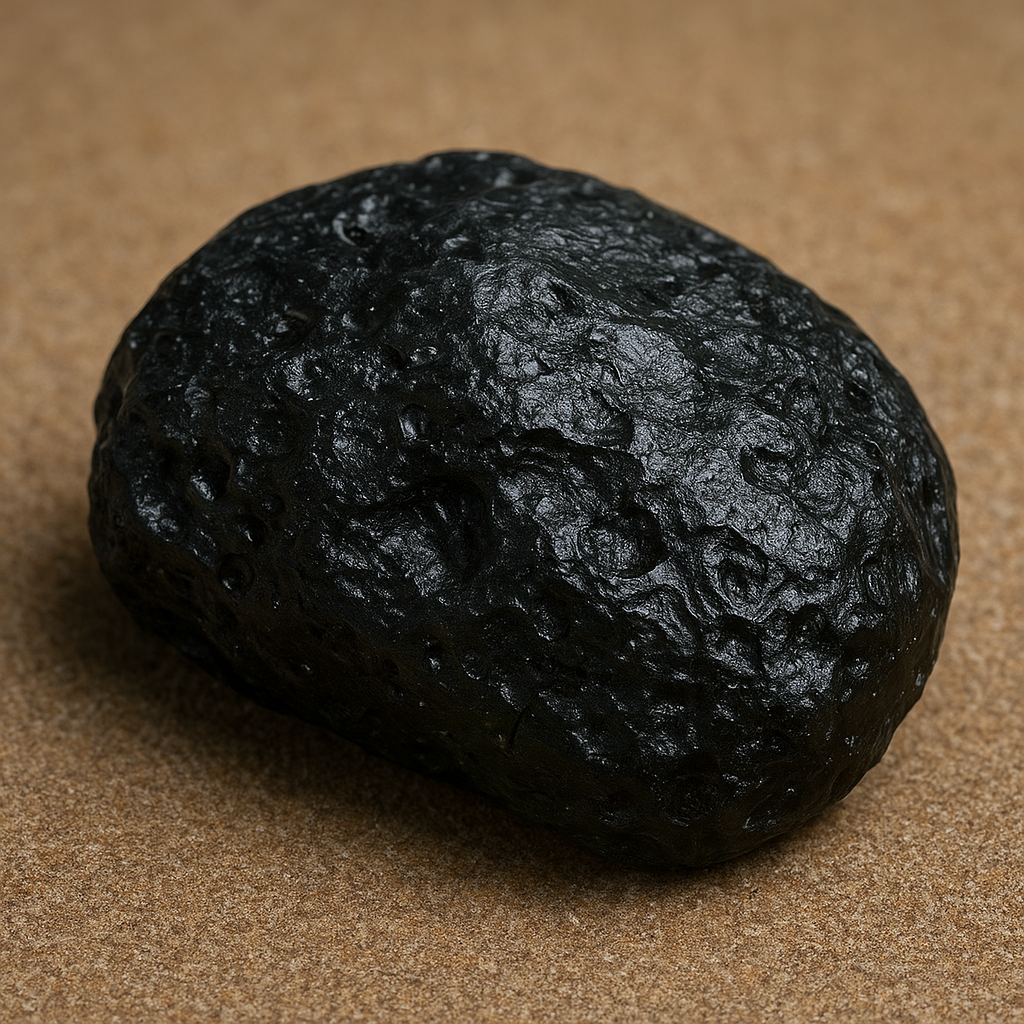
Tektites are a type of natural glass formed when terrestrial rocks are melted and ejected during meteorite impacts. Temperatures and pressures at the impact site become so intense that target rocks are instantaneously vaporized or melted; molten droplets are flung into ballistic trajectories and cool rapidly while airborne. The result is glassy objects with distinctive aerodynamic shapes, ranging from spheres and teardrops to flanged buttons and layered, irregular forms.
The formation process involves several stages: shock compression, melting, ejection, flight and cooling, and eventual deposition. In some cases, molten material undergoes secondary fragmentation while airborne, producing microtektites—tiny glass beads recovered from deep-sea cores and terrestrial sediments. The presence of these microscopic particles in stratigraphic layers has been crucial for correlating distant sites to single impact events.
Distribution: Where Tektites Occur
Tektites are not randomly distributed; they appear in coherent geographic zones called strewn fields. Each strewn field represents deposition from one or a few closely related impact events. The best-known strewn fields include:
- Australasian strewn field: the largest and most widespread, extending from Southeast Asia across Australasia and into the western Pacific. It contains a variety of tektites including the distinctive australites of Australia.
- Central European strewn field: associated with the Ries impact in Germany; it includes moldavites, which are prized for their green color.
- Ivory Coast strewn field: located in West Africa, connected to a relatively young impact event.
- North American strewn field: includes bediasites and georgiaites, found in parts of the United States.
- South American strewn fields: smaller and less well-documented examples also occur in South America.
Not all glassy objects linked to impacts are tektites: some, like Libyan Desert Glass, may have formed from high-temperature melting of specific target rocks or by airburst processes. The spatial pattern, composition, and age of tektites help researchers trace them back to their source craters, though the precise source for the Australasian field remains debated.
Physical and Chemical Characteristics
At first glance tektites look like ordinary obsidian or man-made glass, but their properties reveal an impact origin. Typical tektites are low in water content and derived from terrestrial silica-rich sediments or rocks. Key features include:
- High silica content relative to many basalts, though composition varies across types.
- Low volatile content, especially water, due to extreme heating and rapid cooling.
- Characteristic vesicle patterns and lechatelierite inclusions (pure silica glass formed at very high temperatures).
- Surface textures—such as pitted or sculpted exteriors—caused by ablation during atmospheric passage.
Chemically, tektites are distinguished by trace-element signatures and isotopic ratios that often reflect mixing between surface sediments and deeper crustal materials. Detailed analyses of trace elements and isotopes are essential in identifying links between tektites and impact craters, and in resolving whether certain glass types share a common origin.
Types and Notable Examples
Tektite classification is typically regional and morphological. Some notable types include:
- Moldavite: a translucent green tektite found primarily in the Czech Republic and nearby areas; prized as a gemstone and used in jewelry.
- Australites: eccentric, often highly sculpted tektites from Australia, known for their aerodynamic shapes.
- Muong Nong-type tektites: layered, blocky tektites from Southeast Asia with a different formation history, possibly involving less aerodynamic flight and more localized melting.
- Bediasites and Georgiaites: North American tektites associated with an impact event in the Gulf Coast region.
Each type offers clues about the impact event—angle, energy, target rock composition—and the processes operating during ejection and cooling. For example, the green color of moldavites may arise from iron and other transition elements, and their chemical fingerprint helps tie them to the Ries impact.
Scientific Importance and Research Applications
Tektites are more than geological curiosities: they are powerful tools for scientific research. Some major avenues include:
Chronology and Stratigraphy
Microtektite layers in marine and terrestrial sediments are used as isochronous markers to correlate deposits across wide distances. Because tektites can be dated accurately using radiometric methods—particularly the 40Ar/39Ar technique—they help constrain the timing of sedimentary sequences and climatic events.
Impact Processes and Planetary Analogues
Studying tektites informs models of impact physics, melting, and ejecta distribution. Laboratory experiments and numerical simulations compare tektite formation to cratering processes on other planets and moons, helping to interpret glassy materials returned from space missions and natural glasses found on other planetary bodies.
Material Science and High-Temperature Phenomena
The extreme conditions that create tektites—rapid quenching from molten states and formation of unique silica phases—provide natural experiments in glass formation. Researchers study tektite microstructures to better understand vitrification, phase separation, and the behavior of silicate melts at ultrahigh temperatures.
Practical Uses and Cultural Significance
While tektites have limited industrial applications due to their rarity and variable properties, they figure prominently in several arenas:
- Jewelry and ornamentation: moldavite and well-shaped australites are fashioned into pendants and rings. Their aesthetic appeal and exotic origin increase their value.
- Cultural and metaphysical: tektites have long been attributed special meanings in various traditions. Modern metaphysical communities often claim healing or transformational properties, though such claims lack scientific validation.
- Educational specimens: museums and universities use tektites to illustrate impact geology and planetary processes.
- Scientific proxies: as noted above, tektites help reconstruct past impact events and environmental effects, including potential links between impacts and biological or climatic shifts.
Collectors drive much of the commercial market for tektites. Because some varieties are rare and regionally restricted, ethical collecting practices and provenance documentation are important to preserve scientific value and local heritage.
Identification, Authentication, and Conservation
Distinguishing natural tektites from imitation or man-made glass requires careful study. Common identification methods include:
- Macroscopic assessment: characteristic shapes, surface pitting, and flow textures are initial clues.
- Microscopic analysis: bubble morphology, lechatelierite inclusions, and microstructures visible under petrographic or electron microscopes.
- Chemical and isotopic analysis: trace-element patterns and isotope ratios can rule out industrial glass or volcanic obsidian.
- Radiometric dating: where possible, dating can confirm the expected age of a tektite relative to its strewn field.
Collectors and curators must also consider conservation. Tektites are generally stable but can be sensitive to polishing and exposure to chemicals. Proper storage and documentation maintain both monetary and scientific value. In some regions, legal protections restrict removal of geological specimens from protected sites.
Controversies and Unresolved Questions
Despite decades of study, several puzzles remain. The precise source crater for the enormous Australasian strewn field has not been universally agreed upon, prompting ongoing fieldwork and geophysical surveys. The formation mechanisms for some unusual tektite types—such as layered Muong Nong blocks—are debated, with theories invoking slow cooling in shallow, molten pools versus rapid cooling during flight.
Another area of active debate involves the environmental and biological impacts of large impacts. While tektite layers provide markers for timing, assessing whether a given event caused regional or global ecological crises requires integrating sedimentary, paleontological, and geochemical evidence.
Field Work, Discovery, and the Collector’s World
Finding tektites ranges from systematic geological surveys to chance discoveries by farmers and beachcombers. Field techniques include mapping strewn fields, sieving soils and sediments, and dredging marine cores for microtektites. Modern discoveries often rely on satellite imagery, remote sensing, and geochemical sampling to locate promising sites.
Collectors value well-shaped specimens and those with clear provenance. Laboratories and museums welcome finds that are accompanied by detailed location data, as such information can expand scientific understanding. Responsible collecting balances personal interest with preservation of scientific context and respect for local regulations.
Interesting Facts and Lesser-Known Aspects
- Impact-generated tektites differ from volcanic glass both in composition and formation history; tektites are uniquely linked to hypervelocity events.
- Some tektites contain minute amounts of extraterrestrial material—microspherules or isotopic anomalies—that provide direct evidence of meteoritic interaction.
- Microtektite layers in deep-sea cores can be traced across entire ocean basins, offering evidence of the far-reaching effects of single impact events.
- Tektites were used historically as tools or talismans in some cultures, reflecting their distinctive appearance and perceived otherworldliness.
- The study of tektites contributes to planetary protection and hazard assessment by improving our understanding of how impacts distribute ejecta and affect atmospheres.
How to Learn More and Get Involved
Those interested in tektites can engage through several pathways: university courses in planetary geology, participation in amateur geology societies, visits to natural history museums, and collaboration with research teams conducting field surveys. Publishing discovery data, submitting specimens for analysis, and supporting ethical collecting practices all help advance knowledge.
For hobbyists, starting with local geology field trips and basic microscopy can reveal much about tektite morphology and differences from ordinary glass. For students and researchers, modern analytical techniques—scanning electron microscopy, mass spectrometry, and isotopic studies—open deep insights into the composition and age of these materials.
Final Notes on Safety and Ethics
Collecting on private or public land requires permission; in many places, regulation governs removal of geological materials. Ethically minded collectors document finds thoroughly, avoid overcollection, and report scientifically significant discoveries. While tektites are stable, their rarity and cultural importance make conservation and responsible stewardship essential.
As natural artifacts of the violent interplay between Earth and space, tektites remain powerful symbols of planetary processes. Their study continues to illuminate the dynamics of impacts, the behavior of silicate melts under extreme conditions, and the global fingerprints left by extraterrestrial visitors.