
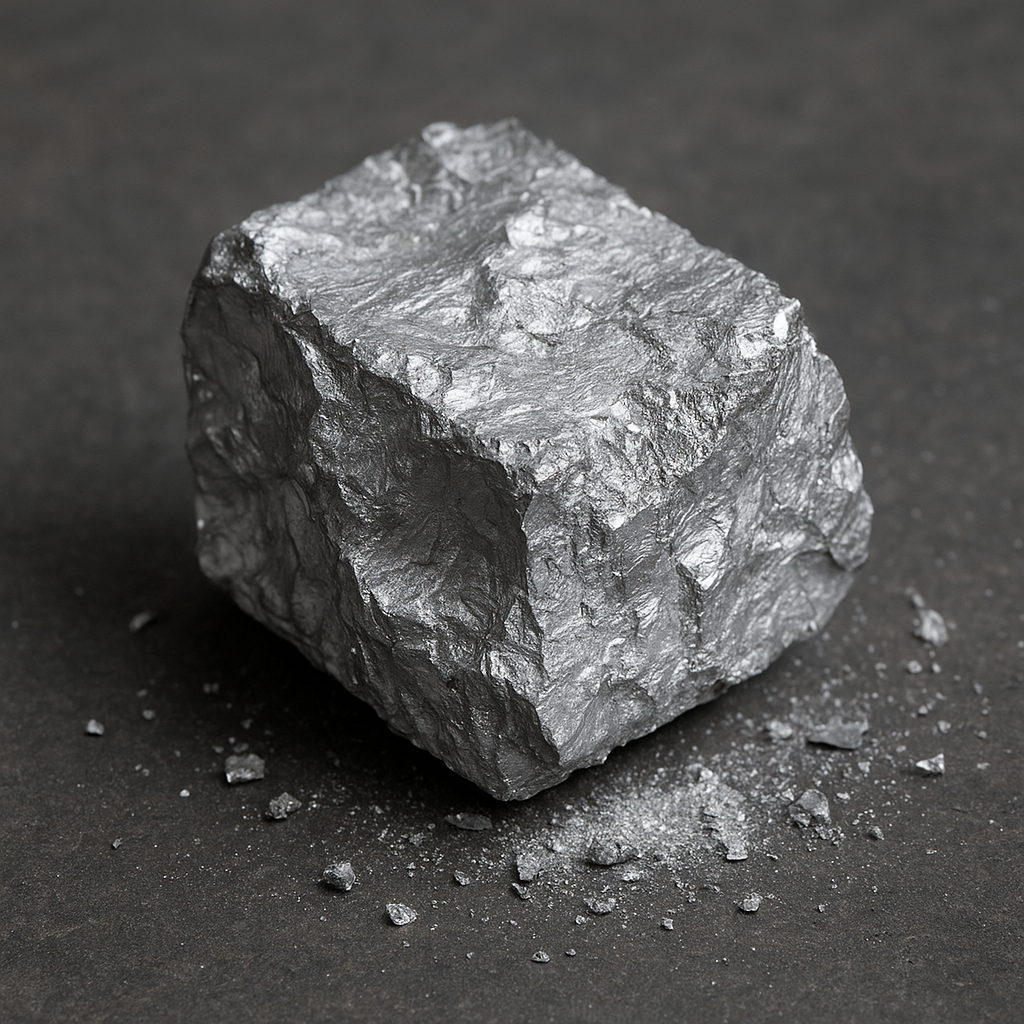
Sodium is a ubiquitous and fascinating chemical element whose presence shapes landscapes, technologies, and living systems. Although often associated with the everyday taste of salt, sodium’s significance extends far beyond the kitchen. This article explores where sodium occurs in nature, its chemical and physical characteristics, industrial and technological applications, its critical roles in biology and health, and a few intriguing historical and scientific facets connected to this reactive alkali metal.
Occurrence and natural forms
Sodium rarely exists in its elemental metallic form in nature because of its extreme reactivity with water and oxygen. Instead, it is found primarily as part of compounds, most notably sodium chloride (common salt). The most familiar and extensive reservoirs of sodium are:
- Oceans: Seawater contains about 10.8 grams of sodium per liter, mostly as dissolved chloride and other salts. The global ocean is the planet’s largest sodium store.
- Evaporite deposits: Geological processes concentrate sodium salts into thick beds, such as halite (rock salt) and other evaporites formed by the evaporation of ancient seas and lakes.
- Minerals: Sodium occurs in minerals like albite (a sodium-rich feldspar), natron, and soda ash (trona, Na3(CO3)(HCO3)·2H2O) deposits.
- Soils and groundwater: Weathering of sodium-bearing minerals releases sodium ions into soils and aquifers, influencing soil structure and plant nutrition.
- Interstellar and planetary environments: Sodium is detected in the atmospheres of some planets and in cometary tails via its characteristic spectral emissions.
Geological patterns and extraction
Large-scale sodium resources are mined from salt deposits and evaporite formations. Sea salt extraction by evaporation of seawater has been practiced for millennia and remains an economical approach in many coastal regions. More industrially, sodium carbonate (soda ash) and sodium hydroxide (caustic soda) are produced from mineral sources or synthesized via processes like the Solvay process and the electrolysis of brine.
Properties and chemistry
Sodium is element number 11 on the periodic table and belongs to the group known as the alkali metals. Its atoms have a single electron in the outermost shell, which explains many of their characteristic behaviors.
- Physical properties: Sodium is a soft, silvery-white metal at room temperature. It has a relatively low melting point (~98 °C) and low density, which allows it to float on water initially (though it reacts violently with water).
- Chemical behavior: Sodium readily loses its outer electron to form Na+ ions, making it a powerful reducing agent in certain contexts. It forms ionic compounds with nonmetals, and many of these compounds are highly soluble in water.
- Common compounds: The most ubiquitous is sodium chloride (NaCl). Others of commercial importance include sodium hydroxide (NaOH), sodium carbonate (Na2CO3), sodium bicarbonate (NaHCO3), sodium sulfate (Na2SO4), and sodium nitrate (NaNO3).
- Isotopes: The stable isotope 23Na is the only naturally abundant isotope and is widely used in nuclear magnetic resonance (NMR) and other analytical techniques. Radioisotopes like 22Na are used as tracers in scientific research and industry.
Reactivity and handling
Because sodium metal reacts vigorously with water to produce hydrogen gas and caustic sodium hydroxide, it must be handled under inert atmospheres or oil in laboratories and industries. The reaction can be explosive for larger pieces, illustrating why elemental sodium is rarely encountered by the public despite its prevalence in compound form.
Industrial and technological applications
Sodium and its compounds underpin many sectors of modern industry. From basic chemical feedstocks to advanced technologies, sodium-based materials are indispensable.
- Chemical manufacturing: Sodium hydroxide and sodium carbonate are foundational chemicals. NaOH is essential in paper production, soap making, alumina refining, and chemical synthesis. Na2CO3 is used in glassmaking, detergents, and as a water softener.
- Food industry: Sodium chloride is used for seasoning, preservation, and food processing. Sodium bicarbonate (baking soda) is a leavening agent. Various sodium salts also serve as food additives and preservatives.
- Glass and ceramics: The addition of sodium compounds lowers the melting point of silica and alters optical and mechanical properties of glass, enabling cost-effective manufacturing and diverse glass compositions.
- Metallurgy: Sodium compounds assist in metal extraction and refining; liquid sodium is sometimes used as a heat-transfer medium in specialized processes.
- Energy and cooling: Liquid sodium is used as a coolant in certain fast breeder nuclear reactors because of its excellent thermal conductivity and low neutron absorption cross-section. Its high boiling point and liquid range make it attractive for high-temperature heat transfer systems.
- Lighting: Low-pressure and high-pressure sodium vapor lamps have been widely used for street and industrial lighting due to their high luminous efficiency and long life. These lamps emit a characteristic orange-yellow light.
- Emerging battery technology: Sodium-ion batteries are the subject of intense research as a lower-cost, more abundant alternative to lithium-ion systems. Advances in electrode materials and electrolyte chemistry are improving their energy density and cycle life.
- Chemical reagents and laboratory use: Sodium metal and its hydrides and alloys serve as reagents in organic synthesis, including reductions and the preparation of organosodium compounds.
Large-scale processing: From brine to products
Many industrial sodium compounds originate from brine. Electrolysis of concentrated sodium chloride solutions produces chlorine gas, hydrogen gas, and sodium hydroxide (chloralkali process). Soda ash production, historically from minerals and ash, is now frequently performed using synthetic methods to meet global demand for glass, detergents, and chemicals.
Biological role and health considerations
Sodium ions are vital for life. In biological contexts, their roles are numerous and tightly regulated by physiological systems.
- Electrolyte balance: Sodium is a key extracellular electrolyte that helps regulate fluid balance, blood volume, and blood pressure. It works in concert with potassium to maintain cellular membrane potentials.
- Nervous system: Rapid fluxes of Na+ and K+ ions across neuronal membranes underlie action potential generation and propagation, making sodium essential for nerve signaling and communication.
- Muscle function: Muscle contraction depends on controlled ion movement; sodium contributes to excitation-contraction coupling in skeletal and cardiac muscle.
- Transport and absorption: Sodium gradients drive secondary active transport processes across cell membranes, powering the uptake of glucose and amino acids, among other molecules.
Diet, health risks, and modern concerns
Dietary sodium is necessary, but excessive intake is linked to health problems. High sodium consumption is associated with elevated blood pressure (hypertension) in many individuals, increasing risks of stroke and heart disease. Public health efforts often focus on reducing added sodium in processed foods and encouraging balanced intake.
Conversely, sodium deficiency (hyponatremia) can occur due to excessive sweating, prolonged diarrhea, or overhydration and is a potentially serious medical condition characterized by nausea, headache, confusion, seizures, or coma if severe.
Environmental impacts and safety
Sodium compounds can have substantial environmental effects when mismanaged. Salinization of soils and freshwater by irrigation with saline water or by industrial discharge can degrade ecosystems and reduce agricultural productivity. Road salt (rock salt and brine solutions applied for deicing) is an important case: while it improves transportation safety, runoff increases salinity in streams and groundwater, affecting aquatic life and water quality.
- Industrial waste: Effluents from chemical plants processing sodium compounds must be treated to avoid harming ecosystems.
- Handling elemental sodium: Sodium metal is pyrophoric when finely divided and reacts violently with water; it must be stored under inert oil or in sealed containers and handled with appropriate safety protocols.
- Recycling and disposal: Many sodium-containing wastes can be neutralized or recovered; brine management and on-site treatment can mitigate environmental release.
Historical, cultural, and scientific curiosities
Sodium’s story intersects human culture, science, and exploration in surprising ways.
- Historical uses: Salt (sodium chloride) was a highly valued commodity historically, used as currency in some societies and playing a key role in trade routes and the establishment of towns. The word “salary” has roots connected to allowances for purchasing salt.
- Discovery and isolation: The element sodium was isolated by Sir Humphry Davy in 1807 through the electrolysis of molten sodium hydroxide. Davy’s experiments with electrolysis were instrumental in the development of modern chemistry.
- Astronomical signatures: Sodium emits bright spectral lines (notably the D-lines around 589 nm) that are used by astronomers to detect sodium in planetary atmospheres, comets, and interstellar media. A luminous sodium tail has been observed on some comets, distinct from their dust and ion tails.
- Color in light: The deep orange glow of sodium vapor lamps owes to strong emission in the sodium D-lines. This color has become culturally associated with street lighting in many cities worldwide.
- Scientific tools: 23Na nuclear magnetic resonance (NMR) offers analytical insights in materials science and medical research, although its sensitivity and relaxation properties differ from the more common 1H NMR.
Interesting modern research directions
Research into sodium continues to expand. Sodium-ion batteries, as mentioned earlier, are a promising avenue toward more sustainable energy storage due to sodium’s abundance compared to lithium. Scientists are also exploring new catalytic roles for sodium compounds, innovative desalination methods to address freshwater scarcity, and the development of low-sodium food technologies to balance flavor with health.
In planetary science, mapping sodium distributions around moons and planets can reveal surface processes and atmospheric interactions. On the materials front, sodium-based glass and specialty ceramics are being tailored for optics, chemical resistance, and unique mechanical properties.
Practical tips and everyday relevance
Understanding sodium’s ubiquity helps in making informed choices at home and in the workplace:
- In the kitchen, moderating use of salt and relying on herbs and acids for flavor can reduce sodium intake without sacrificing taste.
- For gardeners and farmers, monitoring soil salinity and selecting salt-tolerant crops or implementing drainage measures can protect yields in sodium-affected areas.
- When handling household chemicals, be aware that many cleaners contain sodium-based ingredients (like sodium hydroxide or sodium bicarbonate) that require safe use and storage.
- Professionals working with sodium metal, industrial brines, or sodium compounds should follow relevant safety standards, including proper personal protective equipment, spill response, and waste disposal procedures.
From the sodium ions that permit neurons to fire to the salt mines shaping economies and cultures, this element is woven deeply into both natural systems and human technologies. Its chemistry and applications continue to evolve, promising innovations in energy, materials, and environmental management while reminding us of the need for careful stewardship of a resource that is both essential and potentially hazardous.