
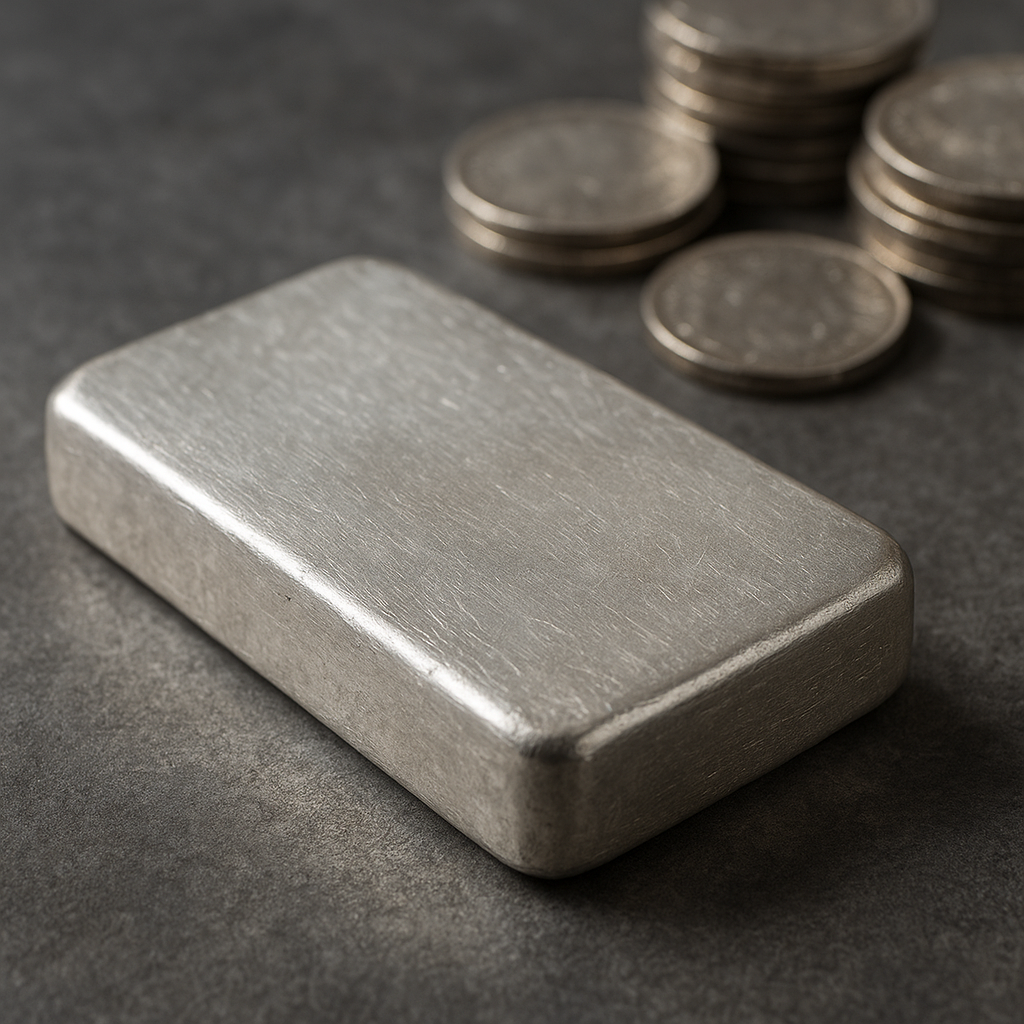
Silver has fascinated people for millennia, prized both for its shimmering beauty and its remarkable physical and chemical qualities. This article explores where silver occurs in nature, how it is extracted and processed, the many applications that depend on its unique properties, and some intriguing historical and contemporary uses. Along the way, the text highlights environmental and ethical issues, economic roles such as precious metal markets, and emerging technologies that could shape silver’s future. Expect scientific detail, cultural context, and practical examples presented in several focused sections.
Occurrence, Mining, and Natural Distribution
Silver is a transition metal found in the Earth’s crust at an average abundance of roughly 0.08 parts per million. It rarely occurs as a pure native metal in large quantities; more commonly it is associated with various sulfide, sulfosalt, and halide minerals. Major silver-bearing minerals include acanthite (Ag2S), argentite (a high-temperature form of Ag2S), chlorargyrite (AgCl), and various complex sulfosalts such as pyrargyrite and proustite. Silver also frequently occurs as a byproduct of mining for gold, lead, zinc, and copper, meaning its distribution is tied closely to polymetallic ore deposits.
Geological settings
- Epithermal veins — many high-grade silver deposits form in low-temperature hydrothermal systems where silver-bearing fluids precipitate sulfide and chloride minerals.
- Volcanogenic massive sulfide (VMS) deposits — silver occurs with copper, lead, and zinc in submarine hydrothermal deposits.
- Epigenetic replacement deposits — carbonate-hosted silver-lead-zinc deposits are common in some regions.
- Placer deposits — native silver and silver-bearing minerals can be concentrated in alluvial sediments.
Significant modern silver production comes from countries such as Mexico, Peru, China, Australia, and Russia. In many mines, silver is recovered as a secondary product during the processing of base metals, which affects global supply dynamics and price sensitivity to shifts in other metal markets.
Physical and Chemical Properties
Silver’s textbook properties explain much of its broad utility. It is the most electrically and thermally conductive metal of all elements, and it has excellent reflectivity across visible and infrared wavelengths. The metal is lustrous and ductile, easily drawn into wire or hammered into thin sheets. Chemically, silver is relatively inert compared to sodium or magnesium, but it readily forms compounds in oxidizing and sulfidizing environments. Key oxidation states are +1 in most compounds and occasionally +2 or +3 in complex chemistries.
Notable properties at a glance
- Electrical conductivity: highest among metals — crucial for electronics and contacts.
- Thermal conductivity: excellent — useful in heat management.
- Reflectance: high mirror-like reflectivity — exploited in optics and coatings.
- Antimicrobial action: silver ions are toxic to many microbes — used in medicine and hygiene.
- Malleability and ductility: enables fine jewelry work and precision components.
These properties combine to make silver uniquely versatile — from microscopic circuit pathways to large reflective solar collectors.
Historical and Cultural Uses
Silver has played an outsized role in human history: as currency, ornament, and symbol. The metal’s durability and intrinsic value made it ideal for coins and bullion; societies from ancient Greece and Rome to medieval Europe and colonial empires minted silver currency. Silver’s role in trade shaped economic systems and even global exploration, as silver-rich mines in the Americas fueled European economies and international commerce.
- Coinage and bullion: long-standing role in stores of value and international trade.
- Religious and ceremonial objects: chalices, icons, and ritual items.
- Decorative arts: tableware, filigree, and silverware became status symbols.
- Photographic processes: historically central to silver-based photography (now largely replaced by digital methods).
Craft techniques such as sterling silver alloys (traditionally 92.5% Ag) demonstrate how artisans adapted silver’s properties to practical ends, balancing hardness and workability against purity and luster.
Industrial, Technological, and Medical Applications
Beyond ornament and currency, silver is a workhorse in many industries. Its combination of conductivity, reflectivity, and chemical reactivity underpins uses in electronics, solar energy, catalysis, and healthcare.
Electronics and electrical contacts
Silver’s top-tier electrical conductivity makes it the metal of choice where minimal resistance is critical. It is used in:
- Conductive inks and pastes for printed electronics and RFID tags.
- High-performance electrical contacts and switchgear where low contact resistance reduces heating and wear.
- Solder alloys and interconnects in specialized microelectronics.
Because silver is relatively expensive, many applications use silver-plated surfaces or thin films to get most of the benefit at lower cost.
Photovoltaics and solar energy
Silver is a key component in most silicon solar cells due to its excellent conductivity and ability to form fine gridlines (fingers) that collect charge carriers with minimal shading. As renewable energy deployment grows, the photovoltaic industry’s silver demand is a major factor in global silver consumption and recycling initiatives.
Catalysis and chemical industry
In heterogeneous catalysis, silver surfaces catalyze selective oxidation reactions, such as the industrial oxidation of ethylene to ethylene oxide, a precursor for antifreeze, detergents, and other chemicals. Nanoscale silver catalysts also show promise for plasmon-enhanced photocatalysis, where light absorption is used to drive chemical transformations.
Medical and antimicrobial uses
Silver ions and nanoparticles exhibit broad-spectrum antimicrobial properties, disrupting microbial membranes and interfering with metabolic processes. Applications include:
- Wound dressings and coatings for medical devices to reduce infection risk.
- Antimicrobial coatings for high-touch surfaces in hospitals and public spaces.
- Water purification systems where silver acts as a biocide in filters.
While silver can be effective, careful dosing and product design are critical to limit toxicity and prevent the emergence of resistance in microbial populations. Medical-grade uses often rely on controlled-release silver compounds or immobilized silver on substrates.
Silver in Jewelry, Silverware, and Artisanal Industries
Silver remains a favorite for jewelry, tableware, and decorative arts thanks to its appearance, relative affordability compared with gold and platinum, and ease of fabrication. Classic techniques—casting, filigree, granulation, and stone setting—combine with modern methods like laser welding and electroforming. Key terms and products include:
- Sterling silver: a standard alloy with improved hardness and durability for daily use.
- Coin silver and Britannia silver: regional standards with varying purity levels.
- Silverplate: a thin layer of silver deposited on base metals for cost-effective decorative items.
Collectors and artisans also value patina, engraving, and historical provenance. Investment-grade silver is typically held as bullion in bars and coins, where purity and weight are certified for trading and hedging against inflation.
Environmental, Economic, and Ethical Considerations
Silver mining and use raise environmental and ethical questions. Mining operations can produce waste rock and tailings that, if not managed properly, release heavy metals and acidic drainage. Water usage, habitat disruption, and energy consumption are additional concerns. Recycling silver from electronics, photographic waste, and jewelry reduces the need for virgin mining and lowers environmental impacts.
Supply dynamics and market influences
- Byproduct nature: a large share of silver supply depends on production of other metals, making silver prices sensitive to mining trends in copper, lead, and zinc.
- Industrial demand: growth in photovoltaics, electronics, and antimicrobial applications can strain supply unless recycling scales up.
- Investment demand: coins and bars respond to macroeconomic trends, monetary policy, and investor sentiment.
Responsible sourcing initiatives and chain-of-custody systems seek to ensure that silver entering markets meets environmental and labor standards. Certification and improved traceability are increasingly important for buyers concerned with social responsibility.
Emerging Technologies and Research Frontiers
Science continues to find innovative uses for silver at the nanoscale and in hybrid materials. Recent and prospective developments include:
- Silver nanoparticles tuned for medical diagnostics and targeted antimicrobial action while minimizing toxicity.
- Plasmonic devices exploiting silver’s ability to concentrate light at subwavelength scales, useful for sensors and photonic circuits.
- Advanced silver-based catalysts for selective chemical synthesis and green chemistry pathways.
- Integration of silver in flexible and printed electronics, enabling wearable sensors and low-cost Internet-of-Things devices.
Researchers also investigate substitutes and silver-saving designs — for example, copper or aluminum-based conductors with silver coatings, or transparent conductive oxides that reduce the need for bulk silver in some optoelectronic applications.
Practical Considerations: Care, Recycling, and Handling
Silver tarnishes when exposed to sulfur compounds in air, forming silver sulfide, which darkens surfaces. Simple home care includes polishing with appropriate compounds, using anti-tarnish storage, and avoiding prolonged exposure to rubber and certain foods that accelerate tarnishing. From an industrial perspective, silver-containing waste streams—electronic scrap, photographic fixer, and spent catalysts—are valuable sources for material recovery. Technologies such as hydrometallurgical leaching, electrorefining, and selective sorbents recover silver efficiently when properly implemented.
Safety and toxicity
Elemental silver and most bulk silver compounds have low acute toxicity for humans, but excessive ingestion or chronic exposure to certain silver compounds can lead to argyria, a benign but irreversible blue-gray discoloration of the skin. Nanoparticulate silver raises additional toxicological questions; safe design and regulatory oversight are needed where nanosilver is used in consumer products.
Silver in Culture, Language, and Symbolism
Beyond material uses, silver conveys meanings across cultures: purity, moonlight, clarity, and value. Phrases such as “silver lining,” “born with a silver spoon,” and descriptors like “silver-haired” reflect silver’s symbolic presence in language. In folklore and literature, silver often opposes darkness: moonlit blades, talismans against supernatural threats, and objects imbued with protective virtues. These cultural associations influence design, marketing, and the continued desirability of silver objects.
Collecting and numismatics
Coins and silverware remain popular among collectors and investors. Numismatic interest adds premiums over melt value for rare mintages, historical provenance, or artistic merit. Bullion markets, on the other hand, focus on spot prices and pure metal content. Both markets interact: high collector demand can withdraw supply from industrial recycling streams, while changes in industrial usage influence availability and price volatility.
Challenges and Opportunities
Silver faces both constraints and prospects. Challenges include supply volatility due to its byproduct nature, environmental impacts of production, and potential substitution in some applications. Opportunities arise from expanding renewable energy deployment, medical technologies, and advances in nanoscience. Strategic recycling, improved material efficiency, and policies that balance access with sustainability will play central roles in defining silver’s mid- to long-term trajectory.
Whether as a cherished heirloom, a critical industrial material, or a subject of scientific innovation, silver occupies a multifaceted role in modern society. Its future will be shaped by technological change, market dynamics, and collective choices about resource stewardship and responsible use. Understanding the science, history, and applications of silver helps professionals, consumers, and policymakers make informed decisions about this enduring and versatile element.