Serpentine is a group of hydrous magnesium silicate minerals with a rich interplay of geology, industry and culture. Beyond its attractive green hues and waxy luster, serpentine plays a significant role in understanding rock alteration processes, hosting valuable mineral deposits, and posing real-world environmental and health challenges. This article explores the mineralogical characteristics of serpentine, where it forms in nature, its uses and controversies, and some lesser-known facets that connect it to broader scientific and cultural topics.
Mineralogy and Structure
Serpentine refers not to a single mineral species but to a family of related minerals that share similar chemical compositions and crystal structures. The most commonly recognized members are chrysotile, antigorite, and lizardite. These minerals are primarily composed of magnesium, silicon, oxygen and hydrogen, typically written in simplified form as Mg3Si2O5(OH)4. Their detailed crystal structures differ: some form fibrous or cylindrically rolled layers while others produce platy or scaly aggregates.
Crystal chemistry and formation
Serpentine minerals are sheet silicates (phyllosilicates) formed when olivine- and pyroxene-rich rocks undergo low-temperature hydrothermal alteration or metamorphism. The transformation involves the addition of water into the mineral structure—a process known as hydration. During hydration, the original minerals expand and reconfigure into layered silicate sheets, often incorporating water molecules and hydroxyl groups into their frameworks.
Key structural differences:
- Chrysotile typically forms fibrous, rolled sheets that can create hair-like masses. These fibers are the source of the material historically called asbestos.
- Antigorite normally occurs in foliated masses and is stable at higher metamorphic grades compared to lizardite, often found in serpentinite rocks.
- Lizardite commonly appears as fine-grained, platy aggregates and is often an early product of serpentinization reactions.
Where Serpentine Occurs: Geological Settings
The presence of serpentine is intimately tied to the composition of the original rock and the availability of water and heat. It most commonly forms in ultramafic rocks—those rich in magnesium and iron—such as peridotite and dunite. When these rocks are exposed to water through tectonic processes or seafloor hydrothermal systems, serpentinization proceeds, creating characteristic minerals and textures.
Typical environments
- Oceanic lithosphere and mid-ocean ridges: Serpentinization occurs where seawater penetrates fractures in peridotite, producing serpentinite and associated hydrogen generation.
- Ophiolites and obducted mantle slices: Pieces of oceanic mantle thrust onto continental crust commonly display extensive serpentinization and are key field localities for study.
- Subduction zones and forearc regions: Hydration reactions can occur during subduction, producing serpentine in altered mantle wedges and influencing slab behavior.
- Weathering profiles and hydrothermal veins: Near-surface alteration of ultramafic rocks and localized hydrothermal systems create pockets and veins of serpentine minerals.
Notable global occurrences include the serpentinite bodies of the California Coast Ranges (USA), the Lizard Complex in Cornwall (UK), ophiolite belts in Cyprus and Oman, and many localities in Italy, Greece, New Zealand and Japan. In many places, serpentinite forms distinctive landscapes—blocky, greenish outcrops often associated with unique soil chemistries that affect vegetation.
Associated rocks and minerals
Serpentine is typically associated with minerals produced during ultramafic alteration: magnetite, brucite, talc, magnesite, and sometimes native metals or sulfide mineralization. Rocks dominated by serpentine minerals are commonly called serpentinite. The conversion of iron-bearing olivine to serpentine and magnetite can generate molecular hydrogen, which has implications for microbial ecosystems and abiotic organic synthesis.
Uses and Applications
Historically and in modern times, serpentine and its derivatives have served a variety of uses, ranging from ornamental stone to industrial raw material. Its properties—color, ease of carving, thermal and chemical characteristics—have made it useful in several domains.
Industrial and commercial uses
- Ornamental stone and architecture: Many cultures have used polished serpentine for decorative stone, veneers, and sculpture. The attractive green and mottled patterns make it a preferred material for inlays and facades.
- Asbestos and historical industrial use: Asbestos is a term applied to fibrous silicate minerals, and chrysotile was the common commercial form. It was used for insulation, fireproofing, brake linings and other heat-resistant applications until health risks led to widespread regulation and bans.
- Magnesium and chemical feedstocks: Serpentine can be a source of magnesium and, through further processing, of magnesite (MgCO3). It also has been investigated as a feedstock for CO2 mineral sequestration via carbonation reactions.
- Talc and industrial fillers: In some metamorphic pathways, serpentine alters to or occurs alongside talc. Talc is used as a filler in ceramics, paints, and plastics.
Emerging and specialized applications
Modern research highlights innovative uses:
- Carbon dioxide sequestration: The natural carbonation of serpentinite to magnesite locks CO2 into stable mineral form. Engineered approaches propose accelerating this process for long-term carbon storage.
- Hydrogen production: Serpentinization reactions can produce hydrogen gas abiotically. There is interest in harnessing this as a potential clean energy source or understanding it as a driver of subsurface microbial life.
- Ground improvement and aggregate: Crushed serpentinite can be used as aggregate or in specialty concretes when properly handled to manage any fibrous components.
Health, Safety and Environmental Issues
One of the most critical aspects related to serpentine minerals is the risk associated with the fibrous form of chrysotile. Exposure to airborne fibers can lead to serious respiratory diseases, including asbestosis, lung cancer, and mesothelioma. This has driven extensive regulation worldwide and changed how serpentine-rich materials are managed.
Risks and regulations
- Public health: Mining, processing and degradation of chrysotile-bearing rocks can release fibers. Occupational exposure historically occurred in mining, shipbuilding, construction and insulation industries.
- Regulation: Many countries have strict rules banning or tightly restricting asbestos use. Legacy uses in buildings and infrastructure require careful abatement and disposal to prevent fiber release.
- Environmental impacts: Serpentinized landscapes support soils that are often low in essential nutrients and high in heavy metals, creating specialized plant communities but also posing contamination risks if disturbed.
Contemporary handling
Modern protocols emphasize minimizing dust, using protective equipment, and employing wet methods and encapsulation in sites with chrysotile presence. Risk communication and community monitoring near natural or industrial serpentinite occurrences are important to safeguard health.
Geochemical and Biological Importance
Beyond industrial concerns, serpentinization is a fundamental geological process with broad geochemical and biological consequences. The transformation of ultramafic rocks releases heat, changes redox conditions and produces fluids rich in hydroxide and hydrogen.
Abiotic chemistry and energy
The hydrogen produced during serpentinization can reduce carbon species, potentially generating simple hydrocarbons abiotically. This has implications for early Earth chemistry and for habitability in extraterrestrial settings where water-rock reactions could create energy sources for life.
Microbial ecosystems
Serpentinizing systems host unique microbial communities adapted to high pH and hydrogen-rich fluids. These ecosystems, found in some seafloor vents and continental springs, are studied for clues about life’s adaptability and the potential for life on other planets.
Economic Geology and Mineral Exploration
While serpentine itself is not a major ore in most cases, serpentinite-hosted systems can concentrate economically significant minerals. For instance, certain nickel, cobalt, chromium and platinum-group element deposits are associated with ultramafic rocks and later alteration processes.
Nickel and cobalt deposits
Lateritic nickel deposits form in tropical weathering profiles over ultramafic rocks. Serpentinized bedrock contributes to the geochemical evolution that leads to nickel enrichment in the soil profile. Exploration strategies therefore look for characteristic soil geochemistry and geological structures indicative of underlying ultramafic bodies.
Chromite and platinum-group elements
Chromite is a primary mineral in some ultramafic layers and may be found alongside serpentinized peridotite. Platinum-group elements can concentrate in specific magmatic-hydrothermal settings within ophiolite sequences, where serpentinization provides clues to past tectonic environments.
Cultural, Historical and Aesthetic Uses
Across cultures, serpentine’s vivid greens and ability to take a polish have made it desirable for ornaments, religious objects and architecture. In some regions, resistant local communities built with serpentinite showed distinct color palettes and techniques.
- Decorative carving: From small amulets to larger carved panels, serpentine has been fashioned into ornamental objects for centuries.
- Architectural use: Polished serpentinite slabs have appeared in floor and wall applications in historic buildings. The stone’s visual appeal and relative softness make it workable yet attractive.
- Symbolism and folklore: Green stones often carry symbolic meanings tied to fertility, protection or local identity. Serpentine’s name itself evokes the sinuous shapes of snake-like fibers or patterns.
Interesting Facts and Current Research
Scientists continue to study serpentine for both fundamental and applied reasons. Some active areas of research include:
- Planetary analogues: Serpentinization is a candidate process for generating hydrogen on other planetary bodies; studies model how this could affect habitability on Mars and icy moons.
- Engineered carbon storage: Pilot projects test accelerated carbonation of serpentinite for permanent CO2 sequestration, measuring kinetics, scalability and environmental impacts.
- Material science: Investigations into nanoscale properties of serpentine minerals inform potential novel uses, from catalysts to sorbents.
- Ecology and conservation: Serpentine soils create unique biodiversity hotspots; conservationists study endemic plants and adapt management practices to protect these ecosystems.
Moreover, improved analytical techniques (electron microscopy, synchrotron studies, isotopic mapping) have refined our understanding of how serpentine minerals form at microscopic scales and how they record conditions of formation. These insights feed back into models of crustal processes and resource formation.
Field Identification and Practical Notes
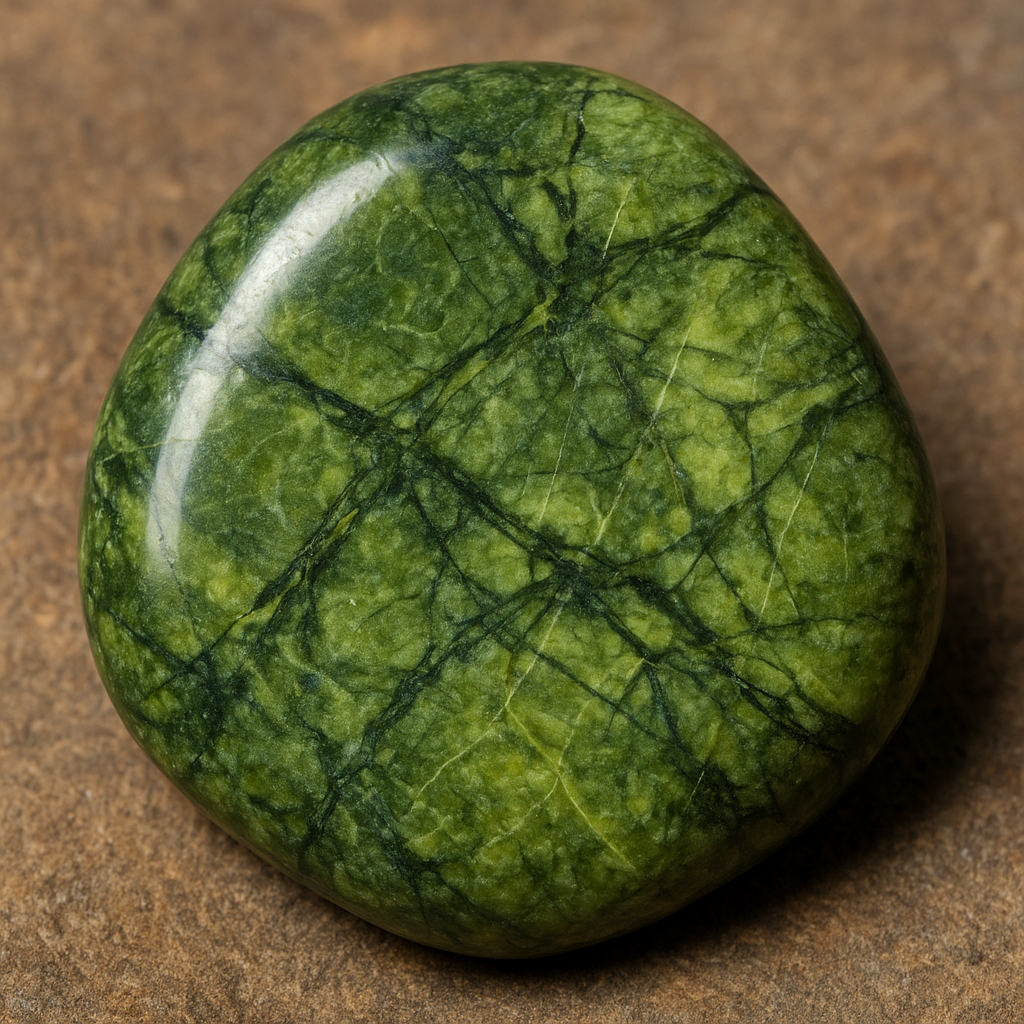
For geologists and enthusiasts encountering serpentine in the field, some practical pointers help in identification and safe handling. Serpentine rocks often display a characteristic green to greenish-black color, a waxy to greasy luster, and a tendency to flake or show fibrous textures. The feel can be soft, with a Mohs hardness generally around 3–5 depending on the variety.
- Perform a scratch test cautiously to assess hardness; avoid producing dust if fibrous textures are visible.
- Note associated minerals such as magnetite or talc which often accompany serpentinization.
- If chrysotile fibers are suspected, assume hazardous potential: avoid breathing dust, use wet collection methods, and consult specialists for handling and disposal.
Field mapping of serpentinite bodies contributes to broader tectonic interpretations, revealing former locations of oceanic mantle, suture zones and past plate boundary interactions.
Conclusion
Serpentine remains a fascinating mineral group at the intersection of geology, industry, ecology and public health. From its origins in water-rock reactions deep in the Earth to its implications for clean energy and carbon storage, serpentine touches many modern scientific and societal themes. Awareness of its properties and responsible management of its fibrous forms are essential components of both appreciating its beauty and mitigating its risks.