
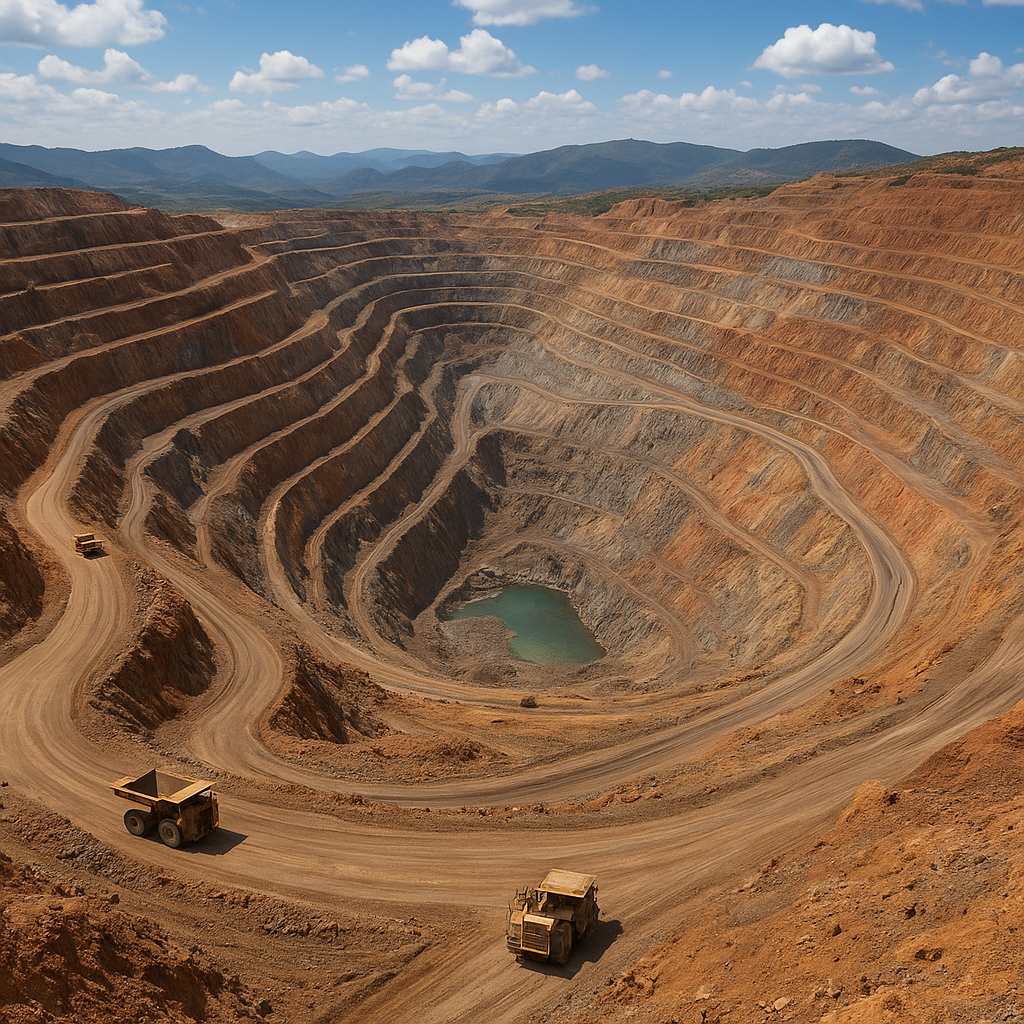
The Rosemont Project is a proposed large-scale copper development in southern Arizona, situated in the foothills of the Santa Rita Mountains roughly southeast of the city of Tucson. Designed as an open-pit porphyry copper operation, the project has drawn attention for its potential to supply significant quantities of copper — a metal central to modern infrastructure and the energy transition — as well as for the complex environmental, cultural and legal debates surrounding mining within or near public lands. This article reviews the project’s location and geology, what would be mined and processed, its economic significance, and a number of distinctive and sometimes contentious features that make the Rosemont Project a noteworthy case in contemporary U.S. mining.
Location and geological setting
The Rosemont area lies in Pima County, in the southern part of Arizona, within the watershed and visual landscape associated with the Coronado National Forest. The site sits in a rugged mountain environment characterized by steep canyons, oak woodlands, and desert-scrub at elevations that vary depending on specific pit alignments. Being in a biologically rich region, the project area contains a mix of public and private lands; much of the controversy over development stems from its proximity to recreational, ecological and cultural resources.
Porphyry copper system
Rosemont is a classic example of a porphyry copper deposit, a type of mineral system that forms when hydrothermal fluids associated with igneous intrusions concentrate copper, molybdenum and often small amounts of precious metals such as gold and silver into large, low- to mid-grade ore bodies. Porphyry deposits are not high-grade on a ton-for-ton basis, but they can be immense in scale, allowing decades-long operations and substantial cumulative metal production. In addition to copper, the Rosemont mineralization typically includes accessory molybdenum, and traces of gold and silver, which are often recovered as byproducts during mineral processing.
Local hydrology and ecology
The site intersects mountain drainages that feed regional aquifers and surface channels. Water availability, management and potential impacts on springs and riparian areas have been central to the environmental review process. Vegetation zones include mixed woodland and habitats used by local wildlife — species such as native birds, mammals and pollinators, and at the landscape scale, habitat corridors for large mammals. These ecological characteristics amplify local concern about noise, dust, groundwater depletion, and long-term landscape alteration.
What is extracted and how it would be mined
The primary commodity at Rosemont is copper. Copper is extracted from on-site rock via open-pit excavation, followed by comminution (crushing and grinding) and concentration through flotation to produce copper concentrate. Concentrates can then be shipped to smelters and refiners where the metal is extracted and purified. The mine plan also contemplates recovery of molybdenum and small amounts of gold and silver as byproducts, which improves the overall project economics.
Open-pit mining and processing components
- Open-pit excavation: large benches are excavated progressively, creating a pit whose walls and overall footprint are designed to maintain slope stability and safety.
- Ore processing: onsite crushing, grinding and flotation plants would create a copper concentrate product.
- Waste management: either a tailings storage facility (TSF) or alternative methods such as filtered/dry stacking, depending on permitting conditions and final design.
- Water and power infrastructure: wells, pipelines, reservoirs and electrical supply lines to support processing and ancillary facilities.
- Reclamation: progressive and end-of-mine closure plans to reshape disturbed areas, re-vegetate and manage long-term water quality.
Technological choices in processing and tailings management are critical to the project’s environmental footprint. Discussions have included wet tailings impoundments versus dry tailings technologies, onsite versus offsite tailings disposal, and measures to control airborne dust and acid rock drainage.
Economic significance
At the core of the Rosemont Project’s economic argument is the global and local demand for copper. Copper is essential in electrical wiring, motors, transformers, renewable energy systems, electric vehicles and grid infrastructure. In the context of electrification and clean-energy technologies, new copper supplies are often cited as strategically important. From a regional perspective, a project like Rosemont would promise:
- Jobs: direct employment in mining, processing and engineering during both construction and operations phases, and indirect jobs in services, transportation and maintenance.
- Local revenue: property taxes, payments-in-lieu, royalties (depending on ownership and agreements), and business taxes that would flow to county and state budgets.
- Supply chain activity: demand for construction materials, heavy equipment, chemicals used in processing, and specialized services.
- National strategic value: adding to domestic copper production reduces reliance on foreign supplies and supports industrial and defense supply chains.
Developers and some local stakeholders typically present projections about lifetime production, annual output and revenue that underscore benefits to Pima County and the state of Arizona. Opponents counter that economic benefits must be weighed against potential losses in tourism, outdoor recreation, ecosystem services and long-term costs of remediation or water shortages. Analyses commissioned by both proponents and opponents have emphasized different priorities and assumptions, so economic impact estimates often vary substantially depending on inputs such as metal prices, operating costs and environmental mitigation expenses.
Environmental, cultural and legal issues
The Rosemont Project has been a focal point for debates about mining near public lands and sensitive ecosystems. Several themes recur in environmental and cultural reviews:
Water resources and quality
Water use is a prime concern in an arid region. Mining operations can change both the quantity and quality of water in local aquifers and surface flows. Potential impacts include reduced spring flow, dewatered riparian areas, and the risk of contaminated runoff or leachate from waste rock and tailings. Project proposals include water supply plans and mitigation measures, but stakeholders and regulators often scrutinize the adequacy and long-term viability of those plans.
Landscape, reclamation and visual impacts
An open pit and associated infrastructure impose lasting changes on the visual and recreational landscape. Viewsheds from trails, scenic drives and wilderness areas are part of the value many residents place on the Santa Rita Mountains. Reclamation obligations aim to restore pre-mining conditions as much as practicable, but the reality is that deep pits and altered drainage patterns can pose permanent changes requiring perpetual monitoring.
Cultural resources and tribal concerns
The region holds archaeological and cultural significance for Indigenous peoples, and tribal consultations are a required part of the federal permitting process when cultural resources or treaty rights could be affected. Tribes and tribal members have raised concerns about impacts to sacred landscapes, traditional uses and archaeological sites.
Legal and permitting history
Permitting a mine of this scale involves federal, state and local approvals, including environmental impact statements, Clean Water Act permits, and land-use decisions. Rosemont has gone through a lengthy regulatory and legal process with multiple reviews, public comment periods and litigation. Environmental groups, local governments and tribal entities have at times challenged permits; courts and administrative agencies have reviewed those challenges, leading to changes in mitigation measures or additional studies. The interplay between federal land management (such as the U.S. Forest Service) and state-level permitting has shaped the project’s trajectory.
Interesting and lesser-known aspects
Beyond the core technical, economic and environmental dimensions, several intriguing features make Rosemont instructive as a case study:
- Modern mining meets public lands policy: Rosemont sits at the intersection of modern metal demand and a U.S. regulatory framework that balances resource development with conservation on lands near federally managed forests. How such balance is struck influences future projects.
- Community engagement models: the proposal has generated a wide range of local responses, from strong support in some business and labor circles to determined opposition from conservationists, recreation groups and some tribal members. The intensity of local debate illustrates how extractive projects can reshape community conversations about land use.
- Innovations in mitigation: over time, proponents have proposed new mitigation measures including water-conservation technologies, engineered tailings options and habitat restoration programs, reflecting both regulatory pressure and advances in mining practice.
- Wildlife and connectivity: the Santa Rita Mountains form part of habitat corridors used by wide-ranging species. Discussions of the Rosemont Project therefore intersect with broader conservation efforts to maintain connectivity across southern Arizona to support species resilience in a changing climate.
- Symbolic significance: for some, Rosemont has become emblematic of the conflict between the perceived need for domestic mineral resources and the desire to protect scenic, cultural and ecological values. As such, the project is often referenced in national conversations about balancing resource security and environmental protection.
Stakeholders and future outlook
Stakeholders in the Rosemont Project include developers and investors, federal and state agencies, county governments, tribal nations, environmental organizations, recreational users, and local businesses. The project’s future depends on market conditions for copper, the ability of developers to satisfy regulatory and legal requirements, and the outcomes of ongoing dialogues and potential litigation. The broader energy transition and electrification trends may increase pressure for new copper supplies, but social license to operate — the acceptance of a project by local communities and stakeholders — remains a decisive factor.
The Rosemont Project thus serves as more than a potential source of industrial metal: it is a contemporary lens on how the United States reconciles resource extraction with environmental stewardship, cultural values and community priorities. Its evolution will likely inform policy and public debate regarding how and where new mineral development is pursued in ecologically and culturally sensitive regions.

