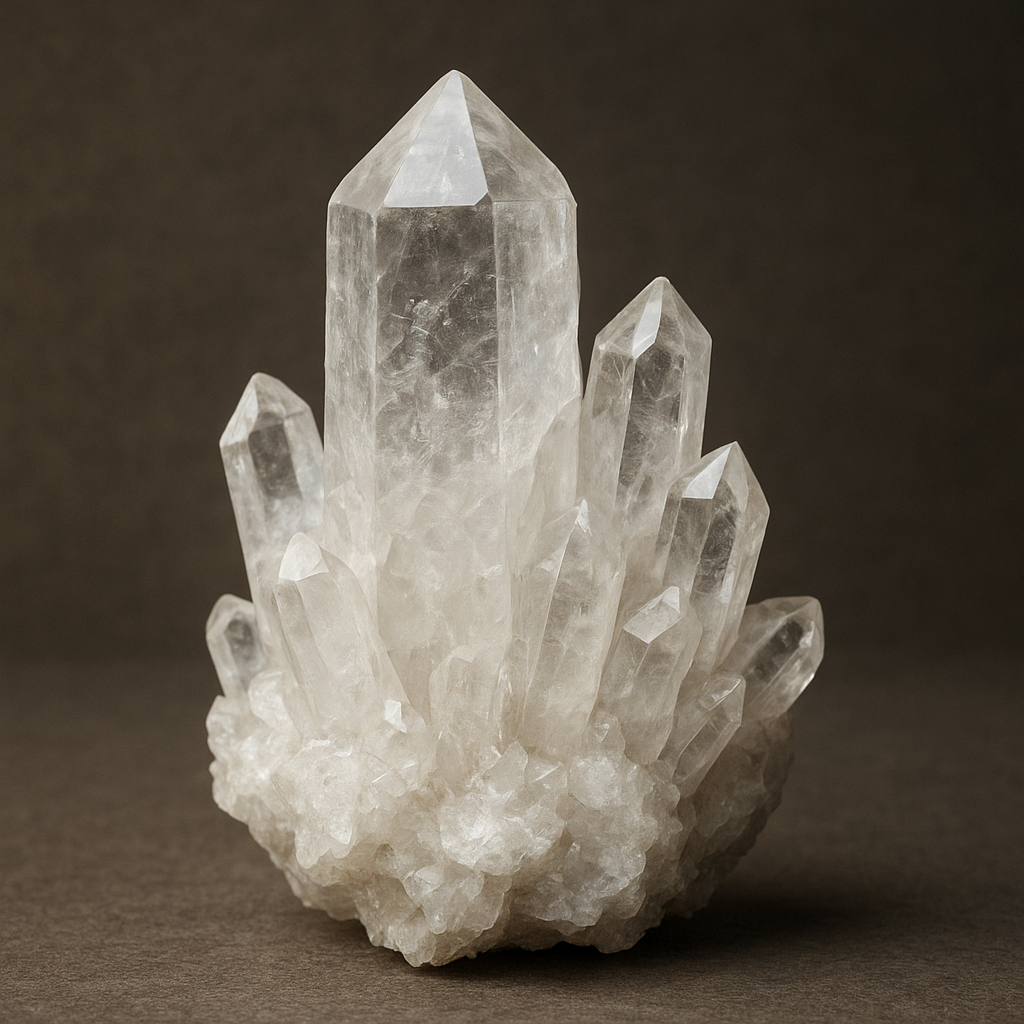
Phosphophyllite is a mineral that captivates collectors and gem enthusiasts alike with its delicate, often bluish-green tones and exceptional translucency. Although it rarely appears in jewelry because of its fragility, specimens of phosphophyllite command attention for their aesthetic beauty and geological interest. This article explores the mineral’s chemistry and physical properties, where it is found, how it has been used and appreciated, and several intriguing aspects that make it a standout among phosphate minerals.
Mineralogy and physical characteristics
At its core, phosphophyllite is a phosphate mineral with a distinctive combination of elements that gives rise to its color and crystal habit. Its chemical composition is generally written as Zn2Fe(PO4)2·4H2O, indicating a hydrated zinc-iron phosphate, though small substitutions of manganese and other cations can occur in natural samples. The mineral forms well-developed prismatic crystals that can be remarkably lustrous and nearly transparent in gem-quality pieces.
Crystal system and habit
- Phosphophyllite crystallizes in the monoclinic system, typically forming elongated tabular or prismatic crystals.
- Specimens frequently display sharp terminations and attractive internal reflections when cut or broken along crystal faces.
Optical and mechanical properties
- Color ranges from pale to vivid greenish-blue; color intensity depends on trace element content and degree of hydration.
- It typically has a vitreous to subadamantine luster and can be quite brilliant on crystal faces.
- On the Mohs scale, phosphophyllite’s hardness is low — generally around 3.5 to 4 — which contributes to its rarity as a wearable gemstone.
- The mineral is known for very good cleavage, making it relatively fragile and prone to breakage if handled roughly.
- Specific gravity is moderate; optical properties (birefringence, refractive indices) are such that transparent crystals show attractive play of light.
Where phosphophyllite occurs
True to its reputation as a rare mineral, phosphophyllite is not widely distributed. It forms in phosphate-rich hydrothermal environments and in alteration zones associated with zinc-bearing deposits. High-quality, aesthetic crystals are uncommon—and those large enough for lapidary use are rarer still.
Notable localities
- Bolivia — Historically and presently one of the most celebrated sources of fine phosphophyllite crystals. Bolivian finds have produced some of the most photographed and prized specimens.
- Japan — Small, attractive crystals have been recovered from certain mines and pegmatitic localities.
- Germany, Mexico, and the United States — Sporadic occurrences produce specimens for mineral collections, though often smaller or of lesser color intensity.
- Other countries — Occasional finds in South America and parts of Europe add to the scattered global distribution.
Because the mineral’s formation depends on specific geochemical conditions—phosphate availability, presence of zinc and iron, and low-temperature aqueous alteration—prospective mining for phosphophyllite is not common. Many of the best samples have come from historic workings that produced occasional pockets of exceptional crystals, rather than from sustained, large-scale production.
Uses, market and collecting
Phosphophyllite’s combination of visual appeal and mechanical fragility shapes the ways it is used and valued. While it can be cut into gemstones, wearing such pieces regularly is generally discouraged because the mineral can chip or cleave under stress. As a result, most of the market for phosphophyllite is centered on mineral collecting and museum display rather than mainstream jewelry.
Collector demand and pricing
- Collectors prize phosphophyllite for its rarity, attractive color, and well-formed crystals. Museum-quality specimens and fine cabinet pieces command high prices at auction.
- Even small, gemmy crystals can be quite valuable if they are transparent, richly colored, and undamaged. The combination of aesthetic beauty and scarcity increases overall value.
- Because the supply of excellent crystals is so limited, the market is driven by specimen grade more than volume—exceptional single crystals often outprice numerous lesser pieces.
Lapidary and jewelry use
- When phosphophyllite is faceted, cutters emphasize minimal thickness and protective settings to reduce stress on the stone.
- Designers sometimes set phosphophyllite in pendants or brooches where the piece is less likely to receive hard knocks; rings and bracelets are uncommon choices due to wear risk.
- Treatments such as stabilization are rarely applied because the value of untreated, natural crystals is typically higher and such treatments can alter the appearance.
Handling, care and preservation
Because of its pronounced cleavage and modest hardness, phosphophyllite demands careful handling. Proper preservation not only protects the specimen but also helps maintain its scientific and aesthetic value.
Practical care tips
- Store specimens individually in padded boxes or display cases to prevent contact with harder minerals or hard surfaces.
- Avoid ultrasonic cleaners and harsh chemicals; gentle cleaning with a soft brush and distilled water is preferred.
- If used in jewelry, choose protective settings (e.g., bezel settings or deep crowns) and reserve wear for low-impact occasions.
- Control environmental humidity where possible; although phosphophyllite is hydrated, rapid or extreme humidity changes may stress the mineral lattice.
Formation, associations and geologic context
Phosphophyllite typically forms under low-temperature hydrothermal conditions or as a secondary mineral in oxidized zones where phosphate-rich fluids interact with zinc-bearing host rocks. Its formation is closely tied to the geochemical mobility of phosphorus, zinc, and iron, and to aqueous alteration processes.
Associated minerals
- Phosphophyllite is often found alongside other phosphate minerals and secondary minerals such as wavellite, turquoise, and other zinc-bearing phosphates.
- Association with sulfide minerals and oxidized zinc ore bodies (e.g., smithsonite zones) is not uncommon.
- Mineralogists study these associations to reconstruct the fluid chemistry and thermal history of the mineralizing events.
Scientific interest
Beyond its appeal to collectors, phosphophyllite provides information about low-temperature geochemical processes, trace element substitution in phosphates, and crystal growth dynamics. Well-preserved crystals can show growth zoning and fluid inclusion patterns that help researchers infer the conditions of formation. In crystallography and mineral physics, the study of hydrated phosphate lattices—like those in phosphophyllite—helps refine models of structural stability and water incorporation in minerals.
Cultural notes and curiosities
Phosphophyllite’s rarity and ethereal color have inspired not only collectors but also cultural references. In modern popular culture, the name has appeared in literature and media as a signifier of fragility and beauty. Among mineral communities, famous specimens often acquire nicknames and travel between private collections and public exhibits.
Noteworthy specimens and exhibitions
- Museum and private collections occasionally showcase standout crystals that demonstrate exceptional color, size, or crystal habit. These specimens frequently become highlights of mineral exhibits because of their visual impact.
- Historic finds—those recovered decades ago during earlier mining eras—are particularly valued because older specimens often survived before intensive collecting and are preserved in near-pristine condition.
Representation in art and media
Artists and designers are sometimes drawn to the delicate palette of phosphophyllite, using it as inspiration for color schemes in glass, ceramics, and textiles. In the world of storytelling and character design, phosphophyllite’s association with fragility and iridescent beauty has been used metaphorically; one well-known example is its appropriation as a character name in the Japanese manga and anime series Land of the Lustrous, where the mineral’s attributes are woven into narrative themes about strength, vulnerability, and transformation.
How to identify and authenticate specimens
Because fine specimens are valuable, correct identification is important for both collectors and researchers. Identification involves a combination of visual inspection, hardness testing, and advanced methods where necessary.
Identification steps
- Observe color and transparency: genuine phosphophyllite typically exhibits blue-green tones and a glassy luster. However, color alone is not definitive.
- Test physical properties: assess hardness and cleavage carefully; phosphophyllite’s distinctive cleavage can be a diagnostic trait.
- Use microscopy: internal growth patterns, inclusions, and crystal habit under magnification help separate phosphophyllite from look-alikes.
- Chemical and spectroscopic analysis: X-ray diffraction (XRD), energy-dispersive X-ray spectroscopy (EDS), or Raman spectroscopy confirm composition and structure when needed.
Ethics, provenance and the collector’s responsibility
Given the limited supply of high-quality phosphophyllite, provenance matters. Responsible collectors seek well-documented specimens with clear ownership history to avoid supporting illicit collecting or the depletion of sensitive localities. Museums and reputable dealers often provide certificates or detailed locality data that help establish a specimen’s provenance.
Best practices
- Buy from reputable dealers and request documentation about the specimen’s origin and collection history.
- Support legal and sustainable collecting practices—refrain from purchasing material known to come from protected or illicit operations.
- When lending or selling specimens, transfer any available provenance information to ensure long-term traceability.
Further reading and resources
For those who wish to dive deeper into the science and appreciation of phosphophyllite, mineralogical databases, peer-reviewed articles on phosphate mineralogy, and books that cover gemology and crystallography are excellent starting points. Visiting natural history museums or attending mineral shows provides opportunities to see high-quality specimens in person and to discuss identification and care with experienced collectors and curators.
Whether admired as a museum piece, studied for its geochemical story, or appreciated as an occasional gem in a protected setting, phosphophyllite continues to fascinate with its rare beauty and the scientific questions it raises. Collectors prize its delicate hue and crystalline perfection, while scientists value the insights it offers into mineral formation and phosphate chemistry.