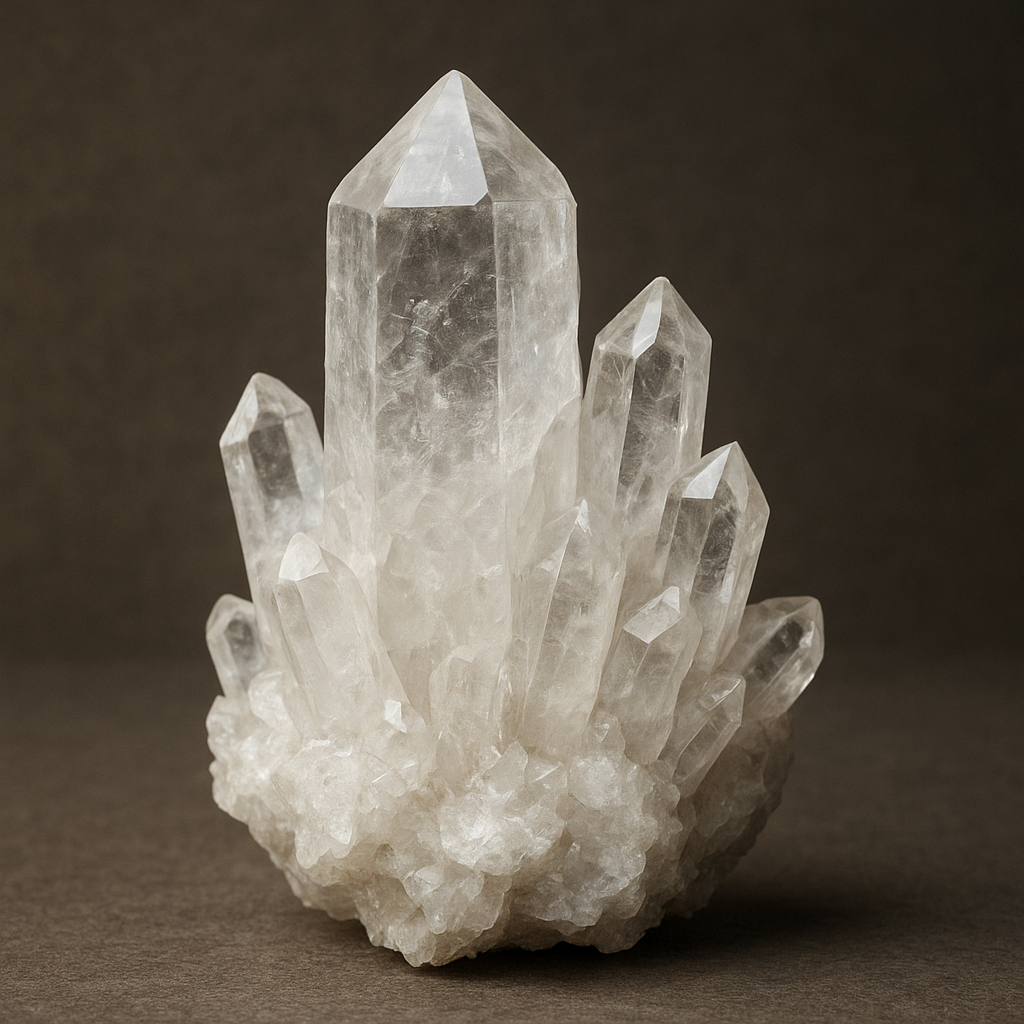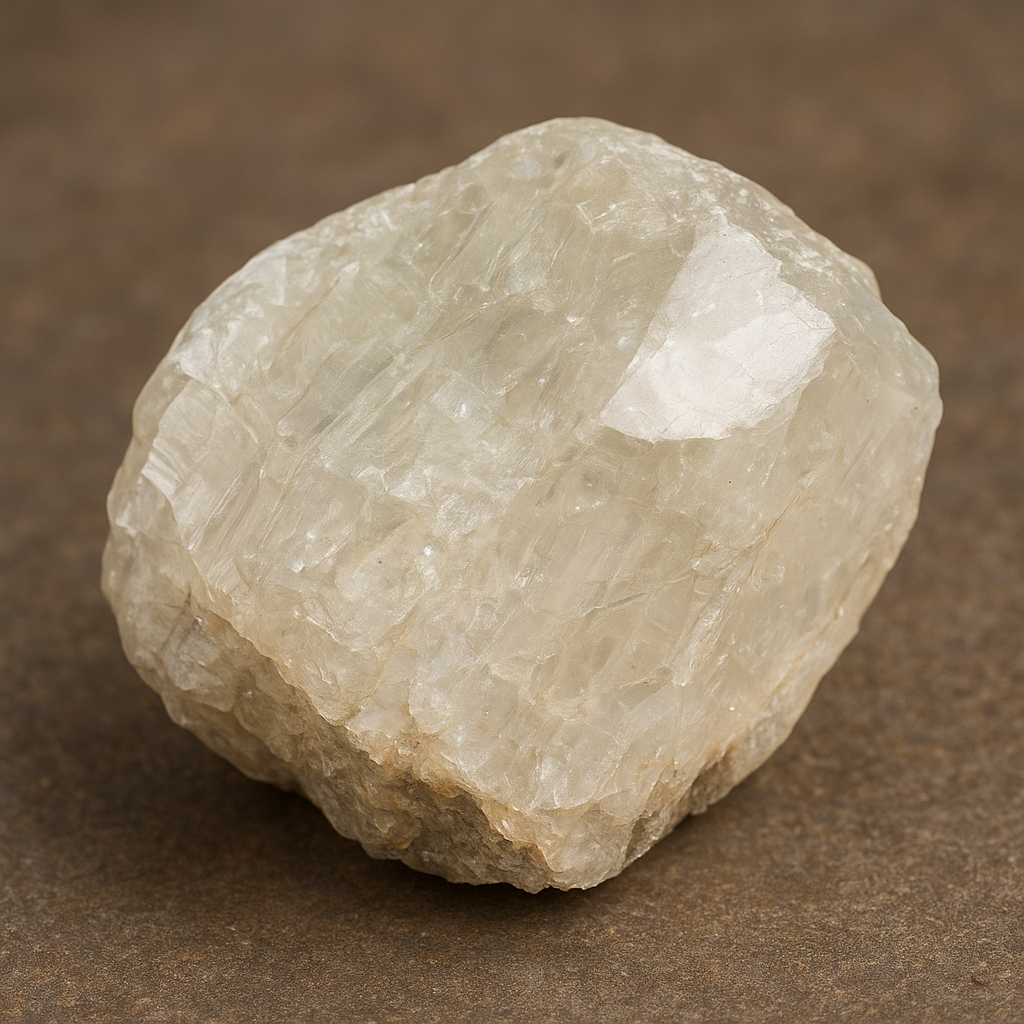
Petalite occupies a niche yet increasingly important place in the world of minerals and industrial raw materials. As a relatively uncommon lithium-bearing silicate, it bridges traditional mineralogy, modern industrial chemistry and the rapidly evolving energy sector. This article explores what petalite is, where it is found, how it is processed and used, and some lesser-known aspects of its role in materials science and economic geology.
What petalite is: composition, crystal chemistry and physical properties
Petalite is a lithium aluminium silicate with the idealized chemical formula LiAlSi4O10. It belongs to the family of lithium sheet and framework silicates that form in highly fractionated granitic pegmatites and related environments. Petalite crystals can be colorless, white, gray, pink or pale yellow, and they range in habit from blocky to elongated tabular crystals. The mineral is often translucent to transparent and can display a vitreous to pearly luster on cleavage surfaces.
The crystal structure of petalite provides channels and sites that accommodate lithium ions within a silicate framework. This structural feature is one reason petalite is considered valuable for lithium extraction in some contexts: lithium occurs in a relatively discrete and recoverable chemical phase rather than being dispersed through a feldspar or other host. Petalite typically has a moderate hardness and a relatively low specific gravity compared with many metal-bearing minerals, making it distinguishable in hand specimen and under the microscope.
Petalite is commonly associated with other lithium minerals, particularly spodumene and lepidolite, as well as quartz, feldspar and beryl in the complex mineral assemblages of pegmatites. Because it often forms late in the crystallization sequence of a pegmatite, petalite can concentrate in pockets and zoned veins where it may be amenable to selective mining.
Where petalite occurs: geological settings and notable localities
Geologically, petalite is a product of highly evolved granitic magmas and their derivative pegmatites. Pegmatites are coarse-grained intrusive rocks that concentrate rare elements—lithium, beryllium, tantalum, cesium and others—during the final stages of magma crystallization. In such environments, fractional crystallization and fluid enrichment produce unusual mineral assemblages including petalite.
Notable occurrences of petalite are distributed in several continents, reflecting the global nature of granitic pegmatite systems. Important localities include parts of Brazil (especially the state of Minas Gerais), which hosts a wide variety of lithium-rich pegmatites; deposits in southern and eastern Africa such as those of Zimbabwe; Portugal and other parts of the Iberian Massif where lithium pegmatites have long been mined; and certain areas of Australia, Canada and Sweden. Each of these occurrences carries its own geological story—some are classic pegmatite fields with zonation and pocket minerals, others are smaller but economically significant bodies that have been mined for lithium or other contained metals.
Because petalite can coexist with other lithium minerals, its presence is often an indicator of a broader lithium-bearing system. Prospecting geologists therefore look for petalite and its mineral neighbours when evaluating pegmatites for potential lithium extraction. In many modern resource assessments, petalite-bearing pegmatites are mapped and sampled alongside spodumene- and lepidolite-bearing zones to determine which parts of a pegmatite are best suited to different industrial uses.
Industrial applications: traditional uses and modern demands
Historically, petalite found use mainly in specialty glass and ceramic industries. One of its enduring industrial roles is as a feedstock for producing low-iron lithium silicate that improves thermal and mechanical properties when added to certain glass and ceramic compositions. Because petalite tends to have relatively low iron and other coloring impurities compared with some other lithium minerals, it is prized where optical clarity or light color is desirable.
Major applications include the manufacture of glass-ceramics and specialty glass such as cookware, cookware-ovenware interfaces and glass-ceramic cooktop materials where controlled thermal expansion and high temperature resistance are required. In ceramics, petalite-derived lithium compounds can act as fluxes, lowering firing temperatures and improving glaze properties. Petalite can also be used as a raw material in the production of certain frits and glazes for porcelain and insulating ceramics.
The modern surge in demand for lithium driven by the electric vehicle and energy storage industries places petalite in a new strategic context. While most large-scale lithium chemical production today uses spodumene concentrates (after thermal conversion) or brine-derived lithium, petalite is sometimes processed to produce commercial lithium carbonate or lithium hydroxide depending on local economics and metallurgical routes. Petalite’s lower impurity profile can make it advantageous for certain chemical processes or for producing lithium precursors suitable for high-purity applications.
Processing and extraction: from pegmatite to lithium chemicals
Processing petalite into a saleable lithium chemical involves a sequence of comminution, concentration and hydrometallurgical steps. Because petalite differs in mineralogy from spodumene and lepidolite, the specific flowsheet often needs to be adapted to maximize lithium recovery and minimize contaminants.
- Crushing and grinding: The ore is crushed and ground to liberate petalite crystals from the gangue minerals.
- Physical concentration: Techniques such as dense media separation, flotation and gravity separation can concentrate petalite. Its distinct density and surface properties relative to quartz and feldspar allow effective separation in many operations.
- Chemical treatment: Concentrates may be roasted or directly leached. Hydrometallurgical methods—acid leaching, alkaline treatment or combinations thereof—are used to dissolve lithium from the silicate structure into solution for subsequent purification.
- Purification and conversion: Lithium-bearing solutions are purified to remove iron, aluminum and silica and then converted to lithium carbonate or lithium hydroxide by precipitation and/or solvent extraction and ion-exchange methods.
Compared with spodumene, petalite does not require the same high-temperature alpha-to-beta phase conversion step that is necessary for spodumene to become readily leachable. In some contexts that yields an energy advantage. However, the specific mineralogy of a deposit, the presence of deleterious elements and local processing costs will determine whether petalite is processed locally into lithium chemicals or sold as a concentrate to specialized processors.
Petalite in the context of the lithium supply chain
The rapid expansion of battery manufacturing worldwide has focused attention on all lithium-bearing resources. There are three principal feedstock categories: brine deposits, hard-rock spodumene, and other hard-rock minerals like petalite and lepidolite. Each category has strengths and trade-offs in terms of cost, impurity profile and processing complexity.
Petalite’s niche is often defined by its utility for non-battery industrial applications and by its role as a supplementary lithium source. In places where petalite occurs in economically recoverable concentrations, it can diversify supply and reduce reliance on a single feedstock type. Integrating petalite-derived lithium into the supply chain requires tailored refining capacity and quality controls, particularly when the end products are battery-grade lithium carbonate or hydroxide.
Because petalite sometimes contains fewer coloring impurities, it is attractive for glass and ceramics; in battery chemistry, the final purity and impurity composition are critical. Some producers use petalite together with spodumene in blended processing routes, leveraging the complementary mineral characteristics to optimize recovery and cost.
Economic, environmental and social aspects
Mining and processing petalite present economic opportunities, especially in regions where pegmatite mining is an established part of the local economy. Small- to medium-scale operations often coexist with artisanal mining in pegmatite fields, which raises social and regulatory considerations about safety, worker rights and environmental stewardship.
On the environmental side, the impacts of petalite extraction are typical of hard-rock mining: land disturbance, waste rock and tailings management, water use and potential chemical discharges from processing. Because some petalite processing routes rely on acid or alkaline leaching and subsequent chemical treatments, careful management of process residues is essential to prevent contamination. Advances in hydrometallurgical techniques, closed-loop reagent systems and tailings dewatering can mitigate many impacts when properly implemented.
There is also a regional development dimension: the discovery and development of a petalite deposit can provide jobs and infrastructure, but successful projects need effective governance, community engagement and benefit-sharing to ensure long-term social license to operate. In many producing regions, stakeholders are exploring partnerships and value-adding strategies such as local refining to capture more of the value chain domestically rather than exporting raw concentrates.
Gemstone and collector interest: aesthetics and rarity
Although petalite is primarily an industrial mineral, gem-quality transparent crystals do occur and are occasionally faceted as gemstones. When faceted, petalite can display high clarity and a pleasing sparkle, though it is less well-known in the jewelry market than quartz or beryl. The stone’s relative softness compared with traditional gemstones means it is more suitable for earrings and pendants than for rings subject to abrasion.
Collectors prize well-formed petalite crystals from classic pegmatite pockets, especially those that show unusual color or transparency. Such specimens can be scientifically valuable as well, offering researchers insights into the late-stage evolution of pegmatitic fluids and the conditions that concentrate lithium and other rare elements.
Interesting facts and historical notes
The name petalite derives from a word related to “leaf” or “plate,” referring to the mineral’s tendency to form flat, sheet-like cleavage fragments. Historically, petalite was recognized early by mineralogists studying pegmatite suites in Europe, and it has periodically attracted the interest of chemists and metallurgists aiming to extract lithium for glass and ceramics long before the battery revolution.
In some cases, petalite-bearing pegmatites have been mined for multiple commodities simultaneously: tantalum, niobium, beryllium and rare earths are common partners in the same geological systems. Such polymetallic potential can make pegmatite projects economically resilient, but it also complicates metallurgy because each element may require different processing techniques.
Research directions and future prospects
Ongoing research into petalite focuses on improving its processing economics and environmental performance. Innovations in leaching chemistry, selective flotation, and solvent extraction aim to increase lithium recoveries while reducing reagent consumption and effluent. There is also interest in understanding the thermodynamics and kinetics of lithium release from petalite under different chemical treatments to design optimized flowsheets.
From a market perspective, petalite’s future will be shaped by global lithium demand and the development of new technologies that either increase the range of acceptable lithium feedstocks or reduce lithium demand per unit of battery storage. If battery chemistries evolve to tolerate different impurity profiles or if local refining capacity is built in regions with petalite resources, the mineral could play a larger role in regional supply chains.
Technological opportunities
- Hydrometallurgical advances that avoid high-temperature steps and lower overall energy consumption.
- Enhanced mineral processing to produce higher-grade petalite concentrates with fewer gangue minerals.
- Integration of petalite processing with recovery of co-products (e.g., tantalum or beryllium) to improve project economics.
These avenues underscore how a historically specialized mineral like petalite can become more central as industrial priorities and technologies shift.
Practical considerations for companies and geologists
For exploration geologists, petalite is a mineralogical clue pointing to a fertile pegmatite system. Detailed mapping and systematic sampling—combined with mineralogical studies using microscopy and X-ray diffraction—help determine whether a pegmatite’s petalite occurs in amenable concentrations for mining.
For companies, evaluating a petalite resource requires careful attention to the composition of the ore body, the presence of associated valuable or deleterious elements, and the logistics of transporting concentrates to processing facilities. Where local processing capacity is lacking, project economics must account for transport to markets or the cost of building local refining infrastructure.
In addition, regulatory frameworks related to mining permits, water usage, and chemical discharge will influence project timelines and capital requirements. Early engagement with local communities and transparent environmental planning can reduce social risk and speed up project development.
Final observations
Petalite is more than a mineralogical curiosity: it is a functioning component of several industrial chains and potentially an adaptable resource as global demands for lithium evolve. Whether valued as a raw material for glass-ceramics, as a supplementary feedstock for battery chemicals, or as a collectible specimen for mineral enthusiasts, petalite occupies a practical place at the intersection of geology, materials science and economic development. Its future role will depend on continued improvements in processing technology, the structure of the global lithium market and the capacity of producing regions to process and add value to their mineral resources.