
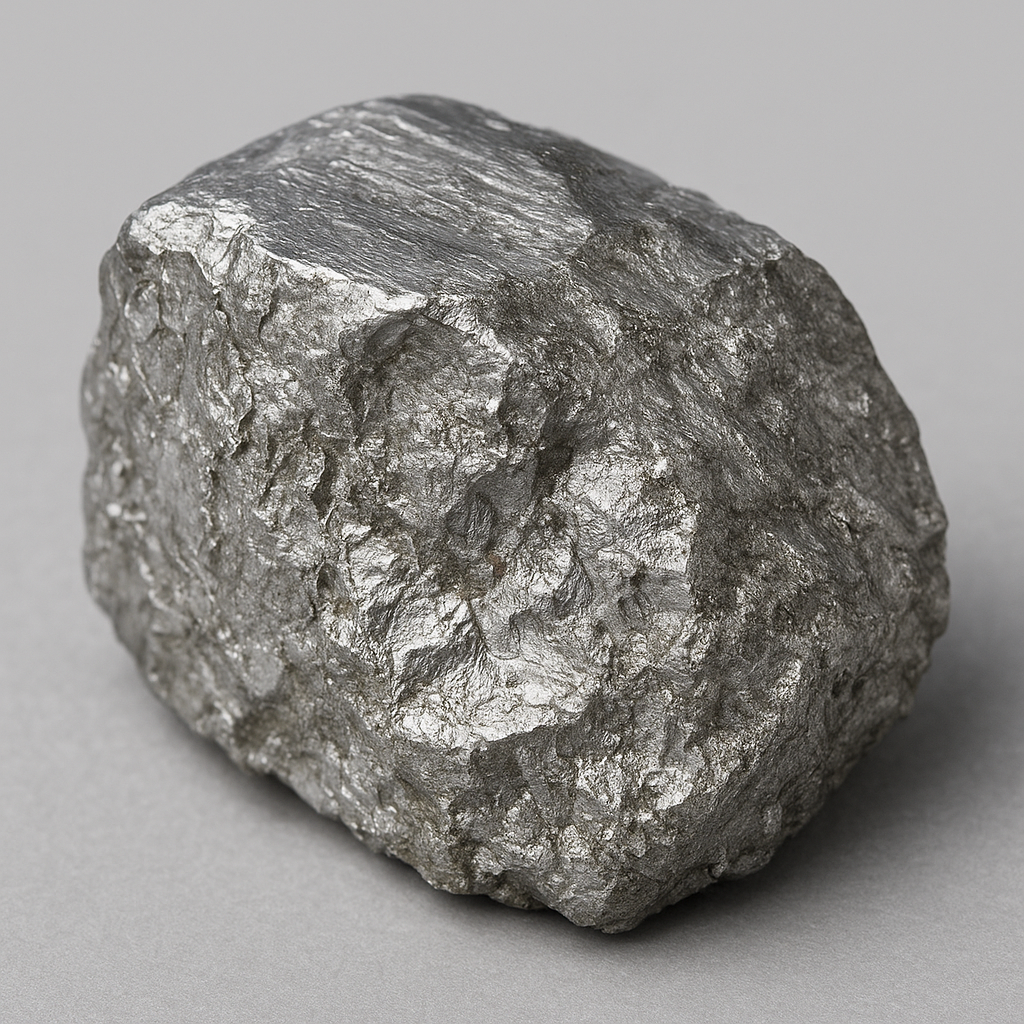
Palladium is one of the most intriguing and versatile elements in the periodic table. As a member of the platinum group metals, it combines unusual chemical behavior with wide-ranging industrial uses that connect geology, chemistry, automotive engineering, electronics, and even jewelry. This article explores where palladium is found, how it is applied across modern technologies, and several lesser-known and interesting facets of this scarce metal.
Origins and Natural Occurrence
Palladium (atomic number 46, atomic weight ~106.42) was discovered in the early 19th century by William Hyde Wollaston and named after the asteroid Pallas. It is a rare, lustrous, silver-white metal that belongs to the family commonly called the platinum group metals (PGMs), along with platinum, rhodium, ruthenium, iridium, and osmium. In nature, palladium seldom occurs as a native metal and is normally found alloyed with platinum or associated with nickel and copper sulfide ores.
Major palladium deposits are associated with two geological environments:
- Magmatic sulfide deposits linked to large layered intrusions, such as the Bushveld Complex in South Africa and the Norilsk-Talnakh deposits in Russia.
- Magmatic and hydrothermal nickel-copper sulfide deposits like Sudbury (Canada) and the Stillwater Complex (Montana, USA), where palladium is a byproduct of nickel and copper mining.
Today, the largest producers include Russia, South Africa, Canada, and the United States, with significant secondary supplies coming from recycling of catalytic converters. Palladium’s rarity in the earth’s crust and its frequent occurrence as a byproduct of other mining operations contribute to supply constraints and price volatility.
Physical and Chemical Properties Worth Noting
Palladium is soft and malleable in its pure form, with a density around 12.0 g/cm³ and a melting point near 1555 °C. Its electron configuration ([Kr] 4d10) gives it a filled d-subshell, which underpins many of its catalytic properties. One of palladium’s most remarkable chemical behaviors is its affinity for hydrogen; palladium can absorb large amounts of hydrogen and form palladium hydride (PdHx) at room temperature. This unique interaction with hydrogen has spawned technologies in gas purification, sensing, and storage.
Unique behaviors and implications
- Hydrogen absorption: Pd can absorb up to several hundred times its own volume of hydrogen, creating dramatic lattice expansions. This property makes Pd central to hydrogen separation membranes and hydrogen-sensing devices.
- Chemical inertness: Like other PGMs, palladium resists corrosion and oxidation, which is why it is valued in catalytic and electronic applications.
- Catalytic versatility: The metal acts as an excellent surface for electron transfer and bond rearrangements, enabling a range of chemical reactions important in industry and pharmaceuticals.
Industrial and Technological Applications
Palladium’s major application today is as a catalyst. Perhaps its best-known role is inside automotive catalytic converters, where it facilitates the conversion of harmful exhaust gases—carbon monoxide (CO), hydrocarbons (HC), and nitrogen oxides (NOx)—into less harmful products like CO2, H2O, and N2. The automotive sector has been the dominant driver of palladium demand for decades.
But palladium’s uses extend far beyond emissions control:
- Catalysis in chemical synthesis: Palladium-catalyzed cross-coupling reactions (e.g., Suzuki, Heck, Stille reactions) revolutionized organic chemistry by enabling efficient formation of carbon–carbon and carbon–heteroatom bonds. These methodologies are foundational in the manufacture of pharmaceuticals, agrochemicals, and fine chemicals.
- Electronics: Palladium is used in plating, electrical contacts, and multilayer ceramic capacitors (MLCCs). Its resistance to tarnishing and excellent electrical conductivity make it ideal for thin-film electrodes, soldering, and welds in microelectronics.
- Hydrogen technologies: Palladium membranes allow selective permeation of hydrogen and are used for purification and in research-scale hydrogen separation systems. Nanostructured palladium is being explored for hydrogen storage and catalysis in fuel cells.
- Dental and medical alloys: Palladium-based alloys are used in dental restorations and crowns, offering good biocompatibility and mechanical strength. It is also occasional in implantable medical devices and prosthetics.
- Jewelry: In jewelry manufacturing, palladium is used in white-gold alloys or alone due to its bright appearance and lower density compared to platinum. Its hypoallergenic properties make it suitable for sensitive skin.
Catalysis: The Heart of Palladium’s Value
Both homogeneous and heterogeneous palladium catalysts underpin modern synthetic chemistry. In homogeneous catalysis, palladium complexes dissolved in solution allow precise control over reactivity and selectivity, which is essential in pharmaceutical synthesis where stereochemistry and impurity profiles are critical. Heterogeneous palladium catalysts—palladium supported on carbon or oxide supports—are used in large-scale hydrogenation and dehydrogenation processes.
Key features of palladium catalysis include:
- Ability to mediate oxidative addition and reductive elimination steps critical for cross-coupling chemistry.
- Compatibility with a broad spectrum of functional groups, enabling complex molecule assembly.
- Scalability from laboratory to industrial production, albeit with rising emphasis on catalyst recovery and recycling because of palladium’s cost.
Impact on pharmaceuticals and fine chemicals
Many blockbuster drugs and active pharmaceutical ingredients (APIs) are synthesized using palladium-catalyzed steps. As a result, palladium catalyst recovery and trace-metal removal are significant downstream concerns regulated to ensure product safety—residual palladium must often be reduced to parts-per-million or parts-per-billion levels.
Automotive Demand and the Transition to Cleaner Mobility
The automotive industry has been both palladium’s largest customer and a driver of dramatic market swings. With increasing global emissions standards, the load of palladium in catalytic converters grew, pushing demand higher. However, market dynamics are evolving:
- As gasoline-powered vehicles traditionally use palladium-rich converters, sales trends and regulatory changes affect consumption.
- Diesel engines historically used more platinum and rhodium, but shifts in fuel mix and converter designs have altered demand patterns.
- The rise of electric vehicles could reduce long-term palladium demand for converters, but hybrid vehicles and internal combustion engines will persist for many years, keeping demand significant. Simultaneously, palladium finds new niches in hydrogen technologies and fuel cells that could partially offset declines in automotive catalytic use.
Automotive recycling—recovering palladium from end-of-life catalytic converters—has become a major secondary source. Recycling not only supplies a significant share of demand but also reduces environmental burdens associated with mining and processing.
Market Dynamics, Supply Risks, and Recycling
Palladium’s market is characterized by concentration of supply and high demand from several industrial sectors, making it prone to price volatility. A few global players and regions dominate production, and geopolitical events or localized operational issues (e.g., labor strikes, regulatory changes, or mine disruptions) can ripple strongly through global supply.
Key market considerations include:
- Byproduct nature: Since palladium is often extracted alongside nickel, copper, or platinum, production is partly driven by demand for these base metals rather than direct palladium economics.
- Recycling infrastructure: Catalytic converter recycling and electronic scrap recovery are crucial to supply resilience. Advances in hydrometallurgical and pyrometallurgical recycling improve recovery rates and lower environmental impacts.
- Investment and reserves: Palladium is traded as a commodity and also held as an investment metal. Strategic stockpiles and speculative investment can influence short-term pricing.
Environmental and Health Considerations
While palladium is less widely discussed than lead or mercury, it poses environmental and occupational concerns. As vehicles operate, tiny particles of PGM-containing dust can be released through catalyst attrition. These particles accumulate in roadside soils and can be transported into urban environments. Although palladium is not highly toxic in the same way as some heavy metals, certain palladium compounds can cause allergic reactions, including contact dermatitis in sensitized individuals.
Workplace exposure during mining, refining, or catalyst manufacturing requires controls: dust suppression, respiratory protection, and effective waste management. The recycling of palladium-bearing materials, when properly conducted, reduces environmental impact and limits the need for primary mining.
Cutting-Edge and Emerging Topics
Research into palladium continues to deliver surprising advances:
- Nanoscale palladium: Nanoparticles and single-atom catalysts dramatically increase catalytic efficiency and selectivity, enabling new chemical transformations with lower metal loadings.
- Green chemistry: Palladium-catalyzed processes are being adapted to greener solvents, flow chemistry platforms, and ligand-free systems to minimize waste and energy use.
- Hydrogen economy: Palladium membranes and Pd-based catalysts are promising in hydrogen separation, purification, and fuel cell catalysis—areas poised to grow if a hydrogen economy scales.
- Sensor technologies: Pd’s interaction with hydrogen is exploited for hydrogen leak detection, which is critical for safety in hydrogen-powered transport and storage.
Interesting Historical and Cultural Notes
Palladium carries historical and cultural echoes. Its name, inspired by the asteroid Pallas, reflects early 19th-century scientific fascination. In the jewelry world, palladium offered a platinum-like alternative: lighter than platinum and naturally white, it reduced the need for rhodium plating on white gold. In photography, earlier uses of palladium and platinum salts produced images with unique tonal qualities (palladium printing), prized by fine-art photographers for permanence and subtle tonality.
Unexpected intersections with other fields
- Art and conservation: Palladium-based inks and inks containing PGMs have occasionally been used in conservation science because of their chemical stability.
- Academic chemistry: Nobel Prize–level work in organic chemistry owes much to palladium-catalyzed methodologies that transformed how complex organic molecules are assembled.
- Strategic materials policy: Governments monitor palladium supply chains due to its critical role in transport and defense-related technologies.
Practical Tips and Considerations for Industries Using Palladium
For companies that rely on palladium, effective strategies focus on material efficiency, substitution, and recycling:
- Optimize catalyst design to reduce palladium loading without sacrificing activity.
- Explore palladium alloys or palladium‑free catalysts where appropriate, balancing performance and cost.
- Invest in end-of-life collection programs for catalytic converters and electronic scrap to secure recycled feedstock and improve sustainability credentials.
- Monitor regulatory trends and emissions standards, as these will strongly influence long-term palladium demand.
Palladium’s blend of scarcity, chemical utility, and technological relevance ensures it will remain a metal of high importance. Whether playing a behind-the-scenes role in a catalytic converter, enabling a key bond-forming step in drug manufacture, or forming the heart of an experimental hydrogen membrane, palladium continues to be central to many technologies shaping contemporary life.