
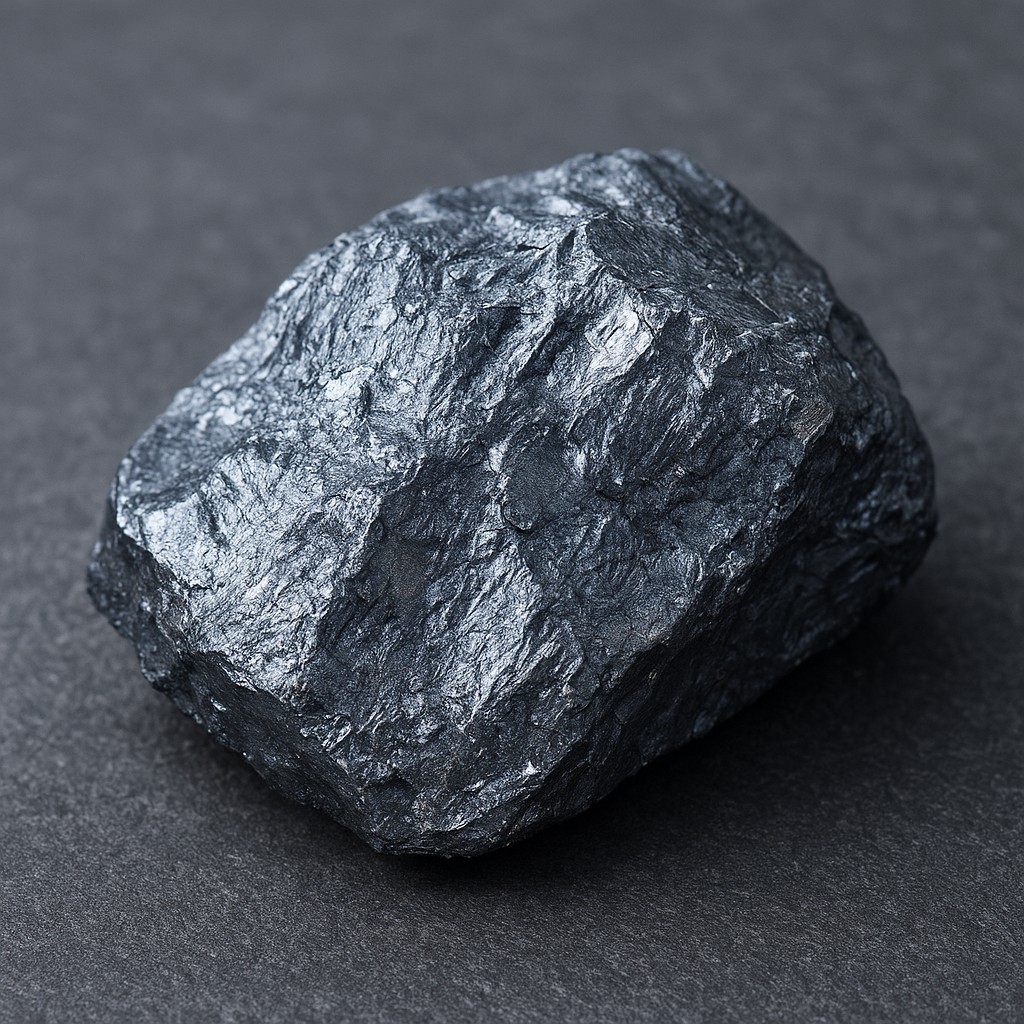
The element with the chemical symbol osmium occupies a peculiar place among the metals: extremely rare, astonishingly dense, and chemically distinctive. Found in trace amounts across a handful of geologic settings, osmium and its compounds have intrigued chemists, geologists and technologists for over two centuries. This article explores where osmium appears in nature, how it is extracted and processed, the variety of its real-world uses, and several surprising scientific and historical facts connected to this small but remarkable member of the platinum-group metals.
Where Osmium Occurs
Osmium is one of the scarcest elements in the Earth’s crust and is typically encountered not as a pure metal but as part of complex mineral assemblages or as natural alloys. It most commonly occurs together with other platinum-group elements (PGEs) such as platinum, iridium, palladium, rhodium and ruthenium. The metal tends to concentrate in mafic and ultramafic igneous rocks and in placer deposits formed by the weathering and mechanical sorting of heavy mineral grains.
Primary geological sources
- Magmatic sulfide deposits associated with nickel–copper–PGE mineralization, for example the large deposits in the Bushveld Complex (South Africa), Norilsk-Talnakh (Russia) and the Sudbury Basin (Canada).
- Chromitite layers and ultramafic intrusions, where dense PGE-bearing minerals can become trapped in layered igneous bodies.
- Alluvial and placer deposits where dense PGE grains are concentrated by flowing water; early discoveries of platinum-group metals often came from river gravels.
Locations and mining
Modern production of osmium is not from dedicated osmium mines but as a by-product of nickel and copper refining, or from PGE processing streams. The principal geographic sources include South Africa, Russia, Canada and Zimbabwe, with smaller contributions from the United States and other countries that process sulfide ores. Because osmium is produced alongside other PGEs, its supply closely follows the market economics and processing volumes of nickel, copper and platinum metals.
Extraction and Refining
Osmium rarely occurs in quantities large enough for direct mining. Refining begins when concentrates from PGE-bearing ores are treated chemically to separate individual elements. Osmium can be isolated by dissolving other metals and collecting residues rich in ruthenium, rhodium, iridium and osmium. A key challenge is that osmium forms a highly volatile and reactive oxide, osmium tetroxide, during oxidative treatments, so refining procedures must control oxygen exposure and temperature carefully.
Historical recovery methods
- Early collectors separated heavy residues (sometimes called osmiridium) containing osmium and iridium by hand from placer concentrates.
- Chemical methods developed later used selective dissolution and precipitation to concentrate individual PGEs.
- Modern hydrometallurgical and pyrometallurgical techniques, followed by chromatographic or solvent extraction steps, yield high-purity osmium metal or salts.
Physical and Chemical Properties
Osmium is remarkable for its physical extremes. It is a hard, brittle, bluish-white transition metal with one of the highest measured density values of any natural element. Its atoms pack tightly in a crystalline lattice, giving it exceptional mass per unit volume. At the same time, osmium exhibits complex chemistry: it shows multiple oxidation states, the most notable being +8 in its volatile oxide, and forms a variety of coordination compounds used in both industrial and research contexts.
Key numerical properties
- Atomic number: 76
- Atomic weight (standard): approximately 190.23
- Density: about 22.59 g/cm³ (making it slightly denser than iridium under standard conditions)
- Melting point: roughly 3,033 °C
- Boiling point: very high, over 5,000 °C (exact figures are subject to experimental variation)
Chemical behavior
Among the most chemically significant species is osmium tetroxide (OsO4), where osmium attains its highest common oxidation state of +8. OsO4 is a powerful oxidizing agent that reacts with many organic substrates; it is also notably volatile and toxic, properties that shape how chemists and industrial operators handle osmium compounds. In contrast, the elemental metal is fairly inert and corrosion-resistant under many conditions, which is why small amounts of osmium in alloys can significantly improve wear resistance.
Alloys and Material Uses
Osmium rarely appears in pure form in practical engineering applications; instead, it is used in alloys or as a surface coating. Historical uses exploited the metal’s hardness and wear resistance. For example, osmium-rich alloys such as osmiridium (an alloy of osmium and iridium) were used for fountain pen nib tips, phonograph needles and electrical contacts—places where mechanical abrasion and long-term stability mattered.
Contemporary material applications
- High-wear contacts and tips: small amounts of osmium in hard alloys provide longevity where friction and abrasion are concerns.
- Microelectromechanical systems (MEMS) and microcontacts: osmium’s mechanical stability can be advantageous at small scales.
- Specialized chemical equipment: components requiring resistance to chemical attack and physical wear may incorporate PGE alloys.
Catalysis and Chemical Roles
Although osmium is not as widely used in catalysis as platinum, palladium or rhodium, its compounds and complexes are important in certain chemical reactions. Osmium-based catalysts are prized in specific transformations where their unique electronic structure offers selectivity not easily matched by other metals.
Notable catalytic uses
- Osmium tetroxide is a classical reagent for the dihydroxylation of alkenes in organic synthesis, converting carbon–carbon double bonds into vicinal diols with high selectivity.
- Certain osmium complexes are used in homogeneous catalysis for hydrogenation, transfer hydrogenation and other oxidation–reduction transformations.
- Research applications exploit osmium’s variable oxidation states and robust coordination chemistry to design catalysts for difficult reactions.
Biological and Microscopy Applications
One of the most famous roles of osmium in modern science is in biological electron microscopy. Osmium tetroxide is a standard staining agent because it reacts preferentially with unsaturated lipids and proteins, providing contrast for transmission electron microscopy. Small amounts of osmium compounds help reveal membrane structures and organelles at nanometer resolution, making OsO4 indispensable in cell biology and materials science imaging.
Handling and safety in laboratories
Because osmium tetroxide is toxic and volatile, laboratory use requires strict controls: working in fume hoods, using appropriate personal protective equipment, and minimizing quantities. In many settings, osmium reagents are handled as low-concentration solutions and stored with reducing agents that convert residual oxide back to less hazardous forms before disposal.
Isotopes and Geological Applications
Studies of osmium isotopes provide powerful tools for geologists. The decay of rhenium-187 to osmium-187 is the basis for the Re–Os radiometric dating system, employed to date ancient igneous rocks and meteorites with high precision. Variations in osmium isotope ratios in sediments can record inputs of extraterrestrial material or changes in mantle-crust dynamics over geologic time.
Why isotopes matter
The ratio of 187Os/188Os in marine sediments is used to infer past events such as large igneous province eruptions, asteroid impacts, or periods of heightened erosion. For example, anomalies in osmium isotope signatures across certain stratigraphic boundaries have been associated with mass extinction events, highlighting how trace amounts of this element can tell profound stories about Earth’s history.
Economic and Strategic Considerations
Osmium’s rarity and specialized uses give it a niche economic profile. It does not command the same market size as gold or platinum, but it is essential for certain industrial processes, scientific research and specialized manufacturing. Because osmium is produced as a by-product of other metal processing, its supply is sensitive to changes in nickel, copper and platinum production. Recycling and recovery from PGE-bearing secondary materials are important elements of modern supply chains.
Market and sources
- Major producers: South Africa, Russia, Canada, Zimbabwe and smaller operations in other countries.
- Supply characteristics: osmium supply is tied to PGE and base-metal refining; strategic reserves are uncommon because volumes are small.
- Recycling: recovery from spent catalysts, electronic waste and PGE-bearing industrial residues helps supplement primary supply.
Health, Environmental and Regulatory Issues
Elemental osmium is relatively inert, but when oxidized to osmium tetroxide it becomes hazardous. OsO4 is not only highly toxic but also able to penetrate tissues and cause severe damage to the eyes and respiratory system. For this reason, industrial users and research laboratories handle osmium compounds under strict protocols. Environmental releases of osmium are rare, but the potential persistence and toxicity of oxidized osmium species make monitoring and careful waste management essential.
Regulatory landscape
Health and safety regulators in many countries classify osmium tetroxide as a hazardous substance with exposure limits, and require reporting and controls for workplaces where it is used. Transport and disposal of osmium compounds must comply with chemical safety regulations that govern oxidizers and toxic substances.
Interesting Scientific and Historical Facts
Osmium carries several fascinating anecdotes and scientific tidbits:
- The name osmium derives from the Greek osme, meaning “smell,” a reference to the pungent odor of its volatile oxide, OsO4, observed by early chemists.
- Along with iridium, osmium is among the densest naturally occurring elements; minute differences in measured density have prompted careful experimental studies to rank them.
- Osmiridium, a natural alloy of osmium and iridium, was historically significant in early PGE discoveries and in artisan uses, from pen nibs to instrument bearings.
- Isotopic anomalies in osmium recorded in sediments have helped researchers link extreme environmental events to extraterrestrial impacts or massive volcanic outpourings.
- Because of its small but critical role in certain catalysts and scientific reagents, a few grams of osmium can be worth as much as or more than many bulk metals on a per-mass basis.
Challenges and Future Directions
Several factors will shape the future roles of osmium:
- Advances in catalysis and materials science may open new high-value applications for osmium compounds and alloys, particularly where unique reactivity or extreme durability is required.
- Improved recycling technologies and recovery from secondary streams could stabilize supply chains and reduce dependence on primary mining.
- Ongoing concerns about OsO4 toxicity and environmental behavior will continue to drive safer handling protocols and the search for lower-toxicity alternatives in laboratory and industrial contexts.
- Geochemical studies of isotopes and trace osmium distributions will refine our understanding of Earth’s deep processes and the history recorded in ancient sediments.
Practical Tips for Working with Osmium
For researchers and engineers who need to work with osmium or its compounds, a few practical guidelines are important:
- Minimize quantities: because OsO4 is hazardous, use the smallest effective amounts and prefer stabilized solutions where possible.
- Use proper fume containment and PPE: gloves, eye protection and certified respirators when required.
- Neutralize residues: convert residual osmium tetroxide to less volatile, less toxic forms before disposal, following institutional and regulatory waste procedures.
- Source responsibly: obtain osmium from reputable suppliers who can document material origin and purity, and who comply with transport and hazardous material rules.
Final Notes on an Uncommon Metal
Osmium sits at an intersection of rarity, extreme physical properties and specialized chemical behavior. From the deep geology that concentrates minute grains of the metal to the microscopes that rely on its oxides to visualize cellular membranes, osmium plays outsized roles despite its small global tonnage. Whether considered as part of durable alloy compositions, as a niche catalyst, or as a tracer in geological timekeeping, osmium continues to provoke curiosity and demand careful respect for its potent chemistry.