Onyx is a storied and visually striking stone that has played diverse roles across geology, art, and industry. Its layered appearance, often featuring contrasting stripes, makes it an attractive choice for decorative and functional uses. This article explores the nature of onyx, where it is found, how it is used, and a variety of fascinating details about its history, varieties, and care.
What Onyx Is: Mineralogy and Varieties
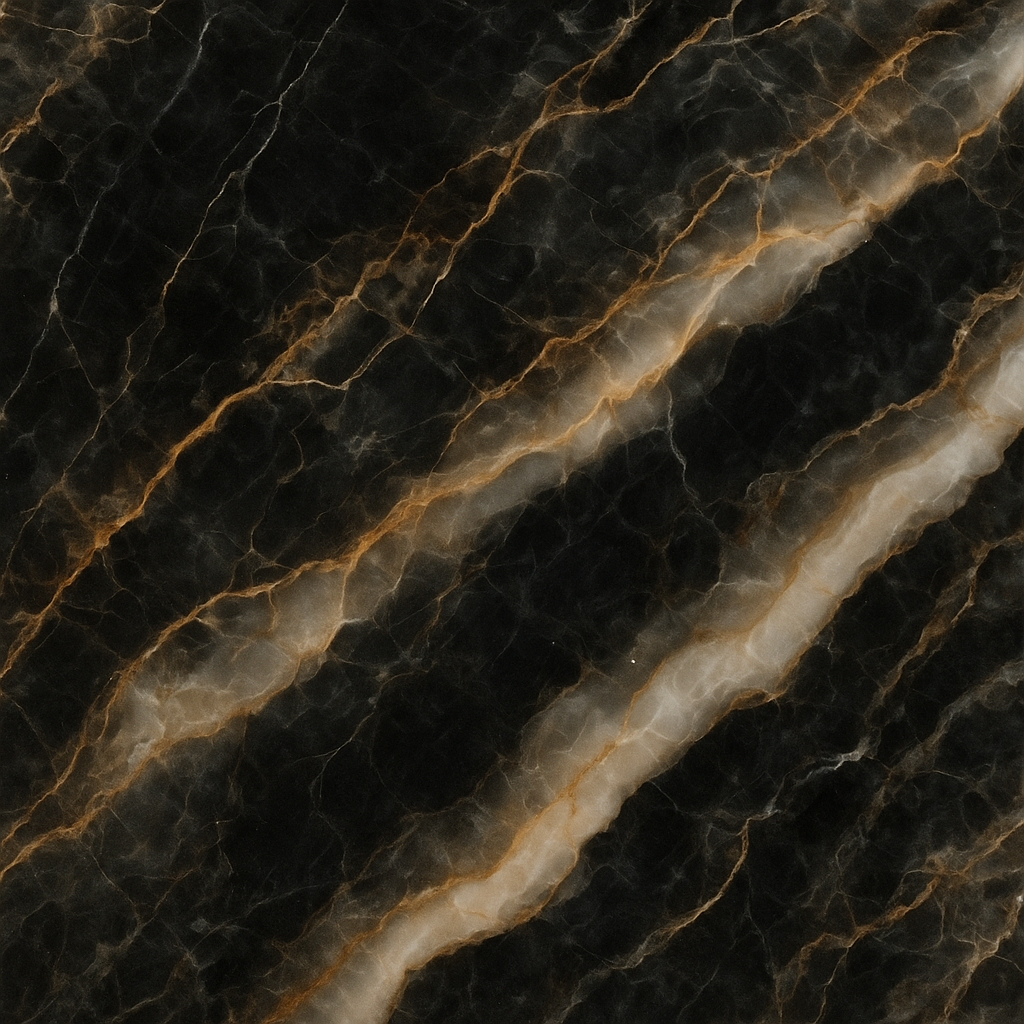
At its core, onyx refers to a variety of chalcedony, a microcrystalline form of quartz composed of densely intergrown silica. The most characteristic feature of onyx is its distinct, parallel banding, which sets it apart from other chalcedonies such as agate (whose bands are usually curved). Bands in onyx appear as alternating layers of different colors—commonly black and white, but also brown, red, or green in some specimens.
It is important to recognize that the name onyx is used in two different contexts:
- Banded chalcedony onyx — a silica-based stone (the classic gemstone onyx) with parallel bands, commonly used in jewelry and small carvings.
- Onyx marble (also called calcite onyx or travertine onyx) — a distinctly different material made of banded calcite or aragonite, often softer and used in architectural applications like countertops and backlit panels. Despite the name, it is not a true onyx (silicate) mineral.
One notable variety is sardonyx, where reddish-brown and white bands combine. Historically, sardonyx was prized for carved cameos and intaglios because the colored layers allowed artists to produce contrasting relief images without painting.
Geographic Occurrence and Major Sources
Onyx deposits form where silica-rich fluids fill cavities and fractures in host rocks, depositing thin layers over time. The formation is commonly associated with volcanic and metamorphic environments. Key occurrences of natural banded chalcedony onyx include:
- Brazil — a major modern source for various chalcedony gemstones.
- India — known for high-quality onyx and sardonyx, often used in traditional bead and cameo work.
- Uruguay and Madagascar — producers of chalcedony with attractive banding and colors.
- United States — localities such as Arizona and California supply chalcedony and ornamental stones.
- Pakistan and Mexico — important sources for calcite onyx (often sold as “Mexican onyx” or “onyx marble”).
Historically, the Mediterranean region and the Near East were important suppliers for the ancient world. Roman and Hellenistic artists and lapidaries worked Mediterranean onyx and sardonyx to produce beautifully carved gems and vessels.
Physical Properties and Identification
Understanding physical properties helps differentiate true chalcedony onyx from look-alikes and treated materials:
- Hardness: Chalcedony onyx typically rates around 6.5–7 on the Mohs scale, making it reasonably durable for jewelry. Calcite onyx (onyx marble) is much softer at about 3.
- Specific gravity: Chalcedony onyx averages about 2.58–2.64; calcite onyx is closer to 2.7.
- Appearance: Parallel, straight bands are characteristic of true onyx. Curved or concentric bands suggest agate rather than onyx.
- Reactivity: Calcite-based onyx will effervesce slightly with weak acids (like dilute vinegar), whereas silicate onyx will not.
Other identification features include the stone’s luster (waxy to vitreous for chalcedony), translucency in thin slices, and common treatments: many onyx stones are heat-treated or dyed to intensify or modify color. Synthetic and imitation onyx products—resin, glass, or reconstituted stone—are also common in the market.
Historical and Cultural Significance
Onyx has a long cultural pedigree. In ancient Mesopotamia, Egypt, Greece, and Rome, it was used for seals, amulets, and engraved gems. The ability to carve fine reliefs in multi-layered sardonyx made it especially prized for cameo work, a technique that reached high artistry in Greco-Roman and later European traditions.
The Romans favored onyx for signet rings and intaglios—small carved seals used to impress images into wax. In the Renaissance and later, onyx and sardonyx were used for aristocratic jewelry and portraiture. In the Victorian era, black onyx became associated with mourning jewelry; it was commonly set in lockets and brooches as a sign of bereavement and remembrance.
Beyond decorative uses, onyx figures prominently in folklore and metaphysical traditions. Many cultures ascribe protective and grounding qualities to the stone. While these beliefs are not scientifically substantiated, they contribute to onyx’s ongoing popularity in spiritual and healing communities.
Applications: Jewelry, Architecture, and Decorative Art
Onyx spans a broad range of practical and aesthetic uses.
Jewelry and Small Carvings
Because of its banded appearance and workable hardness, onyx is commonly used in rings, pendants, beads, and brooches. Silver and gold settings complement darker bands, while sardonyx is prized for cameo reliefs where pale layers are carved away to reveal darker backgrounds or vice versa. Black onyx cabochons are classic choices for men’s signet rings and cufflinks.
Architecture and Interior Design
Calcite onyx (onyx marble) is particularly valued in architecture for its translucency. Thin slabs backlit with LED lighting create dramatic, luminous wall panels, reception desks, and countertops. The appeal lies in the stone’s natural patterns and its ability to glow when light passes through, imparting a luxurious atmosphere.
Because calcite onyx is softer and more porous than true chalcedony, it requires sealing and careful maintenance. It is often used in low-traffic decorative installations where visual impact outweighs wear concerns.
Object Art, Mosaics, and Inlay
Onyx has been used for small vessels, smoking paraphernalia, chess pieces, and intricate inlays in furniture. Historic examples include gemstone mosaics and ornamental panels in palaces and churches, where artisans combined onyx with other stones for contrast and brilliance.
Treatment, Imitation, and Market Considerations
Because demand for attractive banded stones is high, various treatments and imitations are present in the marketplace:
- Dyeing: Many low-quality chalcedony pieces are dyed black or other colors to improve uniformity and appeal.
- Heat treatment: Can deepen or change colors without adding pigment.
- Stabilization and resin impregnation: Improves durability and polish, especially for porous calcite onyx.
- Imitations: Engineered stones, glass, and resin products mimic onyx at lower cost. Reconstituted stone—powdered stone mixed with binders—is also common.
Buyers should request information about treatments and origin, and obtain documentation for high-value pieces. Simple tests—such as observing banding under magnification, checking for inconsistent dye concentrations around drill holes, or performing a mild acid test on a hidden area of calcite onyx—can help identify material type, but professional gemological assessment is recommended for valuable purchases.
Care and Maintenance
Maintenance guidelines vary by onyx type:
- Silicate (chalcedony) onyx: Its relative hardness makes it suitable for everyday jewelry, but avoid harsh chemicals, ultrasonic cleaners, and extreme temperature changes. Clean with mild soap, warm water, and a soft cloth.
- Calcite onyx: Softer and more fragile; avoid acids, abrasive cleaners, and heavy impact. Use stone-safe sealers for countertops and polished surfaces. For backlit panels, ensure lighting does not generate excessive heat.
- Dyed or treated stones: Avoid prolonged exposure to sunlight and heat, which can fade dyes. Be cautious with steam or ultrasonic cleaners, which may remove stabilizing resins or dyes.
Handling antique onyx carvings requires special care to preserve surface patina and fine details. Professional conservation is recommended for museum-quality items.
Economic and Environmental Aspects
The onyx supply chain ranges from artisanal miners to large-scale quarries. Environmental and social concerns include land disturbance, water use in cutting and polishing operations, and labor conditions in some regions. Consumers seeking ethical sourcing can look for vendors that provide transparency about quarrying practices, use reclaimed or salvaged stone, or opt for laboratory-grown alternatives when available.
In architecture, sustainable design choices include using thinner onyx panels mounted on composite backings to reduce quarrying volume, or recycling reclaimed onyx from demolition and renovation projects.
Interesting and Lesser-Known Facts
- Cameo art: The layering of sardonyx naturally lends itself to cameos—a single stone can provide both background and relief color, eliminating the need for painting.
- Mourning jewelry: In 19th-century Europe, black onyx was widely used in elaborate mourning pieces that followed social conventions of remembrance.
- Architectural drama: Backlit onyx installations in luxury hotels and high-end residences are prized for their dramatic, translucent glow.
- Confusion in terminology: The trade sometimes blurs “onyx” with similarly patterned stones (e.g., banded calcite or travertine), so buyer vigilance is essential.
- Artisanal carving: In regions such as India and Italy, traditional lapidary skills are still practiced to produce cameos, beads, and ornamental objects from onyx.
Practical Tips for Buyers
- Ask for the material type (chalcedony vs. calcite) and any treatments used.
- Request provenance and, for high-value pieces, laboratory reports or certificates.
- Inspect banding orientation: for cabochons meant to show stripes, select pieces where bands run parallel to the stone’s longest axis for best visual effect.
- For architectural uses, verify thickness, backing methods, and lighting requirements if backlighting is planned.
- Compare the stone against reputable examples to spot over-dyed or synthetic look-alikes.
Final Thoughts on Onyx as a Material and Motif
Onyx occupies a unique place as both a durable gemstone and a soft, luminous architectural material. Its interplay of light and shadow, created by banding and color contrasts, has inspired artisans for millennia. Whether fashioned into a small cameo, set as a dramatic piece of jewelry, or lit from behind to form a glowing interior wall, onyx continues to fascinate with its natural geometry and historical resonance. Careful selection and respectful treatment of onyx—both the chalcedony gemstone and the calcite varieties—ensure that its aesthetic and cultural value endures through generations.