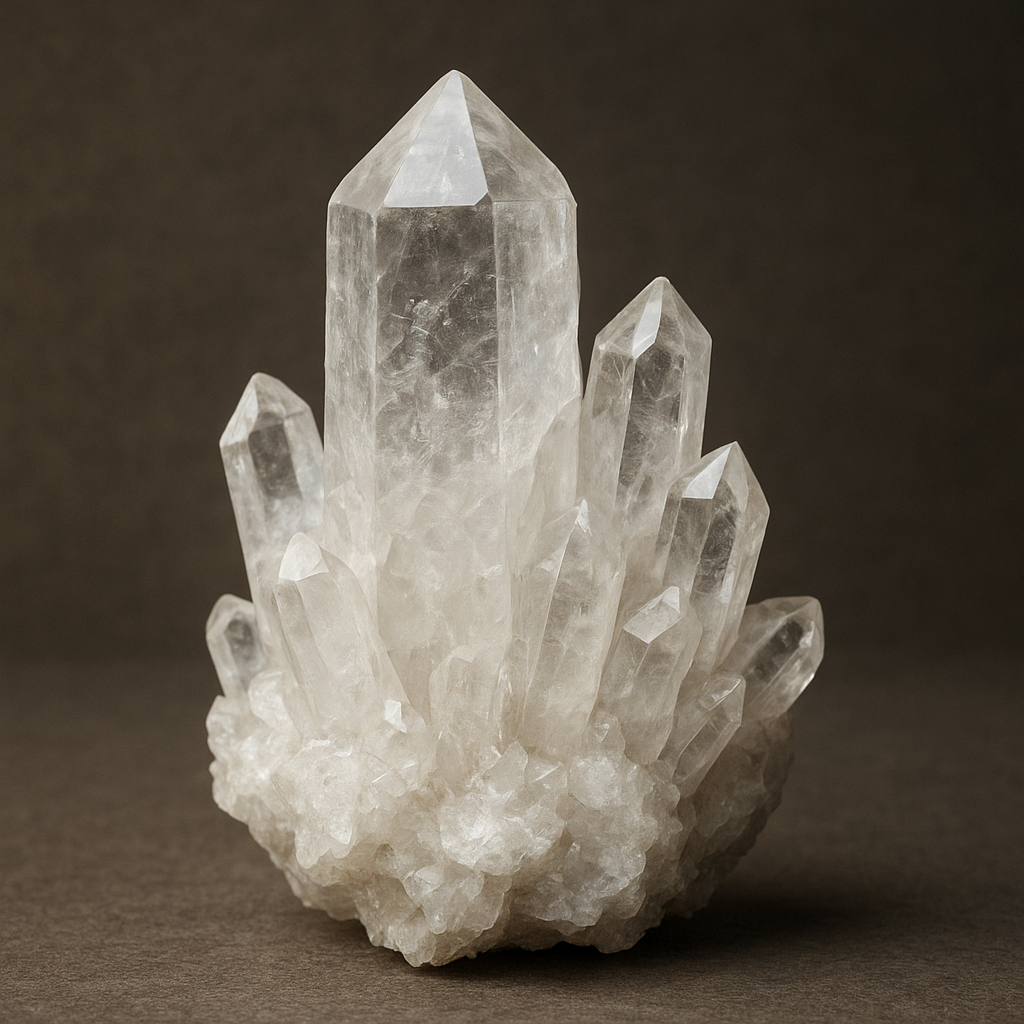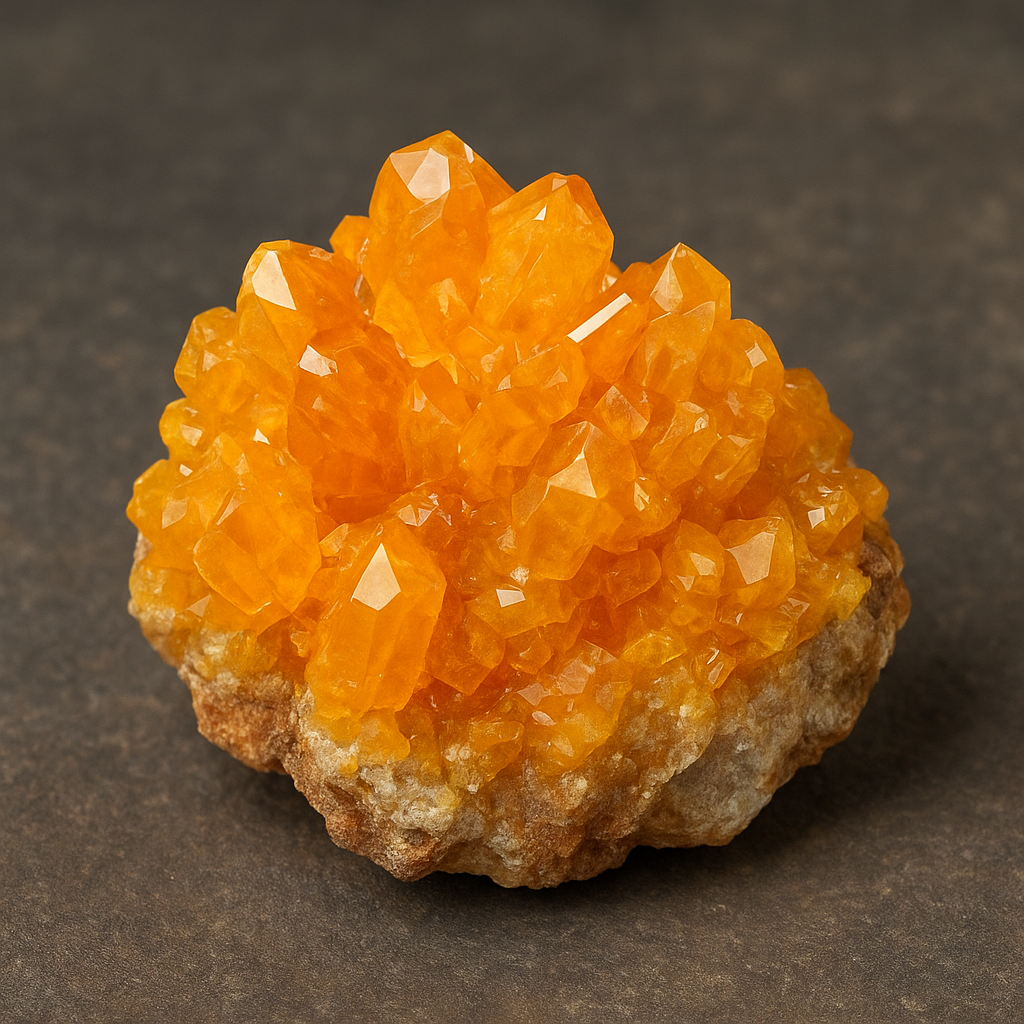
Marialite is a fascinating member of the scapolite group of minerals, known for its chemical variability, attractive crystal habits and occasional use as a gemstone. As the sodium-rich, chloride-dominant endmember of the scapolite solid-solution series, marialite often provides mineralogists and gemologists with clues about the fluids and conditions present during rock formation. The mineral appears in a variety of geological settings, from contact-metamorphosed limestones to skarns and hydrothermal veins, and its composition preserves a record of the chemical environment that produced it. In the following sections you will find detailed information about its identity, occurrences, applications and some lesser-known but intriguing aspects of its behavior and study.
What marialite is: identity, chemistry and physical properties
Marialite belongs to the broader group known as scapolite, which is a solid-solution series between two endmembers: the sodium-rich, chloride-bearing marialite, and the calcium-rich meionite, which typically contains carbonate. The general formula for scapolite-group minerals can be written in a simplified form as (Na,Ca)4Al3–6Si9–6O24(Cl,CO3,SO4), reflecting the interchangeable roles of sodium and calcium and the anions that balance charge. Marialite is the compositionally sodium-dominant, chlorine-rich endmember and is often represented approximately as Na4Al3Si9O24Cl, though natural samples almost always contain significant substitution and trace elements.
Key physical and optical properties of marialite include a tetragonal crystal system, typically forming prismatic to columnar crystals and sometimes granular aggregates. Colors range from colorless and white to pale yellow, pink, violet, and brown, depending on trace elements and inclusions. The mineral commonly has a vitreous to resinous luster and a specific gravity in the neighborhood of 2.5–2.7 (values vary with composition). On the Mohs scale marialite is moderately hard, roughly around 5.5–6.5, making it less durable than many traditional gem minerals but suitable for some jewelry uses with care.
Optically, marialite is typically uniaxial negative or weakly uniaxial, with refractive indices that vary by composition; approximate refractive indices often reported for scapolites fall in the range of 1.54–1.58. Some gem-quality specimens show strong pleochroism—different colors when viewed from different directions—while most display modest birefringence. Cleavage is usually present and can be distinct to good in certain directions, so cutting and setting specimens for jewelry must take that into account.
Geological settings and how marialite forms
The formation of marialite is closely tied to metasomatic processes and to chemical exchange between rocks and externally derived fluids. One of the most common contexts for scapolite-group minerals is in metamorphosed carbonate rocks—impure limestones and marbles—that have been invaded by silica- and halogen-bearing fluids during contact or regional metamorphism.
Metasomatism and contact metamorphism
In many skarns and contact aureoles, plagioclase or other aluminosilicate phases react with chloride-bearing fluids to produce scapolite; when the fluids are sodium-dominant and rich in chlorine, the resulting scapolite tends towards the marialite composition. This process is a classic example of metamorphism with chemical exchange (metasomatism): mobile components are introduced into a rock by a fluid phase, driving mineralogical changes without necessarily raising temperature to the point of melting.
Skarns, pegmatites and hydrothermal veins
Marialite is frequently found in skarn deposits, where igneous intrusions contact carbonate rocks and generate calc-silicate assemblages. In these environments it may be intimately associated with minerals such as garnet, diopside, wollastonite, and various sulfides. Less commonly, scapolite can be found in association with heavy feldspars in pegmatitic contexts or in hydrothermal veins where chlorine-rich fluids precipitate sodium-bearing phases.
- Common associated minerals: garnet, diopside, wollastonite, calcite, tremolite/actinolite, and various feldspars.
- Typical geological processes: metamorphic recrystallization, metasomatic replacement of plagioclase, and fluid-driven mineral replacement in skarns and contact zones.
Notable localities and collecting tips
Marialite and scapolite-group minerals have been reported from a variety of localities worldwide. Some places are celebrated for gem-quality material, others for well-formed crystals suitable for collectors or scientific study.
- Pakistan and Afghanistan: Known for gemmy, often attractive-colored scapolites from high-grade metamorphic terranes in the Himalaya and Karakoram ranges.
- Canada: Certain localities in Ontario and Quebec produce scapolite crystals of interest to collectors and researchers.
- Norway and Italy: Alpine metamorphic terrains yield scapolite in classic metamorphic assemblages.
- Tanzania and Madagascar: Sources of translucent to transparent gem-quality specimens that enter the gem market.
- Other occurrences include Russia, the United States (notably California and New England), Mexico and Greenland.
When collecting marialite, specimens with sharp crystal faces or transparent, inclusion-poor material are highly prized. Because the mineral commonly forms in marbles and skarns, it may be associated with large garnet or pyroxene crystals, producing dramatic hand specimens. Collectors should note that cleavage and brittleness can make marialite susceptible to damage when hammering or chiseling; careful extraction and transport are advisable.
Uses, gemological aspects and care
Although marialite is primarily a mineralogical and petrological interest, some high-quality, transparent pieces are faceted and sold as gemstones. In a gemological context, scapolites (including marialite-rich varieties) are interesting due to their color range and optical effects.
Gemstone qualities
Gem-quality marialite can exhibit attractive colors—golden yellow, orange, violet or blue—and occasionally shows strong pleochroism. When cut and polished, well-formed faceted stones can be quite striking. However, because of the moderate hardness and the presence of cleavage, scapolite gems require protective settings and are better suited to earrings or pendants than to rings that receive heavy wear. Because many scapolites are relatively inexpensive compared to traditional gemstones, they offer an affordable option for collectors and designers seeking unusual colors.
Care and treatment
- Mechanical care: Avoid hard knocks and sudden temperature changes; cleavage planes can cause brittle failure.
- Chemical sensitivity: Most natural scapolites are stable, but prolonged exposure to strong acids or prolonged chemical cleaning should be avoided.
- Treatments: Some stones are heat-treated to enhance color; disclosure is standard practice in reputable trade.
Scientific importance: what marialite tells geologists
Marialite is far more than a pretty mineral: its composition and zoning can preserve records of the hydrothermal fluids and metamorphic environments that formed it. Because the anion ratio (Cl vs CO3) and the Na:Ca ratio are sensitive to the chemistry of the fluids, marialite-meionite compositions are used as indicators of the salinity and composition of metamorphic fluids.
Several important applications in geoscience include:
- Fluid characterization: The Cl/CO3 ratio in scapolite can indicate whether fluids were saline (chloride-rich) or carbonic (carbonate-rich).
- Metamorphic pathways: Zoning within scapolite crystals preserves sequential changes in fluid composition during metamorphism or metasomatism.
- Thermobarometry: Under controlled conditions, chemical equilibria involving scapolite can be used to constrain temperatures and pressures of formation.
- Inclusion studies: Fluid inclusions trapped in marialite crystals provide direct samples of ancient fluids, including their volatile contents.
Such applications make marialite valuable to researchers reconstructing the evolution of ore-forming systems, contact aureoles, and regional metamorphic belts. Its sensitivity to fluid composition is especially useful in skarn studies where metal mobilization and deposition are key economic and geological problems.
Interesting aspects, rarities and cultural notes
Beyond its scientific uses, marialite and other scapolites have a number of curious or lesser-known characteristics:
- Solid-solution complexity: The continuous solid solution between marialite and meionite creates a broad range of compositions and physical behaviors, producing varied optical and density properties even within single specimens.
- Zoning and growth patterns: Scapolite crystals often display concentric or sector zoning that reveals fluctuating fluid chemistries during crystal growth—features that are not only beautiful but scientifically informative.
- Collectible aesthetics: Some marialite-bearing specimens show unusual combinations—such as transparent scapolite crystals perched on garnet matrices—that make them valuable to museums and private collectors.
- Analytical challenges: Because marialite compositions can be altered by weathering (loss of halogens, gain of carbonate), careful analytical protocols are required to interpret primary formation conditions correctly.
Under ultraviolet light some scapolite varieties may show fluorescence, and certain claims around color change or chatoyancy exist for specific localities, though these properties are not widespread or diagnostic for marialite as a group. As with many minerals, the stories of notable specimens—beautifully faceted gems, museum-grade crystals, or specimens that helped to resolve a geologic question—add human interest to the mineral’s scientific value.
Practical considerations for researchers and enthusiasts
Working with marialite requires attention to both its scientific potential and its physical limitations. For researchers, high-quality compositional analyses (electron microprobe, LA-ICP-MS) combined with microstructural and fluid-inclusion studies produce the most compelling results. For lapidaries and jewelers, awareness of cleavage, thermal sensitivity and potential inclusions is essential for achieving durable cut stones.
For collectors, a thoughtful approach to acquisition includes checking provenance, condition (no cleavage breaks), and, if purchased as gem material, disclosure of treatments. Museums and academic institutions often prefer specimens with well-documented locality and geological context because marialite’s value as a research material depends heavily on that contextual information.
Final note: Marialite occupies a unique place where mineral beauty, gem utility and geological insight intersect. Whether appreciated as a faceted stone, a textbook example of metasomatic mineral formation, or a recorder of fluid chemistry in the Earth’s crust, marialite continues to reward close study and careful collecting.