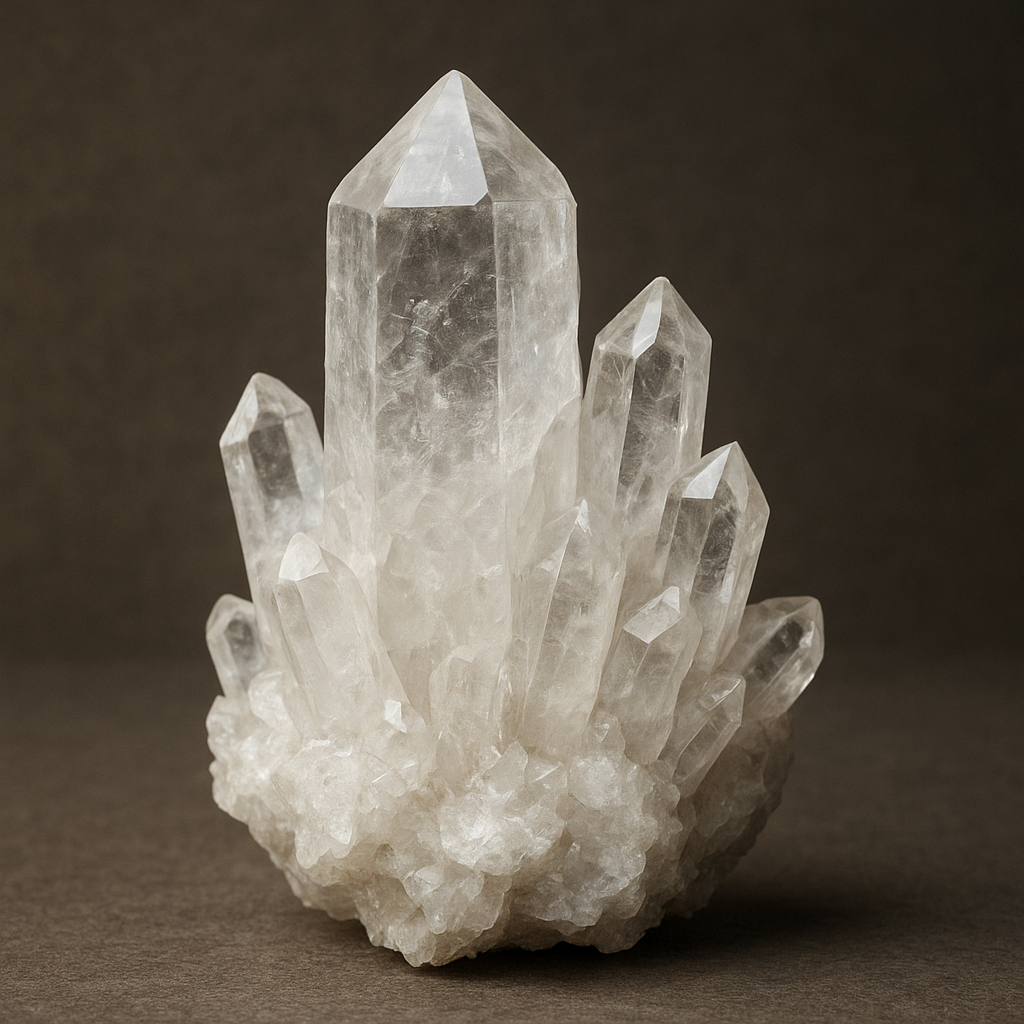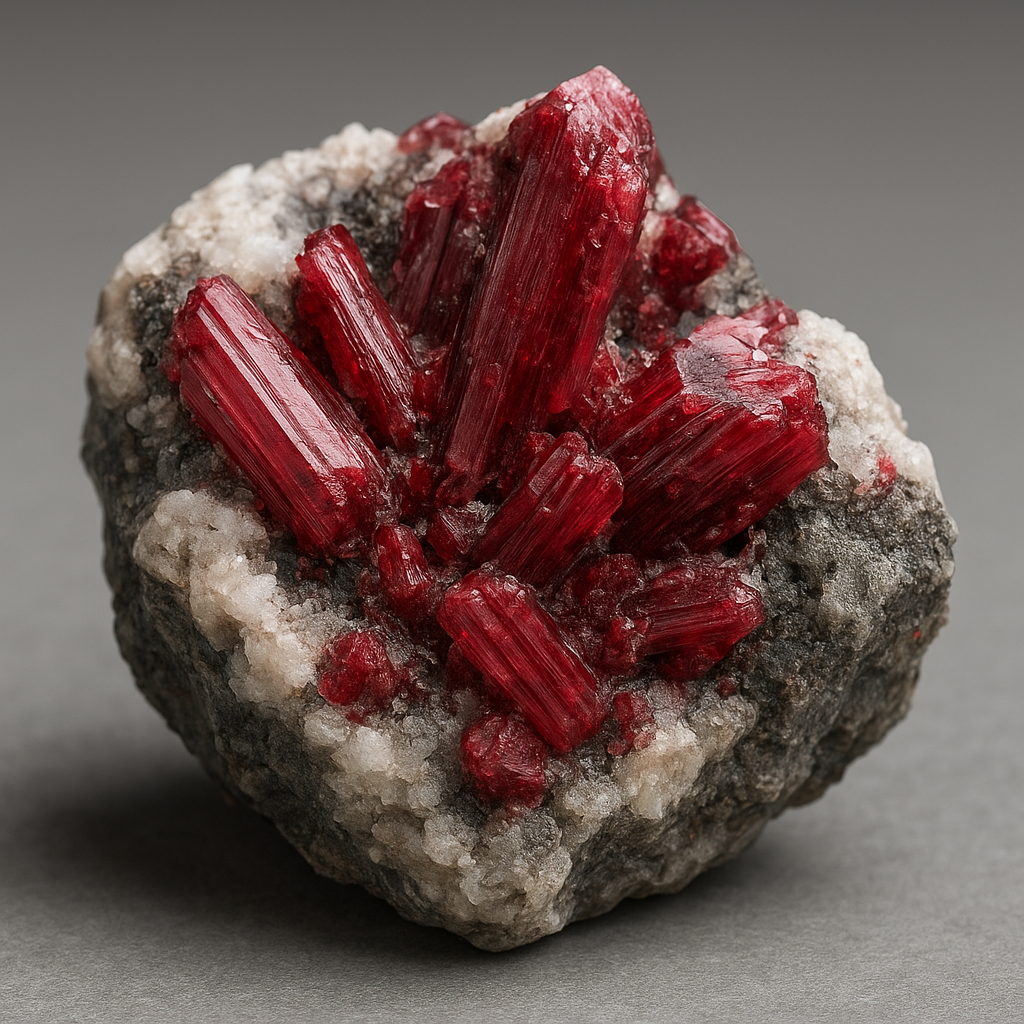
Lepidochrosite is a mineral name that often attracts curiosity because of its striking appearance and the confusion that sometimes surrounds its identity. Whether encountered by mineral collectors, geologists, or conservators of cultural heritage, it offers a fascinating window into the processes that form secondary iron minerals and the many ways such materials intersect with industry, science and art. This article explores the mineral’s defining features, where it forms, how it is used or studied, and several related topics that illuminate why lepidochrosite (and closely related iron oxyhydroxides) matter beyond simple aesthetic appeal.
Identification, Structure and Properties
At the heart of any discussion about lepidochrosite is the question of nomenclature and chemistry. The name is sometimes used as a variant or historical synonym of better-known iron oxyhydroxides; in practical mineralogy it is closely associated with the group of minerals having the general formula FeO(OH). These minerals form a family of hydrated iron oxides and oxyhydroxides that display a range of habits and colors but share a common origin in the oxidation and weathering of iron-rich materials.
Physically, specimens referred to as lepidochrosite are typically recognizable by their reddish-brown to orange tones and by delicate, scaly or acicular crystal habits. The term itself hints at this morphology: from Greek roots meaning “scale” and “color,” the name evokes thin, plate-like crystals with an attractive patina. In hand sample they can appear earthy or have a subtle iridescence when the scales overlap. On a microscopic scale, the crystals often show intricate layering and fine fibrous growths that catch light in distinctive ways.
Crystallographically these iron oxyhydroxides belong to polymorph families, meaning the same chemical composition can crystallize in different structural arrangements under differing conditions. That diversity explains why small changes in temperature, pH, or the presence of trace elements can yield visually and physically different specimens—some more compact and rust-like, others flaky or needle-like. The mineral’s mechanical behavior tends to be brittle, and it often has a low to moderate hardness, which makes it vulnerable to abrasion but relatively easy to prepare for display with appropriate care.
Chemically, iron oxyhydroxides are dynamic materials. They are involved in environmental redox processes and can act as sinks or sources for trace elements and contaminants. Lepidochrosite and its close relatives can incorporate other metal cations (such as manganese, arsenic or chromium) into their structures or on their surfaces, which influences color, stability and reactivity. For this reason, the mineral is of interest not only to collectors but also to soil scientists and environmental chemists studying pollutant sequestration.
Where Lepidochrosite Occurs
Lepidochrosite forms in a variety of oxidizing, near-surface environments where iron-bearing materials are exposed to water and oxygen. It is a secondary mineral, meaning it commonly appears as a product of weathering or as part of alteration zones in primary iron-rich deposits. Typical geological settings include weathered iron ores, lateritic (tropical) soils, bog iron deposits, the margins of hydrothermal veins and cavities in basalts or other mafic rocks, and as products of corrosion on iron artifacts.
Typical geological settings
- Weathering profiles of iron-rich bedrock or ore bodies where oxidation creates a suite of secondary minerals.
- Bog and marsh environments where iron-bearing groundwater precipitates oxyhydroxides as it encounters oxygen near the surface.
- Hydrothermal alteration zones where late-stage fluids oxidize and redeposit iron.
- Anthropogenic contexts such as corroded iron and steel where lepidochrosite can form as part of complex rust assemblages.
Because it is a product of common oxidative processes, lepidochrosite is found worldwide. Collecting locales noted for attractive iron oxyhydroxide specimens (often labelled variably in older collections) include parts of Europe, South America, North America, and Australia. Museum collections and mineral dealers often list specific localities such as mine oxidized zones in the Ural Mountains, various South American iron deposits, and historic mining districts in the United States and Europe. However, the exact naming conventions for specimens vary, and more than one local name may be applied to visually similar materials.
A particularly important context for lepidochrosite is archaeological and historical metalwork. On artifacts recovered from soils or marine environments, scales of iron oxyhydroxide form as corrosion products and can inform conservators about the burial environment, the corrosion stage, and the best methods for treatment and stabilization.
Uses and Applications
Although lepidochrosite is not a mainstream industrial mineral like hematite or magnetite, it plays several important roles across scientific, environmental and cultural domains. The mineral’s reactivity and high surface area in fine-grained forms make it relevant to topics such as adsorption of contaminants, catalysis research, corrosion science and materials development.
Environmental and remediation applications
Iron oxyhydroxides, including materials similar to lepidochrosite, are efficient at adsorbing oxyanions and trace metals from water. This property has made them useful in experimental remediation technologies where naturally occurring or synthetic FeOOH phases are applied to remove arsenic, lead, and other pollutants from groundwater. In such applications, the mineral’s surface chemistry is more important than its visual appearance: nanoscale and poorly crystalline forms often exhibit the highest reactivity. Research into nanoparticles and engineered iron oxyhydroxides continues to be active because of their potential for low-cost, passive water treatment.
Corrosion science and cultural heritage
In the conservation of metal objects, understanding the formation and properties of iron oxyhydroxides is critical. Lepidochrosite-like phases commonly appear in rust layers and can indicate specific corrosion pathways. Conservators study these minerals to design better stabilization strategies: certain iron oxyhydroxides can continue to hold moisture and chloride ions within rust layers, promoting ongoing decay if not treated. Thus, identifying the mineral assemblage helps determine whether mechanical removal, chemical stabilization, or electrochemical treatments are advisable.
Scientific research and materials science
Beyond environmental remediation, iron oxyhydroxides have been investigated as precursors for battery materials, catalysts and pigments. Their red-brown hues have pigments applications in historical contexts, and synthetic analogues are sometimes used as earth pigments. More cutting-edge research explores their phase transformations (for example, conversion to hematite or magnetite upon heating or reduction) as pathways to synthesize functional iron oxide materials for energy storage or catalytic uses. For these investigations, the mineral is not prized for gem quality but for its reactivity and transformability under controlled conditions.
Cultural, Historical and Scientific Significance
The presence of lepidochrosite-type materials at archaeological sites and on artifacts links mineralogy with human history. Corrosion products on weapons, tools and architectural iron elements tell stories about technology, burial environments and historical metallurgy. In some cases, the layered nature of rust and oxyhydroxide deposits provides a stratigraphic record that can be analyzed much like sediment layers to reconstruct events or environmental changes.
Historically, earth pigments derived from iron oxides and hydroxides have been used in artworks and ceramics. While lepidochrosite specifically may not be the primary pigment source, its family resemblance to other iron pigments places it within a broader narrative of how natural iron minerals colored human artifacts for millennia.
Scientifically, studying lepidochrosite contributes to our understanding of biogeochemical cycles. Iron oxyhydroxides are central players in the cycling of iron and other elements in soils, sediments and waters. Microbial processes often interact with these minerals—bacteria can catalyze the oxidation or reduction of iron, promote mineral precipitation, or use iron oxides as electron acceptors. Hence, lepidochrosite-like phases are relevant to geomicrobiology, paleoenvironments research and the search for biosignatures in ancient rocks.
Collecting, Identification and Care
For mineral collectors, lepidochrosite specimens are valued for texture and color rather than hardness or crystal size. Because specimens are often delicate and microcrystalline, handling and display require care. Below are practical guidelines for collectors and conservators.
- Identification: Visual inspection for scaly or acicular habits and reddish-brown tones is a starting point. Simple field tests (streak, reaction with dilute acid) must be used cautiously: many iron oxyhydroxides give similar results. Laboratory techniques—X-ray diffraction (XRD), Raman spectroscopy or scanning electron microscopy (SEM)—provide reliable identification and are recommended for important specimens.
- Handling: Avoid touching delicate surfaces and use soft brushes to remove loose dust. Because many specimens are porous and can adsorb contaminants, handle with clean gloves.
- Storage: Store in stable, low-humidity conditions to reduce further alteration. Some iron oxyhydroxides can change on long exposure to fluctuating humidity or heat, so a controlled cabinet is ideal for valuable pieces.
- Cleaning: Avoid harsh acids or prolonged soaking; mild, dry cleaning or controlled mechanical removal of matrix is safer. Conservators should test treatments on small areas and consider long-term effects.
- Documentation: Record locality, associated minerals, and any treatments performed. Because the name lepidochrosite is used variably, detailed documentation helps future researchers and curators determine the specimen’s precise nature and provenance.
Related Topics and Interesting Notes
A few additional topics often fascinate those who delve deeper into lepidochrosite and related minerals:
- Polymorphism and transformation: Iron oxyhydroxides readily transform to other iron oxides or hydroxides with changes in temperature, humidity or redox conditions. These transformations are of interest both for basic science and for materials synthesis.
- Trace element capture: Lepidochrosite-like phases can scavenge arsenic and other contaminants, making them natural immobilizers in soils and sediments. Studying these interactions informs environmental remediation strategies.
- Rust archaeology: Detailed mineralogic analysis of rust layers on archaeological iron can reveal the burial environment, including whether the object was in freshwater, marine or terrestrial conditions. That evidence complements historical and conservation studies.
- Synthetic analogues: Chemists synthesize FeOOH phases under controlled conditions for research and engineering applications. These synthetic materials mimic natural properties but can be tailored for specific functions in catalysis or adsorption.
- Public and aesthetic appeal: The subtle beauty of scaly, iridescent iron oxyhydroxides surprises many who expect only dull rust. Exhibits that juxtapose scientific explanation with aesthetic appreciation help bridge the gap between hobbyist collectors and researchers.
Practical Advice for Researchers and Enthusiasts
If you encounter material labelled as lepidochrosite, consider the context: is it from a weathering zone, an archaeological object, or a prepared synthetic sample? Collaborating with a mineralogist or sending small samples to an analytical laboratory can clarify whether the specimen is truly a distinct mineral form or part of a broader oxyhydroxide assemblage. For applied work—environmental remediation, corrosion assessment or materials development—focus on the material’s surface chemistry and reactivity rather than purely on aesthetic classification.
Finally, because iron oxyhydroxides are central to many natural and technological processes, learning about lepidochrosite opens doors to interdisciplinary research that spans geology, chemistry, environmental science and cultural heritage. Whether in the field, the lab or a museum cabinet, these minerals reward curiosity with insights into Earth processes and human interactions with materials through time.