Kurnakovite is a little-known but intriguing member of the borate mineral family. Although it is not a major industrial ore, it attracts attention from mineralogists, collectors and geochemists for what it reveals about evaporite environments, the chemistry of boron in nature, and the subtle variability of hydrated mineral structures. This article explores where kurnakovite is found, what makes it distinctive, how it connects to broader industrial and scientific applications of borates, and several related and surprising topics that illuminate why even minor minerals can be valuable windows into Earth processes.
Nature, composition and identification
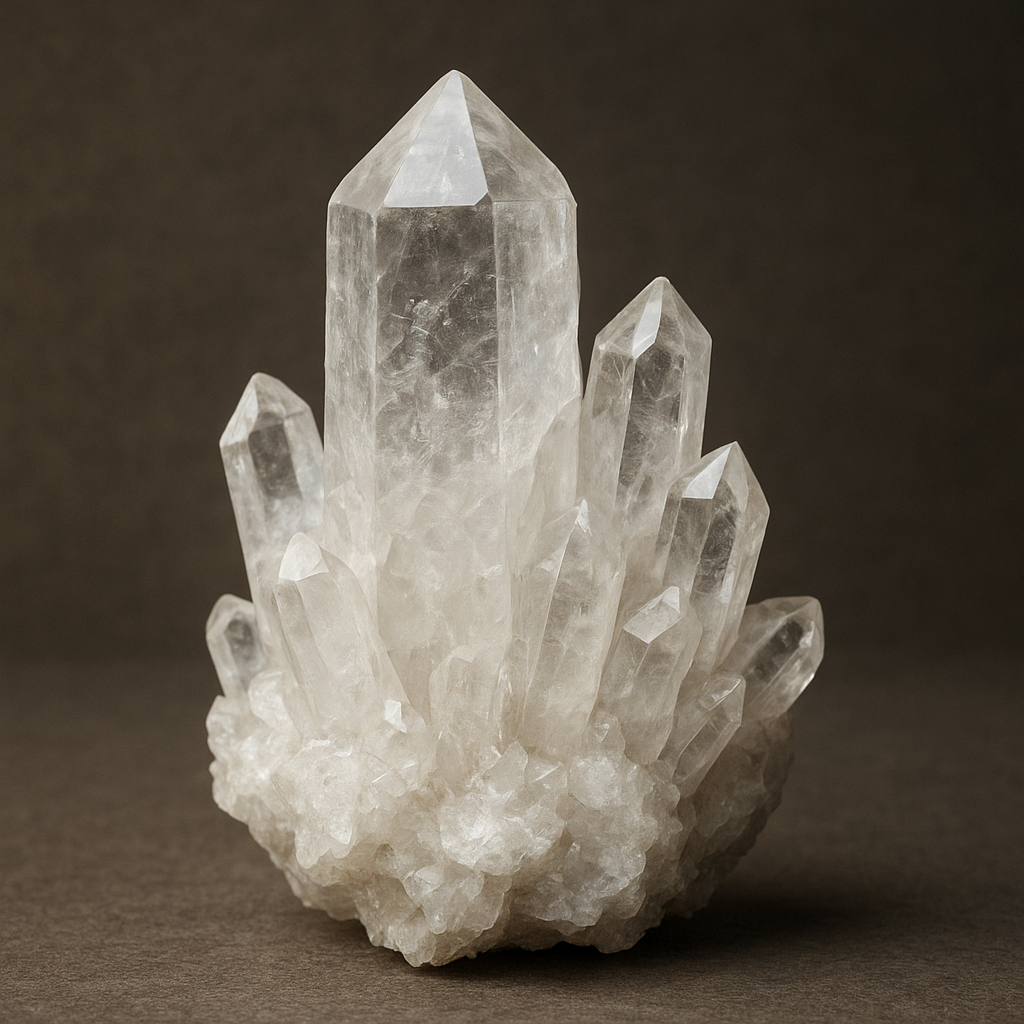
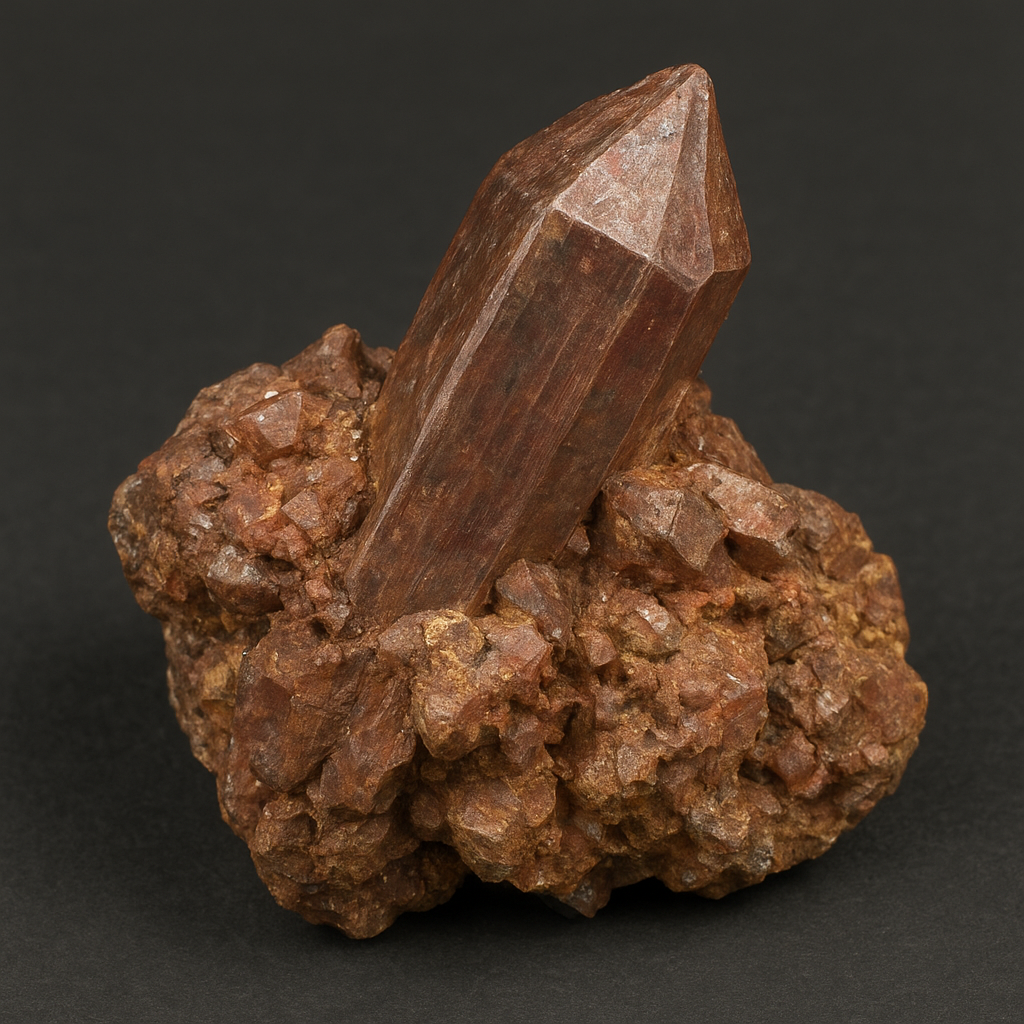
Kurnakovite belongs to the broad group of borate minerals: compounds containing boron in combination with oxygen and often with water molecules and metal cations such as magnesium or sodium. It typically forms in the late stages of evaporation in saline lakes or in the alteration zones of boron-rich hydrothermal systems. In hand specimen it generally appears as white to colorless aggregates, sometimes as earthy crusts or fibrous masses, and often with a soft, powdery feel. Its physical properties—low hardness and relatively low density—reflect an often high proportion of structural water.
Identification of kurnakovite in the field or laboratory uses a combination of features:
- Appearance: usually whitish, dull to silky luster when fibrous; forms crusts and coatings.
- Solubility: many borates are somewhat soluble in water or dilute acids, and some show efflorescence on drying.
- Optical properties: under the microscope, characteristic refractive indices and birefringence help separate borates from carbonates or sulfates.
- Crystallography: X-ray diffraction is decisive: it reveals the specific arrangement of borate groups and water molecules in the crystal lattice.
Where kurnakovite occurs
Kurnakovite is most commonly encountered in environments where boron becomes concentrated during evaporation or through hydrothermal activity. Typical occurrence settings include:
- Closed-basin saline lakes that concentrate boron salts during progressive evaporation. These are the classic environments for a suite of borate minerals.
- Volcanic-tectonic boron-rich systems, where meteoric or hydrothermal waters leach boron from volcanic glass and concentrate it in alteration zones or veins.
- Evaporite deposits in arid regions, where layered mineral assemblages preserve records of changing chemistry, pH and salinity over time.
Notable global regions where borate minerals, and kurnakovite among them, have been recorded include arid parts of western and central Asia, the American Great Basin and Californian saline basins, and South American saline basins. These deposits often host suites of associated minerals—such as ulexite, colemanite, borax (tincalconite), and inderite—which together form a mineralogical fingerprint for boron-enriched evaporites.
Common associated minerals and paragenesis
- Ulexite, colemanite, and borax — as part of evaporitic borate sequences
- Gypsum and anhydrite — common evaporite sulfates that co-precipitate or form under similar conditions
- Silica phases such as chalcedony or opal — often present where alkaline brines interact with volcanic glass
Uses and economic importance
Although kurnakovite itself is not a primary industrial source of boron—most boron is mined from more abundant minerals such as borax, colemanite and kernite—its presence and associations are useful indicators in economic geology. Understanding the sequence of borate mineral precipitation helps exploration geologists identify more concentrated and extractable deposits.
Primary industrial applications of boron compounds (driven by more abundant borate minerals) include:
- Glass and ceramics: Boron is critical in the production of borosilicate glass, which offers thermal shock resistance and chemical durability. Small borate minerals like kurnakovite point toward larger regional boron resources.
- Detergents and bleaches: Borates have been used as water-softening and buffering agents in laundry products and industrial cleaners.
- Agriculture: Boron is a micronutrient essential for plant cell wall formation and reproductive development; borate fertilizers are applied where soils lack boron.
- Flame retardants and polymers: boron compounds contribute to flame resistance in plastics and textiles.
- Advanced materials: boron-based ceramics, boron nitride, and boron carbide have high hardness, chemical stability and special electronic or thermal properties used in cutting tools, armor and electronics.
For researchers and collectors, kurnakovite holds value beyond direct industrial use. It helps reconstruct the paleohydrology of evaporitic basins, informs about the chemistry of brines at the time of mineral formation, and provides crystallographic examples of hydrated borate frameworks that can inspire synthetic analogues in materials science.
Crystallography, stability and analytical techniques
The structural complexity of borate minerals arises from boron forming triangular and tetrahedral oxyanions that polymerize into diverse frameworks. Hydration—water molecules bound inside the crystal—often stabilizes lower-temperature borates and controls transformation pathways when conditions change (e.g., drying or heating).
Analytical techniques commonly applied to study kurnakovite and related borates include:
- X-ray diffraction (XRD): reveals crystal structure, unit cell dimensions and the arrangement of borate groups and water.
- Infrared (IR) and Raman spectroscopy: identify OH stretching modes, borate group vibrations and bound water signatures.
- Thermogravimetric analysis (TGA) and differential scanning calorimetry (DSC): study dehydration behavior and thermal stability—crucial because many borates alter or collapse when heated.
- Electron microprobe and SEM: measure minor element substitutions, textures and relations to other minerals at micron scale.
Dehydration, alteration and stability fields
Hydrated borates like kurnakovite commonly dehydrate to form other borates or amorphous phases when conditions become warmer and drier. Laboratory heating experiments reveal stepwise loss of water and possible rearrangement of borate groups, which can be useful when interpreting ancient deposits that later experienced burial or diagenesis. These transformation pathways also interest materials scientists who explore low-temperature synthesis routes to complex borate frameworks for optical or ion-exchange applications.
Related topics and interesting observations
Studying kurnakovite opens doors to several broader and sometimes unexpected topics:
The role of boron in Earth systems
Boron is a trace but geochemically important element. It behaves differently from major rock-forming elements because of its affinity for fluids and the ease with which it forms complex oxyanions. Boron isotopes are widely used as tracers of fluid sources and pH in paleoenvironmental studies. In evaporite basins, boron concentrations and isotopic signatures can record climatic and hydrologic shifts through time.
Boron in biology and technology
Despite being scarce in the biosphere, boron is essential for plant growth and has roles in cell wall structure. In technology, boron compounds enable specialized glasses for laboratory ware, cookware and optical devices. Advanced boron-containing materials—such as boron carbide and boron nitride—are noteworthy for extreme hardness and thermal properties.
Collectors, museums and the educational value
Mineral collectors prize specimens of rare borates for their textures and for the story they tell about evaporitic environments. Museums display such minerals to illustrate mineral diversity and the interplay between geochemistry and environment. Even if kurnakovite specimens are modest in size, they can serve as didactic tools in teaching about water-rock interaction, mineral stability and geologic time.
Modern research directions
- Materials synthesis: researchers synthesize borate frameworks for nonlinear optical materials, ion exchange, and as precursors for boron-containing ceramics.
- Environmental remediation: boron’s mobility in aqueous systems makes it a concern in wastewater from mining and geothermal operations; understanding borate mineral stability can inform remediation strategies.
- Isotope geochemistry: boron isotope ratios in borates can reveal the origin of fluids and past environmental conditions, so rare borates add data points to regional reconstructions.
Practical tips for enthusiasts and students
If you are a student or hobbyist interested in borate minerals such as kurnakovite, here are some practical approaches and cautions:
- Visit local natural history or university collections to see authenticated specimens and compare textures and associations.
- Learn basic analytical methods such as optical microscopy, and read XRD patterns from reference databases to improve identification skills.
- Handle specimens carefully: many hydrated borates are soft and will deteriorate if repeatedly wetted and dried.
- Recognize the broader context: finding a rare borate in the field often points to a geochemical setting that may host other interesting minerals or useful deposits.
Though kurnakovite itself is not widely known outside specialist circles, it serves as a compact example of how a single mineral can connect to geochemistry, economic geology, and emerging materials research. The study of such minerals enriches our understanding of how elements cycle in nature and how seemingly minor phases can record major environmental stories.