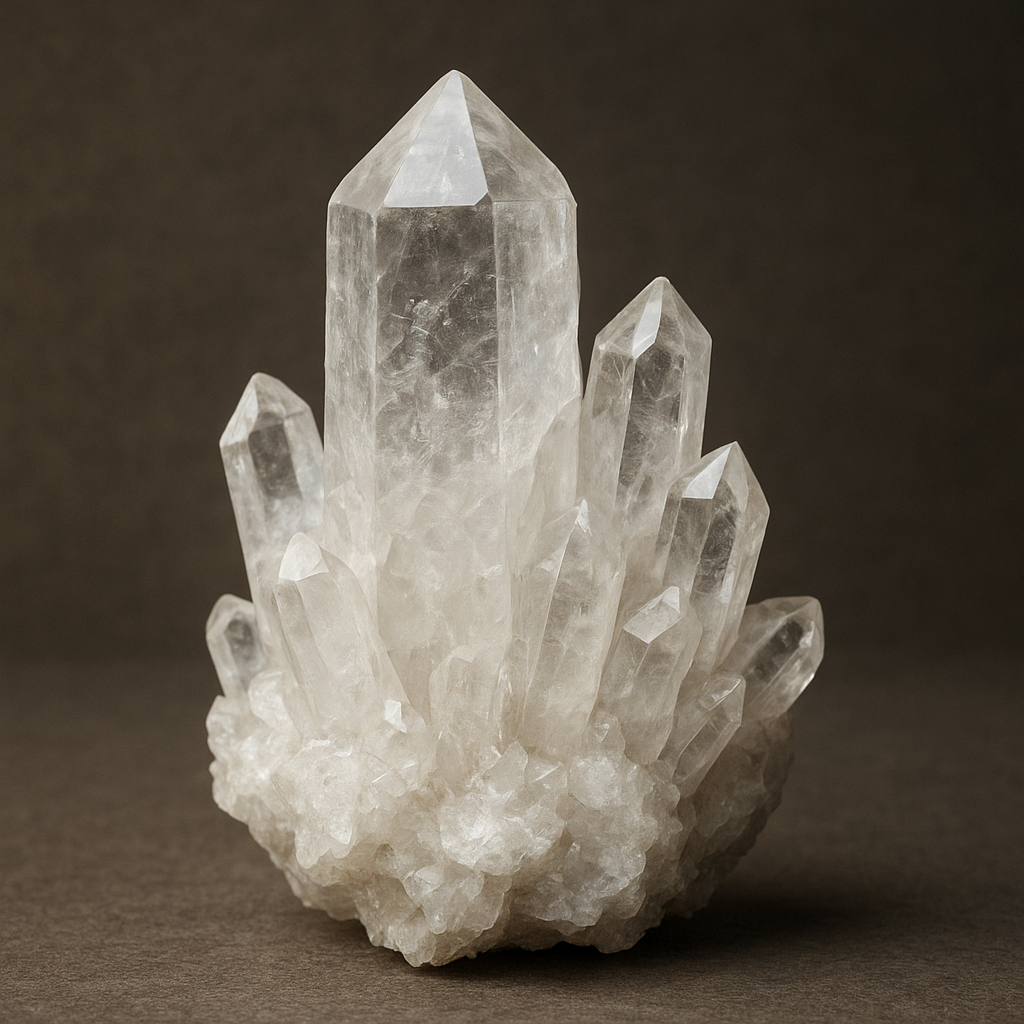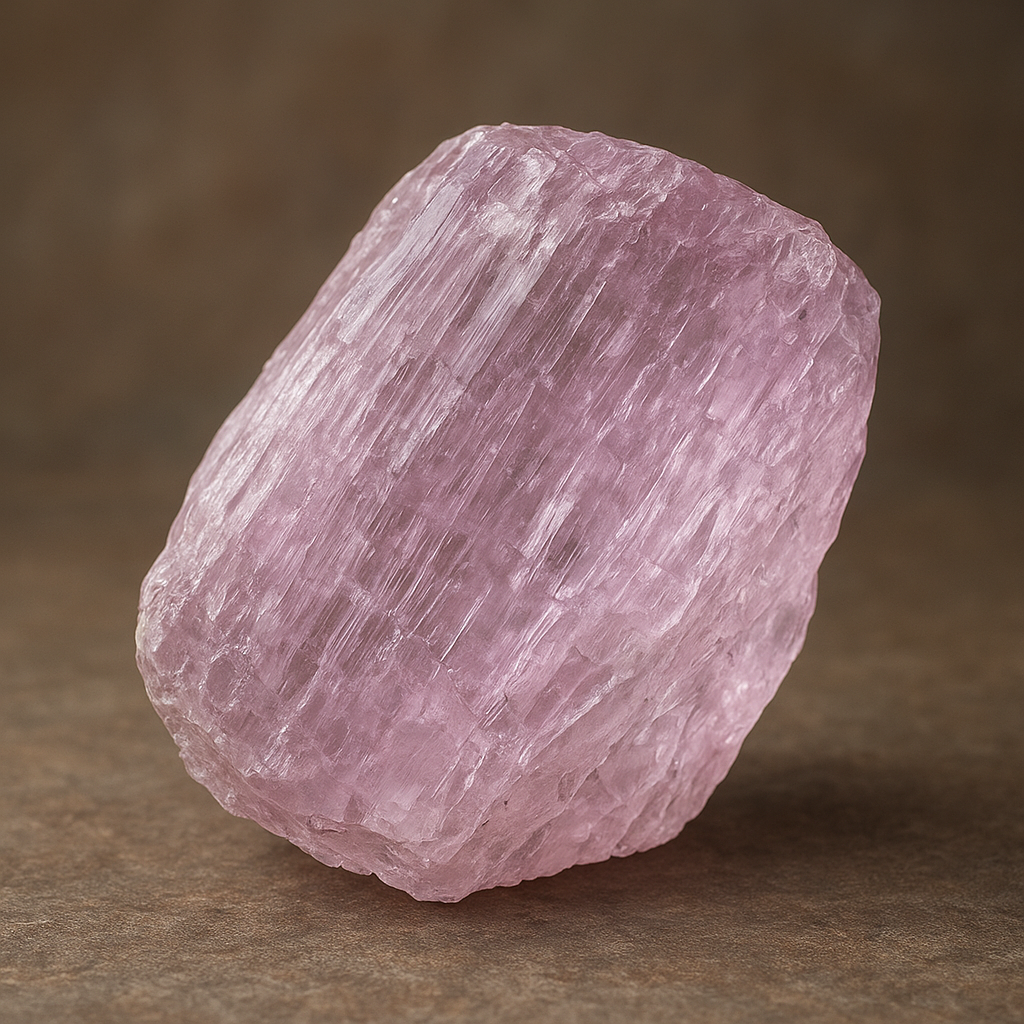
Kunzite is a captivating pink to violet variety of the mineral spodumene that has fascinated gemologists, collectors and jewelry lovers for more than a century. Its delicate hues, strong optical effects and dramatic crystal habits set it apart from many other gemstones. This article explores where kunzite is found, how it forms, its practical uses and care, and several intriguing aspects of its history and market. Along the way you will find geological context, gemological details and practical advice for anyone interested in acquiring or conserving this remarkable stone.
Geology and Formation: Where Kunzite Comes From
Kunzite is a lithium aluminum inosilicate belonging to the mineral group spodumene. Spodumene itself is an important host for lithium in pegmatitic geological environments. The combination of lithium and trace amounts of manganese in the crystal lattice gives kunzite its characteristic pink to violet shades. Most gem-quality kunzite forms in coarse-grained pegmatites, where slow cooling allows the growth of large and often very transparent crystals.
Pegmatites that yield kunzite typically form in the late stages of granitic intrusion, when a residual melt rich in volatiles concentrates rare elements such as lithium, beryllium, tantalum and niobium. These fluids permit the growth of large well-formed crystals; spodumene can develop as elongated prismatic crystals with perfect cleavage on two directions, making them recognizably fragile in certain orientations.
Commonly associated minerals in kunzite-bearing pegmatites include quartz, cleavelandite (a platy albite), lepidolite, tourmaline, beryl and various rare-element phases. The geological setting is therefore of interest not only to gemologists but also to economic geologists exploring for lithium deposits.
Major Occurrences and Notable Localities
Kunzite has been discovered in a number of countries around the world. Some of the most significant sources for gem-quality material are:
- California (USA) — the Pala district in San Diego County produced some of the earliest and finest kunzite crystals known to gemology, including large transparent specimens used for cutting major gemstones.
- Afghanistan — Nuristan and adjoining areas are famous for producing intense pink and violet kunzite, often with remarkable clarity and large sizes.
- Brazil — localities in Minas Gerais and other pegmatite districts supply attractive kunzite, sometimes alongside other gem minerals such as tourmaline and beryl.
- Madagascar — an increasingly important modern source for gem-quality kunzite with good color and size.
- Pakistan and parts of the Himalaya — several high-elevation pegmatite zones have yielded notable kunzite crystals and facetable material.
Smaller occurrences are known in other countries, but the above localities have historically produced the material most sought by the gem trade. Large crystals several kilograms in weight are relatively rare but have been recovered from Afghan and Brazilian pegmatites, making kunzite popular among mineral collectors as well as jewelers.
Gemological Properties and Optical Effects
Kunzite is chemically lithium aluminum silicate (LiAlSi2O6). As a variety of spodumene it shares many physical and optical properties with the group, including a relatively high refractive index and strong birefringence. Typical gemological characteristics include a Mohs hardness around 6.5–7, a specific gravity near 3.1–3.2 and two-directional perfect cleavage, which has practical implications for cutting and setting.
A few points of special interest for gem-identification and appreciation:
- Pleochroism: Kunzite often shows strong pleochroism — the appearance of different colors or intensities when viewed from different angles. Typical pleochroic directions can show pink, colorless and deeper violet tones depending on orientation. Awareness of this effect is crucial for cutters to orient the stone for the most attractive face-up color.
- Color origin: The pink to violet colors arise primarily from traces of manganese (Mn2+, Mn3+). The intensity of color can vary with manganese concentration and with natural irradiation processes. Some stones show very subtle coloration that intensifies after careful cutting.
- Clarity: Large kunzite crystals are often remarkably transparent and free of inclusions, which makes them valuable for producing large clean gems. However, internal fractures and inclusions can occur, and the presence of twinning is common in spodumene family minerals.
- Fluorescence and stability: Some kunzite specimens may show weak fluorescence under ultraviolet light. Importantly, kunzite’s color can be sensitive to heat and prolonged exposure to strong light; fading is a known phenomenon in some stones.
Cutting, Setting and Jewelry Use
Because of its combination of attractive color and often excellent clarity, kunzite is widely used as a gemstone in rings, necklaces and brooches. However, particular care is required in cutting and setting due to its physical characteristics.
Cutting considerations
- Orientation: Cutters generally orient kunzite to show the most pleasing color and to minimize the effect of strong pleochroism. Step cuts and elongated shapes such as emerald cuts are very common because they preserve weight, display color effectively and reduce stress on cleavage planes.
- Cleavage: The pronounced cleavage on two planes makes kunzite susceptible to chipping or splitting during cutting and later wear. Experienced gem cutters use slow lap speeds and reduce pressure to avoid cleavage accidents.
- Size advantage: Because kunzite crystals can form very large gem-quality pieces, cutters can produce sizeable faceted stones and dramatic cabochons — an unusual advantage compared to many other gem materials.
Setting and practical use
For daily-wear jewelry like rings, designers often set kunzite in protective bezel or halo settings that reduce exposure to knocks. Because of potential color fading, pieces worn regularly in sunlight (for example, large statement pendants worn outdoors) may display a change over years, so owners should be aware of light sensitivity. Kunzite’s relatively moderate hardness also makes it more suited to pendants, earrings and occasional-wear rings rather than heavy everyday rings worn during manual work.
In the market, kunzite is prized for large, clean, intensely colored stones. Transparent pink to violet gems with good color command premium prices, while paler or included material is more affordable and used for less formal jewelry.
Treatments and Stability
Kunzite is commonly encountered both in natural color and in material that has been treated. Two treatment categories are particularly relevant:
- Irradiation: Some pale spodumene can be irradiated to induce or intensify pink and violet colors. Irradiation is an established and accepted practice in the gem trade when properly disclosed. Irradiated kunzite may undergo further changes when heated or exposed to light.
- Heat treatment: Heating can reduce certain hues or alter color in some specimens. However, heating must be applied carefully because kunzite may be thermally sensitive and prone to cleavage if abrupt temperature changes occur.
An important practical note: prolonged exposure to intense light — especially sunlight — can cause fading in some kunzite specimens. Strong heat can also affect color and structural integrity. For these reasons, collectors are advised to keep valuable kunzite out of direct sunlight for extended periods and to avoid heat lamps, prolonged display under bright lights, or ultrasonic cleaners if the stone shows signs of instability.
Care, Cleaning and Storage
Proper care can preserve kunzite’s beauty for decades. Because of its perfect cleavage and moderate hardness, gentle handling is essential.
- Cleaning: Use warm water, a mild detergent and a soft brush. Rinse thoroughly and dry with a soft cloth. Avoid steam cleaning or aggressive ultrasonic cleaning on specimens where cleavage or internal stress is a concern.
- Storage: Store kunzite separately from harder gems to prevent scratches. Wrap it in soft fabric or keep it in a padded compartment. For long-term preservation of color, store away from intense light sources.
- Daily wear caution: Remove kunzite rings during chores or sports. Protective settings reduce the risk of accidental impact that could exploit cleavage planes and chip or fracture the stone.
History, Naming and Cultural Context
Kunzite was named after the prominent American mineralogist and gemologist George F. Kunz, who was influential in the late 19th and early 20th centuries. He recognized the gem’s distinct character and promoted its use. The gem entered popular jewelry fashions during the 20th century, particularly when large, clean crystals became available from new pegmatite finds.
Beyond its geological and gemological story, kunzite has gathered cultural and metaphysical associations. In crystal-healing communities it is often linked to emotional balance, self-expression and the heart chakra. While such uses are not scientifically validated, they have contributed to the gemstone’s romantic and spiritual appeal in contemporary markets. As with all metaphysical claims, these belong to personal belief systems rather than material science.
Market, Collectibility and Value Factors
Several factors determine the value of kunzite, similar to other gemstones but with specific nuances:
- Color: Intense, evenly distributed pink to violet hues command the highest prices. Strong, saturated color is especially sought after.
- Clarity: Transparent, inclusion-free stones are more valuable, and because large crystals can be remarkably clear, big clean kunzites often fetch premium prices.
- Cut and orientation: Skillful cutting that aligns color and minimizes pleochroism enhances face-up appeal. Large flawless gems with excellent cuts are the most collectible.
- Origin: Stones from famous localities (e.g., Afghanistan, California) may carry added cachet among collectors.
Because of its ability to produce large gems, kunzite occupies a unique niche where museum-quality specimens and wearable jewelry both thrive. Collectors prize aesthetic crystal habits and dramatic deep-pink faceted stones, while designers value the gem’s ability to produce statement pieces in a range of sizes.
Interesting Facts and Lesser-Known Aspects
Several features make kunzite particularly interesting beyond its color:
- Pleochroic showpieces: Some of the most dramatic kunzites reveal a lantern-like effect where the color depth changes with angle, creating dynamic visual interest in well-cut gems.
- Large gem potential: Unlike many gem types where large gems are rare or included, kunzite regularly offers substantial faceting rough suitable for collectors and designers seeking bold pieces.
- Economic geology link: As a variety of spodumene, kunzite shares a connection with lithium resources. While gem-quality kunzite is not mined primarily for lithium, the same pegmatites that yield kunzite can be economically important for lithium extraction in other forms.
- Historic specimens: Museums and private collections often showcase spectacular kunzite crystals that highlight complex crystal twinning, prismatic faces and gemmy interiors, showcasing the mineral’s beauty beyond the jewelry bench.
Practical Advice for Buyers and Collectors
If you are thinking about acquiring kunzite, consider these pragmatic tips:
- Ask about treatments and disclosure: Reputable dealers will disclose irradiation or heat treatment. Understand the implications of these processes for long-term stability.
- Inspect orientation and cut: Evaluate pleochroism and how the cutter has oriented the stone — the face-up color is primarily what a buyer sees, so good cutting increases enjoyment and value.
- Prefer protective settings for jewelry: Choose settings that protect the stone from knocks and limit light exposure when possible.
- Understand return and certification policies: For expensive kunzite purchases, consider stones accompanied by gemological reports that confirm identity and note treatments.
Scientific and Collector Interest
From a scientific perspective, kunzite continues to interest mineralogists and gemologists because it exemplifies how trace elements like manganese influence color, and how pegmatitic processes concentrate rare elements into gem-quality crystals. For collectors, the combination of aesthetic crystals, dramatic pleochroism and the ability to produce very large gems makes kunzite a perennial favorite.
Whether appreciated as a collectible mineral specimen, a centerpiece gemstone in a bespoke jewelry design, or an object of metaphysical interest, kunzite offers a blend of geological story, optical complexity and emotional appeal. Collectors and wearers alike should value its beauty while respecting its physical sensitivities — with proper care, kunzite can remain a stunning and intriguing gem for generations.