
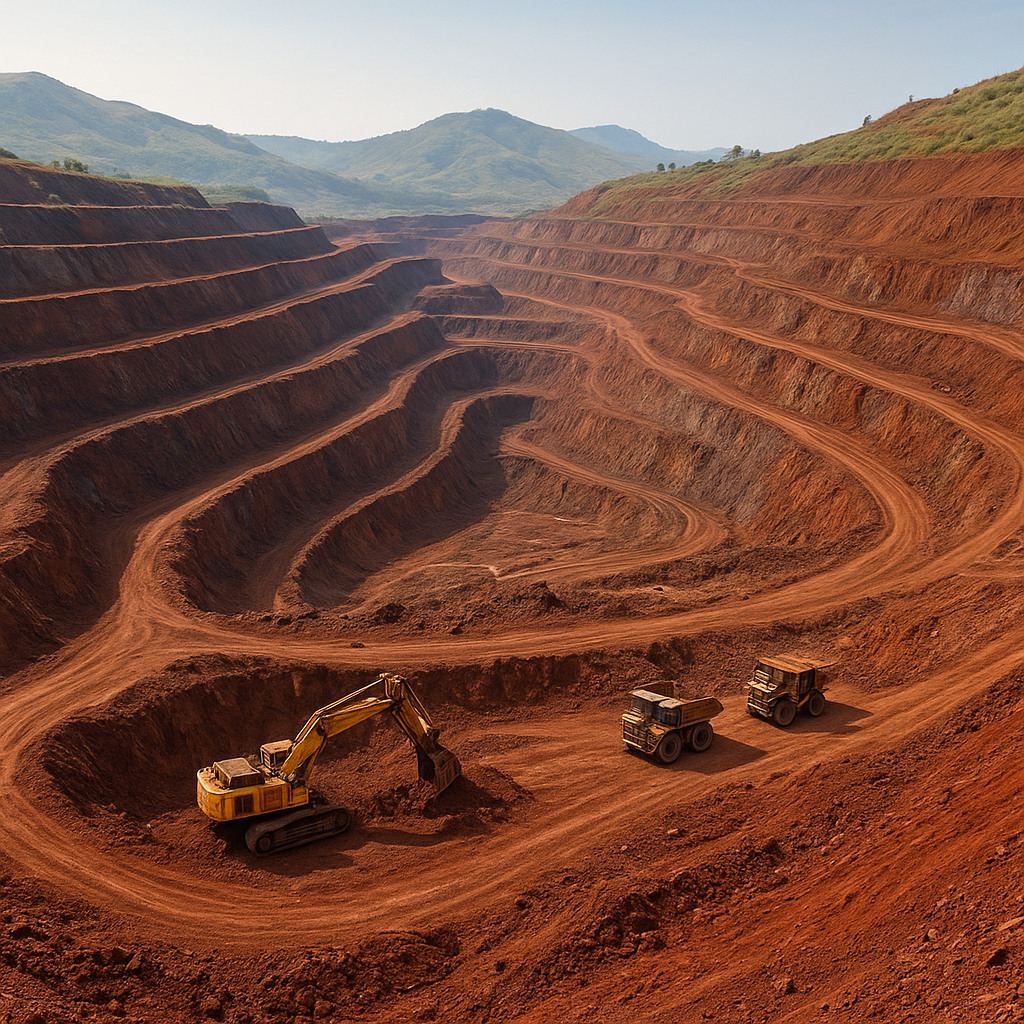
The hills around Kudremukh have long been synonymous with rich deposits of iron ore and with a contentious chapter in India’s environmental and industrial history. Located in the rugged ranges of the Western Ghats, the mine that once operated at Kudremukh became an important source of raw material for steel producers, a major employer in Karnataka, and simultaneously a focal point for debates about conservation, river catchment protection and communities. This article explores where the mining complex was located, what exactly was extracted, its economic role and some of the more interesting and lesser-known aspects of the site and its aftermath.
Location and geology
The Kudremukh mining area lies in the southwestern part of India, in the state of Karnataka, within the Chikkamagaluru and parts of Udupi districts. The mine site is set in the heart of the Western Ghats, a mountain chain recognised for exceptional biodiversity and important watersheds. The terrain is steep and heavily forested, with numerous perennial streams that form tributaries to larger river systems used downstream for irrigation and drinking water.
Geologically, the iron mineralisation at Kudremukh was associated with ancient banded iron formations and metamorphosed rocks of the Dharwar craton. The ore bodies were lateritised and included high-grade concentrations of magnetite and hematite within a matrix of metamorphic rocks. These deposits were valued because they produced iron-bearing material that was relatively low in deleterious impurities when compared with many other sources, making the ore attractive for both domestic steelmaking and for exports.
Topography and watershed implications
The mining area was located within sensitive catchments. Streams originating in the mining region flow into reservoirs and rivers used for agriculture and municipal water supplies downstream. The topography — steep slopes, thin soils and heavy seasonal rainfall — made the area particularly vulnerable to erosion, runoff and sedimentation when large-scale land disturbance occurred. These physical realities would later shape environmental concerns and legal decisions about the mine’s future.
Mining operations and ore characteristics
Operations at Kudremukh were characterised by large-scale open-cast mining. The operator, Kudremukh Iron Ore Company (commonly referred to by its acronym KIOCL), removed overburden and extracted ore from benches carved into the hill slopes. Material was crushed and beneficiated at on-site plants to increase iron concentration and remove impurities. Processed ore was then transported to the coast for sale and further processing.
- Ore type: Predominantly magnetite and hematite with high iron content relative to many other Indian sources.
- Processing: Crushing, screening and beneficiation to produce a concentrate suitable for blast furnaces or pelletisation facilities.
- Transport: A long-distance pipeline and rail/road infrastructure linked the mine with coastal ports, enabling movement of concentrate and finished products to domestic steelworks and overseas buyers.
The industry at Kudremukh used heavy machinery, large dumps of waste rock and slurry management facilities. The beneficiation produced tailings and fine sediments, which required containment. The interaction of these operational by-products with the steep, monsoon-prone landscape created the central environmental challenge: large quantities of loose material, when exposed, would be mobilised by heavy rains and enter streams and reservoirs.
Workforce and local industry linkages
The mine supported a sizable workforce while it was active, including miners, engineers, plant operators and service staff. A network of ancillary services — maintenance yards, transport operators, supply contractors, and local businesses — grew up around mining activity. Domestic steelmakers and pellet plants relied on consistent deliveries of high-grade iron raw material, making Kudremukh strategically important to industrial supply chains at both the regional and national levels.
Economic significance
At its peak, Kudremukh was an important contributor to the mineral economy of Karnataka and to India’s steel industry. The mine provided:
- Direct employment to hundreds, and indirect livelihoods to many more in the surrounding towns and villages.
- A source of high-grade iron ore that helped feed domestic steel plants and generate foreign exchange through exports.
- Revenue for central and state governments through royalties and taxes, as well as for local communities through secondary economic activity.
Because the ore was generally of higher grade, it reduced the need for expensive blending or extensive beneficiation elsewhere, improving the efficiency of downstream processes. The mine’s operations also supported port handling and logistics businesses in coastal Karnataka, catalysing investments in transport and material handling infrastructure.
However, the economic benefits were not without controversy. While mining generated tangible short- and medium-term incomes, critics argued that the long-term degradation of watershed services, agricultural productivity and local ecology could impose costs that outweighed immediate gains. This tension between short-term industrial benefit and long-term environmental services would come to dominate public debate and judicial intervention.
Environmental and social impacts
The most significant and contentious legacy of Kudremukh stems from the environmental impacts of open-cast mining in a highly sensitive region. Key concerns included:
- Deforestation and habitat loss: Clearing of vegetation and topsoil for benches, access roads and infrastructure led to fragmentation of habitat and loss of biodiversity.
- Siltation of streams and reservoirs: Erosion and runoff from exposed dumps and tailings increased sediment loads in rivers, affecting water quality and storage capacity in reservoirs used for irrigation and drinking water.
- Altered hydrology: Landform changes interrupted natural drainage paths and groundwater recharge, affecting the long-term availability of water for downstream users.
- Community impacts: Local communities faced changing livelihoods, periodic water contamination, and the social dislocations associated with large industrial operations in rural zones.
These environmental stresses prompted organized resistance from conservationists, residents and some political actors. Concerns about the mine’s location inside or adjacent to protected areas intensified scrutiny. In response to litigation and public pressure, regulatory authorities and courts examined whether continued operations were compatible with national laws protecting forests, protected areas and water resources.
Legal closure and rehabilitation efforts
Following environmental litigation and regulatory reviews, mining at Kudremukh was ordered to cease by national authorities and the courts in the mid-2000s. The decision cited risks to the protected landscape and to water resources. The closure led to immediate economic dislocation for workers and dependent communities, but it also opened space for ecological restoration initiatives.
Rehabilitation efforts have included recontouring of waste dumps, re-vegetation programs, stabilisation of slopes, treatment of contaminated water, and long-term monitoring of watershed recovery. Such work is technically challenging in steep, monsoon-influenced terrain and requires sustained funding. The experience at Kudremukh highlights the complexity of restoring heavily modified landscapes and the time frames required for ecological recovery.
Interesting aspects and legacy
Beyond the economic and environmental narratives, Kudremukh offers several noteworthy and sometimes surprising features:
- Ecological importance: The mining region overlapped with a larger, biologically rich matrix of the Western Ghats, home to many endemic species of plants, amphibians and mammals. This heightened the stakes of land-use decisions.
- Technological scale: At its operational height, the mine showcased large-scale open-pit mining techniques and industrial beneficiation systems adapted to a challenging mountain environment — a reminder of how modern extraction technologies can reach remote, rugged landscapes.
- Transport innovations: The movement of beneficiated ore to the coastline relied on long-distance logistics solutions, including pipelines and coastal shipping, demonstrating the industrial integration of a remote inland resource with port and export facilities.
- Socio-political dynamics: Kudremukh became a symbol in India of the tensions between development and conservation. The legal battles and public debates contributed to broader policy conversations about mining in ecologically sensitive zones across the country.
- Post-mining opportunities: With mining halted, there have been discussions about alternative futures for the region — ranging from conservation and eco-restoration to community-led sustainable enterprises and limited eco-tourism that leverages the area’s scenic and biological value.
Cultural and regional identity
For local residents, the mine and the surrounding landscapes form part of a distinctive regional identity. Even after closure, the memory of the mine — the jobs it provided, the social networks it created and the transformations it produced — continues to shape community narratives and local politics. At the same time, renewed attention to conservation and watershed protection has helped mobilise local actors around environmental stewardship and sustainable use of natural resources.
Lessons and broader relevance
The Kudremukh story offers lessons relevant for mineral policy, environmental governance and community development. It shows the importance of rigorous environmental assessment before approving large extractive projects in sensitive zones, the need for long-term plans for waste management and rehabilitation, and the social safety nets required when major employers cease operations. It also underscores that once industrial disturbances are introduced into vulnerable landscapes, recovery is neither quick nor trivial.
Today, Kudremukh stands as both an emblem of the industrial drive for raw materials and a cautionary tale about the consequences of extracting natural capital from ecologically delicate regions. Its history intertwines concerns about mining, biodiversity protection and the socio-economic welfare of communities, and the choices made there continue to inform debates about sustainable development in India and beyond.

