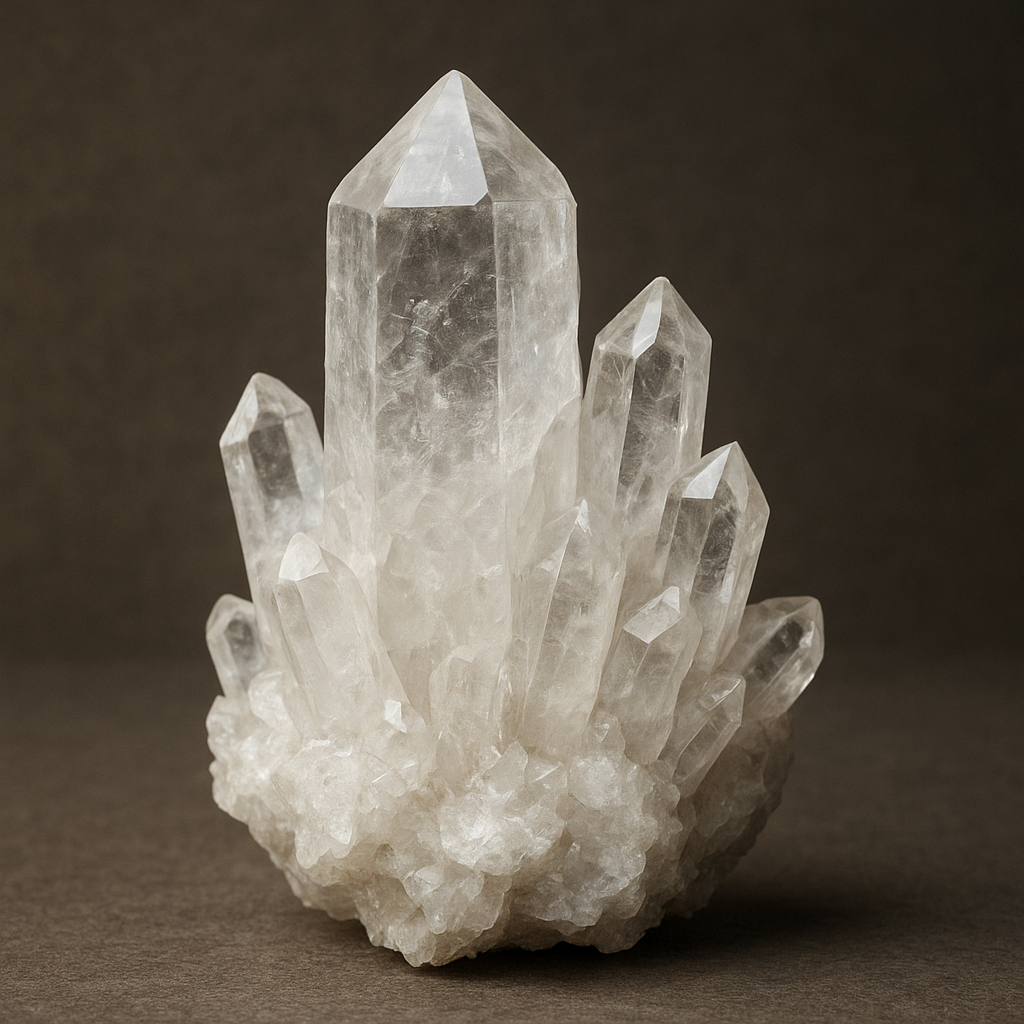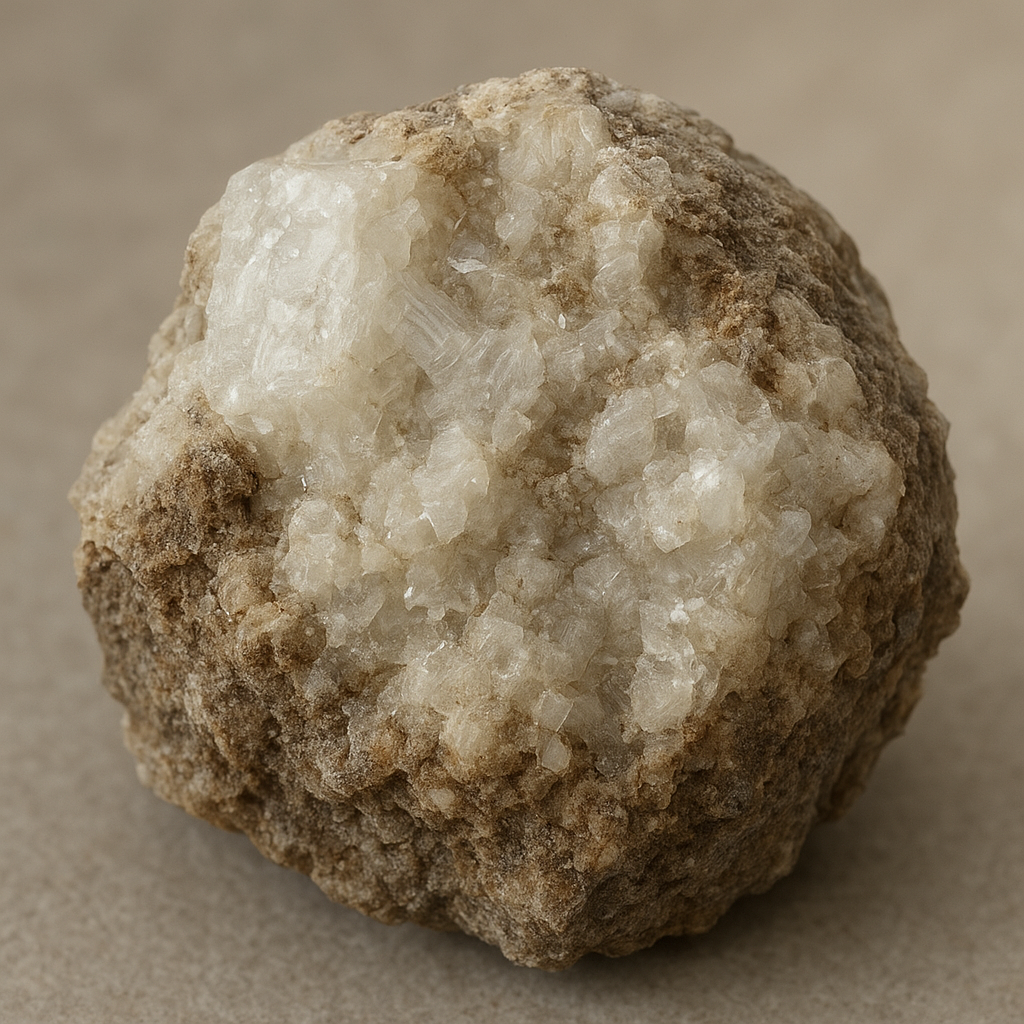
Hanksite is an unusual and visually striking mineral that captures the attention of mineralogists, geochemists and collectors alike. It is notable not only for its aesthetic qualities—often forming large, pale yellow crystals—but also for its rare combination of chemical components and the specific environmental conditions required for its formation. This article explores where hanksite is found, how it forms, what makes its chemistry and structure special, and why it matters to both science and hobbyists. Throughout the text you will find detailed descriptions of habit, occurrence, practical uses and interesting research directions connected to this remarkable evaporite mineral.
Where Hanksite Occurs: Localities and Geological Settings
The most famous and type locality for hanksite is Searles Lake in San Bernardino County, California. This closed-basin playa has become synonymous with hanksite because the mineral was first described from there and because Searles Lake hosts abundant evaporite minerals formed from highly saline, alkaline brines. Hanksite also appears in other saline lakes and playa deposits around the world, though it remains a relatively rare component of evaporite assemblages compared with more common salts like halite and gypsum.
Hanksite forms in environments characterized by intense evaporation, high concentrations of sodium and potassium, elevated alkalinity, and a source of sulfate and carbonate ions. In such settings, seasonal or episodic concentration of brines can cause complex precipitation sequences, and hanksite may crystallize during late-stage evaporation when multiple anions reach sufficient activities to stabilize its complex structure. Examples of geological settings where hanksite or analogous minerals are found include:
- Closed-basin playas and salt pans in arid to semi-arid regions, where inflow is limited and evaporation dominates outflow.
- Alkaline lakes with pH values elevated by carbonate chemistry and local geology that supplies sodium and potassium salts.
- Evaporitic sequences in continental basins where rapid evaporation concentrates sulfate, carbonate and chloride species concurrently.
Because the precise ionic ratios needed for hanksite are uncommon, occurrences tend to be restricted to specialized basins. While Searles Lake remains the most productive and well-documented locality, specimens have been reported from a handful of other salt basins worldwide. These additional occurrences provide comparative data for understanding the mineral’s formation conditions, but none rival Searles Lake in the abundance and size of crystals available to collectors and researchers.
Chemistry and Crystallography: What Makes Hanksite Unique
Hanksite’s chemical formula is noteworthy for combining three different anion types in a single mineral: sulfate, carbonate and chloride. The generalized formula often given for hanksite is Na22K(SO4)9(CO3)2Cl, indicating a highly sodium-rich composition with significant potassium as well. This combination—sulfate + carbonate + chloride—is extremely unusual in naturally occurring crystalline minerals and places hanksite among a very small group of multi-anion evaporite phases.
On the structural side, hanksite crystallizes in the hexagonal crystal system. Its crystals are typically prismatic to tabular and can reach impressive sizes under favorable conditions. Optical properties include a vitreous to greasy luster and transparency to translucency in fresh specimens. Physically, hanksite is relatively soft (low on the Mohs hardness scale) and has moderate specific gravity compared to many common rock-forming minerals.
The presence of large sulfate groups in combination with carbonate units and the single chloride in the structural framework creates a complex lattice. This lattice accommodates a high degree of ionic packing dominated by sodium and potassium cations balancing the negative charges of multiple anions. As a result, the mineral’s stability field is narrow and sensitive to changes in brine chemistry, temperature and humidity—conditions that directly influence its precipitation, growth and subsequent alteration.
Formation Processes: How Hanksite Crystallizes
Hanksite is a product of extreme evaporative concentration in closed basins. The genesis of the mineral can be described by a multi-stage evaporative sequence:
- Initial concentration of inflowing waters leads to precipitation of common salts such as calcite, gypsum and halite.
- As evaporation continues, magnesium and sulfate become more concentrated, producing secondary evaporites like thenardite and bloedite in some systems.
- In strongly alkaline, sodium- and potassium-rich brines, carbonate species are abundant. At a late stage—when sulfate activity remains high and chloride is still present—conditions may become favorable for hanksite to nucleate and grow.
Because hanksite requires concurrent availability of sulfate, carbonate and chloride, it typically appears late in the evaporative sequence when most common salts have already precipitated and when the residual brine composition has diverged significantly from the original inflow chemistry. Microenvironmental variations—such as evaporation rate, local influx of fresh ions from groundwater, or seasonal changes—play a critical role in whether hanksite forms at all and in determining the habit and size of the crystals.
Alteration and dissolution are also important. Hanksite is moderately soluble in water and can be transformed into other sulfate or carbonate minerals under changing conditions. Exposure to moisture or shifts in pH can cause partial dissolution or surface etching, which is why many museum-quality crystals are kept in low-humidity conditions to preserve their features.
Associated Minerals and Paragenesis
Hanksite is typically associated with a suite of evaporite minerals that reflect the concentrated chemistry of saline alkaline brines. Commonly associated minerals include:
- Halite (common salt, NaCl) – often abundant in playas and a primary evaporite before late-stage species appear.
- Trona and natron – sodium carbonate minerals that indicate high carbonate activity and alkalinity in the brine.
- Thenardite and mirabilite – sodium sulfate minerals that reflect elevated sulfate concentrations.
- Various borates in borate-rich playas (e.g., Searles Lake hosts several borate mineral species).
The paragenetic sequence—i.e., the order of mineral formation—helps reconstruct the chemical evolution of ancient and modern saline lakes. In many basins where hanksite is found, halite and carbonates have precipitated earlier, followed by sulfate enrichment and finally by the complex anion combination that produces hanksite. Studying these sequences informs both modern geochemistry and the interpretation of evaporite successions in the rock record.
Uses, Applications and Practical Relevance
Hanksite does not have widespread industrial applications in the way that halite or gypsum do. Its occurrence is too limited and its chemical composition too specialized to be a major commodity mineral. Nevertheless, hanksite has several practical and scientific roles worth noting:
- As a geological indicator: Because hanksite forms under narrowly defined brine chemistries, its presence signals particular environmental conditions—high salinity, strong alkalinity and a late-stage evaporative environment. Geologists use hanksite and similar minerals as indicators of paleoenvironmental conditions in ancient evaporite deposits.
- In geochemical research: Scientists study hanksite to understand multi-anion crystallization, ionic interactions in concentrated brines, and the thermodynamic behavior of complex salts. Such work informs broader models of evaporite formation and mineral stability.
- Collector value: Aesthetically pleasing crystals of hanksite, particularly from Searles Lake, are prized by mineral collectors. Well-formed, transparent to translucent crystals with good color command attention in private and public collections.
- Educational and experimental use: Hanksite is useful in teaching about evaporite mineralogy and geochemistry because it exemplifies how unusual mineral species can form under precise chemical conditions. Laboratory synthesis and stability experiments on hanksite also help students and researchers explore mineral equilibria in controlled settings.
While not a major source of sodium, potassium, or sulfate on an industrial scale, elegant specimens of hanksite contribute to local mineral economies through specimen collection and display. Additionally, understanding hanksite’s formation contributes indirectly to resource geology where evaporite sequences host deposits of economically valuable salts or influence basin hydrology.
Interesting Properties, Rarity and Collector Appeal
Several characteristics make hanksite intriguing beyond its strict mineralogical status. First, the sheer rarity of its stable coexistence of sulfate, carbonate and chloride groups in a single crystalline phase marks it as a mineralogical oddity. Second, hanksite can form comparatively large crystals—sometimes several centimeters in dimension—which are visually impressive and make for striking specimens. These features elevate hanksite in the eyes of both specialists and collectors.
From a practical standpoint, hanksite is sensitive to environmental conditions. Its solubility underlines the need for controlled humidity when storing or displaying specimens; museum curators and serious collectors often take steps to minimize exposure to moisture to avoid surface alteration. This fragility adds to the mineral’s mystique and underscores the ephemeral nature of certain evaporite crystals.
Research on hanksite and related minerals is ongoing, with modern analytical techniques—such as X-ray diffraction, electron microprobe analysis and spectroscopic methods—helping to refine knowledge of its structure, compositional variability and formation pathways. Such studies can reveal subtle substitutions, trace element content and microstructural features that are not obvious from hand-sample observation alone.
Broader Scientific Connections: Climate, Paleoenvironments and Salt Lakes
Hanksite plays a role in broader scientific questions concerning salt lakes, climate change and basin evolution. Evaporite minerals serve as archives of chemical and hydrological history; their compositions and layering record variations in inflow chemistry, evaporation rates and climatic fluctuations over time. Because hanksite forms under restricted conditions, its presence in a stratigraphic sequence can mark episodes of extreme concentration and alkalinity in a basin’s history.
For example, in paleoenvironmental reconstructions, the occurrence of hanksite and coeval minerals can help constrain models of basin isolation, evaporation rates and ionic flux. This information feeds into reconstructions of past climate regimes, particularly in arid regions where evaporites can be persistent surface records of long-term environmental change. Studies that integrate mineralogical data with sedimentology and isotope geochemistry can therefore employ hanksite as one piece of a larger interpretive puzzle.
Research Frontiers and Unanswered Questions
Despite over a century of study since its discovery, hanksite still prompts questions that are active areas of research. Some of the current frontiers include:
- Thermodynamic modeling: Defining the precise stability field of hanksite under varying temperatures, ionic strengths and pH remains a challenge. Laboratory and computational studies seek to quantify these boundaries.
- Substitution and variability: Investigating how trace elements substitute into the lattice and how compositional variations reflect local brine chemistry helps refine formation models.
- Preservation in the rock record: Understanding under what conditions hanksite can persist or be preserved in ancient evaporitic successions informs interpretations of past basins.
- Analogues on planetary bodies: As a multi-anion evaporite mineral, hanksite prompts speculative comparisons with salts that might form on other planetary bodies with saline waters, such as Mars. Researchers consider whether complex evaporite assemblages could form under extraterrestrial conditions and what such minerals would imply about past aqueous activity.
These lines of inquiry combine field observations, laboratory experiments and theoretical modeling. Each contributes to a more complete picture of how complex evaporite minerals like hanksite fit into Earth’s geochemical systems and, potentially, how such systems might operate elsewhere.
Practical Advice for Collectors and Enthusiasts
If you have the opportunity to see or handle hanksite specimens, there are a few practical considerations to keep in mind. First, because the mineral is water-soluble and can alter with humidity, avoid prolonged exposure to damp environments. Display cases with controlled humidity or desiccants are useful for long-term preservation. Second, because crystals can be fragile, handle specimens gently and avoid mechanical stress. Finally, when documenting or studying hanksite, note associated minerals and the sedimentary context—these observations often provide the best clues to the mineral’s formation history and environmental significance.
For those interested in learning more, visiting museum collections with evaporite displays or reading the primary literature on evaporite mineralogy and brine chemistry will deepen appreciation of hanksite’s role among the fascinating salts that form in closed-basin lakes and playas.