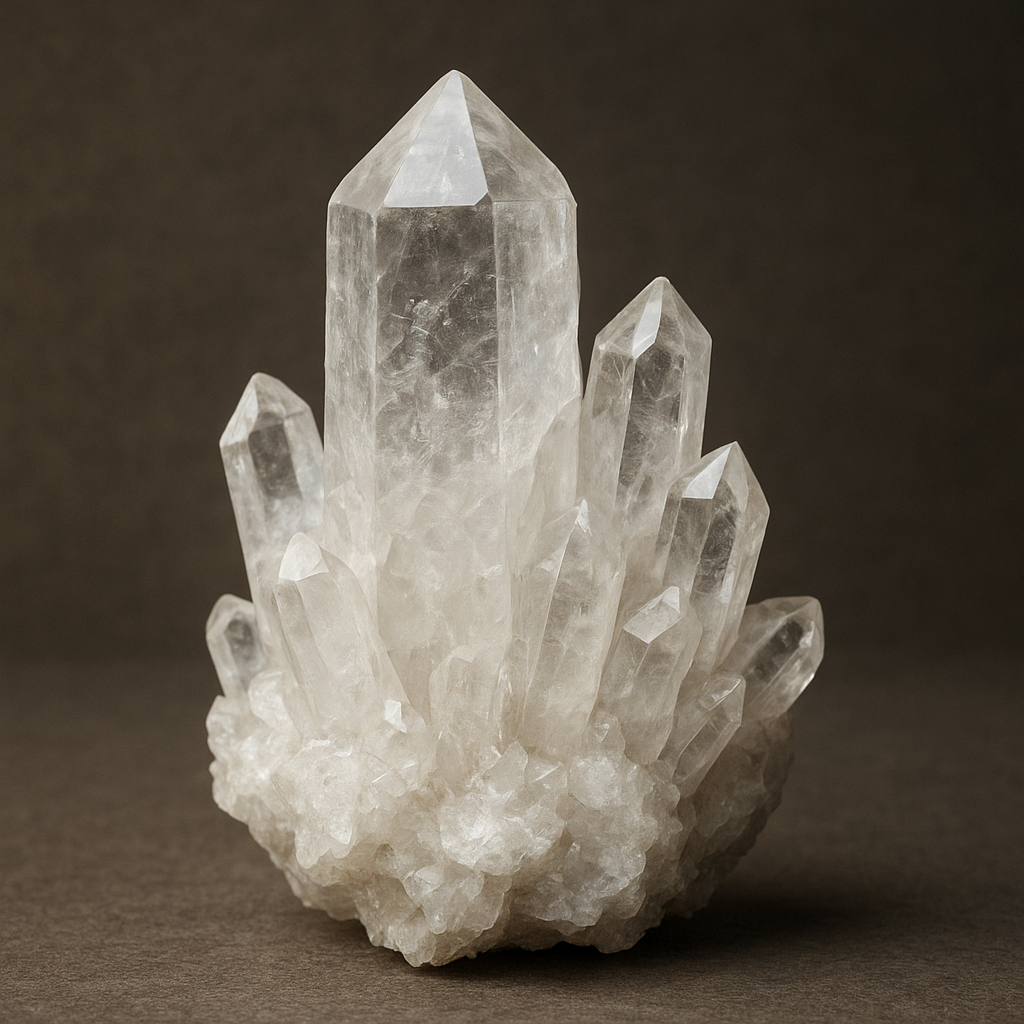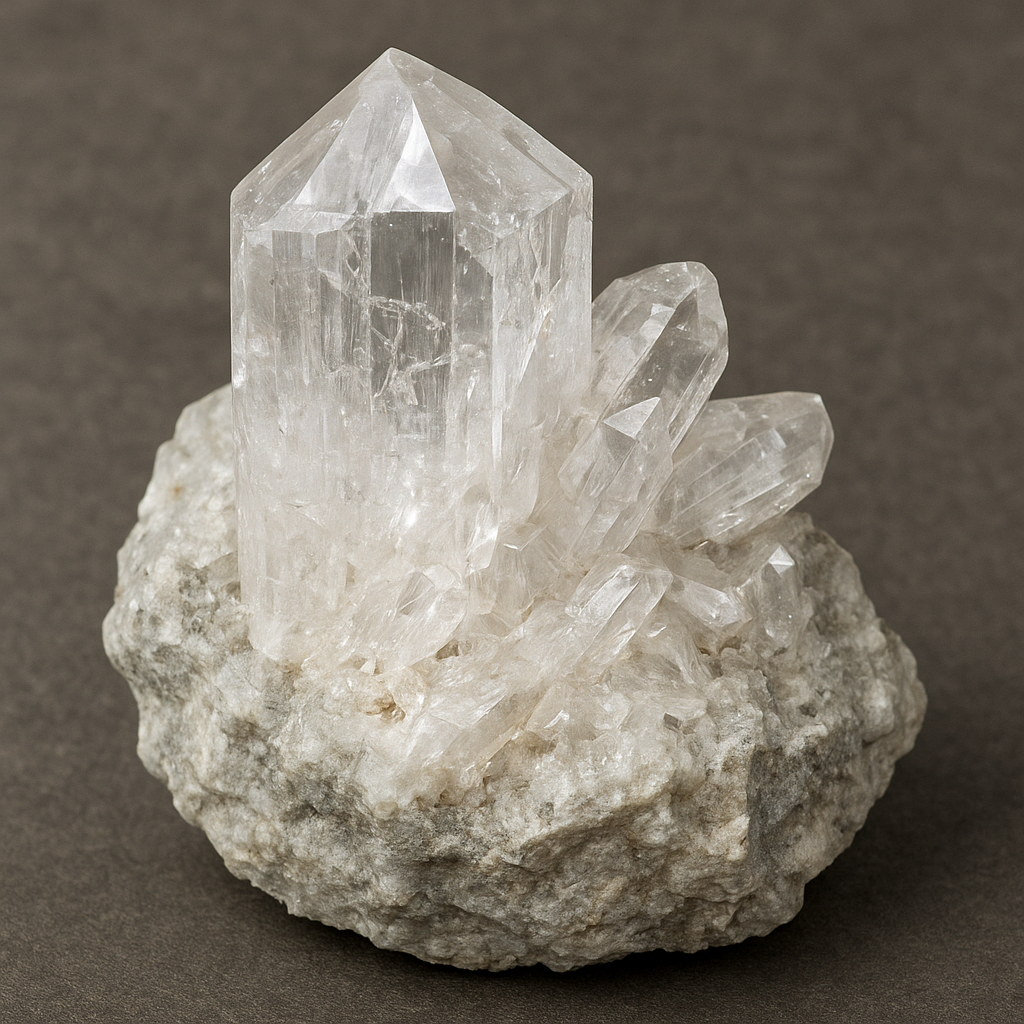
Danburite is a mineral that fascinates both scientists and enthusiasts for its elegant crystal forms, gem-quality transparency, and intriguing history. In this article I will explore its composition, structure, global occurrences, practical and decorative uses, and subjects often considered interesting by collectors and lapidaries. The narrative will combine mineralogical facts with cultural and practical perspectives so you gain a rounded picture of why this mineral matters to geologists, jewelers and hobbyists alike.
Description and Mineralogy
The mineral commonly known as Danburite is a calcium boron silicate (CaB2(SiO4)2) that typically forms prismatic to tabular crystals. Its chemical makeup puts it in a distinct niche among silicate minerals because of the presence of boron, which influences both its crystal chemistry and its physical properties. Danburite occurs in a range of colors, from colorless through pale yellow, pink, and light brown, depending on trace impurities and exposure to natural radiation. When cut and polished, transparent specimens can rival common faceting gemstones for brilliance and clarity.
Crystal Structure and Properties
Danburite crystallizes in the orthorhombic system. The crystals often present as elongated prisms with good natural faces, and twinning is relatively rare but known. Key physical properties include a Mohs hardness of about 7 to 7.5, a relatively high specific gravity for non-metallic minerals (around 2.96–3.03), and vitreous to subadamantine luster. These properties make danburite durable enough for many jewelry uses while retaining attractive optical qualities.
Optical and Spectroscopic Characteristics
Optically, danburite is biaxial positive with moderate birefringence, and its refractive indices vary slightly with composition and color. Transparent specimens may show strong light transmission and a pleasing sparkle when well cut. Under spectroscopic or fluorescent examination, some danburites exhibit characteristic responses, helping mineralogists and gemologists to separate them from look-alikes like topaz or quartz variants.
Where Danburite Occurs
Danburite forms in a range of geological settings, typically associated with metamorphic rocks, skarns, and hydrothermal veins. Its genesis often involves boron-rich fluids interacting with calcium-bearing host rocks. Notable localities have produced crystals of remarkable size and quality.
Classic and Major Localities
- Danbury, Connecticut, USA — the type locality where the mineral was first described in the early 19th century. Historically important specimens came from pegmatites and veins in this area.
- Mexico — several localities in Mexico have produced fine transparent and pale yellow to pink crystals that are popular in the gem market.
- Japan — known for smaller but highly lustrous crystals that have appeared in museum collections and as collector specimens.
- Myanmar (Burma) — has yielded gem-quality yellow and colorless danburite crystals sought after by lapidaries.
- Brazil and Madagascar — modern sources of facetable danburite crystals and collector specimens.
Geological Contexts
Danburite commonly forms in:
- Contact metamorphic zones, especially where boron-bearing fluids react with limestone or other calcium-rich rocks.
- Skarn deposits, where carbonate rocks are chemically altered at the contact with intrusions.
- Hydrothermal veins associated with pegmatites or other late-stage igneous fluids.
Understanding these environments helps prospectors and geologists identify promising areas for danburite and related boron minerals.
Uses and Applications
Danburite serves several roles, spanning from scientific importance to practical uses in jewelry and as collector specimens. Its combination of durability and attractive optical properties makes it versatile.
Gemstone and Lapidary Use
Faceted danburite can display excellent brilliance and fire, especially in colorless and pale-yellow stones. Because of its relative hardness and good toughness, it is suitable for rings, pendants, and earrings when properly set. However, it is less well-known in mainstream jewelry markets than sapphire or diamond, which affects both pricing and demand. Lapidaries prize well-formed crystals for their cutting potential, and careful cutting can maximize the mineral’s clarity and sparkle.
Scientific and Educational Roles
Danburite provides mineralogists with valuable insight into boron chemistry in the crust. Its occurrence in specific metamorphic and hydrothermal settings makes it useful for reconstructing fluid histories and metasomatic events in host rocks. Museums and teaching collections often display danburite for its crystalline elegance and as an example of a borosilicate mineral.
Collector Value
Specimens with gem-quality transparency, large well-formed crystals, or rare colors carry value among collectors. Unique crystal habits, exceptional clarity, and provenance from famous localities all influence desirability. Collectors also prize specimens exhibiting unusual zoning, inclusions, or combinations with other attractive minerals.
Care, Cutting, and Identification
Whether used as a gemstone or kept as a specimen, danburite benefits from appropriate care and correct identification methods. Because it can look similar to other transparent stones, gemologists rely on a suite of tests to confirm identity.
Care and Cleaning
- Cleaning: Warm soapy water and a soft brush are generally safe.
- Ultrasonic cleaners: Often safe for clean, stable material but avoid them for heavily included stones or those with internal fractures.
- Heat and chemicals: Avoid prolonged exposure to strong acids or extreme heat, which could alter appearance or color.
Identification Techniques
A combination of tests helps separate danburite from look-alikes such as topaz, quartz, or synthetic materials:
- Optical properties: Measuring refractive indices and birefringence can quickly narrow possibilities.
- Hardness testing: Danburite’s hardness (7–7.5) helps differentiate it from softer or harder stones.
- Spectroscopy: Absorption features and fluorescence may assist in identification.
- Specific gravity: Accurate density measurements are informative.
History, Names, and Cultural Notes
The mineral took its name from the locality of its discovery: Danbury, Connecticut. Since its initial description, danburite has traveled from a scientific curiosity to a gem and collector’s stone, gaining attention for both its aesthetic and mineralogical qualities. Beyond strictly scientific or economic considerations, danburite has captured popular attention in the world of metaphysical beliefs and crystal enthusiasts.
Historical Timeline
- Early 1800s: Described from Danbury, Connecticut; early specimens collected by regional mineral enthusiasts.
- Late 19th–20th centuries: Additional localities discovered worldwide, expanding awareness among collectors.
- 20th–21st centuries: Danburite gained favor as a faceting material, leading to an increase in gem-quality material being cut and sold.
Metaphysical and New Age Interest
Among crystal enthusiasts and some spiritual practitioners, danburite is assigned various properties. Common attributions include clarity of mind, emotional release, and alignment of subtle energies. While these uses are not scientifically substantiated, they form an important cultural niche for the mineral and contribute to demand in certain retail sectors. The mineral’s clear appearance and brilliant luster likely contribute to its association with clarity and energetic purification in these contexts.
Interesting Features and Associations
Danburite’s appeal extends beyond its aesthetic value, touching on geological curiosities and crystallographic relationships with other minerals.
Inclusions and Zoning
Some danburite crystals contain fluid inclusions, mineral inclusions, or subtle zoning that records conditions of growth. Studying these microscopic features can reveal temperature, pressure, and compositional changes during crystal formation. For collectors, attractive inclusions such as rutile needles or phantoms can increase a specimen’s uniqueness and desirability.
Associated Minerals
Frequent mineral associates include calcite, vesuvianite, garnet (spessartine, grossular), wollastonite, and other skarn-related minerals. These associations often occur in metamorphosed carbonate rocks or contact zones, reinforcing the story of danburite’s hydrothermal and metasomatic origins.
Market, Value, and Ethics
The market position of danburite is somewhere between mainstream gemstones and specialized collector minerals. Prices vary widely depending on color, clarity, size, and cut. Eye-clean, well-cut faceted stones and large, transparent crystals command higher prices. Because danburite is not widely industrially used, its market is shaped primarily by jewelry demand and collector interest.
Economic and Ethical Considerations
- Source transparency: As with all minerals, provenance can matter. Transparent supply chains and ethical mining practices increase confidence among buyers.
- Small-scale mining: Many danburite localities are worked by small operators or are by-products of other mining activities. Responsible purchasing and awareness of local conditions are encouraged.
- Treatment disclosure: Buyers should expect disclosure of common treatments (if any) and certifications for higher-value pieces.
How Danburite Is Used by Collectors and Professionals
Different groups interact with danburite in different ways. Below are common perspectives and practices among those who value the mineral.
Collectors
- Focus on crystal form, size, and provenance.
- Seek specimens with unusual inclusions or excellent natural faces.
- Often trade pieces through mineral shows, auctions, and dedicated dealers.
Lapidaries and Jewelers
- Look for clean, transparent rough with few inclusions for faceting.
- Choose cutting styles that maximize brilliance and limit windowing in larger stones.
- Set danburite in protective settings to minimize risk of knocks despite its good hardness.
Researchers and Educators
- Use danburite to study boron mobility and metasomatic processes.
- Include specimens in teaching collections to illustrate borosilicate mineral chemistry.
- Analyze inclusions and zoning to reconstruct P-T-X histories of host rocks.
Identification Challenges and Look-Alikes
Because polished danburite can resemble several other transparent gems, both amateurs and professionals should be aware of identification challenges. Common look-alikes include topaz, clear quartz varieties, and synthetic materials. The following checklist helps narrow possibilities:
- Test refractive indices and birefringence.
- Confirm specific gravity with hydrostatic methods.
- Inspect for inclusion types that are atypical for the suspected look-alike.
- When necessary, consult a gemological laboratory for advanced spectroscopy or X-ray diffraction.
Practical Tips for Buyers and Collectors
Whether you intend to buy a danburite specimen or a faceted stone, consider these practical recommendations to make informed choices.
- Request provenance and any treatment disclosures for higher-value pieces.
- For jewelry, ask about recommended settings to protect the stone from knocks and abrasion.
- Consider professional grading or certification for expensive purchases.
- For specimens, ask about matrix attachments, crystal completeness, and stability (some specimens may require careful handling).
Scientific Research and Future Directions
Ongoing research into boron-bearing minerals like danburite highlights broader questions in geochemistry and crustal processes. Topics of interest include the mobility and concentration mechanisms of boron in hydrothermal systems, the role of fluids in forming unique mineral assemblages, and the thermodynamic pathways that lead to gem-quality crystal growth. As new localities are explored and analytical techniques improve, danburite will continue to yield insights into both local geology and broader mineralogical phenomena.
Resources and Further Reading
For readers seeking deeper technical knowledge, scholarly articles in mineralogy journals, museum catalogs, and field guides cover danburite in mineralogical detail. Local mineral societies and gemological institutions also provide hands-on opportunities to examine specimens and ask specialists about identification and care.
Selected keywords emphasized for clarity
The following terms are highlighted because they capture central aspects of the mineral: Danburite, boron, silicate, crystal, clarity, hardness, lapidary, gemstones, localities, metaphysical.