Creedite is a delicate and visually striking mineral that captures the interest of collectors, mineralogists, and geologists alike. While not a major industrial commodity, it plays a valuable role in telling the story of the geochemical environments that form unusual fluoride- and sulfate-bearing assemblages. This article explores creedite’s appearance and habits, the geologic settings where it is found, its relationships with other minerals, and why it remains an object of fascination in both hobbyist and scientific circles.
Mineral characteristics and physical properties
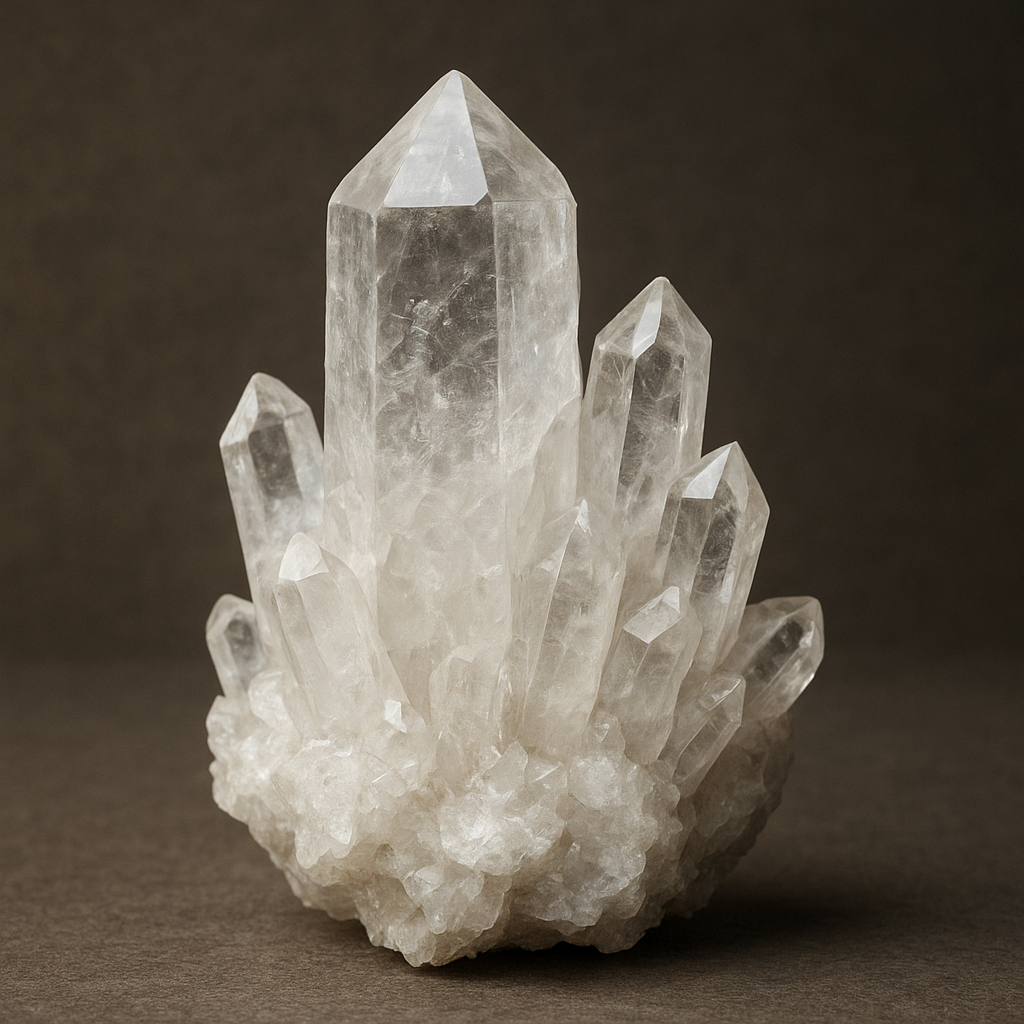
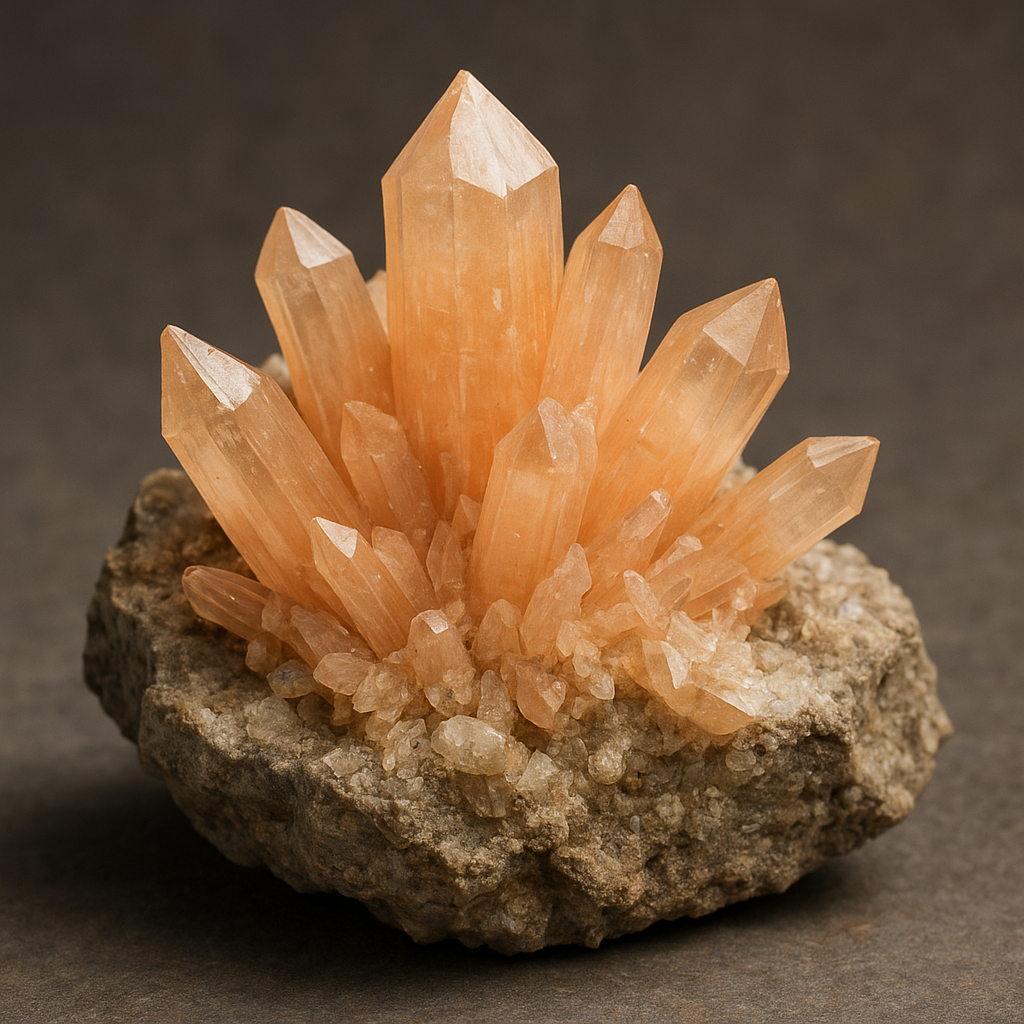
Creedite frequently presents as slender, elongated crystals or as radial sprays and crusts that coat cavity walls. Its crystals may be transparent to translucent and display a range of colors from colorless or white through pale yellow and orange to violet or lilac, depending on trace impurities and growth conditions. The mineral typically exhibits a bright, vitreous to slightly pearly luster that enhances specimens collected from fine vugs and seams.
Composition and notable traits
Although creedite is chemically complex, it is primarily a calcium- and aluminum-bearing species that incorporates fluoride and sulfate components together with hydroxyl and water in its structure. This unique combination gives creedite a distinct chemical signature that is useful to researchers tracing the movement of fluorine-rich fluids in the upper parts of hydrothermal systems. The presence of fluoride in the structure is one reason creedite is often associated with other fluoride-bearing minerals.
Crystal form and diagnostic properties
Specimens are typically acicular to prismatic, and may form elegant sprays or tufts that are highly prized by collectors. Under magnification, individual crystals often show fine striations and well-defined terminations. Optical properties such as refractive indices and birefringence, along with crystal habit and association, help to distinguish creedite from visually similar species. When preparing or studying creedite, care is advised because many specimens are fragile and sensitive to prolonged exposure to humid conditions.
Where creedite occurs: geological settings and notable localities
Creedite most often forms in oxidized zones above primary sulfide deposits and in the late stages of hydrothermal activity where fluids evolve and become enriched in complex anions. It commonly appears in open cavities, fractures, and as crusts lining vugs, where slow fluid flow allows thin, delicate crystals to grow. The mineral’s occurrence is strongly controlled by local chemistry—especially by the availability of calcium, aluminum, fluoride, and sulfate—and by the pH and oxidation state of fluids.
Typical geological environments
- Oxidation zones of polymetallic veins and replacement deposits, where supergene processes concentrate certain elements.
- Near-surface alteration envelopes above fluorine-rich hydrothermal systems, often in arid or semi-arid climates where evaporation can concentrate solutes.
- Secondary mineral assemblages in vugs and voids, growing after or alongside other late-stage minerals such as fluorite and barite.
Well-known localities and distribution
Creedite is relatively rare but has been reported from a selection of classic mineral localities worldwide. Many of the most celebrated specimens come from Mexico, where a number of silver and base-metal mines produced fine creedite crystals in open pockets. Other occurrences are recorded from parts of the southwestern United States, South America, and pockets in Europe and Asia. Because creedite forms in the last stages of mineralization, the best specimens are often found in well-explored mines where collectors can search vugs and seams for delicate crystal aggregates.
Associations with other minerals and paragenesis
Understanding the minerals commonly found with creedite provides important clues about the geochemical story of the deposit. Creedite is typically associated with a suite of secondary minerals that form under oxidizing conditions and in the presence of fluoride. These associations can include barite, fluorite, calcite, smithsonite, hemimorphite, adamite, and various manganese and iron oxides, among others.
Paragenetic sequence
In many deposits, creedite is a late-stage mineral. The paragenetic sequence often begins with primary sulfide deposition (e.g., galena, sphalerite, argentiferous minerals) under reducing conditions. Subsequent oxidation and hydrothermal overprinting produce fluids carrying sulfate and fluoride. As conditions evolve—pH changes, temperature drops, and oxygenation increases—secondary minerals precipitate. Creedite forms during these final stages when constituents like calcium and aluminum become available and fluoride and sulfate are present in stable concentrations.
Implications for geochemistry
Because creedite requires a particular balance of ions and environmental parameters to form, its presence in an assemblage is a useful indicator of the fluid chemistry during the late stages of mineralization. Geochemists use such minerals to reconstruct fluid evolution paths, including evaporation effects and mixing between fluids of differing composition. The study of creedite, therefore, aids in understanding the mobility of fluoride in the near-surface environment and the timing of oxidation processes in ore deposits.
Human interest: collecting, display, and scientific study
Creedite occupies a special niche: it is too rare and delicate to be an industrially important mineral, yet it commands respect among collectors and researchers for its beauty and the geological stories it tells. Well-formed sprays and lustrous single crystals fetch attention at mineral shows and in museum displays. Because the best specimens are often found in limited pockets, high-quality creedite is collectible and sometimes valuable.
Practical aspects of collection and conservation
Collectors prize creedite for its aesthetics, but handling and conservation require care. The acicular crystals may be brittle and react to prolonged moisture or mechanical stress. Conservative cleaning techniques—gentle brushing, controlled low-pressure air—are recommended. Aggressive acid cleaning is generally inappropriate because it can attack the mineral or matrix. When shelving or displaying creedite, mount it on stable supports and avoid exposure to frequent temperature swings or high humidity.
Scientific uses and ongoing research
From a research perspective, creedite is interesting for several reasons. Its mixed anion chemistry provides a natural laboratory for studying how fluoride and sulfate coexist within a single mineral framework, and how hydroxyl and water molecules are incorporated. Analytical work—X-ray diffraction, electron microprobe analyses, and spectroscopic studies—helps refine structural models and determine trace element substitutions. Researchers also look at creedite in the context of environmental mineralogy, assessing how fluoride mobility might be recorded in secondary mineral phases.
Related topics and curiosities
Exploring creedite leads naturally to many related areas of interest, from mineral paragenesis to the cultural appeal of rare minerals. Several topics that often engage both enthusiasts and scientists include:
- Type localities and naming: The history of how a mineral was first described and named gives context to its recognition in the scientific literature and among collectors.
- Fluoride geochemistry: Fluoride is an element of environmental concern and economic interest; minerals that host fluoride are key to understanding its distribution in the crust.
- Crystal growth: Investigations into how creedite crystals nucleate and grow in tiny vugs supply broader lessons about crystal habit control in constrained spaces.
- Conservation ethics: Because crestite-bearing pockets are finite, ethical collecting and documentation help preserve scientific value and public enjoyment.
Visual appeal and mineral photography
Photographers often find creedite rewarding because its slender crystals and subtle colors respond well to controlled lighting. Detailed macro photography can reveal growth features, inclusions, and delicate terminations. When sharing images, including locality and collection data increases the educational value for viewers and helps document the mineral’s occurrence and context.
Cultural and educational value
Specimens of creedite displayed in museums and teaching collections serve as tangible examples of complex mineral chemistry and late-stage hydrothermal processes. They can stimulate interest in earth sciences among students and the general public, illustrating how small-scale mineral features reflect large-scale geologic histories. For communities near classic localities, well-documented minerals also carry historical significance, linking modern collectors and geologists to the mining heritage of the region.
Practical notes for enthusiasts and researchers
For those interested in exploring creedite further, a few practical recommendations can enhance both enjoyment and scientific value:
- When acquiring or trading creedite, ask for precise locality data and any available provenance to maintain scientific and collectible worth.
- Handle specimens with care: use padded supports, minimize handling, and avoid solvents or cleaning agents unless guided by an experienced conservator.
- For researchers, combine field observations with laboratory analysis—thin sections, microprobe, and X-ray diffraction—to fully characterize specimens and avoid misidentification with similar acicular minerals.
- Engage with local mineral clubs and museums; many institutions maintain archives and publications that document important find histories and can point to underreported occurrences.