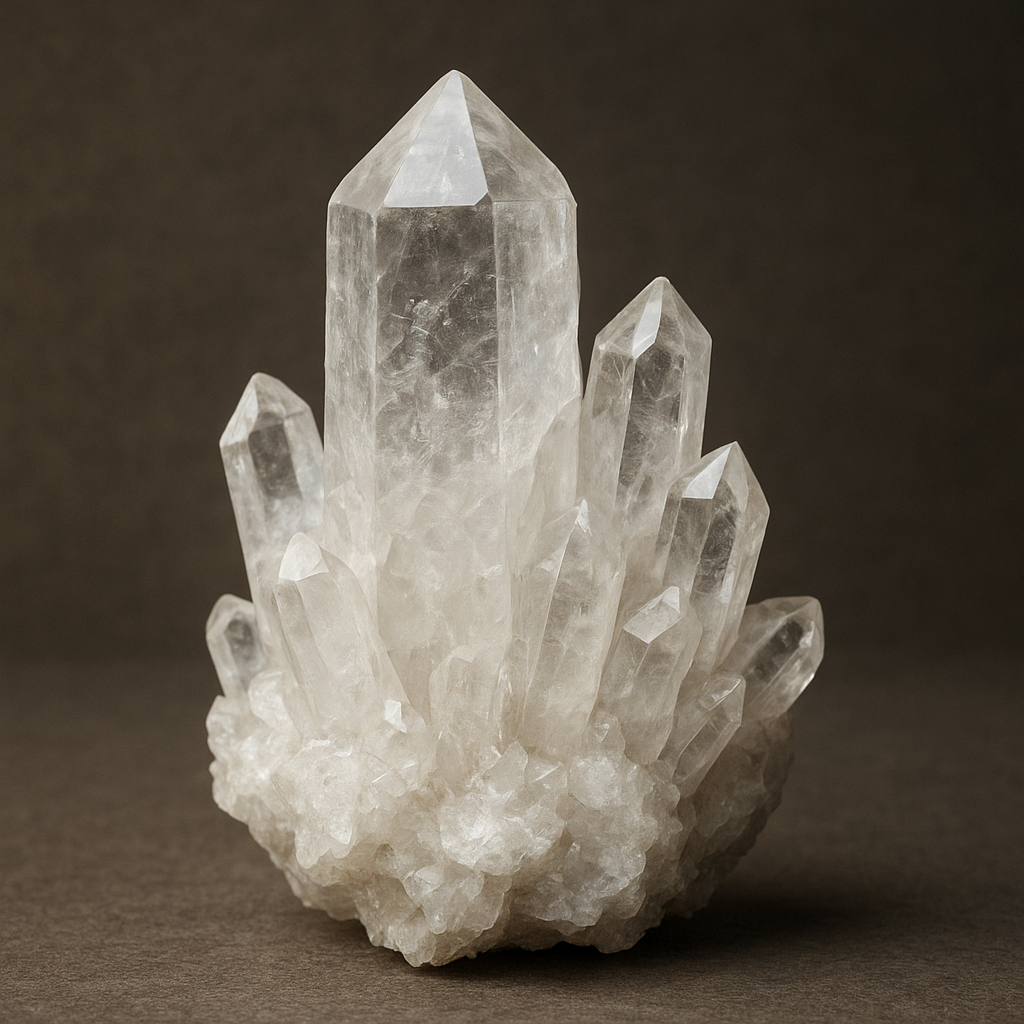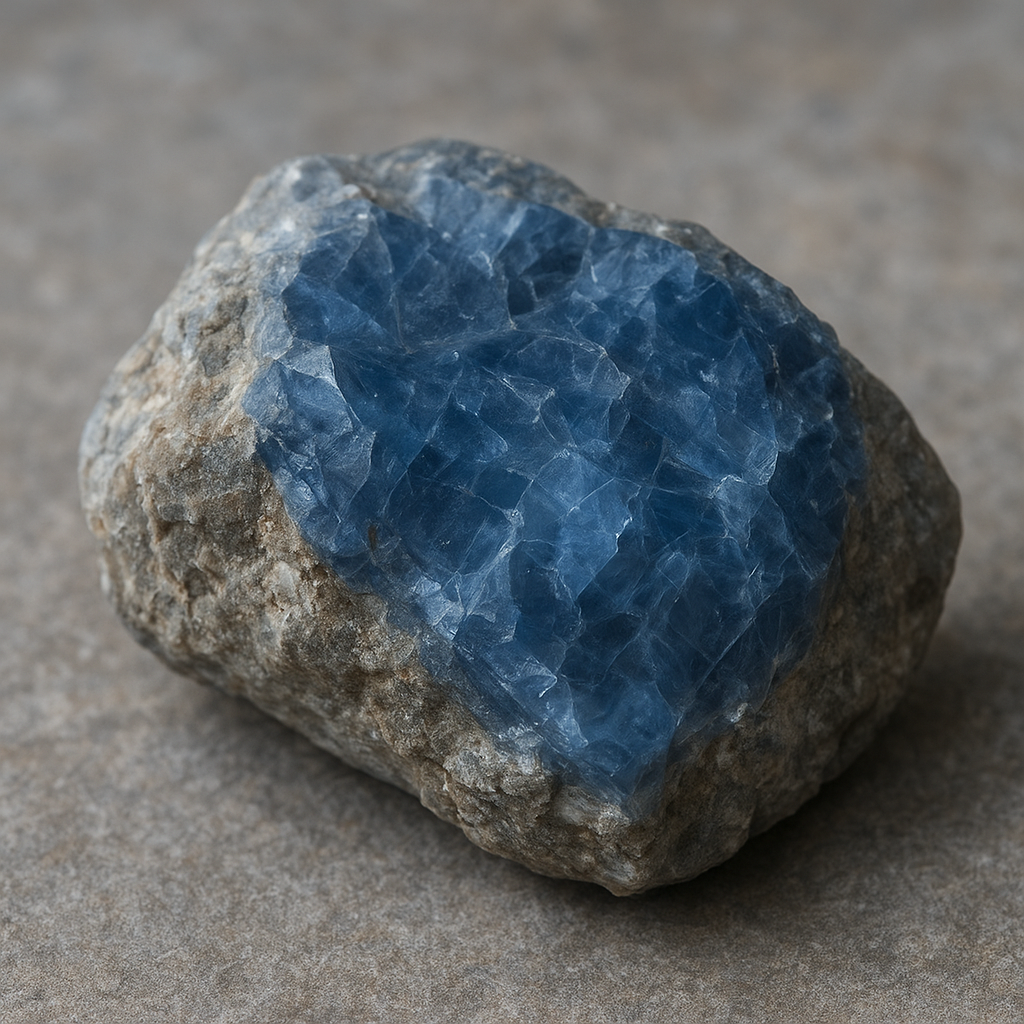
Cordierite is a often-overlooked but technologically important mineral and ceramic phase with a mix of geological intrigue and practical value. This article explores its identity, where it forms in nature, how it is harnessed in industry, and several fascinating aspects that bridge mineralogy, materials science, and everyday technology. Expect discussion of its structure, properties such as very low thermal expansion, common uses like honeycomb catalytic substrates, and the gem-quality variety known as iolite.
What cordierite is: composition and structure
Cordierite is a silicate mineral whose idealized chemical formula can be written as Mg2Al4Si5O18, though natural samples commonly contain substitutions of Fe and other elements. It belongs to the cyclosilicate family and crystallizes in an orthorhombic or pseudohexagonal form. The crystal framework creates channels and rings of silica tetrahedra interlinked with aluminum and magnesium octahedra, giving the phase a distinctive combination of properties: relatively low density, moderate hardness, and an unusually low and anisotropic thermal expansion. In nature and in synthetic ceramics the balance of iron, magnesium and aluminum controls color, density, and some mechanical traits.
Crystal chemistry and related minerals
- The iron-rich end-member is sometimes classed separately (sekaninaite-like composition), producing a darker, sometimes brownish cordierite.
- Structural relatives include other aluminosilicates such as mullite in industrial ceramics; composites of these phases are engineered to combine toughness with thermal stability.
- Pleochroism (strong color change with viewing direction) is notable in transparent gem-quality specimens, where the optical anisotropy reflects the internal crystal structure.
Where cordierite occurs in nature
Cordierite forms in a narrow set of geological environments that favor high-temperature, low-pressure conditions or contact metamorphism. It commonly appears in:
- Contact-metamorphosed shales and hornfels around igneous intrusions, where heat and fluids transform aluminous sediments into new minerals.
- Metamorphic environments of the high-temperature, low-pressure type (sometimes in migmatites and gneisses), where partial melting and recrystallization occur.
- Some igneous xenoliths and in metapelites with the right bulk chemistry (magnesium and aluminum rich).
Gem-quality cordierite, known as iolite, is found in deposits that include alluvial gravels and primary metamorphic host rocks. Notable localities for gem material and specimens include parts of South Asia, East Africa, and several regions of the Americas. Because cordierite forms under specific thermal regimes, its presence in a rock can act as an index mineral, helping geologists reconstruct the thermal history and metamorphic conditions of a terrain.
Physical and thermal properties
Many of cordierite’s industrial uses flow directly from a handful of striking properties. The most important are:
- Low thermal expansion: cordierite exhibits one of the lowest coefficients of thermal expansion among common ceramics, which translates to excellent resistance to thermal shock — rapid temperature changes that would shatter ordinary ceramics.
- Good thermal stability: it remains stable over a wide high-temperature range, making it useful where repeated heating and cooling cycles occur.
- Moderate hardness (roughly 7–7.5 on the Mohs scale for gem-quality material) and acceptable mechanical strength when formed into supportive geometries like honeycombs.
- Porosity and microstructure can be engineered: cordierite-based ceramics are often made with controlled pore structures to reduce density and weight while maintaining structural integrity.
- Dielectric and low-loss properties for some electronic and microwave applications, although more specialized ceramics are generally used for high-frequency needs.
Industrial applications and technology
Perhaps the best-known application of synthetic cordierite is as the structural basis for extruded honeycomb substrates used in automobile catalytic converters. The honeycomb geometry maximizes surface area while minimizing backpressure, and cordierite’s low thermal expansion helps the substrate survive the rapid heating events of engine exhaust systems.
Catalytic converter substrates
- Automotive catalysts rely on a rigid ceramic monolith onto which catalytic metals (platinum, palladium, rhodium) are washcoated. Cordierite honeycombs are produced by mixing raw materials, extruding the honeycomb, and firing to form the cordierite phase in situ.
- Its combination of low density, mechanical strength, and thermal shock resistance makes cordierite the industry standard for gasoline engine applications and many other exhaust treatment systems.
Kiln furniture and refractory components
Cordierite-based refractories and kiln furniture exploit the mineral’s dimensional stability under repeated heating. Tableware, insulators, supports and fixtures that must not warp or crack during thermal cycling are often made from cordierite blends or composites with phases such as mullite.
Other industrial and technological uses
- Porous cordierite ceramics for filtration and lightweight structural components.
- Substrates for catalysts in stationary sources, gas turbines, and diesel aftertreatment systems (though diesel systems often require materials with higher thermal endurance under soot-burn regeneration).
- Specialized electrical insulation where thermal stability and low loss are desired.
Cordierite in ceramics and manufacturing
Producing cordierite ceramics is a matter of controlling chemistry and firing pathways so that the cordierite phase crystallizes with the desired microstructure. Typical industrial routes mix talc, clay (kaolin), alumina, and sometimes silica or other fluxes. During firing, reactions among these components form cordierite crystals embedded in a controlled glassy or crystalline matrix.
Shaping and processing techniques
- Extrusion to form honeycomb monoliths for automotive catalysts.
- Pressing and casting for kiln furniture and other structural pieces.
- Sintering schedules tailored to control porosity, grain size and the balance between crystalline phases — factors that determine strength, density, and thermal behavior.
Engineering the microstructure is crucial because cordierite’s practical performance depends as much on the engineered geometry and pores as on the intrinsic crystal chemistry.
Gemology: iolite and optical peculiarities
The gem-quality variety of cordierite, called iolite, is prized for its deep blue to violet colors and strong pleochroism: the stone shows different colors (typically blue, yellow, and gray) when viewed from different directions. Historically, iolite has been suggested as a navigational aid used by seafarers to locate the sun’s position on overcast days thanks to its polarized-light properties, though the historic evidence for widespread Viking use remains debated.
- Hardness and durability make iolite suitable for many types of jewelry, but care should be taken to avoid sharp blows because some specimens can have distinct cleavage planes or inclusions.
- Heat treatment and cutting both influence the perceptible color and pleochroism; lapidaries orient cuts to maximize the desirable color face.
Synthesis, recycling and environmental considerations
Synthetic cordierite manufacture supports large-volume uses like automotive substrates, which presents both engineering challenges and environmental considerations. The production process consumes raw minerals (talc, clays, alumina sources) and energy for high-temperature firing. End-of-life catalytic converters are recycled for their precious metals, but the ceramic honeycomb substrate itself also enters waste streams.
- Recycling routes focus primarily on recovery of catalytic metals; however, research explores ways to reclaim and reuse cordierite substrates or grind them into filler materials for other ceramic or cement applications.
- Improvements in cordierite formulations and processing aim to reduce firing temperatures and energy use while maintaining the required mechanical and thermal properties.
- Because cordierite-based catalysts are central to reducing vehicle emissions, improvements in substrates indirectly support environmental goals by enabling effective catalytic performance.
Interesting facts, history and cultural notes
The name cordierite honors the French geologist and mineralogist Pierre Cordier. The mineral has intrigued collectors and scientists for centuries because it links pure mineralogy with practical technology: the same fundamental crystal that produces an attractive pleochroic gemstone also underpins the ceramic substrates that reduce automotive pollution. The dual identity—gem and workhorse ceramic—makes cordierite a particularly versatile and human-relevant mineral.
- Its pleochroic property gave rise to the gem trade name iolite, from Greek ios (violet).
- As a mineral indicator, cordierite helps geologists infer thermal histories and metamorphic gradients in rocks subjected to contact or regional metamorphism.
- In materials research, cordierite serves as a model phase for studying low-expansion ceramics and composite strategies that combine glassy and crystalline phases for tailored thermal-mechanical behavior.
Future directions and research
Active research areas involving cordierite include improving formulations for greater resistance to extreme thermal excursions (relevant for next-generation engines and industrial converters), lowering production energy consumption, and exploring cordierite composites with enhanced mechanical toughness or multifunctional properties (for example, embedding catalyst-supporting nanoparticles directly into the ceramic matrix). The continuing need to control emissions, improve fuel efficiency, and reduce manufacturing impacts means cordierite will likely remain an important material for decades to come.