
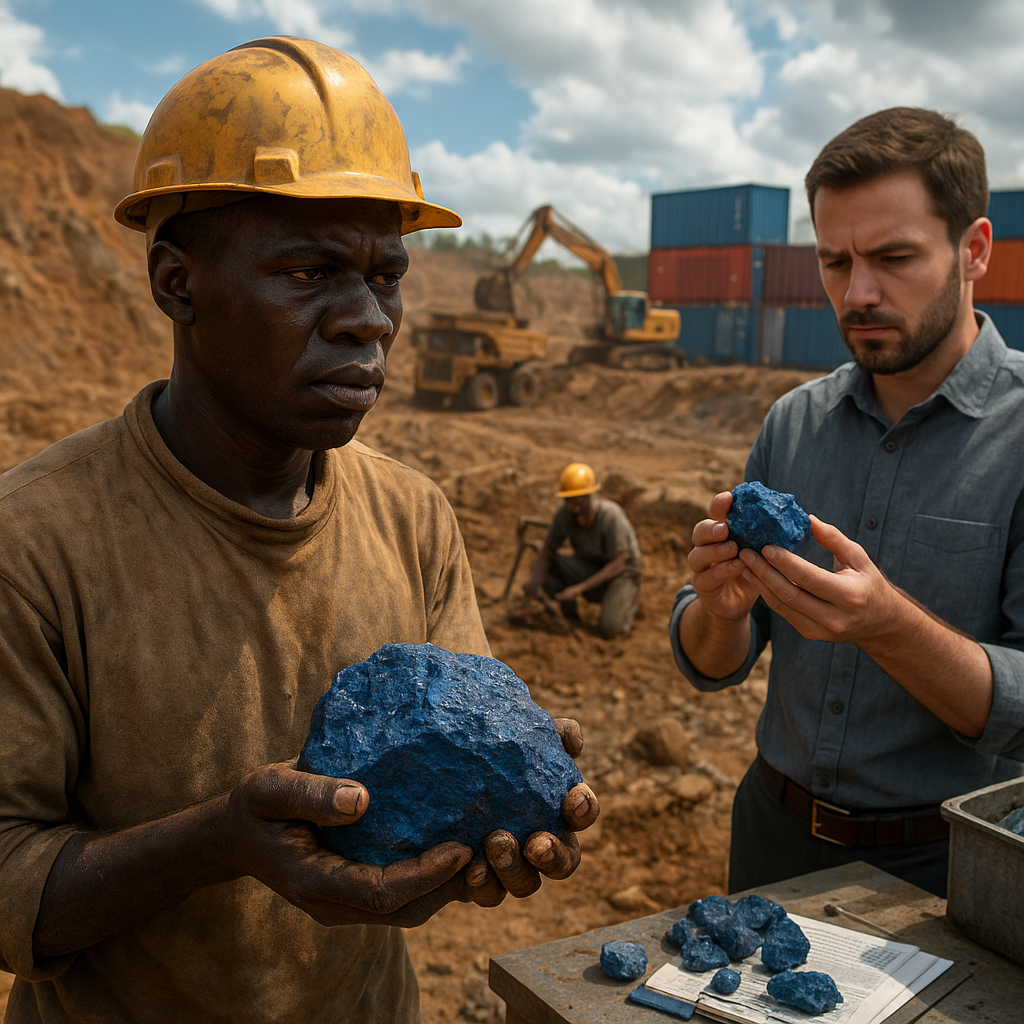
The global demand for critical minerals has placed cobalt at the center of conversations about energy transition, high-tech manufacturing and responsible trade. As a key component in many lithium-ion batteries, cobalt’s supply chain touches complex geological, economic and social realities. This article examines the multifaceted challenges of mining cobalt, focusing on the human rights, environmental and governance concerns that have driven calls for more ethical sourcing. It outlines practical obstacles to reform, highlights ongoing innovations in policy and industry practice, and considers what meaningful traceability and sustainability might require from companies, governments and consumers.
Geography and economics of cobalt production
Cobalt is rarely found in pure form; it is typically extracted as a byproduct of copper and nickel operations or recovered from polymetallic deposits. The largest share of global production and reserves is concentrated in the Democratic Republic of the Congo (DRC), which creates a supply dynamic in which a single country disproportionately influences market stability and price volatility. Other producers include Russia, Australia, the Philippines and Canada, but the DRC’s dominance has major implications for both supply security and responsibility for ensuring safe and fair extraction.
The economic drivers behind cobalt extraction are powerful. Rapid electrification of transport, rising demand for consumer electronics and expansion of grid-scale storage have pushed commodity markets to re-evaluate cobalt’s strategic importance. Mining firms and national governments see significant revenue opportunities, yet much of the DRC’s cobalt wealth has not translated into broad-based economic development. A combination of weak institutionality, corruption risks and informal economies means that local communities often see the costs of extraction — environmental degradation, displacement and health impacts — without sustained benefits.
Supply concentration and market risk
- High geographic concentration exposes the market to political and operational shocks.
- Byproduct nature of cobalt production links its availability to the economics of other metals.
- Speculative demand driven by future-facing industries can create boom-and-bust cycles.
Human rights and ethical concerns in cobalt extraction
One of the most acute controversies surrounding cobalt is the documented prevalence of hazardous conditions in small-scale and artisanal mining operations, particularly in eastern DRC. Reports have highlighted child labor, poorly regulated work environments, and violent conflicts over mine access. The term artisanal often denotes informal miners who operate with limited protective equipment, minimal oversight and insecure tenure, making them highly vulnerable to exploitation. These human rights abuses have sparked global scrutiny from civil society organizations, purchasers and regulators seeking to sever links between supply chains and harm.
Key ethical concerns include:
- The use of child labor and exposure of minors to toxic and physically dangerous work;
- Poor occupational health and safety standards leading to high rates of injury and long-term illness;
- Exploitative economic arrangements in which middlemen capture profits and miners receive minimal compensation;
- Coercion, displacement and human rights abuses tied to armed groups or corrupt officials.
Addressing these issues is not only a moral imperative but also a commercial and legal one: companies face reputational risk, investor pressure and potential supply chain liabilities if they fail to ensure responsible sourcing. However, the pathways to reform are not straightforward. Traceability requirements can inadvertently harm affected communities if they push artisanal miners out of legitimate markets without providing alternatives, and unilateral sourcing bans can exacerbate poverty and instability.
Community impacts and social license
Local communities often experience both direct and indirect impacts of mining: contamination of water sources, dust and noise, loss of agricultural land, and increased social conflict. Securing a social license to operate — that is, acceptance by local stakeholders — depends on transparent engagement, equitable benefit sharing and remediation of harms. Without meaningful participation, compensation and long-term development strategies, operations may face ongoing resistance that further undermines governance and sustainability objectives.
Environmental impacts and technical challenges
Beyond social concerns, cobalt extraction and processing generate significant environmental pressures. Mining activities can lead to deforestation, soil erosion and contamination from tailings and chemical effluents. The refining of cobalt often involves energy-intensive smelting and hydrometallurgical processes that carry greenhouse gas footprints and risks of toxic byproducts. In regions with weak environmental oversight, these impacts can be magnified and persist long after mines close.
Technical challenges complicate efforts to reduce the environmental cost of cobalt production:
- Remediation and reclamation require long-term funding commitments and technical capacity that are often lacking;
- Processing low-grade ores or complex concentrates can be less efficient and more polluting;
- Limited access to clean energy in mining regions increases dependence on fossil fuel-based power for extraction and processing.
Innovation is occurring across the value chain. Improvements in metallurgy can reduce waste and increase recovery rates. Research into battery chemistries aims to reduce cobalt content or eliminate it entirely, though such technical substitution can take years to scale and may introduce trade-offs related to energy density, longevity and safety. Recycling end-of-life batteries also presents an important opportunity: efficient recovery of cobalt from spent batteries could alleviate pressure on primary extraction and improve circularity within the tech and automotive sectors.
Pathways to ethical sourcing and policy responses
Creating a more ethical cobalt supply chain requires coordinated actions from companies, governments, investors and civil society. No single measure will suffice; rather, a portfolio of interventions can reduce harm while supporting livelihoods and development. Below are key areas of action and examples of measures that stakeholders can adopt.
1. Supply chain due diligence and traceability
Robust due diligence systems are essential. These include mapping suppliers, conducting risk assessments, and implementing monitoring and remediation plans. Technology tools — blockchain pilots, unique material provenance markers and geolocation systems — can improve traceability, but technology alone is insufficient. Verification must be paired with independent audits, community-based grievance mechanisms and transparent reporting to build trust among stakeholders and consumers.
2. Responsible sourcing policies and procurement strategies
Manufacturers and assemblers can set procurement standards that favor responsibly sourced material, incorporate supplier development programs and invest in local processing to capture more value domestically. However, buyers must avoid simplistic delisting approaches that exclude high-risk regions wholesale; instead, they should incentivize improvements and channel investment into compliance and community development.
3. Support for artisanal miners and alternative livelihoods
Formalizing artisanal and small-scale mining (ASM) through registration, training and access to safer equipment can reduce abuses and increase incomes. Programs that link ASM cooperatives to formal markets and offer technical assistance have demonstrated positive outcomes in some contexts. Parallel investments in agricultural productivity, vocational training and small enterprise development provide pathways for miners who choose to transition out of high-risk extraction.
4. Policy, governance and international cooperation
National governments in producing countries must strengthen regulatory frameworks for environmental protection, labor rights and revenue transparency. International cooperation can support capacity building, anti-corruption measures and market incentives for responsible practices. Initiatives such as multi-stakeholder certification schemes and import controls based on due diligence standards are emerging mechanisms to align trade flows with ethical expectations.
- Certification and standards: can provide market signals but require credible enforcement and alignment with local realities.
- Investor engagement: financial institutions can demand responsible sourcing disclosures and influence corporate behavior.
- Research and innovation: funding for alternatives to cobalt and improved recycling can reduce long-term dependency.
Moving toward ethical cobalt sourcing is a complex and iterative endeavor. It necessitates balancing immediate protections for vulnerable workers with long-term strategies for economic development and environmental stewardship. For producers and consumers alike, the choices made today — about procurement, policy and investment — will shape whether cobalt becomes a driver of sustainable progress or a recurrent source of harm.
