The warm, sunlit hues of Citrine have captivated gem enthusiasts, jewelers, and collectors for centuries. As a variety of quartz, this gemstone ranges from pale yellow to deep amber and occupies a unique place at the intersection of geology, craftsmanship, and cultural symbolism. In the following sections you will find a detailed exploration of its geological origins, physical and optical characteristics, practical uses, market realities, and the lore that surrounds it. The aim is to provide both practical information for buyers and enthusiasts and a deeper appreciation of the stone’s varied contexts.
Geology and Global Occurrence
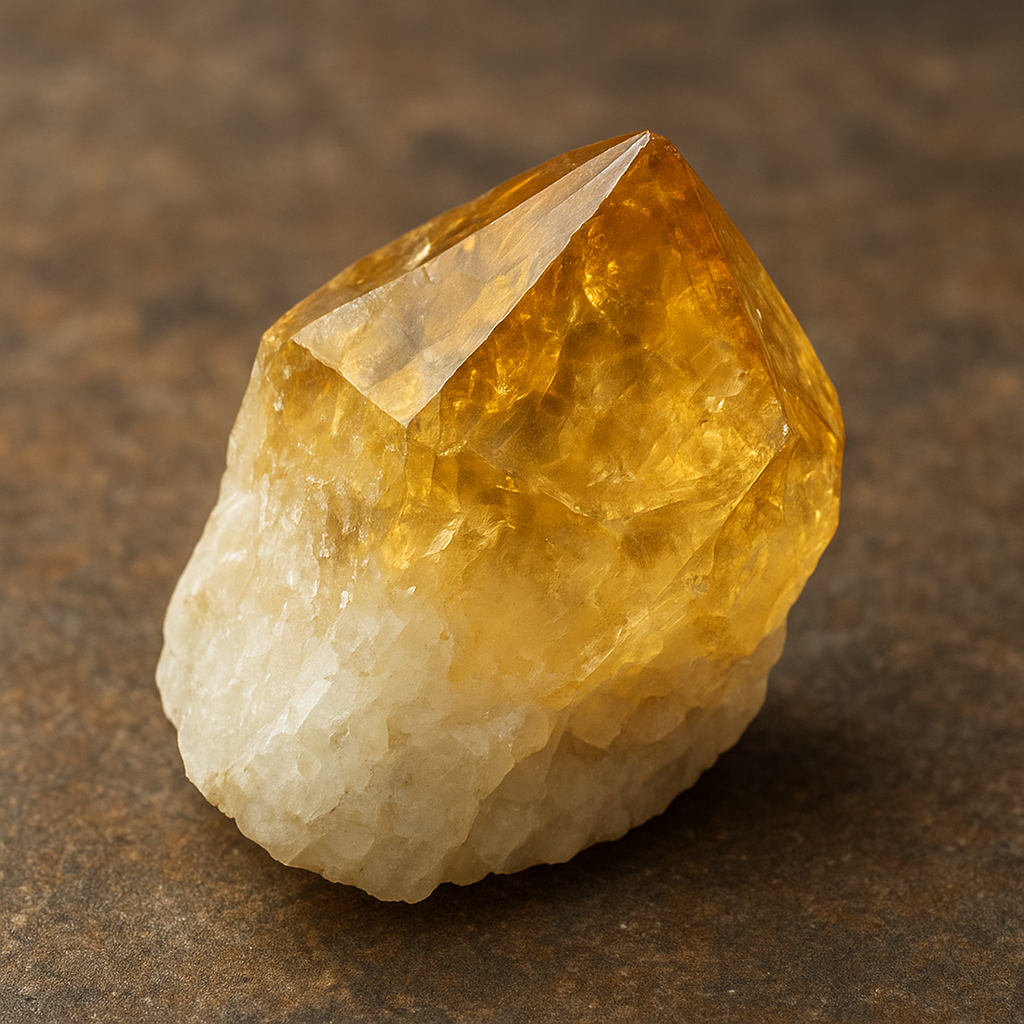
Citrine is a naturally occurring yellow to brownish-orange variety of quartz whose color is primarily caused by trace amounts of iron within the crystal lattice and by natural or artificial heating. The same silica framework that forms amethyst and smoky quartz is present, but slight differences in oxidation state and local geology produce the distinctive warm tones associated with citrine.
Major sources of quality citrine include:
- Brazil — By far the largest producer of both natural and heat-treated material; key states include Minas Gerais, Rio Grande do Sul and Bahia.
- Madagascar — Known for crystals with attractive color and good clarity.
- Russia — Historical finds in the Ural Mountains produced fine specimens and contributed to early gem collections.
- Spain and the Iberian Peninsula — Smaller, historical deposits supplying local markets.
- United States — Notable occurrences in Colorado and North Carolina, generally of smaller commercial importance.
In many deposits, citrine forms in hydrothermal veins, cavities (vugs) in volcanic rocks, and in pegmatitic pockets where slow cooling allows large, transparent crystals to develop. Natural citrine is relatively rare in pure form; what the market often sells as citrine is frequently heat-treated amethyst or smoky quartz converted by controlled heating to produce warm yellow-to-orange tones. Natural versus heat-converted stones can often be distinguished by subtle color zoning, inclusions, or by advanced spectroscopic testing.
Physical and Optical Properties
Citrine belongs to the trigonal crystal system and shares the basic chemical formula SiO2 with all quartz varieties. Its fundamental physical parameters make it a practical gemstone for everyday wear and versatile gem cutting:
- Hardness: 7 on the Mohs scale — sufficiently hard for most jewelry applications, resistant to scratches from ordinary wear.
- Specific gravity: approximately 2.65 — consistent with quartz family members.
- Refractive index: generally between 1.544 and 1.553 — produces good brilliance when well cut.
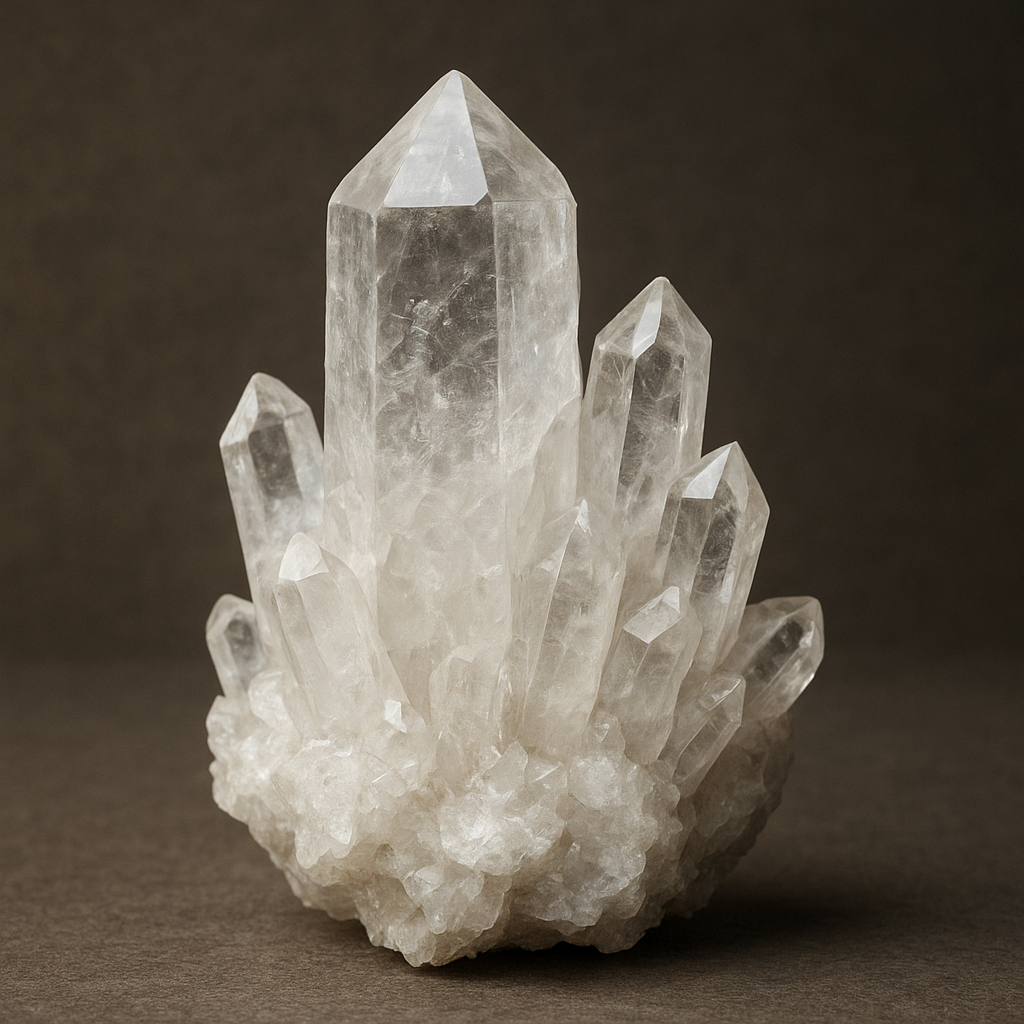
- Crystal habit: typically prismatic hexagonal crystals with well-formed terminations; commonly faceted or cut into cabochons and beads in finished form.
- Cleavage: absent — quartz fractures conchoidally, which influences cutting and durability.
Optically, citrine shows no true pleochroism, but natural specimens can display zoning or gradations of color that result from variations in iron concentration. Transparent, eye-clean stones are prized for faceted gems, while deeply colored or included material often finds use in beads and cabochons. Cutters often emphasize the stone’s golden hues with brilliant or step cuts to maximize luster and color saturation.
Varieties, Color Terminology and Treatments
Collectors and dealers use several informal names to categorize citrine by color and tone. Typical categories include “lemon citrine” (pale yellow), “golden citrine” or “topaz citrine” (medium golden yellow), and “Madeira citrine” (deep reddish-orange reminiscent of Madeira wine). It is important to understand that many of these descriptors reflect market preferences rather than strict gemological definitions.
One of the most important market realities is that much of what is sold as citrine is actually heat-treated amethyst or smoky quartz. Heating amethyst at temperatures typically between 400–500°C can alter its iron impurities, producing yellow to orange tones. Heat-treated material is stable under normal conditions and widely accepted in the trade, but transparency about treatment is important for ethical and valuation reasons.
Uses and Applications
Historically and today, citrine is versatile in use, spanning multiple domains:
- Jewelry — The primary use. Because of its attractive color palette and reasonable durability, citrine is popular in rings, pendants, earrings, bracelets, and brooches. It is commonly faceted into shapes such as oval, round, cushion, and emerald cut to showcase color and brilliance.
- Beads and carvings — Lower grade or included material is frequently used for beads, cabochons, and small ornamental carvings. Its warm tones complement many metal settings, notably yellow gold and sterling silver.
- Collector specimens — Well-formed crystal clusters and large, gem-quality stones are sought after by mineral collectors and museums.
- Metaphysical and healing contexts — Citrine is popularly associated with themes of abundance and prosperity in contemporary spiritual and New Age practices. It is often recommended for its “sunny” energy and is associated with the solar plexus chakra. While such claims are cultural and symbolic rather than scientific, they influence demand and design in markets that cater to spiritual consumers.
Because the underlying material is quartz, citrine is not typically used in high-tech applications the way clear quartz crystals might be in electronics or precision devices; its commercial role remains primarily ornamental and symbolic.
Market, Value and Buying Tips
The citrine market offers accessible price points in comparison to many other colored gemstones. Value is determined by a combination of color, clarity, cut, and carat weight. Deep, evenly saturated, warm golden or reddish-orange stones tend to command higher prices, especially when they exhibit excellent clarity and are free from eye-visible inclusions.
Key buyer tips include:
- Ask about origin and treatments — Transparency on whether the stone is natural or heat-treated is essential.
- Prefer even color — Stones with even distribution of warm color typically look more attractive and are easier to price.
- Request certification for high-value purchases — A gemological certificate can confirm identity, treatments, and occasionally origin information.
- Be aware of imitations — Glass and other simulants can mimic citrine; reputable sellers should provide guarantees or test reports.
- Consider setting and wear — Because of its relative affordability and durable nature, citrine is a good choice for larger statement stones in rings and pendants.
While natural citrine exists and is valued by purists, a large proportion of commercial citrine comes from heated amethyst. This practice has expanded supply and kept prices accessible, which has helped citrine maintain steady popularity in fashion and affordable fine jewelry markets.
Imitations, Synthetics and Identification
Because the color range of citrine is visually appealing and the demand is steady, imitations and treated stones are common. Methods of imitation and modification include:
- Simple glass imitations — These can be convincing to the untrained eye but are softer and have different optical properties than quartz.
- Dyeing — Some low-grade quartz may be dyed to enhance color; dyes may fade or concentrate in fractures.
- Heat treatment — The most common alteration; stable and accepted as long as disclosed.
- Lab-grown quartz — Synthetic quartz can be produced with similar chemical and physical properties; gem labs can distinguish synthetic from natural through growth features and trace element patterns.
Identification techniques used by gemologists include magnification to inspect inclusions and growth patterns, spectroscopy to detect trace-element signatures and heating effects, and sometimes advanced methods like infrared or Raman spectroscopy. For consumers, buying from reputable dealers and requesting documentation minimizes the risk of undesired surprises.
Care, Maintenance and Practical Advice
Citrine is relatively robust, but appropriate care extends its beauty and life in jewelry form. Practical recommendations:
- Cleaning — Warm, soapy water and a soft brush are usually safe and effective. Rinse thoroughly and dry with a soft cloth.
- Avoid harsh chemicals — Household cleaners and strong acids or bases can dull the surface or damage settings.
- Storage — Store separately from harder stones (such as diamonds) to avoid surface abrasions. Use soft pouches or lined jewelry boxes.
- Ultrasonic and steam cleaners — Use caution. While many stable, eye-clean citrines tolerate ultrasonic cleaning, stones with fracture-filling, cracks, or certain treatments should be avoided. When in doubt, use gentle hand cleaning.
- Sunlight exposure — Prolonged, intense exposure may slightly affect color over very long periods for some heat-treated materials; normal wear is usually fine.
Regular inspection of settings and periodic professional cleaning will help maintain both the gemstone and the jewelry piece for years of enjoyment.
Cultural Significance, Folklore and Design Trends
The warm palette of citrine has made it a recurring favorite across various jewelry fashions. It experienced particular popularity in Victorian jewelry and later in the bold geometric lines of the Art Deco period. Contemporary designers often choose citrine for its affordability and its ability to pair well with both classic and modern metalwork.
In metaphysical communities, citrine is commonly invoked as a stone of manifestation and abundance. It is associated with sunlight, vitality, and the encouragement of confidence and creativity. Whether used as a personal talisman, a decorative object in homes and workplaces, or in meditation practices, the stone’s meanings contribute significantly to its continued popularity.
Interesting cultural notes:
- Because of its golden color, citrine has sometimes been used historically as a less expensive substitute for topaz and other yellow gemstones.
- It is often recommended in modern crystal healing for entrepreneurs, artists, and anyone seeking to attract financial or creative success — a trend that has bolstered demand in the spiritual retail market.
- Designers value citrine for large, dramatic stones that remain affordable compared to topaz and yellow sapphire, enabling statement pieces without exorbitant costs.
Notable Collecting Considerations
For mineral collectors and connoisseurs, the appeal of citrine often lies not in the mass market faceted stones but in fine crystal specimens and rare, untreated material. Collecting priorities typically include crystal size, termination quality, color uniformity, and provenance. Large, naturally colored citrine crystals are much rarer and command premium attention in the collecting community.
Collectors also appreciate well-documented specimens from famous localities. When evaluating an item for a collection rather than purely for jewelry use, the following are important:
- Clear documentation of locality and acquisition history
- Evidence of natural color versus treated material
- Quality of crystal form and any associated minerals (e.g., smoky quartz or amethyst zones)
- Rarity and uniqueness in the context of the collector’s theme
Buying from reputable dealers, attending gem and mineral shows, and consulting reference guides or gemological laboratories are recommended practices for serious collectors.
Scientific and Educational Uses
While citrine itself is not typically a functional material in industrial contexts, quartz in general is significant in scientific and educational settings. Citrine specimens are often used in geology and mineralogy teaching to illustrate concepts of mineral formation, crystal habit, and the effects of trace elements and heat on color. Museum displays and teaching collections commonly include citrine as an example of the diversity within the quartz family.
In gemological research, citrine provides opportunities to study natural versus artificial color origins, trace-element geochemistry, and the stability of color under varying environmental conditions. Such research has implications for authentication practices and deepens understanding of mineral formation processes.
Closing Thoughts
The warm glow of Citrine continues to inspire designers, collectors, and spiritual seekers alike. From its geological story in hydrothermal veins and pegmatites to its broad presence in affordable and high-style jewelry, the stone bridges the scientific and the symbolic. Knowing how to assess color, clarity, and treatment—and appreciating the contexts in which citrine is formed and used—enables buyers and enthusiasts to make informed choices and to enjoy the rich interplay of nature, craft, and culture that this inviting gem represents.