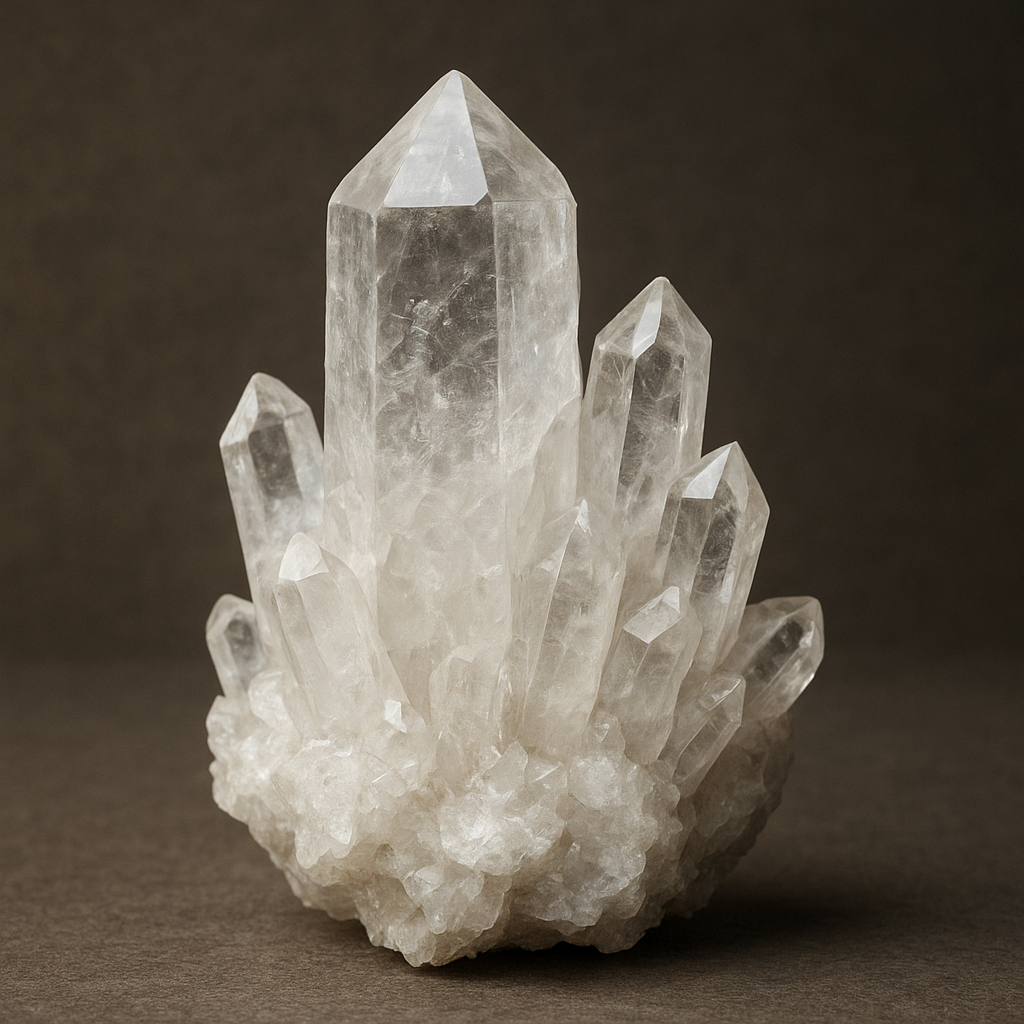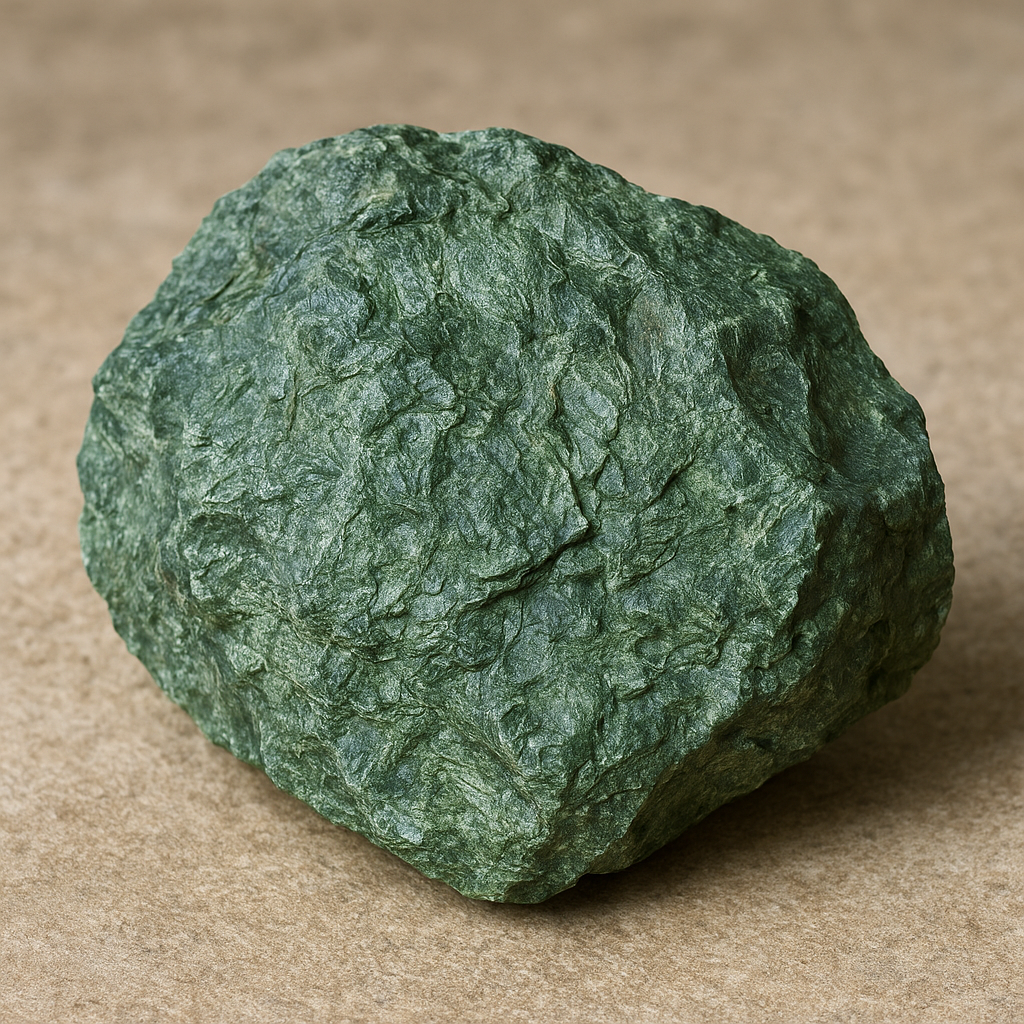
Chlorite is a term with two closely related but distinct meanings: it refers both to a group of chlorine oxyanions in chemistry and to a widespread family of green phyllosilicate minerals in geology. This dual identity makes the subject rich and interdisciplinary, touching on industrial chemistry, water treatment, environmental health, petrology, and even microbiology. Below you will find a detailed exploration of the nature of chlorite, where it occurs, how it is used, and some especially interesting facets of its chemistry and mineralogy.
What chlorite is: chemistry and mineralogy
In aqueous chemistry, the chlorite ion has the formula ClO2−. It belongs to the series of chlorine oxyanions that include hypochlorite (ClO−), chlorate (ClO3−) and perchlorate (ClO4−). The chlorine in chlorite is in the +3 oxidation state, and chlorite salts (for example, sodium chlorite, NaClO2) are stable in solution under neutral to slightly alkaline conditions. Chlorite salts are powerful oxidizers or precursors to oxidizing agents when activated under suitable conditions.
In geology, the word chlorite refers to a group of green, flaky phyllosilicate minerals with a characteristic 2:1:1 layered structure: two tetrahedral silica sheets, one octahedral sheet and an extra octahedral “brucitic” sheet that distinguishes the group. Members of the group include clinochlore (Mg-rich), chamosite (Fe-rich) and pennantite (Al-rich), each varying in chemistry and color depending on Fe, Mg and Al proportions. The minerals are soft, usually green to olive-green, and often found as fine-grained aggregates.
Where chlorite occurs naturally
The mineral chlorite is ubiquitous in the Earth’s crust and is especially common in low- to medium-grade metamorphic rocks and in hydrothermally altered basalts. Key natural settings include:
- Greenschist-facies metamorphic rocks: Chlorite is a characteristic index mineral of the greenschist facies, forming when mafic rocks undergo low-temperature metamorphism.
- Altered volcanic rocks and oceanic basalts: Hydrothermal circulation commonly alters primary mafic minerals to chlorite in mid-ocean ridge and island arc settings.
- Weathering profiles and soils: In some weathering environments, chlorite forms as an alteration mineral and can play a role in soil mineralogy.
- Metasomatic and contact zones: Fluids circulating near intrusions can produce chlorite-rich assemblages.
Chlorite’s stability field is controlled by temperature, pressure, and chemical environment (notably magnesium and iron availability). Its presence in rocks is widely used as an indicator of the metamorphic history and fluid conditions that affected the rock.
Industrial and practical applications
The chemical and mineral forms of chlorite find several practical uses:
Chemical uses — sodium chlorite and chlorine dioxide generation
- Sodium chlorite (NaClO2) is the principal commercially important chlorite salt. It is used primarily as a precursor to chlorine dioxide (ClO2), an effective bleaching and disinfection agent. Chlorine dioxide is generated on-site by acidifying a sodium chlorite solution or by other activation routes, producing ClO2 gas that is used in pulp and paper bleaching, textile processing, and water treatment.
- Because ClO2 is a selective oxidant that does not produce as many chlorinated organic byproducts as elemental chlorine, it is often favored where byproduct control is important.
Water treatment and disinfection
Chlorine dioxide produced from sodium chlorite is used for:
- Municipal and industrial water disinfection and biofouling control.
- Treatment of cooling towers and process water where biofilms are a problem.
- Control of taste and odor in drinking water systems.
However, direct use of free chlorite ion in drinking water is regulated because of potential health concerns; when chlorite is formed as a byproduct of chlorine dioxide use, it is monitored to meet regulatory limits.
Mineral uses and implications
While mineral chlorite itself is not a major commodity like feldspar or quartz, its presence is important in:
- Petrographic and metamorphic studies — as an index mineral it helps reconstruct geologic histories.
- Mining and exploration — chlorite can act as a pathfinder mineral in hydrothermal systems or alteration halos around ore deposits.
Health, safety, and environmental aspects
Understanding the safety profile of chlorite in its chemical forms is essential because of its oxidizing properties and biological activity.
- Toxicity: The chlorite ion can be an oxidant in biological systems, potentially causing effects such as hemolysis (damage to red blood cells) at high exposures. It is therefore regulated in drinking water. In the United States, the Environmental Protection Agency (EPA) has set a maximum contaminant level (MCL) for chlorite in public water systems (commonly expressed as 1.0 mg/L), and other jurisdictions have similar limits or guidelines.
- Handling risks: Sodium chlorite and concentrated chlorite solutions are oxidizing and must be stored and handled with care, avoiding contact with combustible materials. Mixing with strong acids will generate chlorine dioxide, a gas that is toxic and potentially explosive at high concentrations.
- Misuse and scams: Sodium chlorite solutions have been misrepresented as “Miracle Mineral Solutions” (MMS) and marketed for consumption as a cure-all; this is dangerous and strongly discouraged by public health authorities because of risks from chlorite and chlorine dioxide exposure.
Analytical detection, regulation and environmental fate
Monitoring and analysis of chlorite is an important part of water quality programs and industrial process control.
- Analytical methods: Common approaches to measure chlorite include ion chromatography, spectrophotometric/colorimetric methods, and certain regulated EPA methods that specify sample preservation and handling to avoid conversion among chlorine species.
- Environmental fate: Chlorite can be reduced or transformed in the environment by natural reductants or by microbial processes. Its mobility in groundwater depends on redox conditions and interactions with organic matter.
- Regulation: Many countries regulate chlorite in drinking water and set monitoring requirements for systems that use chlorine dioxide. Compliance programs focus on controlling formation and release of chlorite byproducts while maintaining effective disinfection.
Microbial interactions and biochemical curiosities
One particularly fascinating aspect of chlorite chemistry is its biological interaction. Certain bacteria that respire chlorate or perchlorate as electron acceptors have evolved a specific enzyme, chlorite dismutase (Cld), which catalyzes the conversion:
ClO2− → Cl− + O2
This reaction produces molecular oxygen and chloride from chlorite, allowing organisms to detoxify or metabolize oxychlorine compounds. The enzyme’s capability to form O2 from an oxyanion is mechanistically and evolutionarily intriguing and has stimulated research into bioremediation of oxychlorine contaminants and into the enzyme’s potential biotechnological applications.
Interesting applications and research directions
Beyond core industrial uses, several research and applied areas make chlorite-related science noteworthy:
- Advanced oxidation processes: Controlled generation of chlorine dioxide from sodium chlorite is used in some advanced oxidation schemes for water and wastewater, often combined with other oxidants or catalysts to tackle recalcitrant contaminants.
- Geothermometry and metamorphic studies: The composition of mineral chlorite can be used to estimate the temperature of metamorphism; detailed geochemical modeling of chlorite compositions helps constrain the pressure-temperature-fluid history of rocks.
- Planetary geology: Spectral signatures matching chlorite-like minerals have been proposed in remote sensing studies of Mars and other planetary surfaces, pointing to past aqueous alteration under specific temperature conditions — a clue for astrobiology and paleoenvironments.
- Remediation: Microbial pathways that convert oxychlorine species, including chlorite, are being harnessed for bioremediation of sites contaminated with perchlorate or chlorate.
Practical guidance and safety reminders
If you work with chemical chlorite or sodium chlorite solutions, these practical points are important:
- Avoid mixing concentrated chlorite solutions with acids unless in a controlled industrial process designed to generate chlorine dioxide with proper controls and ventilation.
- Store chlorite salts away from organic materials, reducing agents, and sources of heat to prevent hazardous reactions.
- Follow regulatory guidance for disposal and wastewater release: neutralize and dilute only as permitted, and ensure effluents meet local limits for oxychlorine species.
- Never ingest or recommend ingestion of sodium chlorite or chlorine dioxide; public health agencies warn against such practices due to toxicity.
Final notes on the dual nature of chlorite
The term chlorite thus bridges two domains: the practical, reactive chemistry of oxychlorine ions used in industrial oxidation and disinfection, and the passive, structural role of silicate minerals that record geological processes. Each perspective offers its own set of applications, hazards, and research opportunities. From the enzyme-driven transformation of chlorite to oxygen, to its role in the color and fabric of metamorphic rocks, chlorite is a small but remarkably versatile subject — one that exemplifies the deep connections between chemistry, biology, industry, and Earth science.