Aventurine is a captivating variety of feldspar-bearing or quartz-rich rock celebrated for its shimmering, reflective inclusions and broad palette of colors. This article explores the mineralogical nature of aventurine, where it is found, how it is used both practically and culturally, and several intriguing facets of its history and contemporary relevance. Along the way you will encounter details about its formation, varieties, lapidary handling, metaphysical associations, and the ethics of its trade.
What Aventurine Is and How It Forms
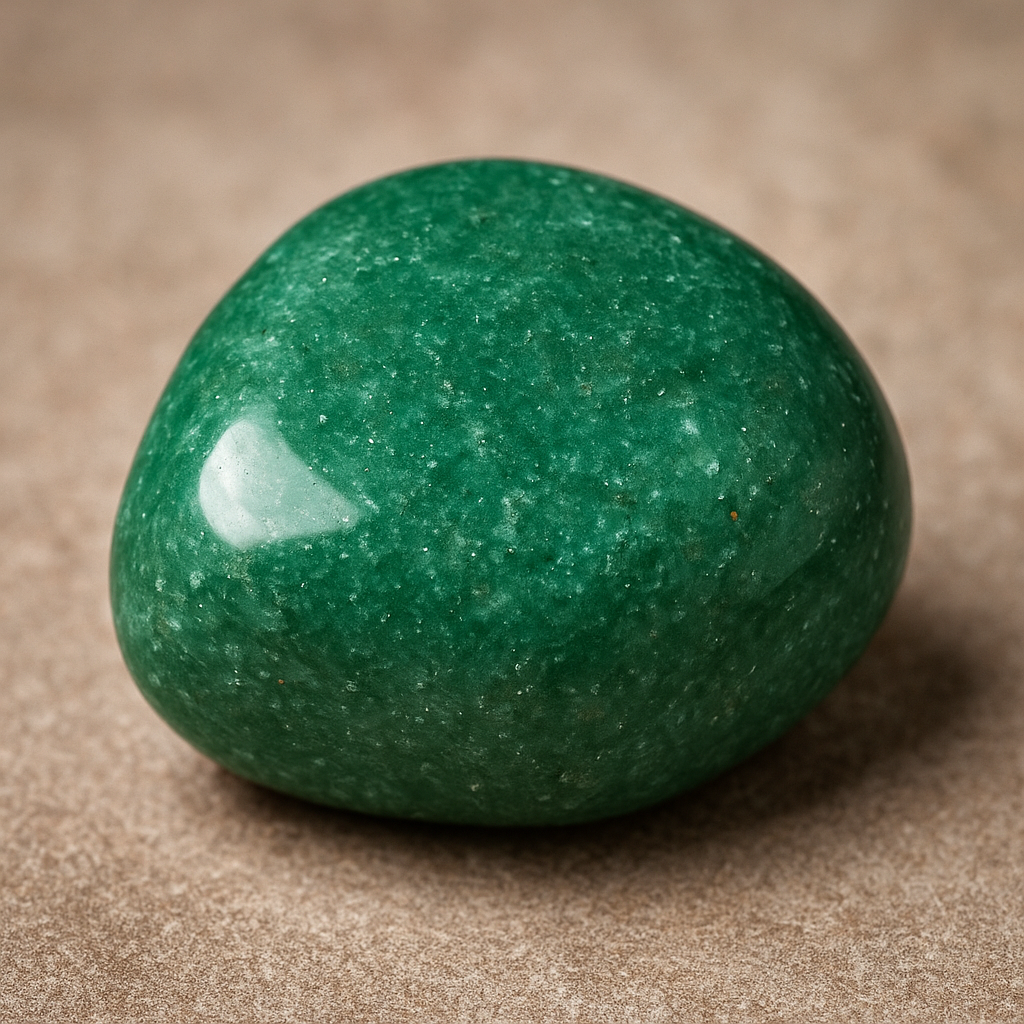
Aventurine is commonly described as a form of quartz or a variety of feldspar that contains abundant microscopic, plate-like inclusions which reflect light and produce a glittering effect called aventurescence. The effect is usually caused by inclusions of mica, hematite, or copper particles embedded in the host mineral. This structural phenomenon gives aventurine its characteristic sparkle, as tiny reflective crystals align within the stone.
The process of formation for aventurine occurs under specific geological conditions. Silica-rich fluids or magmatic processes allow quartz or feldspar to crystallize while other metallic or flaky minerals become trapped inside. Over time, pressure and temperature changes encourage the alignment and growth of these inclusions. The result is a semitranslucent to opaque rock whose internal structure scatters light, producing a glitter known as aventurescence.
Global Occurrence: Where Aventurine Is Found
Aventurine deposits appear in a number of countries around the world, with notable variations in quality, color, and mineral composition across different locations. Major sources include:
- India — One of the largest producers, especially known for deep green aventurine used in beads and carved objects.
- Italy — Historically important, particularly for the original “aventurine glass” (goldstone), and for some natural stones in alpine regions.
- Brazil — Produces attractive green and blue-green variants often used in jewelry.
- Russia — Known for green and reddish-brown forms found in metamorphic rocks.
- China and Tibet — Sources of both green and other colored aventurine varieties.
- The United States — Smaller deposits in places such as Colorado and Pennsylvania.
Different geological settings produce different types of inclusions and therefore distinct colors and effects. Green aventurine commonly owes its color to inclusions of fuchsite (a chromium-rich mica), while red or brown aventurine gets its hue from hematite or goethite. Blue aventurine, rarer in nature, can occur when dumortierite or other minerals are present within the quartz matrix.
Varieties, Colors, and Imitations
Aventurine is celebrated for a range of natural colors, each with distinct causes and aesthetic appeal. Common varieties include:
- Green aventurine — the most widely recognized variety, often bright to deep green due to fuchsite inclusions.
- Red or brown aventurine — warm earthy tones from hematite or goethite inclusions.
- Blue aventurine — a less common form with bluish hues caused by other mineral inclusions.
- Yellow or orange aventurine — occasional varieties with iron oxide or other pigments.
Because aventurine’s shimmer is prized, several imitations and related materials exist. The most famous imitation is goldstone, a glass-based material with metallic crystals often mistaken for natural aventurine. Other treated stones may be dyed or surface-enhanced to mimic desirable colors. Careful observation, testing, and expert knowledge are needed to distinguish natural aventurine from synthetics.
Historical and Cultural Significance
Aventurine and aventurine-like materials have a surprisingly rich cultural history. The name itself is derived from the Italian a ventura, meaning “by chance,” reflecting the accidental discovery of aventurine glass (goldstone) in 17th-century Murano, Italy. Over centuries, natural aventurine was carved into amulets, figurines, and ornamental objects across Asia and Europe.
In many cultures, green aventurine became associated with prosperity and growth, partly due to its verdant tones that evoke foliage and spring. It has been used in decorative inlays, talismans, and even architectural elements where a subtle sparkle was desired. Collectors and artisans prize certain historical pieces, especially intricately carved stones from the Indian subcontinent and East Asia.
Applications in Jewelry and Decorative Arts
Aventurine’s affordability, durability, and visual appeal make it popular in several practical uses:
- Jewelry — beads, cabochons, pendants, and rings frequently feature aventurine for its shimmer and color.
- Carvings and sculptures — small statues, worry stones, and decorative objects are often fashioned from larger pieces.
- Inlays and mosaics — aventurine pieces are used in ornamental inlays in furniture, boxes, and even small architectural elements.
- Beadwork and prayer beads — particularly common in regions where the stone is locally abundant and culturally significant.
Lapidary work with aventurine is accessible to many hobbyists and professionals. Because it generally polishes well and is moderately hard (depending on whether it’s quartz-bearing or feldspathic), it can be cut into attractive cabochons and beads that showcase aventurescence. However, cutters must orient the stone correctly to maximize the glittering effect, usually aligning the cut perpendicular to the planes of inclusions.
Lapidary Techniques and Challenges
Working with aventurine requires attention to its textural features. Polishing reveals the internal sparkle, but overgrinding or cutting against the inclusion planes can dull the effect. Besides, some varieties can be brittle along the inclusion planes, demanding gentle handling and specialized equipment. Stabilization or backing may be applied to thin slices intended for inlay work to improve durability.
Metaphysical and Healing Associations
Aventurine is widely used in contemporary metaphysical practices and crystal healing traditions. While these uses are not scientifically validated, they have cultural importance and influence market demand. Common associations include:
- Healing and emotional balance — green aventurine is often linked to comfort, optimism, and a calming of emotional turbulence.
- Prosperity and luck — many wearers use aventurine as a talisman to attract opportunity and financial growth.
- Heart chakra — in traditions that assign properties to chakras, green aventurine is frequently paired with the heart for emotional harmony.
It is important to approach these claims critically while respecting the personal and cultural significance many people find in the stone. Whether used as a symbolic object, a focus for meditation, or a decorative item, aventurine occupies a meaningful role in various spiritual and wellness practices.
Identification, Testing, and Care
Proper identification of aventurine can involve simple observational tests as well as more advanced mineralogical examinations. Key indicators include the presence of aventurescence, a glassy to waxy luster, and characteristic colors tied to specific inclusions. Professional gemological tests such as microscopic examination, refractive index measurement, and specific gravity can confirm identity and distinguish natural stone from synthetics like goldstone.
Care for aventurine is straightforward but should be mindful of its composition:
- Avoid prolonged exposure to harsh chemicals or acids which can damage surface polish and inclusions.
- Clean with warm water, mild soap, and a soft brush; rinse and dry thoroughly.
- Store separately from harder gemstones to prevent scratches; softer varieties and those with inclusions can be more vulnerable to abrasion.
Market, Collecting, and Value
Aventurine broadly occupies the affordable end of the gem market, yet certain specimens and colors command higher prices due to rarity, size, or exceptional aventurescence. Collectors may value:
- Large, deeply colored pieces with uniform glitter.
- Unusual colors such as authentic blue aventurine.
- Historical carvings and cultural artifacts made from fine material.
Because of its accessibility, aventurine is also popular among beginner collectors and jewelry makers. Ethical considerations and the environmental impact of mining can influence purchasing decisions. Buyers increasingly seek responsibly sourced stones and transparency about treatments and origins.
Environmental and Ethical Considerations
Like many mined minerals, adventurine extraction can carry environmental impacts such as land disturbance, habitat disruption, and waste generation. In countries with lax regulation, these effects may be more pronounced. Ethical concerns also arise when labor conditions or community rights are compromised in mining regions.
Responsible sourcing practices include:
- Supporting suppliers who provide traceability and fair labor assurances.
- Seeking stones from mines that follow environmental mitigation strategies.
- Encouraging transparency around treatments and the use of synthetics in the supply chain.
Interesting Facts and Lesser-Known Uses
Aventurine has inspired more than jewelry: its influence spans craft, folklore, and even industrial use in decorative stonework. A few notable facts:
- The term aventurine glass, or goldstone, predates many uses of natural aventurine and was historically made by Venetian glassmakers through a serendipitous process that trapped copper flakes in glass.
- Carvers in India often favor green aventurine for intricate miniature sculptures due to its workable nature and attractive polish.
- Aventurine beads and pieces are commonly used in mala strings and prayer beads in South Asian spiritual traditions.
- Architects and designers sometimes use polished aventurine tiles or inlays in luxurious interiors to create a subtle glare without the cost of precious stones.
Collecting Tips and How to Choose Quality Pieces
When selecting aventurine, consider the following guidelines:
- Examine the evenness of color and consistency of aventescence. The best pieces show a uniform and lively shimmer across the surface.
- Clarify whether the piece is natural or synthetic. Sellers should disclose treatments, dyeing, or whether glass imitations are present.
- For jewelry, check the hardness and stability of the cut. Well-set pieces account for the stone’s cleavage and inclusion planes.
- Ask about provenance. Stones from reputable regions or established suppliers often come with better documentation and ethical standards.
Final Notes on Aventurine’s Place in Modern Craft and Culture
Aventurine continues to be a popular gemstone because it unites accessibility with a striking visual effect. Its natural sparkle makes it uniquely suited to makers who want an eye-catching stone without the expense of precious gems. Whether incorporated in hand-made jewelry, used in spiritual practices, or carved into collectibles, aventurine occupies an enduring place among beloved ornamental stones. Collectors and consumers alike value not only its aesthetic but also the stories and cultural associations that have built up around this glittering mineral.