admin_korhogo

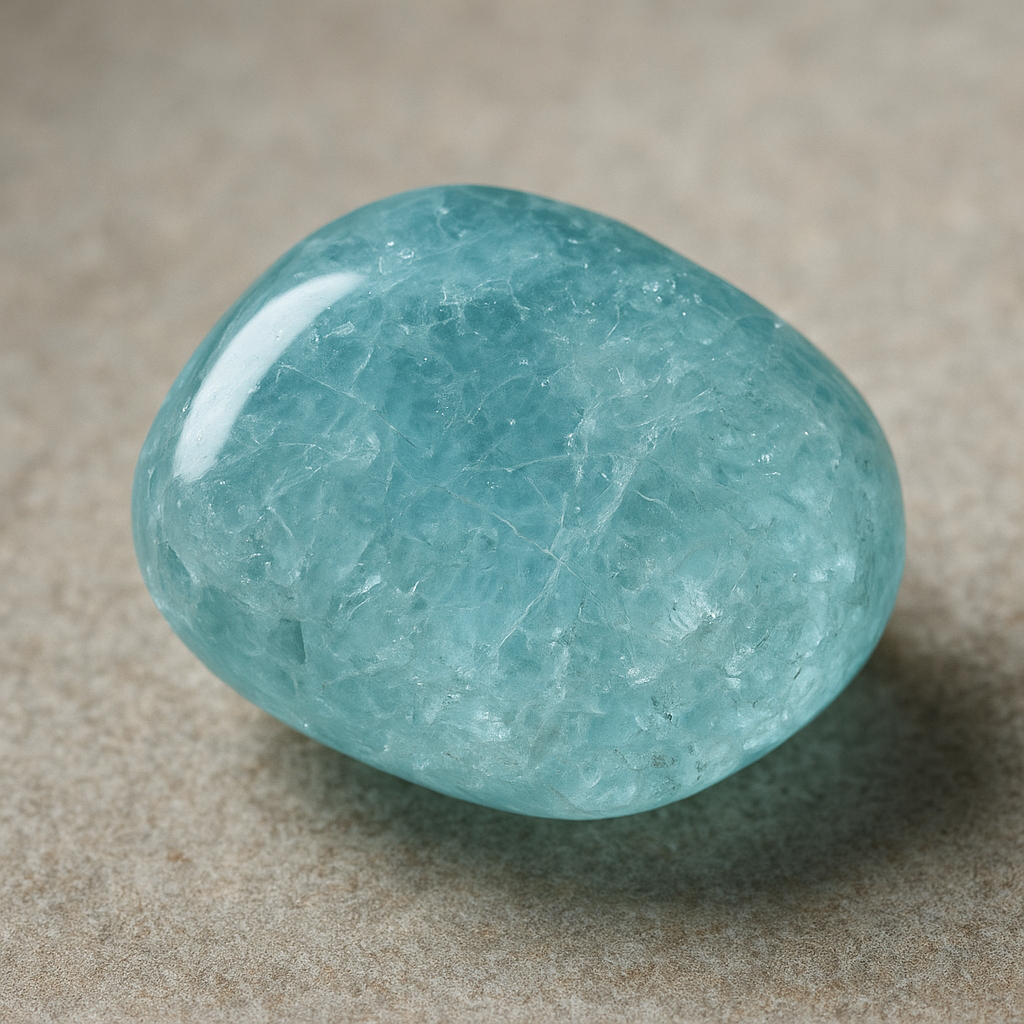
Aquamarine – (stone)

Aquamarine is a captivating blue-green variety of the mineral beryl prized for its serene hues, clarity and durability. Its name, derived from the Latin for seawater, evokes images of clear coastal waters and has inspired jewelers, collectors and cultures for centuries. This article explores where aquamarine occurs, how it is used, its gemological characteristics, methods […]

Aquamarine – (stone) Read More »
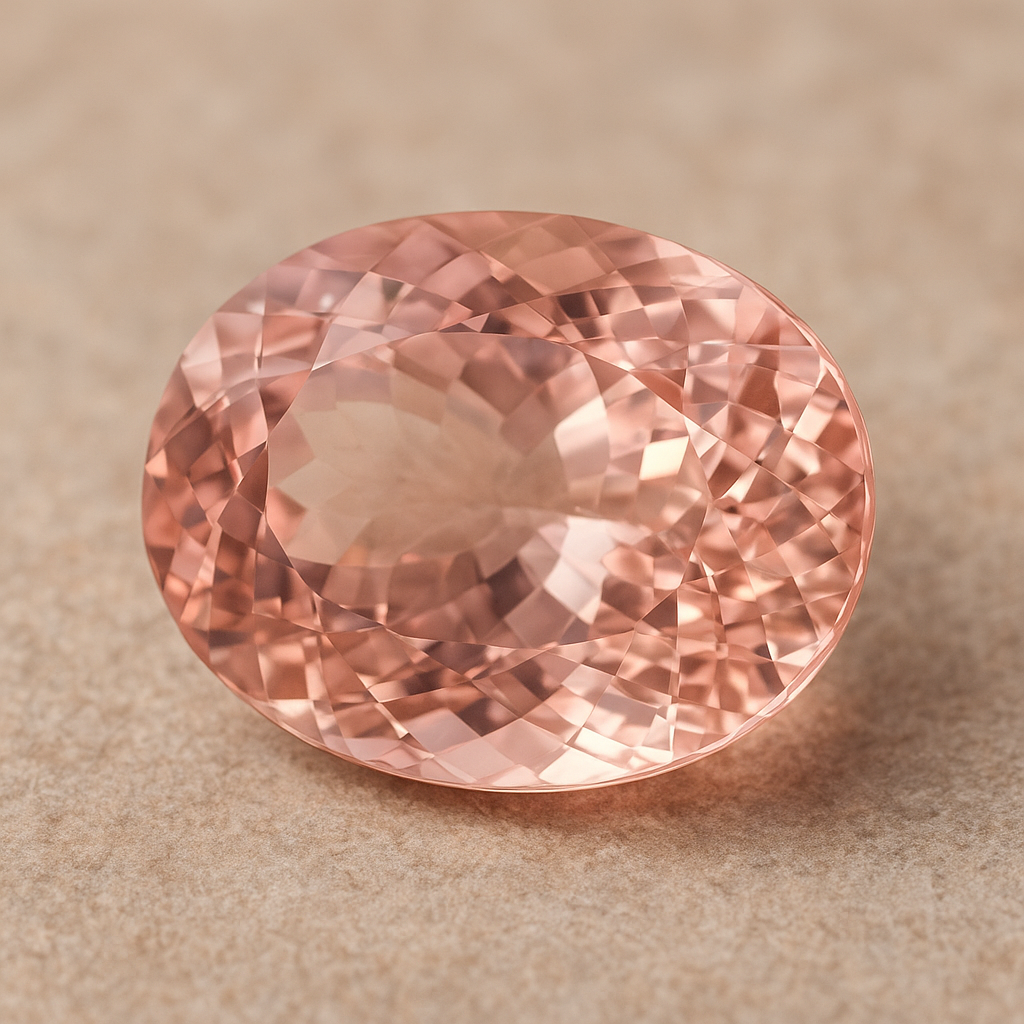
Morganite – (stone)

Morganite is an alluring member of the beryl mineral family, prized for its delicate pink to peach hues and its elegant, transparent appearance. Though sometimes overshadowed by its cousins emerald and aquamarine, morganite has been gaining attention among collectors, designers, and gem enthusiasts. This article explores its physical and chemical characteristics, where it is found,

Morganite – (stone) Read More »

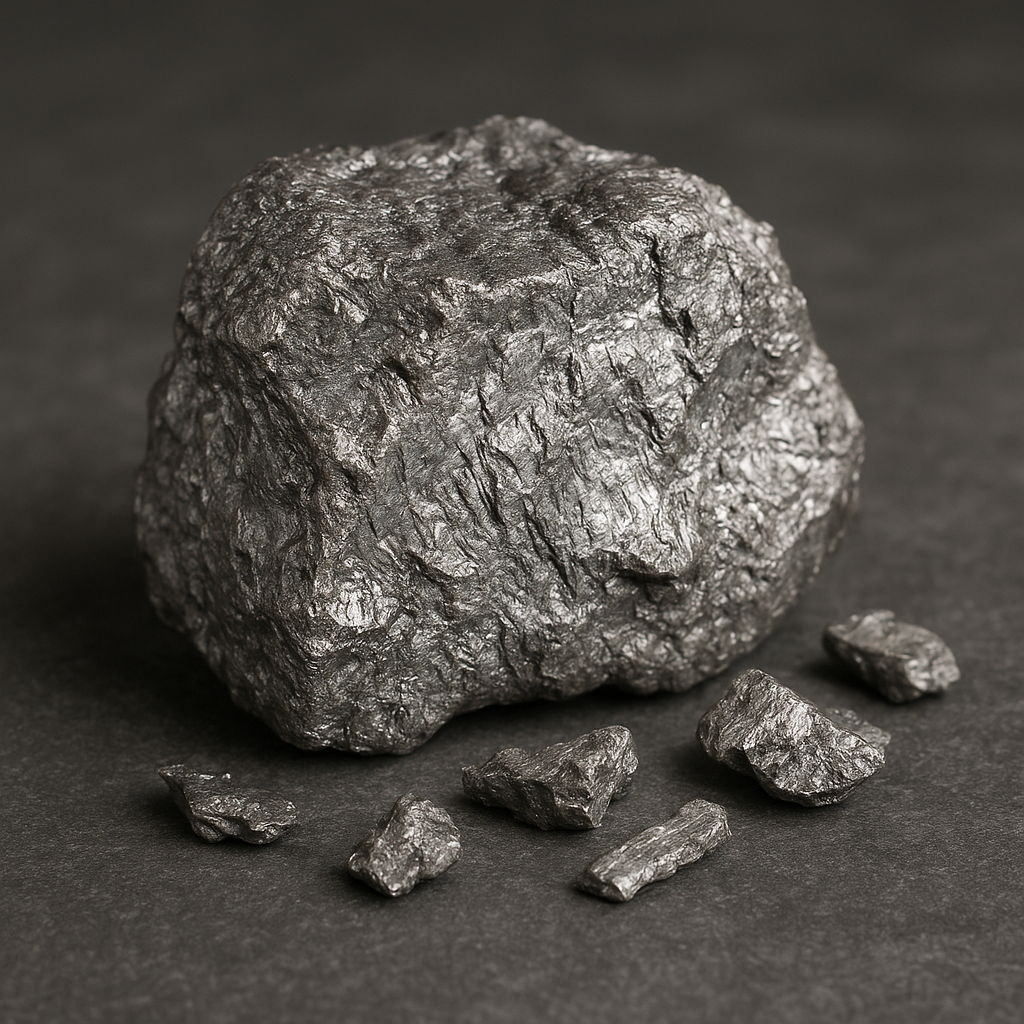
Dysprosium

Dysprosium is a soft, silvery metal belonging to the lanthanide series of the periodic table. Although it is one of the “rare-earth” elements, its significance far outweighs its relative scarcity: dysprosium plays a pivotal role in modern high-performance technologies, from powerful permanent magnets to advanced lasers and nuclear control systems. This article explores where dysprosium

Dysprosium Read More »

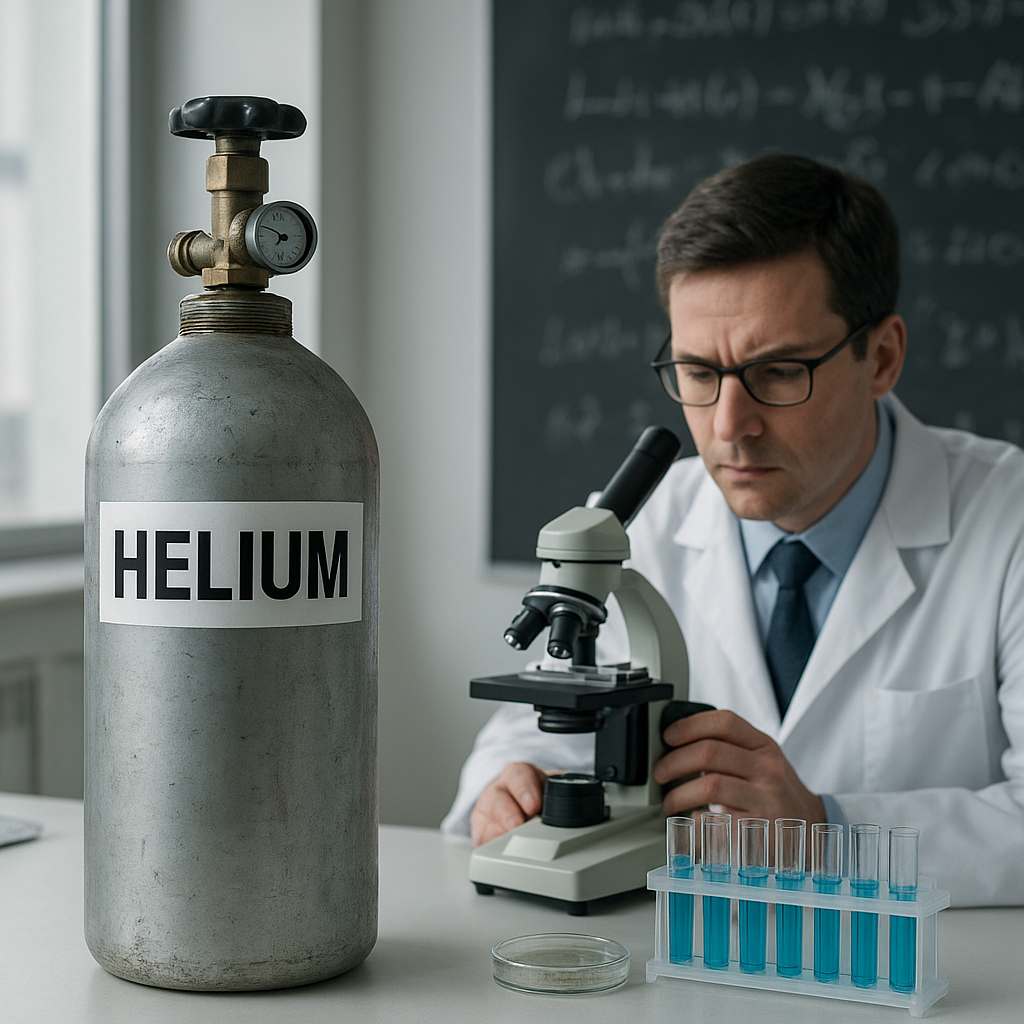
Helium scarcity and its effect on research industries

The dwindling availability of helium represents a growing challenge for laboratories, hospitals and high-tech industries that rely on its unique physical properties. This inert noble gas is indispensable for applications ranging from MRI scanners to particle accelerators, and its scarcity has cascading effects on experimental schedules, operating budgets and long-term planning. Understanding the drivers of

Helium scarcity and its effect on research industries Read More »

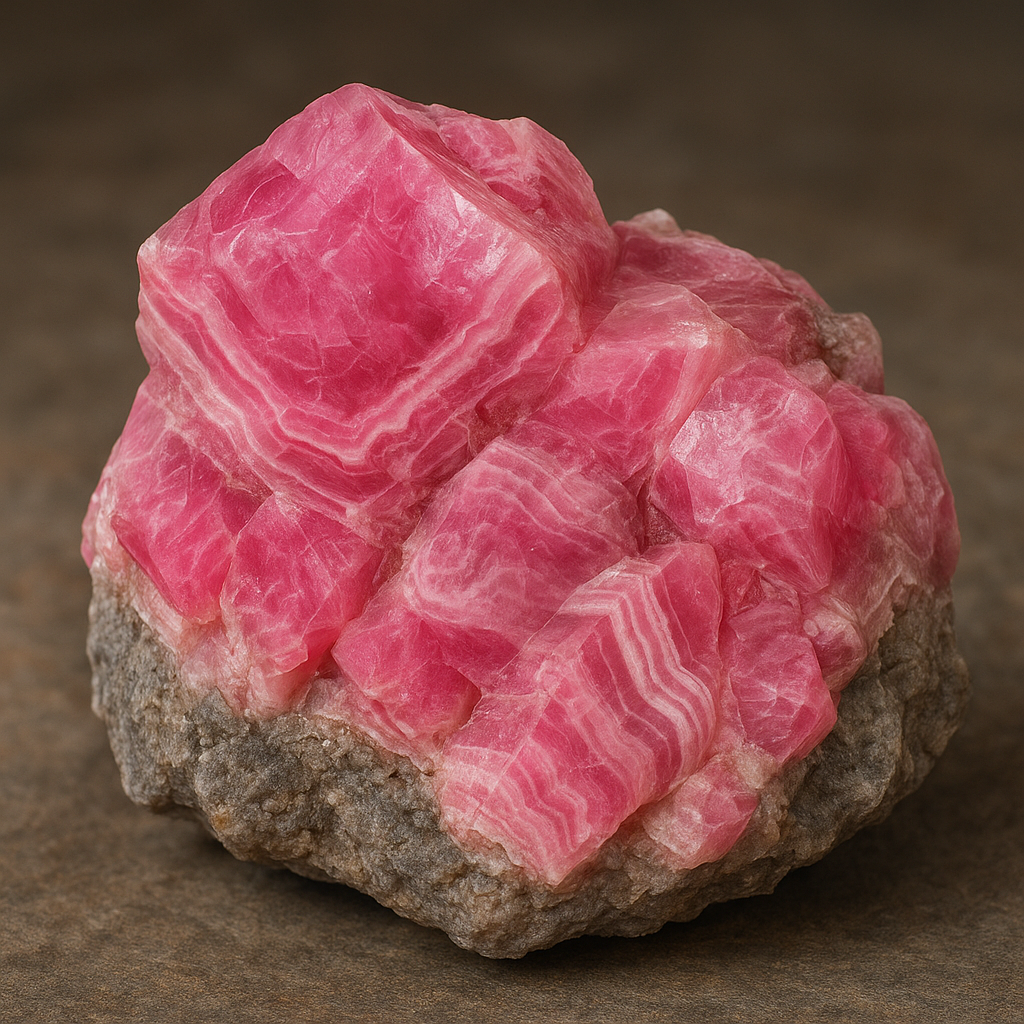
Rhodochrosite – (mineral)

Rhodochrosite is a striking and often sought-after mineral celebrated for its range of pink to deep red hues and its elegant crystal forms. With the chemical composition of manganese carbonate, this mineral occupies a special niche at the intersection of geology, gemology and industrial chemistry. Below are detailed explorations of its properties, global occurrences, uses,

Rhodochrosite – (mineral) Read More »

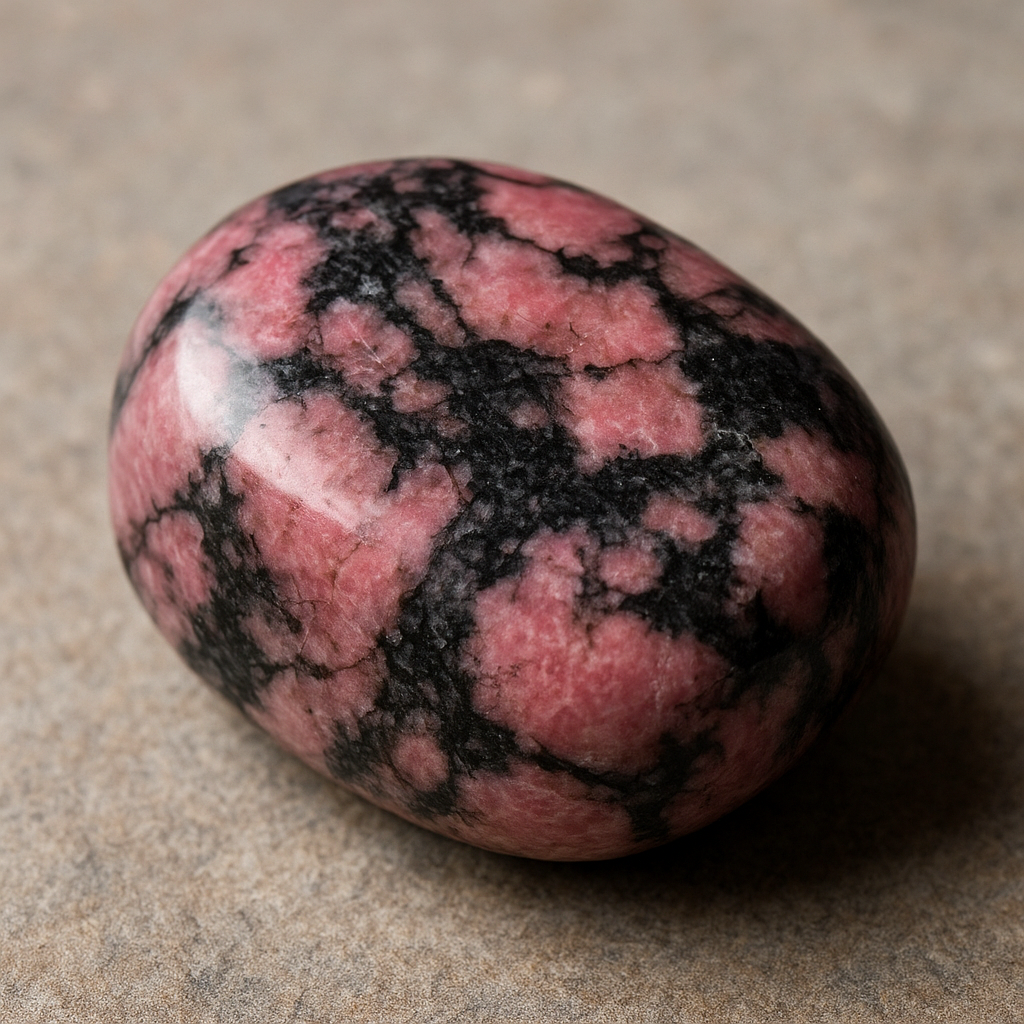
Rhodonite – (stone)

Rhodonite is a striking pink to red silicate mineral admired both for its color and the dramatic contrast of dark manganese-oxide veins that often crisscross its surfaces. Beyond its aesthetic appeal, rhodonite carries geological, historical and metaphysical significance. The following text explores where rhodonite forms and is found, how it is used in jewelry and

Rhodonite – (stone) Read More »

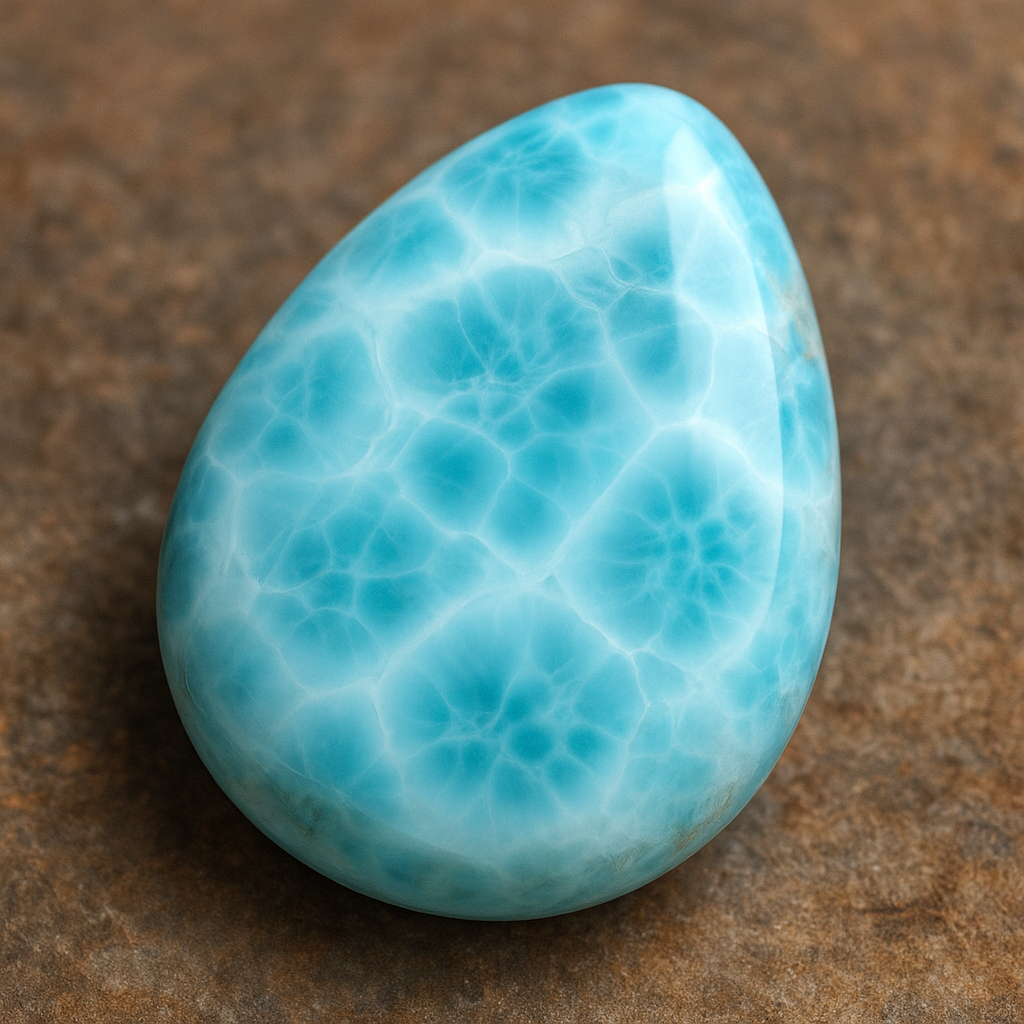
Larimar – (stone)

Larimar is a captivating and relatively rare blue gemstone that evokes the colors of tropical seas. Known for its soft sky-blue tones, intricate white veining and occasional green or brown inclusions, this stone has grown from a local curiosity into an internationally sought-after gem. The pages that follow explore what makes this mineral unique, where

Larimar – (stone) Read More »

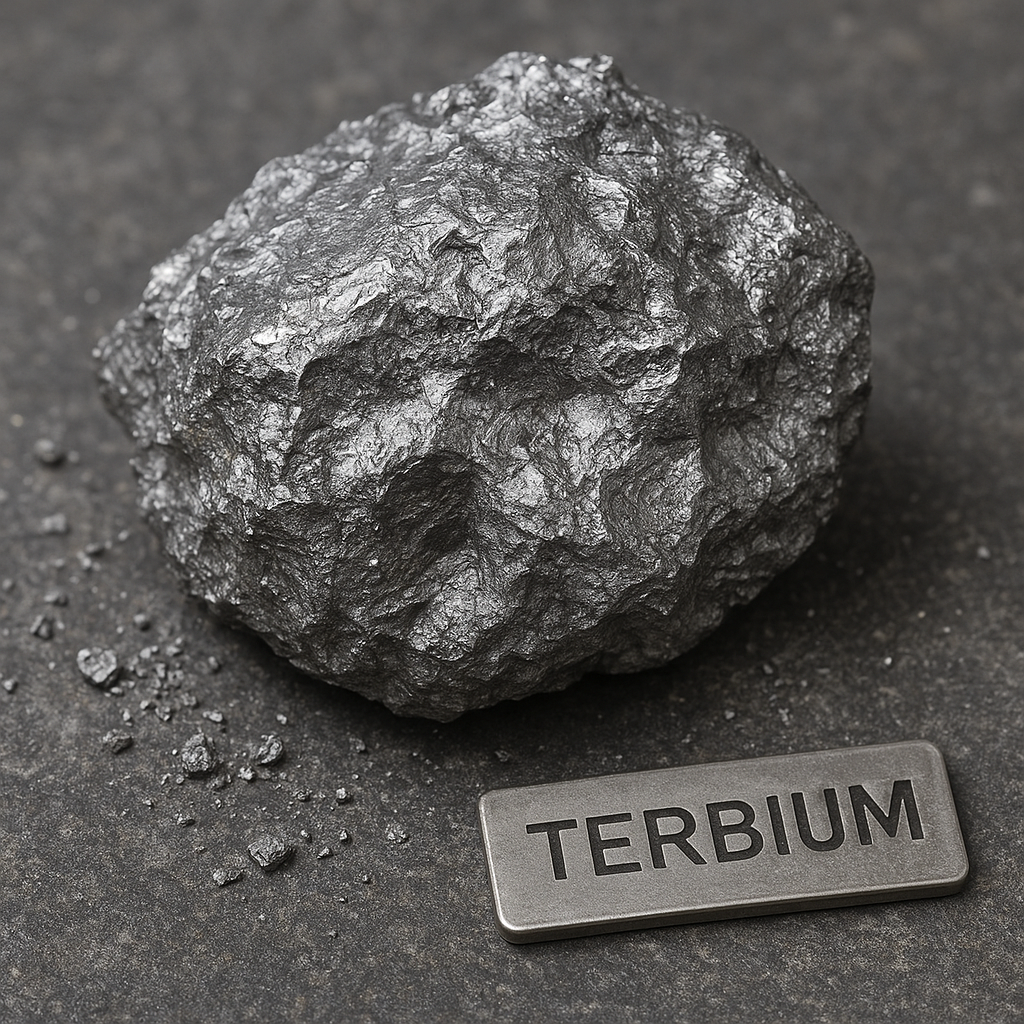
Terbium

Terbium is a subtle but influential member of the rare-earth family, valued not for mass-market glamour but for a handful of **unique** properties that enable cutting-edge technologies. As a transitional lanthanide element, it often hides in the shadow of its more famous neighbors, yet it plays outsized roles in modern materials science, green light generation,

Terbium Read More »