admin_korhogo

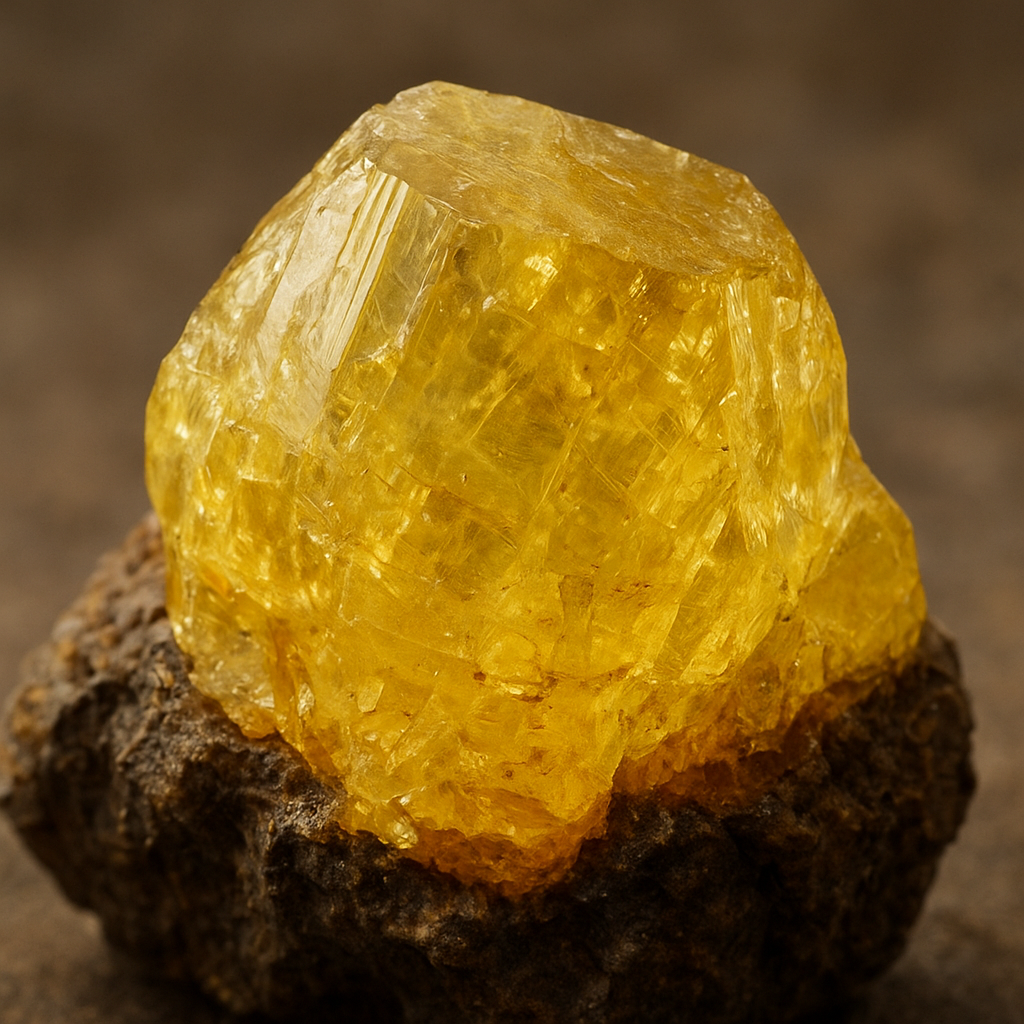
Heliodor

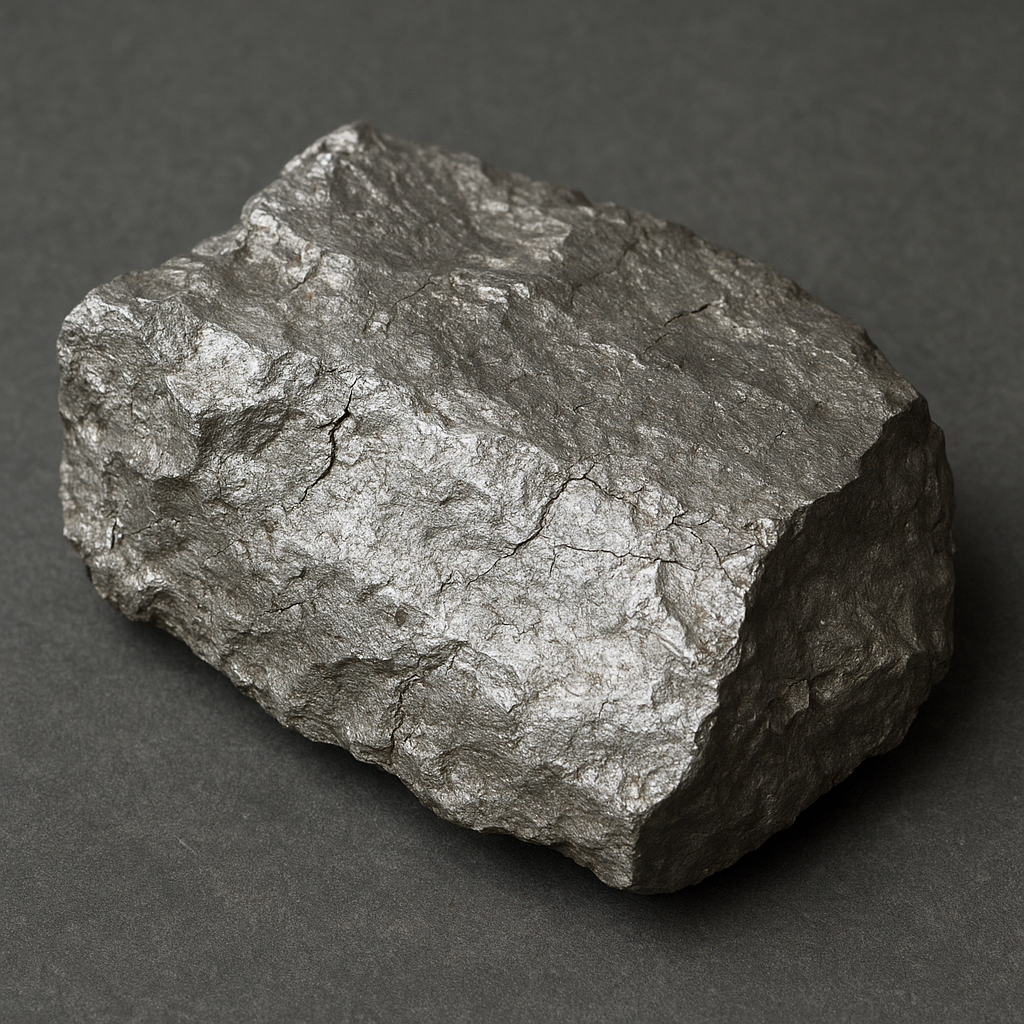
Heliodor is a captivating variety of the mineral beryl, admired for its warm, **golden** to yellow-green hues and its striking crystalline forms. This article explores the mineralogical identity of heliodor, the geological environments where it is found, its practical and aesthetic applications, and a range of cultural, historical and trade-related topics connected with this gemstone. […]
Heliodor Read More »

Protactinium

Protactinium is a subtle but scientifically important member of the periodic table. With atomic number 91 it sits in the heart of the actinide series and carries a combination of complex chemistry, intriguing nuclear behavior and a history that links early nuclear science to modern environmental and reactor research. This article explores where protactinium occurs

Protactinium Read More »

How mineral exploration shifts due to ESG pressures

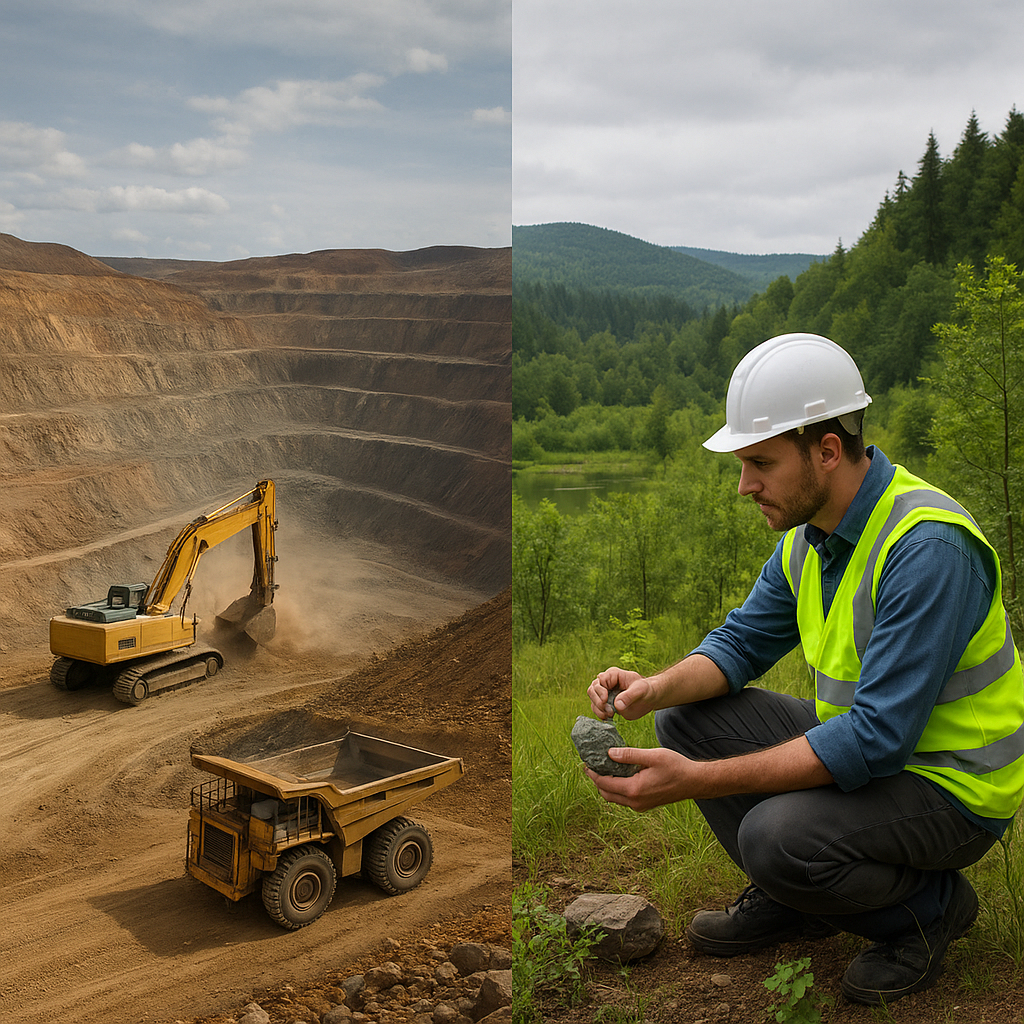
The pressure of environmental, social and governance frameworks is reshaping the way companies search for and evaluate mineral resources. As investors, regulators and communities insist on more responsible practices, mineral exploration no longer means simply finding an ore body: it means aligning discovery efforts with long-term ESG commitments, minimizing environmental footprints, fostering social license and

How mineral exploration shifts due to ESG pressures Read More »

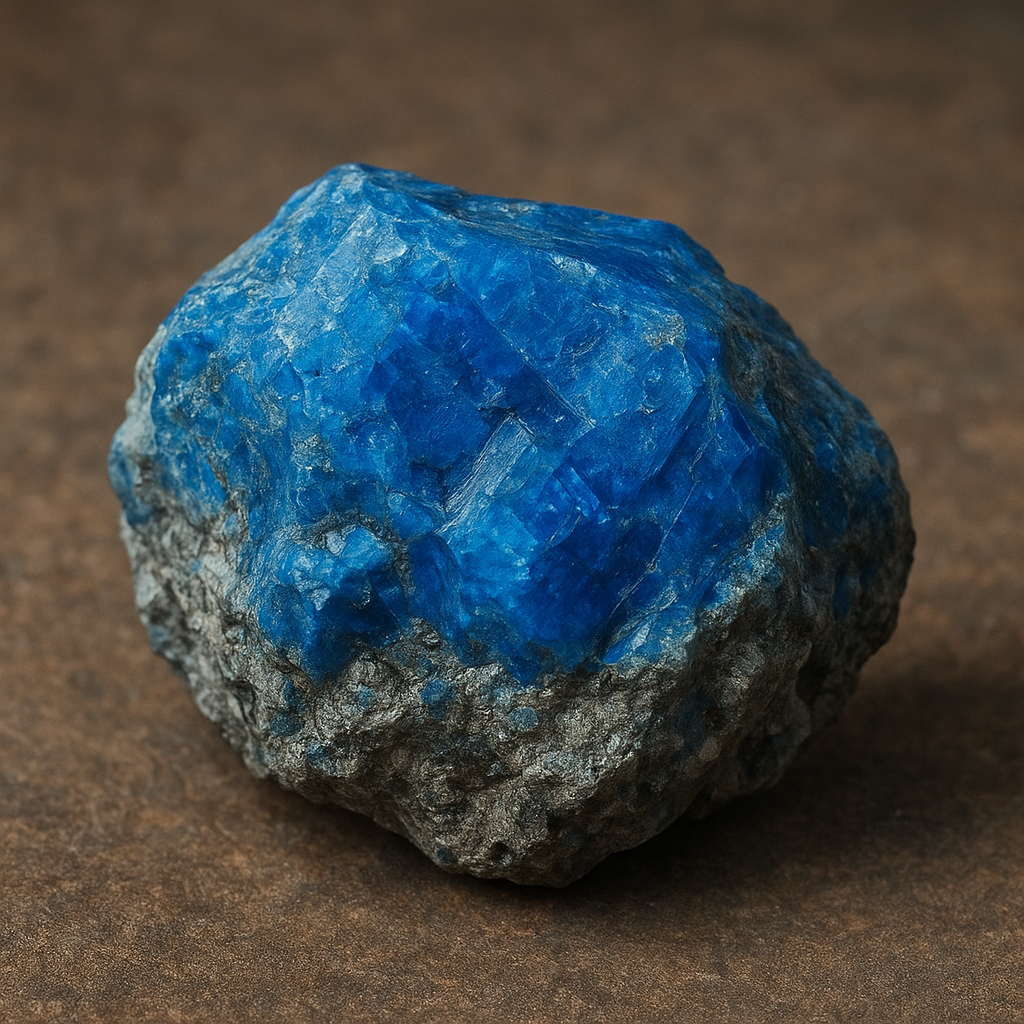
Hauyne

Hauyne is a striking and scientifically significant mineral best known for its vibrant blue shades and its membership in the broader family of framework silicates. As a distinctive representative of the sodalite group, hauyne attracts interest from mineral collectors, gem cutters, and petrologists alike. This article explores its mineralogical characteristics, the geological settings where it

Hauyne Read More »

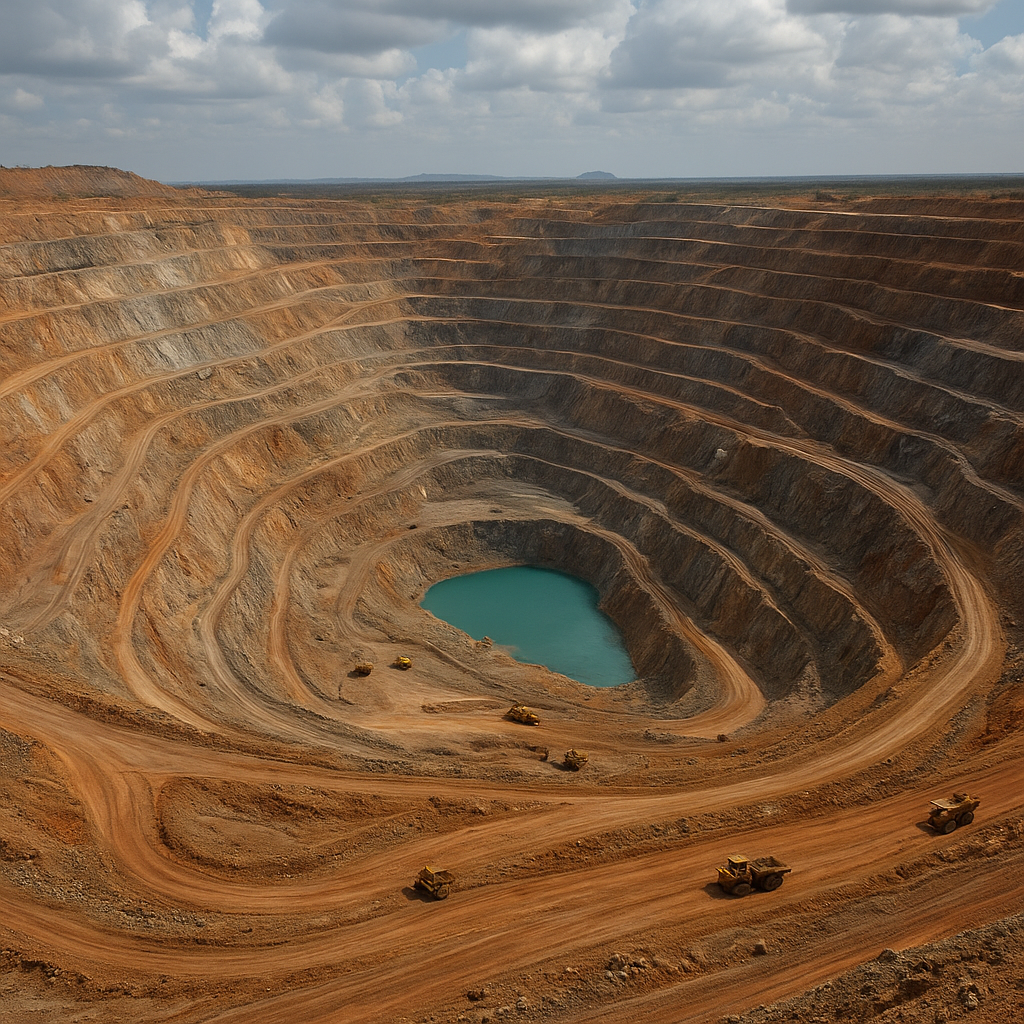
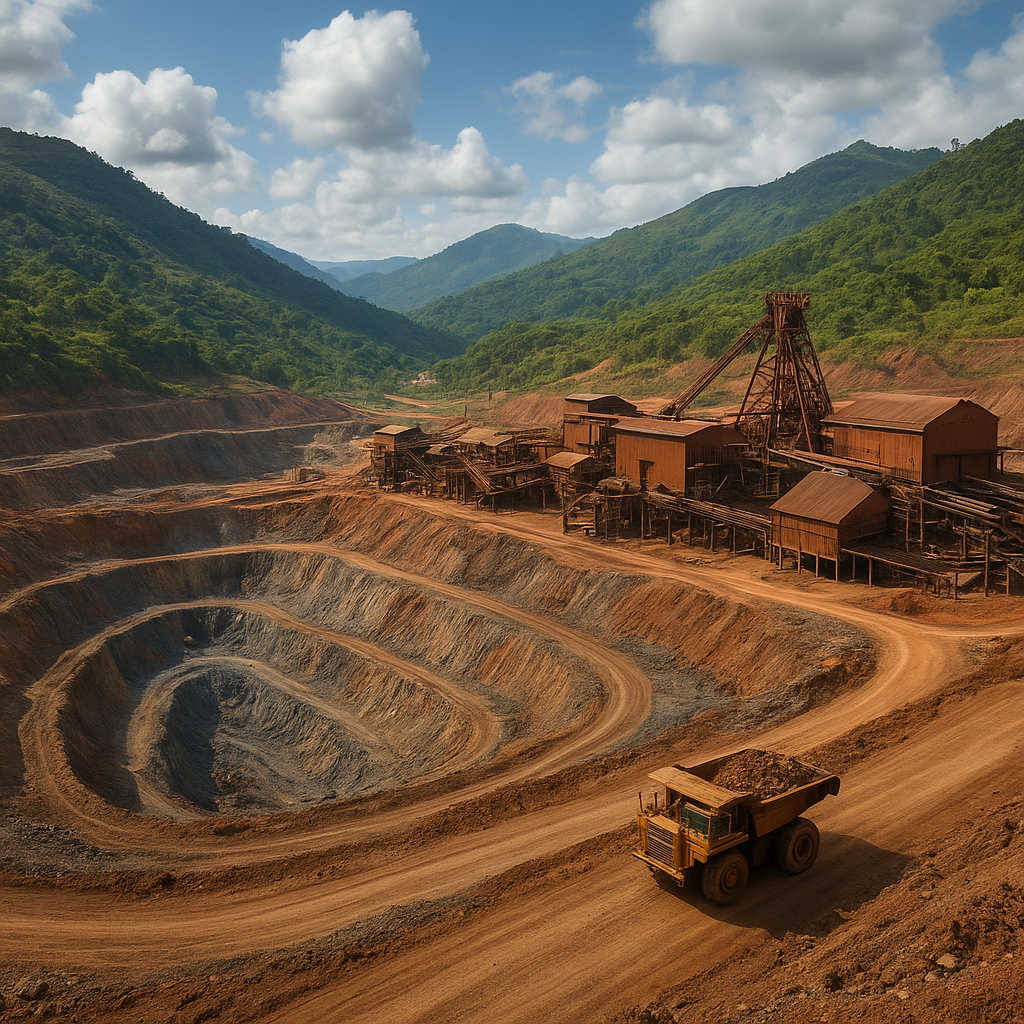
Kansanshi Mine – Zambia – Copper

The Kansanshi mine is one of the most prominent copper-producing operations in Africa, located in the mineral-rich northwest of a landlocked country in southern Africa. Beyond the extraction of copper, Kansanshi has become a focal point for regional employment, industrial processing, and debates about sustainable mining practice. This article provides a detailed look at where

Kansanshi Mine – Zambia – Copper Read More »

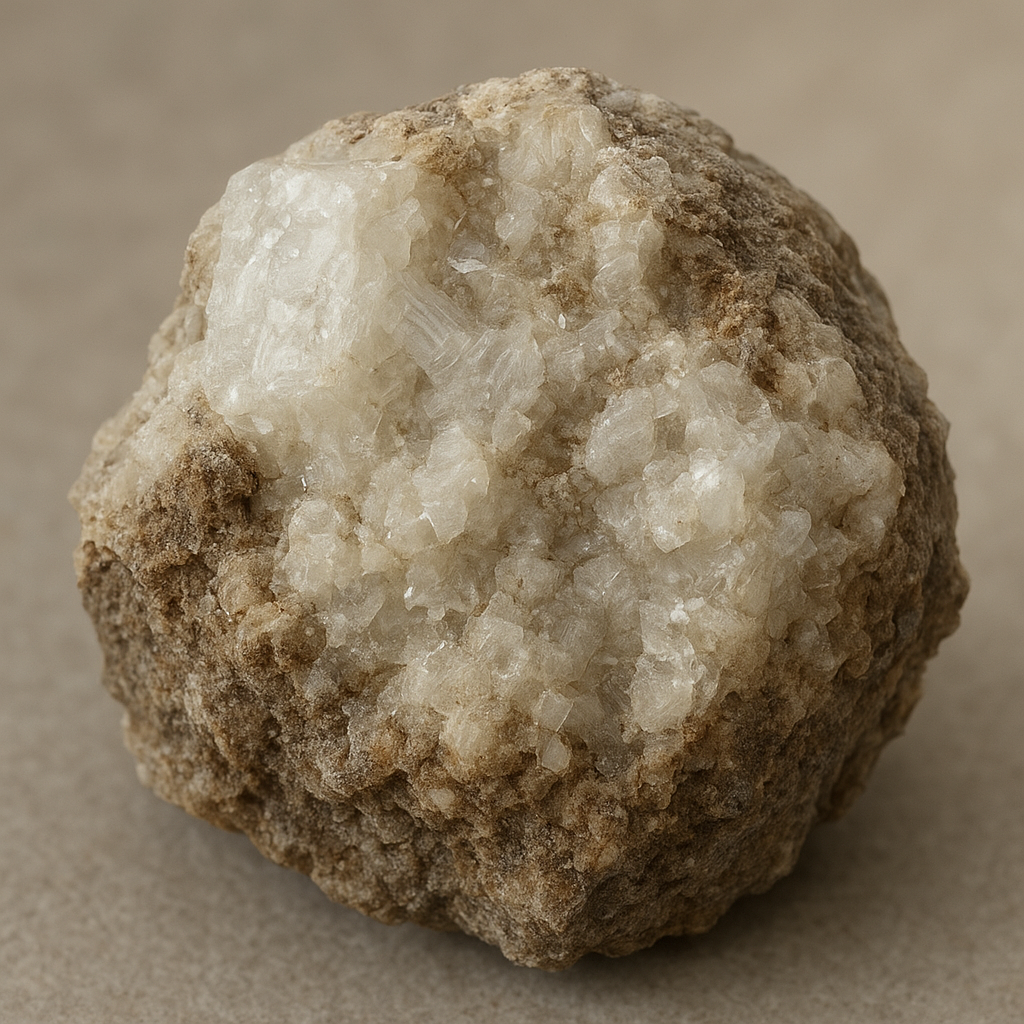
Hanksite

Hanksite is an unusual and visually striking mineral that captures the attention of mineralogists, geochemists and collectors alike. It is notable not only for its aesthetic qualities—often forming large, pale yellow crystals—but also for its rare combination of chemical components and the specific environmental conditions required for its formation. This article explores where hanksite is

Hanksite Read More »

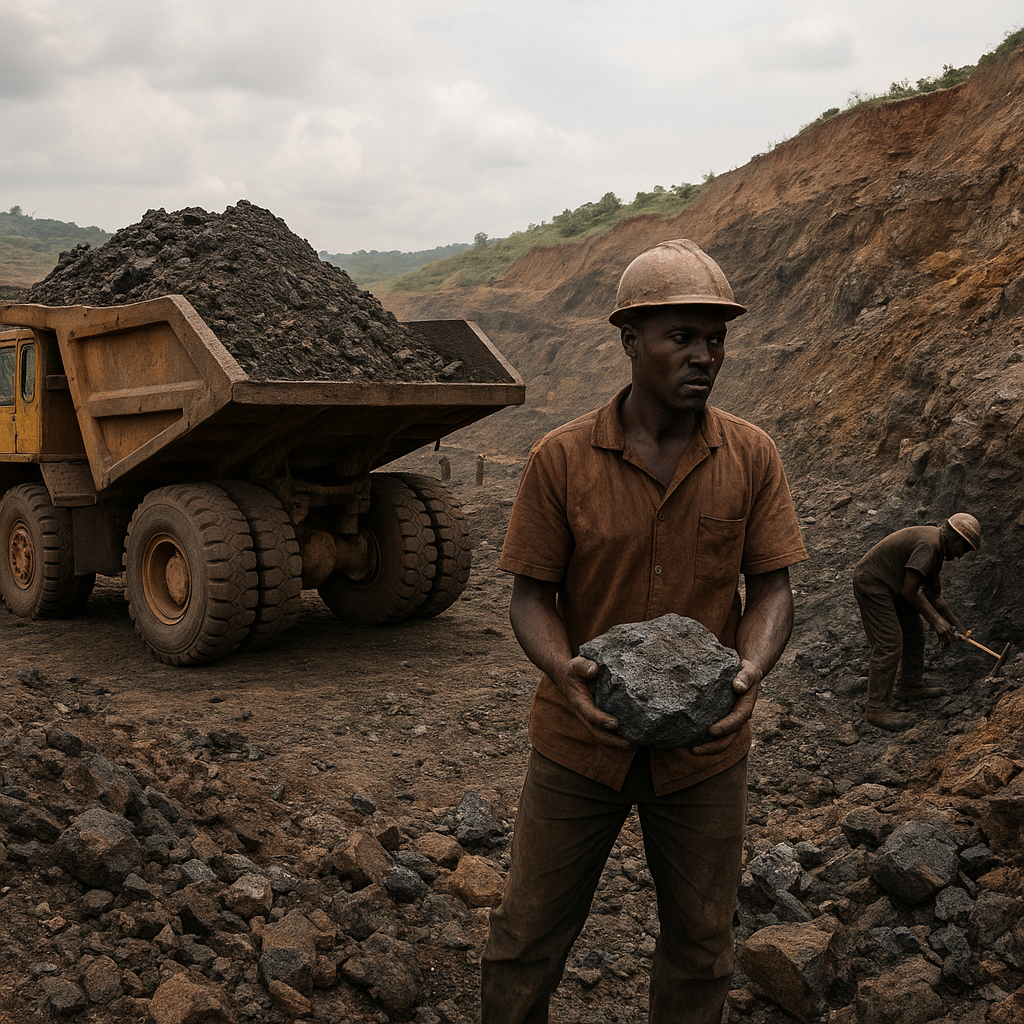
Kilembe Mine – Uganda – Copper

The Kilembe copper deposit, set against the dramatic backdrop of the Rwenzori Mountains in western Uganda, is one of the country’s most historically significant mining sites. Over decades the mine shaped local communities, influenced national mining policy, and left a complex legacy of economic promise and environmental challenge. This article explores where the mine is

Kilembe Mine – Uganda – Copper Read More »

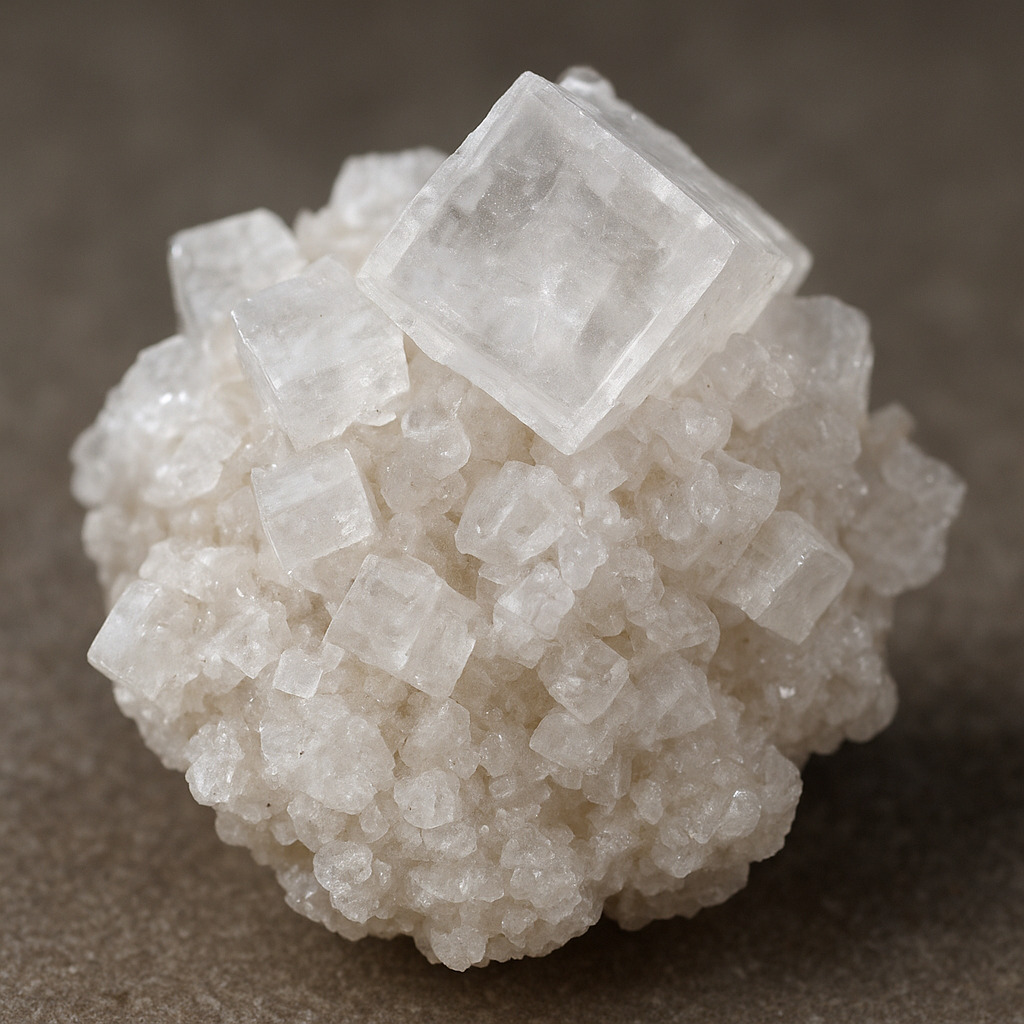
Halite

Halite, commonly known as rock salt, is a mineral that has played a pivotal role in human civilization, industrial processes, and Earth sciences. Rich in history and versatile in application, this seemingly simple crystalline substance reveals complex interactions between geology, chemistry, economics, and culture. The following sections explore its nature, where it forms and is

Halite Read More »

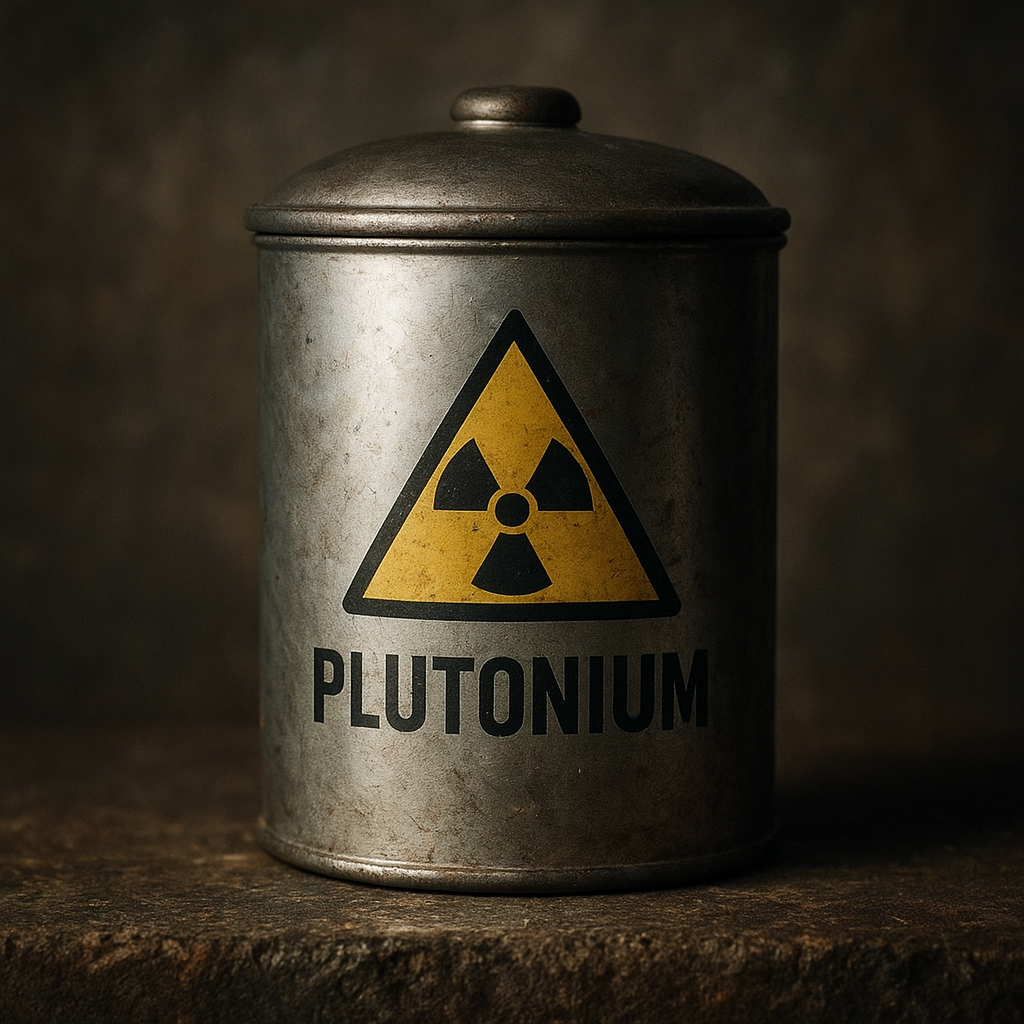
Plutonium

Plutonium is one of the most intriguing and controversial elements in the modern world. Its unusual physical and chemical properties, combined with its role in energy production, space exploration and geopolitics, make it a subject of multidisciplinary interest. This article reviews where plutonium is found, how it is produced and used, and surveys associated scientific,

Plutonium Read More »