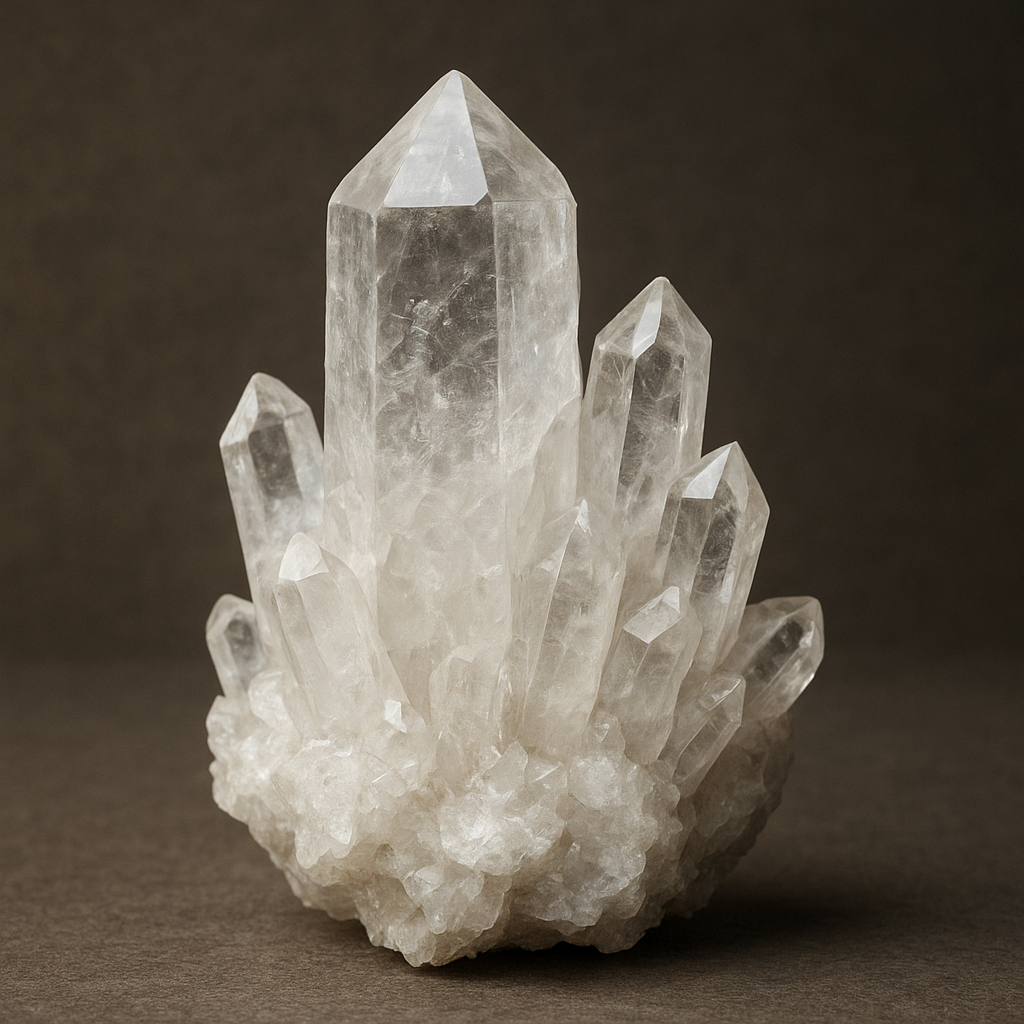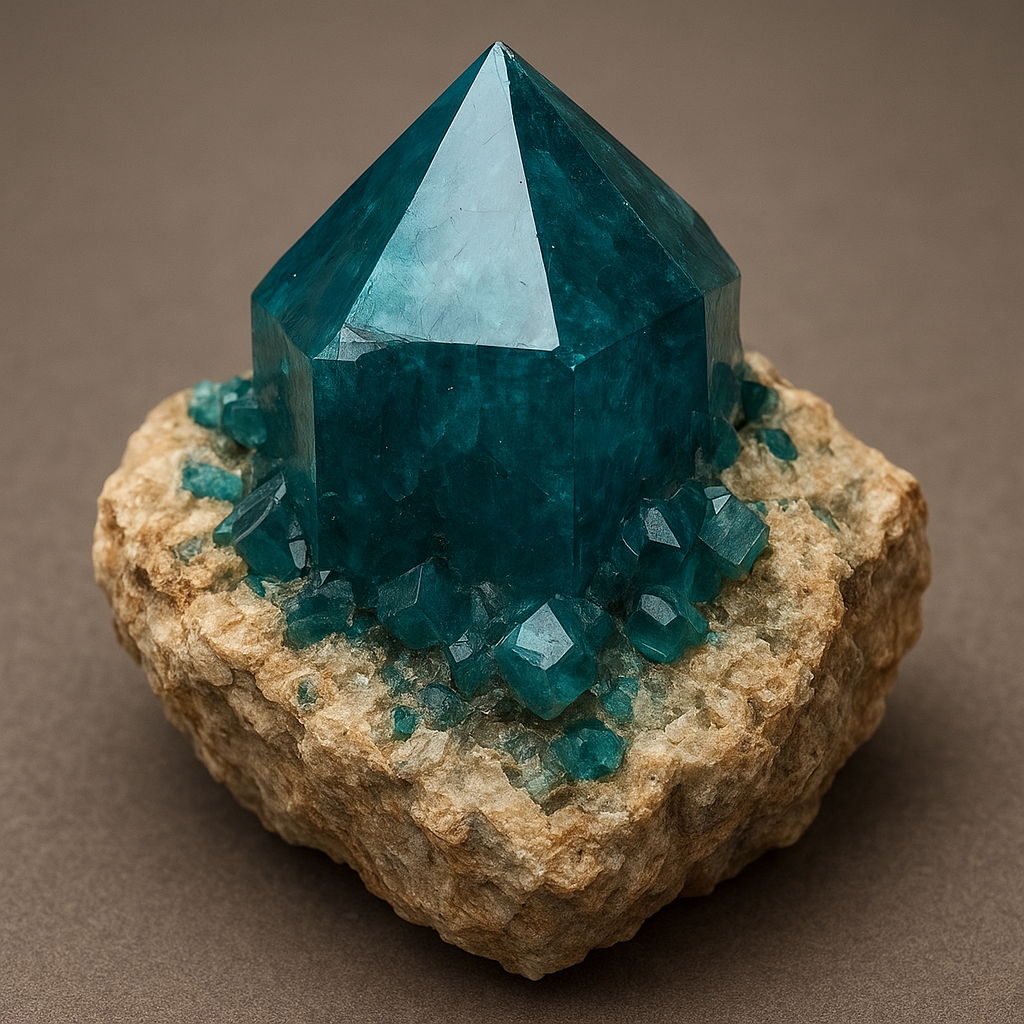
Augelite is an intriguing and understated member of the phosphate mineral group, prized by mineralogists and collectors for its delicate crystal forms and informative geological associations. Although it rarely features in commercial applications, the study of augelite provides valuable insight into the behaviour of aluminum and phosphate during weathering, metamorphism and low-temperature hydrothermal processes. This article explores where augelite is found, how it forms, its properties, and the contexts—both scientific and aesthetic—in which it matters.
What Augelite Is and How It Forms
At its most essential, augelite is a naturally occurring aluminium phosphate hydroxide mineral. Chemically it represents a combination of aluminum and phosphate with hydroxyl groups and sometimes associated water in its microstructure. It most often develops where aluminum-rich rocks or sediments intersect with sources of phosphate under conditions that favour the stabilization of aluminium phosphates rather than the more common aluminum oxides or hydroxides.
Formation environments for augelite typically involve low-temperature processes such as:
- Weathering and supergene alteration of primary phosphate minerals or aluminous host rocks, where circulating fluids leach and re-precipitate elements
- Hydrothermal alteration at low temperatures, especially in fractures and cavities that provide room for crystal growth
- Contact or regional metamorphic settings where phosphate-bearing fluids interact with aluminum-bearing minerals
The mineral often forms in cavities and vugs where open space allows distinct crystals to develop. Because the conditions for its stability are somewhat narrow—requiring both a source of phosphate and a low pH or buffered chemical environment—augelite tends to occur in relatively limited and localized occurrences rather than as widespread deposits.
Typical Geological Settings and Notable Associations
Augelite occurs in a variety of geological settings, all sharing the presence of aluminous host rocks and a source of phosphorus. Common associated environments and companions include:
- Bauxite and other aluminium-enriched lateritic profiles, where supergene processes concentrate aluminum and allow secondary phosphate minerals to form
- Phosphate-bearing veins and cavities in metamorphosed or hydrothermally altered rocks
- Clay-rich sedimentary zones and soil profiles that receive phosphate inputs from biological activity or mineral dissolution
Typical mineral associations frequently encountered with augelite include wavellite, variscite, crandallite-group minerals, gibbsite, and other aluminum hydroxides and phosphates. In many localities it is found alongside manganese or iron oxides and carbonates that reflect complex chemical interplay during weathering.
Physical and Chemical Characteristics
Augelite’s defining chemical identity as an aluminium phosphate with hydroxyl content gives it several distinctive but variable properties. In hand specimen it may be translucent to transparent, often presenting a vitreous to pearly luster on cleavage surfaces. Colour tends to be pale—ranging from white and colourless to faint yellows or greenish tones—though hue can be modified by inclusions or trace elements.
Its crystal habit is usually acicular to prismatic or tabular, and well-formed examples that display sharp faces are particularly prized by collectors. Augelite is not a robust material for jewellery because its relative softness and cleavage can make it prone to damage, meaning that gem cutters only rarely work transparent crystals into cabochons or small faceted stones—those that exist are considered specialty collector gems rather than wearable pieces.
Analytical identification of augelite relies on a combination of techniques including optical microscopy, X-ray diffraction, and electron microprobe analysis. These methods help confirm its aluminium-phosphate composition and distinguish it from visually similar minerals.
Where Augelite Is Found: Distribution and Localities
Although not a globally abundant mineral, augelite has been documented in a range of regions where suitable geological conditions converge. Its occurrences are typically localized, and high-quality specimens are often confined to particular mines or vugs within an otherwise unremarkable deposit. Typical geographic contexts include:
- Areas with historical phosphate mineralisation and weathering—both in old pegmatite fields and sedimentary phosphate zones
- Mining districts where aluminous and phosphate minerals co-exist and where secondary mineralisation is common
- Regions with active study by mineralogists and collectors, since well-documented localities tend to produce the best specimens
Collectors prize locations where augelite forms well-developed, transparent crystals or aesthetically pleasing aggregates. Museum specimens and academic samples often come from specific pockets rather than large-scale veins, which contributes to the mineral’s relative rarity in private collections.
Uses and Applications
Augelite has limited direct industrial applications due to its scarcity and physical properties. Nevertheless, it is important in several contexts:
- Mineralogical and geological research: Augelite provides clues about phosphate mobility, secondary mineral assemblages, and the geochemical conditions of formation. Studying it helps reconstruct environmental histories of weathering and alteration.
- Indicator mineral: In exploration and academic studies, the presence of augelite can signal past or present phosphorus-rich fluids and aluminium availability, which has implications for understanding ore-forming processes and soil chemistry.
- Collecting and educational use: Attractive crystals and well-documented specimens are used for display, teaching, and outreach—serving as tangible examples of phosphate mineralogy.
Researchers in materials science have also taken interest in aluminium-phosphate compounds more broadly because of their roles in catalysis, ceramics, and as precursors for specialized materials. While augelite itself is not a commercial feedstock, its structure and chemistry can inform synthetic analogues and inspire laboratory investigations.
Collecting Augelite: Rarity, Care, and Display
For collectors, finding augelite is often about locating the right pocket or vein. Well-formed specimens—transparent, lustrous, and unblemished—are relatively rare and therefore often sought after. Several points are important for collectors and curators:
- Handle specimens gently: cleavage and brittleness mean mechanical shock should be avoided.
- Store away from acidic or humid environments that could alter delicate surfaces or associated minerals.
- Label provenance carefully: the locality, host rock, and associated minerals greatly increase a specimen’s scientific and monetary value.
Displaying augelite engages both scientific interest and aesthetic appreciation. Under carefully controlled lighting, even small crystals can reveal attractive internal features and transparency that demonstrate mineral growth habits.
Analytical Techniques and Research Opportunities
Modern analytical methods have expanded understanding of augelite beyond simple identification. Techniques commonly applied include:
- X-ray diffraction (XRD) to determine crystal structure and confirm phase identity
- Electron microprobe and scanning electron microscopy (SEM) for precise chemical analysis and imaging of growth textures
- Infrared and Raman spectroscopy to probe hydroxyl and phosphate bonding environments
These approaches can illuminate substitution mechanisms, trace element incorporation, and the role of fluids in mineral formation. For example, microchemical studies can reveal whether trace elements influence colour, crystal habit, or stability fields—insights that are valuable for broader studies in mineralogical processes and environmental geochemistry.
Related Minerals and Comparative Topics
Augelite belongs to a family of aluminium phosphates and hydroxides that includes several better-known species. Understanding augelite in context often involves comparison to minerals such as variscite, wavellite and crandallite-group members. Comparative study highlights:
- Differences in stability ranges with respect to pH, temperature and fluid composition
- Shared formation environments and paragenetic sequences in weathering profiles
- Textural and morphological contrasts that aid identification in the field and laboratory
These comparisons also support applied research into phosphate cycling in soils and sediments. Phosphate is a key nutrient in ecosystems, and aluminium-bearing minerals that sequester phosphate play a role in nutrient availability and immobilisation—making augelite of indirect ecological interest.
Interesting Historical and Scientific Notes
While not a headline-grabbing mineral, augelite has made recurring appearances in mineralogical literature due to its intriguing formation circumstances. Some points of interest include:
- Specimens that record rare pockets where phosphate-laden fluids and aluminous host rocks interacted under unusual conditions
- Micro-crystals that preserve growth zoning, which can be read like a chemical diary of fluid composition changes during formation
- Occurrences that remind geologists of the diversity of secondary minerals that can arise from seemingly simple weathering processes
These kinds of observations are why augelite remains a subject for careful documentation and why new localities—when found—attract attention from the collecting community and from researchers interested in phosphate mineralogy.
Practical Considerations and Future Directions
Looking forward, several aspects of augelite-related research and collecting are promising:
- Improved locality records and geochemical characterisation of known occurrences will refine our understanding of its formation conditions.
- Application of micro-analytical tools can reveal the role of trace elements and isotopes in its crystallisation history.
- Close study of aluminium-phosphate assemblages may have broader implications for environmental science, especially in phosphate management and remediation contexts.
For collectors and museums, the ethical and careful documentation of augelite specimens—including exact locality, host rock, and associated minerals—enhances both the scientific utility and the intrinsic value of specimens. Even though augelite is not a major commercial mineral, its presence is a small but informative piece of the geological puzzle wherever it appears.
Concluding observations
Augelite occupies a niche role that is disproportionately rich in interpretive value: it is a mineral that tells a story about phosphorus, aluminium, and the subtle geochemical pathways that link them. Whether encountered as a delicate cluster in a specimen drawer or as a subject of spectroscopic study, augelite rewards careful attention and contributes to a fuller understanding of secondary mineral formation and phosphate behaviour in the crust.