
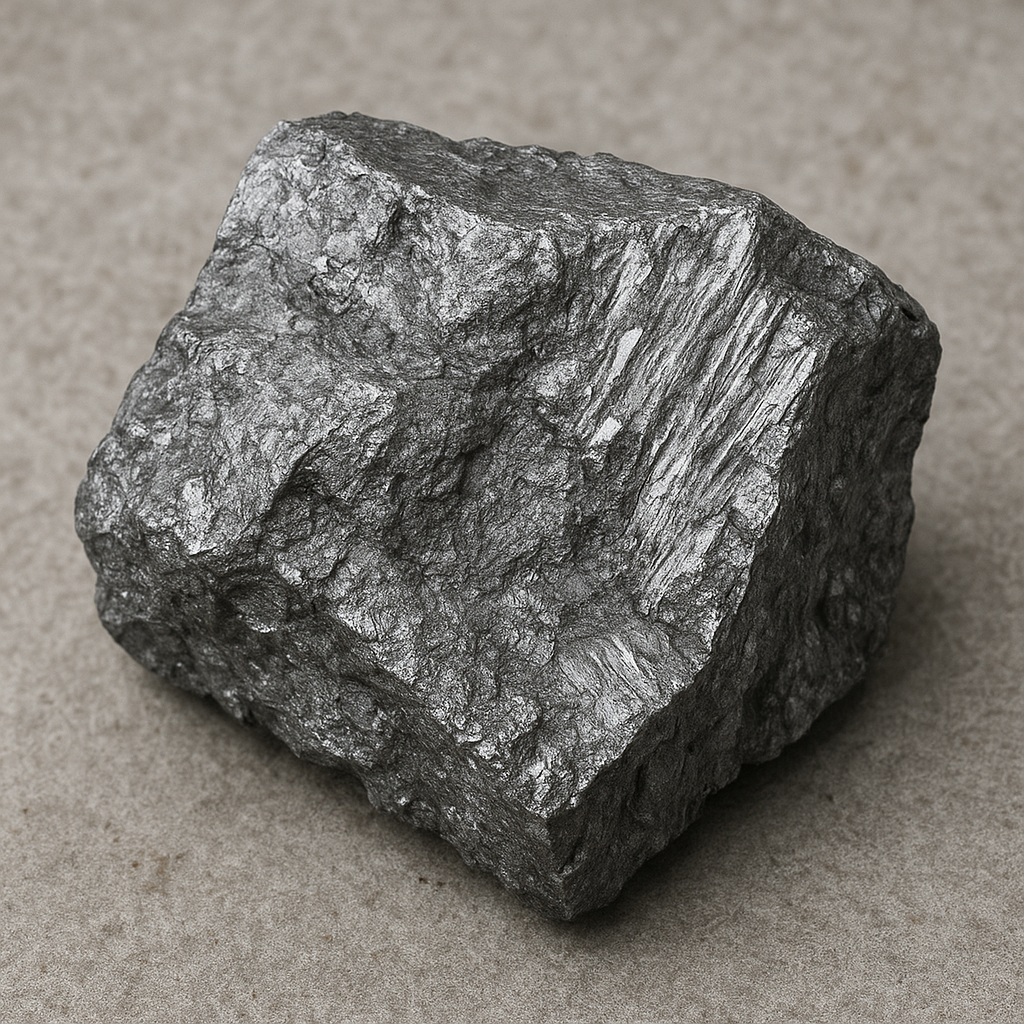
The silvery-gray element discussed below has played diverse roles across civilizations, industries and the environment. It is both a subject of ancient lore and a modern material critical to specific technologies. This article explores its natural occurrence, extraction, chemistry, uses, health and environmental aspects, and a selection of intriguing facts that reflect its enduring relevance.
What Antimony Is: Basics and Properties
Antimony is a chemical element with atomic number 51. Classified as a metalloid, it exhibits properties intermediate between metals and nonmetals, which makes it versatile in both chemical behavior and technological applications. Its most common oxidation state is +3, though +5 compounds are also well known. In its metallic form antimony appears as a brittle, lustrous, silver-white material. Key physical and chemical attributes include a relatively high density, low electrical conductivity compared with typical metals, and the tendency to form covalent compounds with sulfur, oxygen, and halogens.
Some notable terms and compounds associated with antimony are antimony itself, the mineral stibnite (antimony sulfide, Sb2S3), and oxides such as Sb2O3 and Sb2O5. Its behavior as a metalloid underpins many of its uses in alloys and electronic materials.
Where Antimony Occurs and How It Is Mined
Antimony is relatively rare in the Earth’s crust but occurs in economically important concentrations. The primary ore mineral is stibnite (Sb2S3), which historically has been the major source of metallic antimony. Other minerals include berthierite (FeSb2S4), tetrahedrite-tennantite group minerals containing antimony, and various oxides and antimonates in oxidized zones.
Geographical distribution
- China is the largest producer and exporter of antimony and antimony compounds, supplying a substantial portion of global demand.
- Other notable producers include Russia, Bolivia, Tajikistan, and South Africa.
- Smaller deposits and production occur in the United States, Australia, and parts of Europe; many of these are economically marginal and subject to fluctuations in price and environmental regulation.
Mining and concentration
Antimony is recovered mainly from underground and open-pit mines that target stibnite-rich veins. Traditional extraction involves crushing and grinding followed by gravity concentration and flotation to produce an antimony concentrate. In some deposits, antimony occurs alongside other metals such as gold, which can complicate and sometimes economically favor recovery.
Primary production routes
- Roasting of sulfide concentrates to convert Sb2S3 to oxides, followed by reduction with carbon or direct smelting into metallic antimony.
- Hydrometallurgical techniques, including leaching and solvent extraction, are used in specific locations or for secondary recovery from industrial wastes and recycled materials.
Chemistry: Compounds and Reactions
Antimony forms a variety of compounds, reflecting its ability to adopt multiple oxidation states and to bond with a range of elements. Sulfides and oxides are particularly important industrially.
- Sulfides: The most common is Sb2S3 (stibnite), used historically as a source of antimony and in pigments and semiconducting materials.
- Oxides: Sb2O3 (antimony trioxide) is widely used as a flame retardant synergist; Sb2O5 (antimony pentoxide) has applications in catalysts and pigments.
- Halides: Antimony trichloride and pentachloride are important reagents in organic synthesis and in producing other antimony compounds.
- Organometallic: Compounds such as stibanes (analogues of phosphines) are less common but find niche uses in synthesis and research.
Antimony oxides are especially significant in industrial chemistry because they act as synergists for halogenated flame retardants, improving charring and reducing flammability in polymers. The electronic properties of certain antimony chalcogenides (sulfides and selenides) have attracted interest for photovoltaic and photoconductive applications.
Major Uses and Applications
Antimony’s unique combination of properties makes it useful across several sectors. Below are the dominant and notable applications.
Flame retardants
One of the largest uses of antimony is in flame retardant formulations. Sb2O3 is commonly used as a synergist with halogenated flame retardants in plastics, textiles, and electrical components. It enhances char formation and reduces the release of flammable volatiles, contributing to improved fire performance in consumer goods and industrial materials.
Alloys and metallurgy
Antimony imparts hardness and strength when alloyed with other metals. Key metallurgical uses include:
- Lead-acid battery grids and automotive batteries: small percentages of antimony are added to lead to improve mechanical properties and casting behavior.
- Solders and pewters: antimony modifies melting points and mechanical strength.
- Bearings and low-friction alloys: antimony can increase wear resistance.
In these contexts antimony is valued for its ability to modify microstructure and improve durability.
Electronics and semiconductors
Certain antimony compounds and alloys are important in electronics. For example, indium antimonide (InSb) and gallium antimonide (GaSb) are narrow-bandgap semiconductors used in infrared detectors, high-speed transistors, and specialized optoelectronic devices. Antimony-doped materials are also used to tailor electrical properties in some components.
Glass, ceramics and pigments
Antimony compounds have been used historically in colored glazes and glasses and are still employed as opacifiers and decolorizers in the ceramic and glass industries. Antimony oxides can help control color and refractive properties.
Other applications
- Explosives and propellants: antimony sulfide can be a component in pyrotechnic mixtures.
- Pesticides and pharmaceuticals: historically used compounds now largely phased out due to toxicity, but antimony has niche medical uses (e.g., some antimonials for protozoan infections in the past).
- Emerging materials research: antimony-based two-dimensional materials and chalcogenides are under investigation for next-generation electronics, thermoelectrics, and photonics.
Processing and Refining Methods
Converting ore to refined antimony and compounds requires a chain of chemical and metallurgical steps. Two major approaches are pyrometallurgical and hydrometallurgical processing.
Pyrometallurgy
This traditional route involves roasting antimony sulfide concentrates to convert sulfides to oxides, followed by reduction with carbon or direct smelting to produce metallic antimony. Control of emissions during roasting is critical because of the potential for sulfur dioxide release and the mobilization of antimony-bearing particulates.
Hydrometallurgy and recycling
Leaching, solvent extraction and electrowinning have been developed for certain ore types and for secondary recovery from waste streams such as slag, electronic scrap, and spent catalysts. Recycling of antimony from lead-acid batteries and other products is increasingly important to reduce dependence on primary mining and to mitigate environmental impacts.
Health, Toxicity and Environmental Issues
Antimony and many of its compounds present toxicological concerns that dictate careful handling, regulatory oversight, and remediation efforts where contamination occurs. Acute antimony poisoning is relatively rare; however, chronic exposure can lead to respiratory, cardiovascular and dermal effects. Compounds such as antimony trioxide have been classified as potentially carcinogenic under some exposure scenarios, and the toxicology of different antimony species varies.
- Toxicity: Inhalation of antimony dusts and fumes is the most concerning occupational exposure route; ingestion of high doses is toxic. Skin contact can cause irritation and dermatitis in sensitive individuals.
- Environmental behavior: Antimony can be mobilized from mining and smelting sites, entering soils and surface waters. Its mobility depends on pH, redox conditions and the presence of ligands (sulfides, organic matter).
- Regulation: Many jurisdictions regulate antimony emissions, workplace exposure limits and permissible levels in drinking water and consumer products. Waste handling and recycling standards aim to reduce environmental release.
Because of these concerns, industries increasingly monitor antimony levels, adopt cleaner extraction technologies, and emphasize recycling of antimony-containing materials.
Historical Context and Cultural Aspects
Antimony has a long human history. Ancient civilizations used antimony compounds for cosmetics, pigments and medicinal preparations. The Greek and Roman naturalists described a metallic form and its distinctive ores. The name itself has roots in antiquity and medieval chemistry: “stibium” was the Latin name for the mineral, and variations of the name led to modern terms.
In medieval alchemy, antimony attracted attention for its unusual properties and was sometimes associated with transformation and purification processes. The metal was used in alloys and for practical items like mirrors and ornaments in different eras.
Interesting Scientific and Technological Developments
Recent research topics involving antimony reflect both curiosity-driven science and practical innovation:
- Two-dimensional materials: Like other post-transition elements, antimony can form layered allotropes (antimonene) with promising electronic and mechanical properties for flexible electronics and sensors.
- Thermoelectrics: Antimony-containing compounds are being explored for their ability to convert heat to electricity, with potential in waste heat recovery.
- Energy storage: Antimony oxides and alloys have been investigated as anodes for sodium-ion and lithium-ion batteries due to interesting alloying reactions that can store charge.
- Photonics and IR detectors: Narrow-gap antimonide semiconductors (InSb, GaSb) remain important in infrared imaging and sensing applications where sensitivity and response time matter.
Practical Considerations: Supply, Economics and Sustainability
The global supply chain for antimony is relatively concentrated, with a few countries dominating production. This concentration can lead to price volatility and geopolitical concerns for industries dependent on steady supplies. Consequently:
- Recycling of antimony from spent materials is economically attractive and environmentally beneficial.
- Diversifying sources and developing efficient hydrometallurgical recovery methods can reduce risk.
- Substitutes for antimony in some uses (for example, alternative flame retardants) are under investigation, driven by environmental and health regulations as well as cost pressure.
Practical Tips for Handling and Use
For professionals and hobbyists working with antimony or its compounds, safety measures are essential:
- Use appropriate personal protective equipment (PPE) such as respirators, gloves and eye protection when handling powders or during smelting operations.
- Implement containment, local exhaust ventilation and filtration for dusty or fume-producing processes.
- Monitor workplace air for antimony concentrations and follow regulatory exposure limits.
- Manage wastes and residues as potentially hazardous, preventing release to the environment and facilitating recycling where practicable.
Notable Compounds and Their Roles
Some compounds deserve specific mention for their industrial and scientific importance:
- Sb2O3 (antimony trioxide): Widely used as a flame retardant synergist in plastics and textiles.
- Sb2S3 (stibnite): The principal ore and also used historically in pigments and specialized semiconducting applications.
- InSb and GaSb: Semiconductor compounds used in infrared detectors, diodes, and high-electron-mobility devices.
- Organostibines: Rare but useful in specific organic synthesis reactions and research contexts.
Final Thoughts on Antimony as a Strategic Element
Antimony occupies a unique place between ancient uses and modern demands. Its role as a metalloid means it contributes to a wide spectrum of applications—from improving fire safety in consumer products to enabling components for infrared technology. Balancing its utility with health and environmental concerns, and managing supply risks through recycling and alternative materials, will shape how antimony is used in the coming decades. The continued research into novel antimony materials suggests this element will remain scientifically and industrially interesting for years to come.