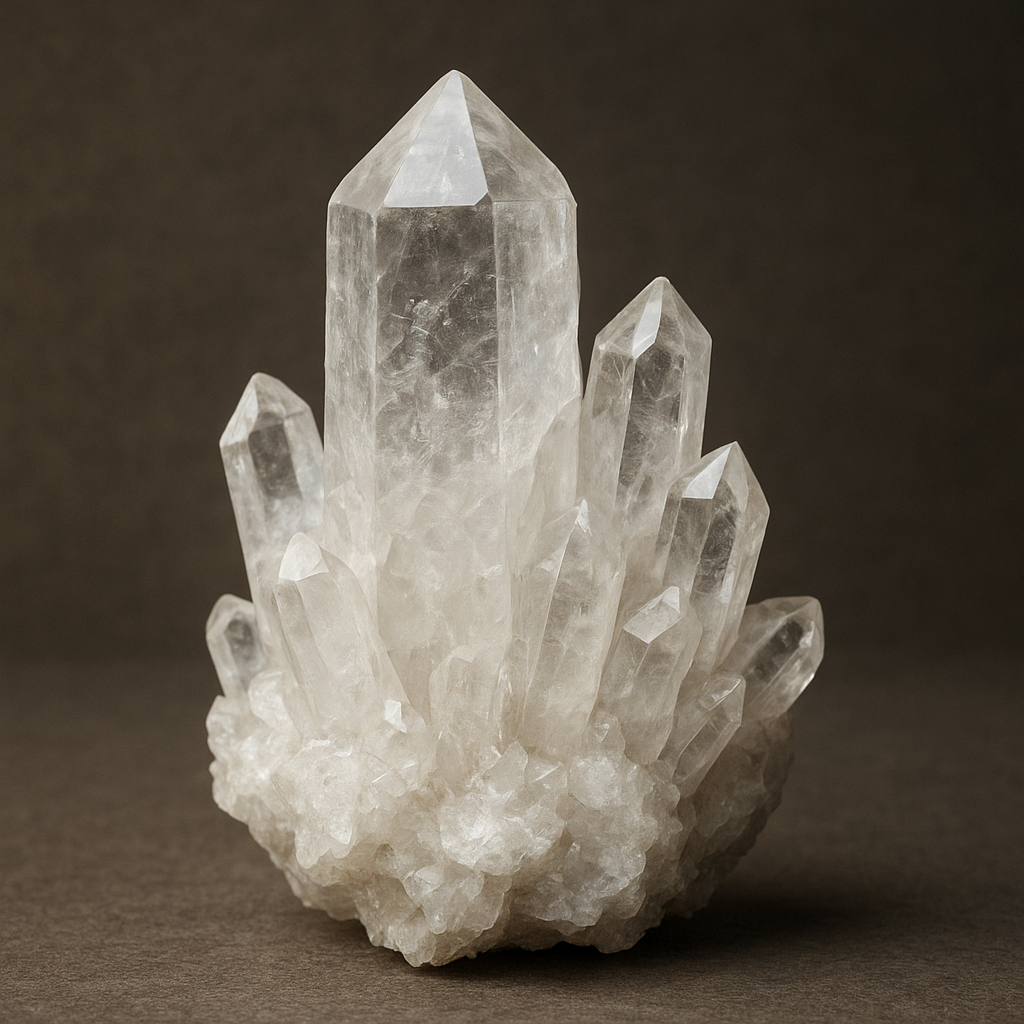
Antigorite is a member of the serpentine mineral group that attracts attention because of its geological importance, influence on earthquake mechanics, and environmental implications. This mineral commonly forms in hydrated ultramafic rocks and produces characteristic textures and physical behaviors in crustal and mantle settings. In the paragraphs that follow I will describe what antigorite is, where it occurs, how it behaves physically and chemically, and why it matters for topics as varied as subduction processes, natural hydrogen generation, industrial asbestos concerns, and engineered carbonation strategies. I will also highlight notable occurrences such as the classic localities in the Oman ophiolite and elsewhere, and summarize active research directions that make antigorite a persistent focus of Earth-science study. The discussion uses straightforward geological language and includes practical notes for identifying and interpreting antigorite-bearing rocks in the field and laboratory.
What antigorite is: mineralogy and structure
Antigorite belongs to the broader family of serpentine minerals and shares the general chemical composition commonly written as (Mg,Fe)3Si2O5(OH)4. It is one of three widely recognized serpentine polytypes—alongside lizardite and chrysotile—distinguished by differences in stacking order, layer curvature, and long-range structural modulation. Antigorite is characterized by a corrugated, modulated layer structure that accommodates strain by periodic reversals in sheet orientation; this internal modulation is responsible for many of the mineral’s mechanical and thermal stability traits.
Compared with lizardite and chrysotile, antigorite generally forms and remains stable at higher temperatures and pressures, which is why it is commonly associated with metamorphosed ultramafic rocks at crustal and mantle depths rather than in low-temperature surficial settings. Antigorite crystals typically exhibit a foliated, platy to scaly habit and a greasy to silky luster; color ranges from pale to dark green depending on iron content and alteration state. Typical physical properties include a Mohs hardness of roughly 3–4 and a relatively low density compared with unaltered ultramafic minerals. In some localities antigorite develops a fibrous or acicular habit and can present as rock-forming fibrous bundles.
Where antigorite occurs: geological settings and notable localities
Antigorite is most commonly found in rocks produced by the hydration and metamorphism of mantle-derived peridotites and other ultramafic protoliths. The classic setting is serpentinite—rocks dominated by serpentine minerals—formed by the process called serpentinization, in which water reacts with olivine and pyroxene to produce serpentine minerals, magnetite, brucite, and hydrogen. Key geological environments hosting antigorite include:
- Exhumed mantle sections in ophiolites and forearc domains, where tectonic emplacement brings mantle rocks into the crust and exposes them to fluids.
- Subduction-related metamorphic belts, where hydrated mantle wedges and subducting slabs sustain antigorite stability at elevated pressures and intermediate temperatures.
- Hydrothermal and fault zones in oceanic lithosphere where peridotite alteration occurs near mid-ocean ridges or transform faults.
- Weathered ultramafic terrains on continents, where prolonged alteration and lateritization produce distinctive soils and mineral assemblages derived from serpentinized bedrock.
Famous and well-studied localities include the Antigorio valley in Italy (the type locality from which the mineral takes its name), the Oman ophiolite (a globally important laboratory for ultramafic rock alteration), the Franciscan Complex of California, parts of the Alpine mountain belt in Europe, and ultramafic terrains in New Caledonia. Each of these settings provides different pressure–temperature–fluid histories that influence whether antigorite, lizardite, or chrysotile predominates.
Physical, chemical and mechanical properties
Antigorite’s internal layered architecture controls much of its physical behavior. The corrugated sheets give the mineral a capacity to accommodate strain plastically at relatively low temperatures compared with many mantle silicates. As a result, rocks rich in antigorite—serpentinite—tend to be mechanically weak compared with unaltered peridotite and often exhibit pronounced foliation and ductile deformation features.
Chemically, antigorite is hydroxyl-bearing and contains structurally bound water; this water is central to its geologic significance because it can be released during heating or prograde metamorphism. The thermal stability of antigorite varies with composition and pressure, but dehydration commonly begins in the mid-temperature range (roughly several hundred degrees Celsius), where OH is expelled and more anhydrous minerals such as olivine, pyroxene, or higher-pressure phases re-form. This dehydration is not only a chemical transformation but a physical process with major geodynamic consequences.
Geophysically, antigorite-rich zones exhibit diagnostic signatures:
- Low seismic P- and S-wave velocities relative to surrounding mantle rocks, often leading to seismic velocity anomalies at forearc depths.
- High Vp/Vs ratios in some cases, related to the presence of serpentine minerals and interstitial fluids.
- Enhanced electrical conductivity if interconnected fluids or brines are present.
Mechanically, antigorite-bearing rocks tend to be more compliant and weaker in shear than typical mantle peridotites. Laboratory deformation experiments show that antigorite-rich aggregates can accommodate strain through grain-scale processes and creep, and that frictional behavior on antigorite-bearing faults is complex: some experiments indicate low steady-state friction but a propensity for brittle failure under certain conditions, making antigorite critically important to fault mechanics in subduction settings.
Antigorite in subduction zones: dehydration, seismicity and mantle wedge dynamics
One of the most consequential roles of antigorite is in subduction-zone processes. Because antigorite stores significant amounts of structural water, its prograde metamorphic breakdown is a major source of fluids within subducting slabs and the overlying mantle wedge. The release of water from antigorite dehydration can:
- Trigger partial melting in the mantle wedge, facilitating arc magmatism and volcanic activity.
- Reactivate or lubricate faults within the slab or at the plate interface, potentially contributing to seismicity including intermediate-depth earthquakes via dehydration embrittlement.
- Produce transient fluid overpressure that influences the strength and slip behavior of megathrusts and outboard faults.
Dehydration temperatures for antigorite depend on pressure, composition, and fluid activity, but generally occur at elevated temperatures that correspond to a range of subduction depths. Where antigorite persists to greater depths, the mechanical behavior of the mantle wedge is affected: serpentinized mantle wedges are weaker and more buoyant than unaltered mantle, which alters the geodynamic coupling between subducting and overriding plates and can influence the patterns of seismic coupling and episodic slow-slip events.
Industrial, environmental and health-related aspects
Antigorite’s industrial significance is mixed. Unlike chrysotile—historically the most commercially mined asbestos fiber—antigorite is less commonly exploited for large-scale industrial uses. However, in several locations antigorite can be present in fibrous, asbestiform varieties: such fibrous antigorite is a health hazard similar to other asbestos minerals because inhalation of millimeter- to micron-scale fibers is linked to pulmonary diseases and increased cancer risk. Many jurisdictions strictly regulate extraction, processing, and handling of asbestos-bearing rocks, and geological exploration for ultramafic-hosted deposits today must include health and environmental safeguards.
From an environmental and applied science viewpoint, rocks containing antigorite and other serpentine minerals are attractive for a variety of climate-related and resource-oriented reasons:
- Serpentinization can produce hydrogen (H2) through redox reactions that oxidize Fe2+ to magnetite while reducing water. This geological H2 is of interest for subsurface ecosystems and for possible energy recovery in niche applications.
- Ultramafic rocks rich in antigorite are prime targets for engineered mineral carbonation—the conversion of CO2 into stable carbonate minerals (for example, magnesite) by reacting CO2 with Mg-bearing silicates. Field trials in several ophiolite regions demonstrate that rapid carbonation is geochemically feasible, offering a promising pathway for permanent CO2 storage if economic and logistical hurdles can be overcome.
- Lateritic weathering of serpentinized ultramafic rocks produces nickel- and cobalt-rich soils exploited in some regions (notably New Caledonia and parts of Indonesia). The chemical and mineralogic character of antigorite-bearing source rocks influences the mobility of metals and the development of economically important regolith deposits.
Given these diverse connections, antigorite is relevant to energy, climate mitigation, ore geology, and public health, making multidisciplinary study essential.
Research frontiers: experiments, geophysical detection and field studies
Active research on antigorite spans laboratory experiments, geophysical imaging, and field-based investigations. Some central research themes include:
- Frictional and rheological experiments that probe how antigorite-bearing rocks deform, fail, and recover under conditions approximating subduction interfaces. These studies inform models of earthquake nucleation and slow-slip phenomena.
- High-pressure and high-temperature laboratory studies that refine the P–T stability fields of antigorite and determine the detailed mechanisms of dehydration and re-equilibration with anhydrous phases.
- Geophysical imaging (seismic tomography, receiver-function analysis, magnetotellurics) that aims to map the distribution of serpentinized mantle and identify antigorite-bearing zones in subduction forearcs and mantle wedges.
- Scientific drilling into ophiolites and subduction complexes to obtain direct samples of antigorite-rich rocks; such cores allow time series petrology, microstructural study, and in situ fluid inclusion analysis that constrain fluid histories and reactive pathways.
These lines of research intersect with planetary science as well: serpentinization and the presence of antigorite-related processes on other planetary bodies are invoked in discussions about potential habitats for life and abiotic synthesis of organic molecules.
Field identification and practical considerations
For geologists working in the field, recognizing antigorite-bearing rocks is a practical skill. Typical indicators include:
- Green to dark green coloration and a waxy or silky luster in hand sample.
- Scaly, foliated texture in serpentinite outcrops; soapiness to the touch in some altered surfaces.
- Low hardness relative to primary ultramafic silicates—samples scratch more easily and may show relict porphyroclastic textures where original peridotite minerals survived partial alteration.
- Mesh and bastite textures in thin section, and microstructural evidence of pervasive hydration (e.g., abundant fine-grained serpentine replacing olivine).
When encountering fibrous textures it is important to observe strict safety protocols: avoid generating dust, use respiratory protection, and follow local regulations for sampling and transport of potentially asbestiform material.
Interesting case studies and notable observations
Several case studies illustrate antigorite’s importance. In some subduction zones, seismic profiles and petrological models together indicate extensive serpentinization of the mantle wedge: this influences the thermal structure, reduces wedge viscosity, and affects where and how water released from the slab leads to arc volcanism. In exhumed ophiolites such as those in Oman, antigorite-dominated serpentinites have been central to field campaigns examining natural CO2 sequestration and the kinetics of serpentinization and carbonation reactions at crustal temperatures.
Another intriguing observation is the role of antigorite-bearing faults in producing slow slip and tremor phenomena. Because antigorite can both creep and undergo transient brittle failure depending on hydration state and temperature, faults containing significant antigorite show complex slip behavior that may explain some enigmatic seismic observables in subduction forearcs.
Conclusion: why antigorite matters
Antigorite is more than a mineralogical curiosity: it is a key player in the water budget of the lithosphere, in the mechanics of plate boundaries, and in environmental and industrial contexts where ultramafic rocks are present. Its capacity to store and release water makes it central to subduction dynamics; its mechanical weakness shapes deformation patterns; and its chemistry links geological processes to climate mitigation and resource issues. Continued study of antigorite—from lab experiments and drilling to geophysical imaging and field petrology—promises to refine our understanding of how fluids, rocks, and tectonics interact deep within the Earth.