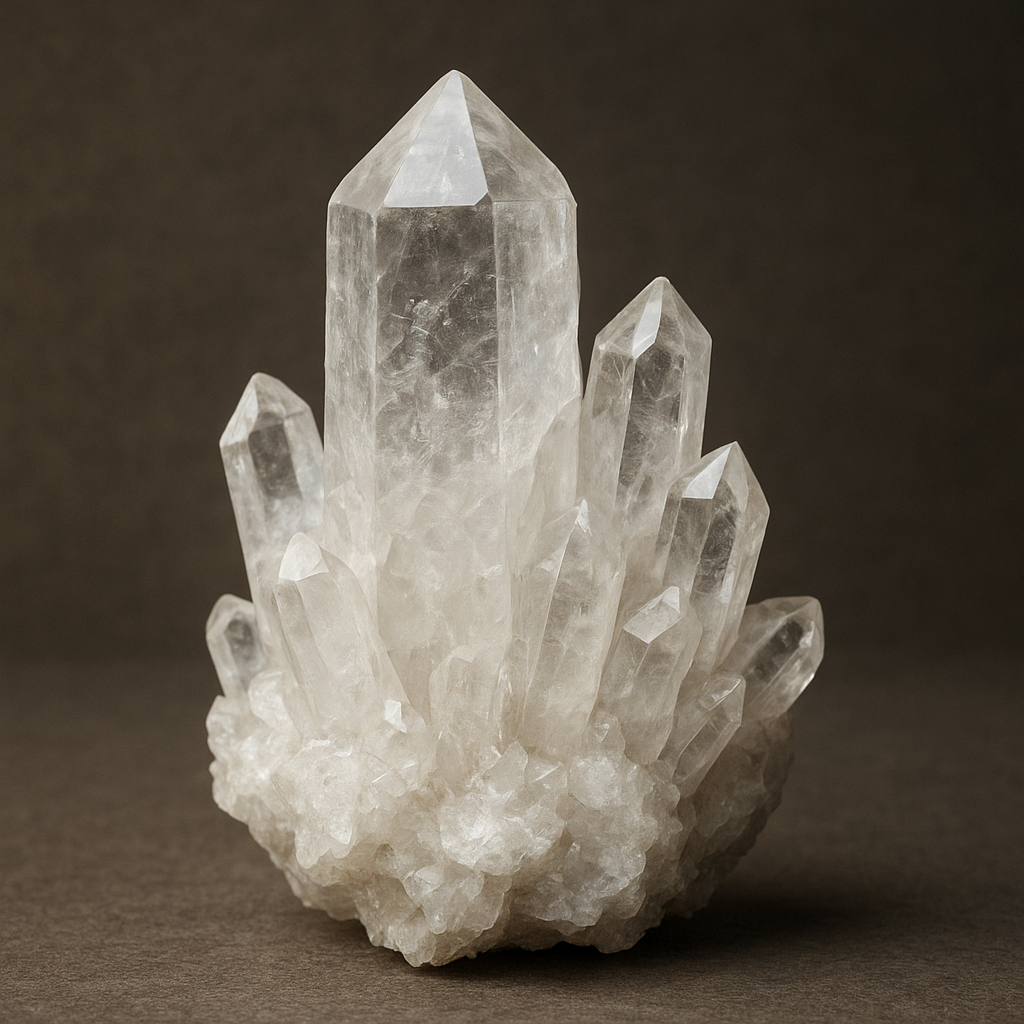
Angelskin Coral evokes images of delicate pink branches, carved rosaries and antique ornaments, but it is also a living part of marine ecosystems with a story that stretches from the seabed into culture, commerce and science. This article explores where Angelskin Coral occurs, how it has been used by people, the biology and ecology behind its beauty, and the conservation and sustainable-use conversations that surround it. Along the way you will encounter practical notes on identification, care, and some surprising scientific roles this coral plays.
Distribution and Natural Habitat
Angelskin Coral is a common trade name applied to pale pink to salmon-hued types of precious or ornamental coral that are prized for carving and decorative uses. These corals are found in a variety of environments, from shallow rocky reefs to deeper, dimly lit slopes. Globally, the organisms sold under names like Angelskin often originate from both temperate and tropical waters, including the Mediterranean, parts of the western Pacific and areas off the coasts of East Asia, Southeast Asia and the Pacific islands.
Typical environments
- Shallow subtidal rocky areas where light allows associated organisms to thrive.
- Deeper slope habitats and ledges, sometimes several tens to hundreds of meters below the surface, where many precious corals grow on hard substrates.
- Areas of moderate current that deliver planktonic food particles, which many soft and non-reef-forming corals capture for sustenance.
These habitats are part of larger reef or reef-adjacent systems that support a mosaic of life. The exact depth range and preferred conditions depend on the particular species or population marketed as Angelskin Coral. Unlike fast-growing tropical stony corals, many of the species used for ornamental or gem purposes grow slowly and form compact, dense skeleton material prized by artisans.
Biology, Growth and Coloration
Understanding what gives Angelskin Coral its distinctive look requires a brief look at coral biology. Many corals used for ornamental carving build a mineralized internal structure composed mainly of calcium carbonate in the form of aragonite. Within and atop these mineral structures live the soft animal tissues, which can host pigments and symbiotic organisms that influence color.
Growth patterns and longevity
- Growth is typically slow compared with many reef-building corals. Some precious-coral colonies take decades to attain sizes useful for harvesting or carving.
- Growth rings and chemical signatures preserved in the skeleton can record environmental conditions over the coral’s life — a feature exploited by researchers.
- Fragility and slow regeneration mean recovered populations can take long periods to rebound from disturbance or overharvest.
The delicate pink or flesh tones associated with Angelskin Coral arise from organic pigments, trace elements and sometimes symbiotic relationships. Slight variations in hue — from very pale pink to deeper salmon — can markedly influence the material’s value in the trade. Weathering, prolonged light exposure and certain cleaning agents can alter color over time, which is why proper care is important for coral jewelry and artifacts.
Uses: Jewelry, Art and Cultural Importance
Angelskin Coral has a long history as a material for adornment and ritual. Its soft pink tones and fine-grained structure make it suitable for carving into beads, cameos, rosaries and small ornamental objects.
Common uses
- Jewelry: beads, cabochons, inlays, and carved pendants.
- Religious and cultural items: rosaries, prayer beads and ceremonial objects in several traditions.
- Decorative carvings and small sculptures prized in both traditional and contemporary markets.
Different cultures have ascribed symbolic meanings to pink and red corals — from protection to vitality — which has driven demand across centuries. Antique pieces of Angelskin Coral appear in museum collections as examples of craftsmanship and trade routes connecting coastal communities to urban centers of fashion and worship.
Conservation, Management and Sustainable Use
Because many corals used for ornaments grow slowly, conservation concerns are central to discussions about Angelskin Coral. Overharvesting, habitat damage from trawling and other destructive fishing practices, and broad environmental changes are the main issues that affect populations. Effective management needs to balance cultural and economic needs with the long-term health of marine ecosystems.
Main threats
- Overcollection and unregulated harvest to meet demand for ornamental material.
- Habitat destruction from bottom-contact fishing gear and coastal development.
- Climate change and ocean acidification, which can alter growth rates and weaken calcified structures.
Responses to these threats include local fisheries management plans, export controls in source countries, and efforts to develop alternatives. Community-based stewardship, quota systems and closed seasons have been applied in regions where precious corals are important to livelihoods. Additionally, consumer awareness campaigns and certifications for sustainably sourced materials aim to reduce pressure on wild stocks.
Sustainable alternatives
- Promoting maricultured or farmed coral material where feasible; while challenging, some forms of coral aquaculture supply ornament markets.
- Using legal and verified sources; traceability initiatives help buyers avoid illicit or overharvested material.
- Encouraging use of alternative materials (recycled metal, glass, and ethically sourced gemstones) in design to reduce demand.
The concept of conservation here is not only about protecting individual coral species but about safeguarding the broader marine habitats and the biodiversity they support.
Aquaculture, Propagation and Research
Farming corals for restoration and commercial use has gained momentum. While reef-building stony corals are the primary focus of restoration projects, techniques developed for those species inform efforts to propagate ornamental corals.
Methods and challenges
- Fragmentation: encouraging fragments to reattach and grow in protected nurseries.
- Larval settlement: collecting larvae and growing juveniles in controlled conditions before outplanting.
- Ex situ culture: aquarium-based cultivation to supply small carved items or to maintain genetic repositories.
Challenges include slow growth rates, species-specific husbandry requirements and the economics of producing marketable quantities. Still, aquaculture offers hope as a pathway to reduce pressure on wild populations and to support restoration of degraded habitats.
Identification, Market and Care of Angelskin Coral
For consumers and collectors, distinguishing genuine Angelskin Coral from look-alikes is important. A combination of visual inspection, provenance documentation and, when necessary, laboratory testing is used in the market.
Practical identification tips
- Color and texture: natural coral usually shows fine micro-structures and a subtle, warm hue; dyed or resin-filled imitations can appear overly uniform.
- Weight and feel: genuine coral often has a characteristic density and cool-to-the-touch sensation similar to stone or shell-based materials.
- Provenance: trustworthy vendors provide source information and, for higher-value pieces, certifications or lab reports.
Care for coral jewelry should be gentle. Avoid prolonged exposure to perfumes, cosmetics and sunscreen, which can degrade organic components or dull color. Ultrasonic cleaners and harsh chemicals are not recommended. Instead, wipe pieces with a soft, damp cloth and store them separately to prevent scratching.
Scientific Roles and Surprising Uses
Beyond ornament and commerce, Angelskin Coral and related species have roles in science and history. The mineralized parts of colonies record clues about past ocean conditions. Researchers analyze growth bands and isotopic composition to reconstruct temperature and nutrient histories, a field known as sclerochronology.
Applications in research
- Climate reconstruction: skeleton chemistry can reveal past sea temperatures and changes over decades to centuries.
- Paleoenvironmental records: growth interruptions and chemistry indicate events such as storm impacts or changes in productivity.
- Material science insights: the structure of coral skeletons inspires biomimetic research in building materials and ceramics.
Additionally, archaeological studies sometimes use coral artifacts to trace trade routes and cultural connections. Finding Angelskin Coral beads or amulets in inland contexts speaks to the movement of materials and ideas across pre-modern societies.
Interesting Cultural and Artistic Notes
Angelskin Coral occupies a niche where the aesthetic qualities of color and texture meet deep cultural resonances. In certain folk traditions it is believed to ward off harm or to bring vitality; in luxury markets it signals refinement and rarity. Contemporary jewelers and designers experiment with coral in new ways, juxtaposing traditional beads with modern metals or incorporating coral accents into sculptural pieces.
Design trends
- Minimalist settings that emphasize the coral’s hue and grain.
- Mixed-media works combining coral with sustainable woods, mother-of-pearl and recycled metals.
- Heirloom restoration, where old coral pieces are reworked into modern wearable forms.
These trends reflect a broader consumer interest in story-rich materials with clear provenance and enduring aesthetic appeal.
Practical Advice for Buyers and Curators
Whether you are a buyer, collector or museum curator, a few practical rules help ensure ethical purchases and long-term preservation.
- Ask about sourcing and documentation; prefer items with clear, legal provenance.
- Consider the age and condition of the piece; very old material may be fragile and require professional conservation.
- Support initiatives that fund sustainable harvest, restoration and community management in source regions.
Acting with awareness helps protect both cultural heritage and the living ecosystems from which Angelskin Coral originates.
Closing Thoughts and Future Directions
Angelskin Coral sits at the intersection of natural wonder and human creativity. The delicate tones that make it desirable are tied to slow-growing organisms and specialized habitats that deserve careful stewardship. Advances in aquaculture and better market transparency offer ways to reduce pressure on wild stocks, while scientific uses of coral skeletons continue to illuminate ocean histories. For anyone drawn to its color or history, combining appreciation with responsibility is the best way to ensure that Angelskin Coral remains part of both cultural expression and healthy marine environments.