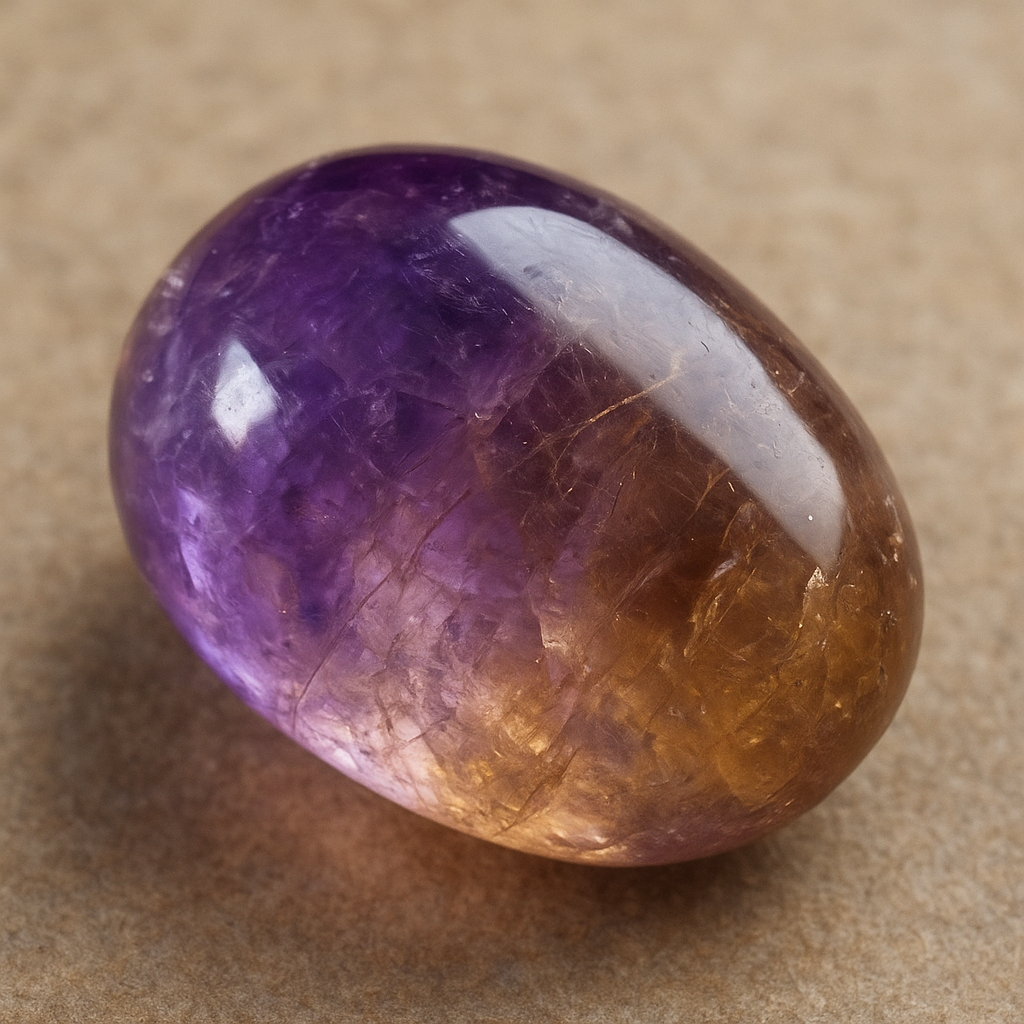
Ametrine is a striking and unusual variety of quartz that combines the purple of amethyst with the yellow to orange of citrine in a single crystal. Renowned for its natural bicoloration, ametrine offers a visual drama that appeals to gem collectors, jewelers and those interested in the mineral’s alleged energetic attributes. This article explores the stone’s geological origins, physical and optical characteristics, applications in jewelry and industry, methods of cutting and identification, notable occurrences, and some of the cultural and market aspects that make ametrine fascinating.
Geological occurrence and formation
Ametrine is a member of the quartz family and owes its dual coloring to variations in the oxidation state of iron within the crystal lattice. The formation of ametrine requires a specific set of geological conditions where both purple and yellow zones can coexist within a single crystal. Typically, color zoning in quartz is related to changes in temperature, pressure and the chemical environment during crystal growth.
Most naturally occurring ametrine is mined from veins and hydrothermal deposits. The most famous and commercially significant source is the Anahi mine in eastern Bolivia, which has produced the vast majority of gem-quality ametrine on the market. In these deposits, hydrothermal fluids rich in silica and iron percolated through fractures in the host rock. At certain stages of growth, differing levels of irradiation and oxidation caused portions of the crystal to develop purple amethyst hues while other zones remained or turned into yellow citrine. This juxtaposition is often called sectors of color.
While natural ametrine is relatively rare, similar color zoning can also arise through geological processes such as differential cooling or exposure to natural radiation. Synthetic and heat-treated materials can mimic the appearance of natural ametrine, but the natural specimens remain prized due to their unique growth history and rarity.
Physical and optical properties
Ametrine is chemically silicon dioxide, the same as other quartz varieties. It shares the following core properties with quartz:
- Hardness: 7 on the Mohs scale, making it durable enough for most types of jewelry.
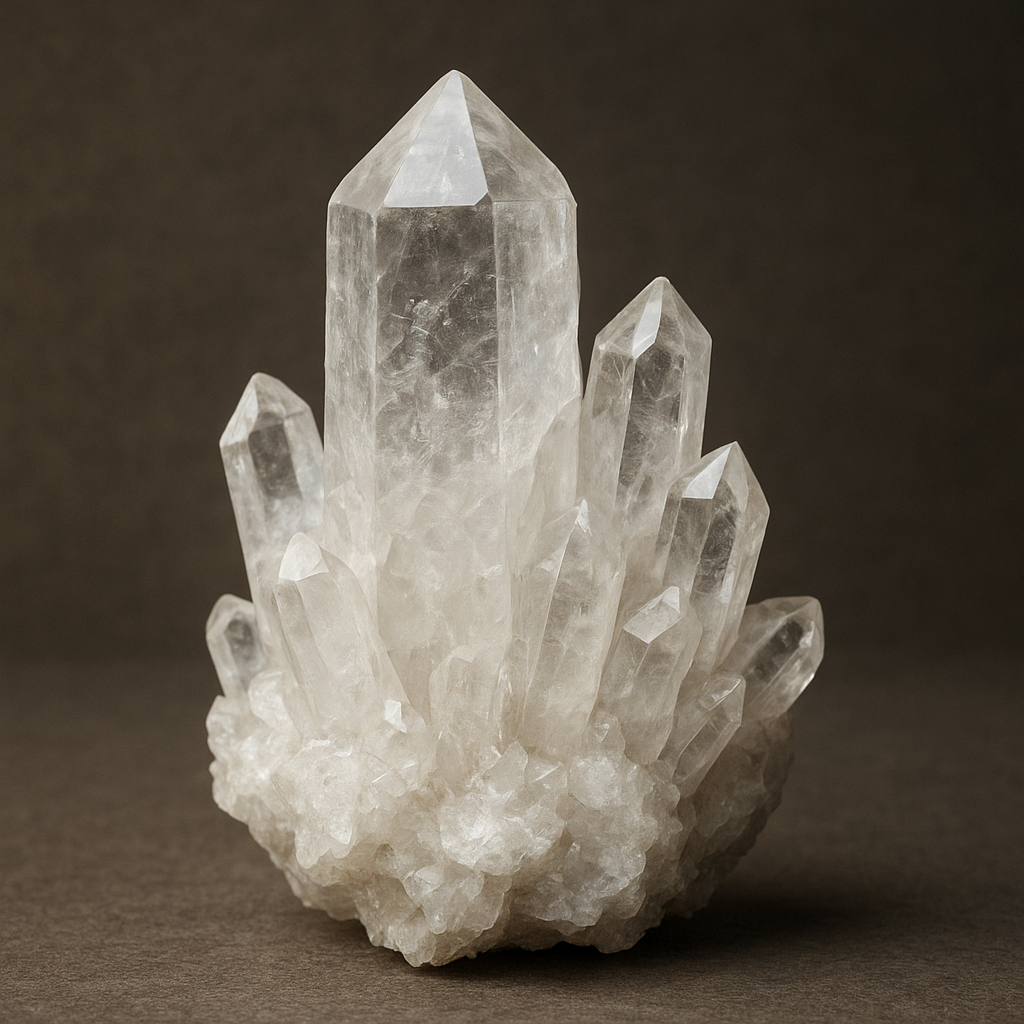
- Crystal system: Trigonal, commonly forming six-sided prisms terminated by pyramidal faces.
- Specific gravity: Approximately 2.65.
- Refractive index: Around 1.544 to 1.553, with minimal birefringence typical for quartz.
The optical interest in ametrine comes from the coexistence of two colors rather than unusual optical phenomena like chatoyancy or asterism. The color cutoff between purple and yellow zones can be sharp and linear or more diffuse and blended depending on how the crystal formed. Some ametrine stones show a gradual transition, while others have striking, almost geometric color separation that lapidaries use to create dramatic faceted designs.
Inclusions are common in natural ametrine and can include internal fractures, healed fluid inclusions, and mineral inclusions such as rutile or chlorite. These inclusions can influence the clarity grade and desirability of a gem. In some specimens, the inclusions create internal patterns that add to the stone’s aesthetic appeal and serve as clues for gemologists distinguishing natural from synthetic material.
Cutting, lapidary techniques and aesthetic considerations
Cutters working with ametrine face both challenges and opportunities. The primary challenge is to maximize the visual separation between the two colors while preserving carat weight and maintaining good proportions. Skilled lapidaries orient the stone so that the color boundary complements the faceting pattern, often choosing elongated cuts such as ovals, emerald cuts or fancy mixed cuts to emphasize the contrast.
Key considerations in cutting ametrine:
- Orientation: Aligning the color boundary with the length of the cut enhances the bicolor effect.
- Faceting: Strategic facet placement can either blend or accentuate the two zones; step cuts often create a clear division while brilliant cuts can introduce play and soften the line.
- Carat retention: Because many natural ametrine crystals are relatively small or irregularly zoned, cutters balance the desire for ideal symmetry with preserving as much weight as possible.
Some contemporary designers embrace asymmetry, using the natural color zoning as a design element rather than concealing it. This approach highlights the gem’s origin and unique personality, appealing to buyers who prefer distinctive and less conventional jewelry.
Uses and applications
Ametrine’s primary use is in jewelry, where its dramatic bicolor appearance allows for striking designs. It is found in rings, pendants, earrings and brooches. Due to its hardness, it is suitable for everyday wear when properly set, though care should still be taken to avoid hard knocks that could cause chipping along facet edges or existing inclusions.
Beyond jewelry, collectors prize large ametrine crystals and cabochons for display. Museums and private collections often feature well-formed specimens from Bolivia with distinct, sharp color zoning. Ametrine is also used in metaphysical and crystal-healing contexts, where practitioners attribute combined properties to the stone because it merges two distinct quartz varieties.
Industrial applications for raw quartz do not typically use gem-grade ametrine because the aesthetic value far outweighs any utility in electronics or optics. However, lesser quality quartz with bicolor zones may still be used in ornamental carving or in smaller decorative objects.
Metaphysical and cultural associations
In metaphysical circles, ametrine is popular because it blends the purported properties of amethyst and citrine. Practitioners claim the stone brings a harmonious combination of calming and energizing energies: the reputed spiritual and calming qualities of amethyst with the creativity and abundance associations of citrine.
- Balance and clarity: Many users carry or wear ametrine as a talisman for mental clarity and balanced decision-making.
- Stress relief: The purple zones are associated with calming and stress reduction in crystal-healing traditions.
- Motivation and manifestation: The yellow zones are linked to drive, prosperity and manifesting intentions.
While these claims lack empirical scientific backing, the cultural and psychological impact of wearing or meditating with a visually appealing stone can be meaningful to many people. In historical contexts, multicolored gems often served as symbols of status and unique power, and ametrine—due to its rarity—has been considered special by those who collect or use it for spiritual practices.
Identification, treatments and imitations
Because natural ametrine is relatively rare, the market includes synthetic, heat-treated and assembled materials that mimic its appearance. Recognizing natural ametrine involves careful examination for telltale signs:
- Natural color zoning often shows gradual transitions, internal growth patterns and typical quartz inclusions.
- Heat-treated amethyst can sometimes produce citrine zones via controlled heating, but the resulting color and zoning can differ from naturally formed ametrine.
- Synthetic quartz grown in laboratories can mimic color zoning but may show growth patterns, gas bubbles or other features inconsistent with natural hydrothermal crystals.
Gemologists use equipment like spectrometers, microscopes and UV lights to test stones. Observing the stone under magnification often reveals inclusions and growth structures that indicate natural origin. In some cases, the presence of residual heat-treatment signatures such as large brownish areas or uneven color conversion suggests treatment rather than natural genesis. Advanced tests, including trace element analysis, can identify the chemical fingerprints associated with the Anahi mine or with particular treatment processes.
A common treatment approach is the controlled heating of amethyst to create citrine-colored zones; conversely, some jewelry is assembled from two separate crystals to simulate a single bicolor gem. Buyers should request certificates from reputable gemological laboratories if provenance and natural origin are important.
Notable deposits, historical finds and market considerations
The Anahi mine in Bolivia remains the quintessential source and has been historically responsible for most gem-quality ametrine. The mine’s output peaked in certain decades, and the rarity of new finds has contributed to the gem’s market value. Other localities have reported ametrine occurrences, but these are generally minor compared to the Bolivian material.
Market factors affecting ametrine prices include:
- Color contrast and clarity. Strong, well-defined bicolor stones with high clarity command the best prices.
- Cut quality and carat weight. Larger, expertly cut ametrines are more valuable.
- Provenance. Pieces with documented origin from reputable mines attract collectors.
- Treatment status. Naturally zoned, untreated specimens are valued higher than heat-treated or synthetic equivalents.
In recent years, the scarcity of high-quality natural ametrine has increased interest in vintage and estate pieces as well as bespoke designs using smaller, well-cut stones. Auction houses and specialty dealers sometimes highlight extraordinary specimens, such as museum-quality crystals with exceptionally sharp color division or unusually large faceted gems.
Care, handling and ethical considerations
Because ametrine is quartz, basic care guidelines are straightforward:
- Cleaning: Use warm soapy water and a soft brush; ultrasonic cleaners may be used with caution but should be avoided if the stone has significant fractures or inclusions.
- Avoid sudden temperature changes: Rapid heating or cooling can cause fractures.
- Storage: Store separately from harder gems to avoid scratches; a soft pouch or lined jewelry box is recommended.
Ethical sourcing is an important consideration. When purchasing ametrine, consumers should inquire about mining practices, the working conditions at source mines and whether proceeds support local communities. Responsible dealers will provide information about origin, treatment and any certifications that accompany the gem.
Collecting and notable specimens
Collectors prize ametrine for both its aesthetic beauty and geological interest. Important specimens are often sought for their clean division of color, large size and minimal inclusions. Museums occasionally display notable ametrine crystals alongside other quartz varieties to illustrate mineralogical processes that produce color zoning.
Some particularly noteworthy pieces have been used to create high-end jewelry for prominent clients and designers who emphasize the stone’s rarity and unique story. Boutique brands sometimes design limited series around natural ametrine to showcase its singular appearance and to appeal to collectors and connoisseurs.
Interesting facts and final remarks
- Ametrine’s name is a portmanteau reflecting its parentages, combining elements of both amethyst and citrine.
- The exact color distribution in each specimen is a snapshot of the crystal’s growth environment, making every piece geologically unique.
- While heat treatments can reproduce bicolor effects, natural ametrine is still considered preferable by collectors due to its geological authenticity.
Enthusiasts admire ametrine not only for its beauty but also for the geological story it tells: a single crystal that recorded changing chemical and physical conditions during formation and preserved them as a vivid, two-toned gem. As such, ametrine remains a captivating subject for gemologists, jewelers and anyone drawn to rare and visually distinctive minerals.