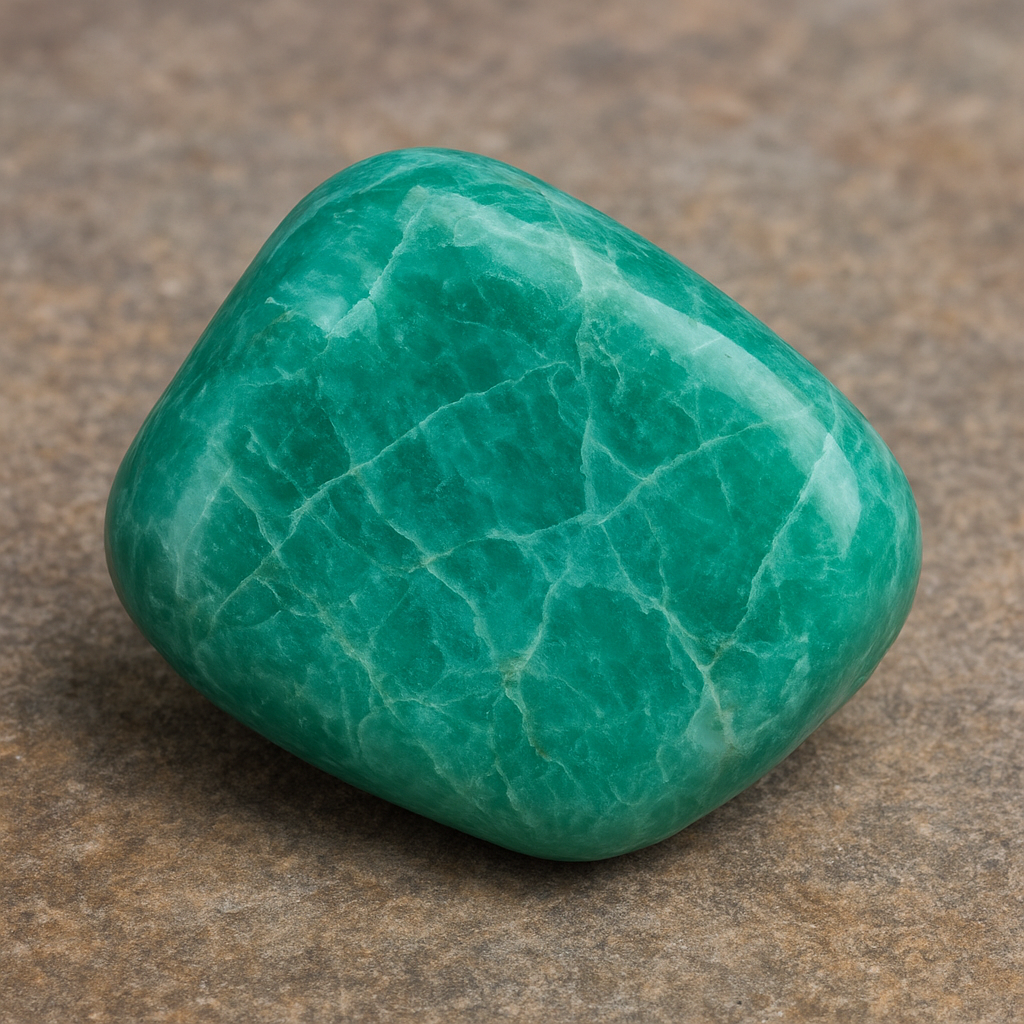
The term Amazonian Jade evokes a lush image of deep green stones unearthed from the tropical belts of South America, an intersection of geology, culture and commerce. While the label is not always precise in strict mineralogical terms, it has come to describe a group of green, jade-like materials — from genuine jade varieties to chalcedony and serpentine — that are found in or marketed from the Amazon region and adjacent areas. This article explores where these materials occur, what they are mineralogically, how they are used, and why they matter today for collectors, artisans, indigenous communities and conservationists.
Geological origin and where it is found
Understanding the origins of what is popularly called Amazonian jade requires distinguishing between several distinct minerals and rock types that share a similar green appearance. True jade is represented by two mineral families: jadeite (a pyroxene) and nephrite (a variety of amphibole). However, many green stones from South America that are marketed as Amazonian jade are not true jade at all; they can be chrysoprase (a nickel-bearing chalcedony), amazonite (a green microcline feldspar in other contexts), serpentine (a group of magnesium-silicate minerals), or altered greenstones associated with lateritic and ultramafic geology.
Typical settings where these green stones are found include:
- Weathered lateritic profiles over ultramafic rocks — these environments can concentrate elements like nickel and chromium that impart green coloring to silica or other minerals.
- Hydrothermal veins and silicified zones where chalcedony and other silica minerals are deposited along fractures and cavities.
- Metamorphic belts where amphiboles and pyroxenes form fibrous, interlocking aggregates characteristic of nephrite.
Geographically, deposits associated with the Amazon basin and adjacent regions include parts of northern and central Brazil, areas of Colombia, Ecuador, and Peru, and smaller localities across the Guianas. In Brazil, green chalcedony and chrysoprase occurrences are recorded in states with nickel-bearing laterites; in the Andean foothills of Colombia and Peru, one can encounter varieties of altered greenstones that have been used locally as hardstone materials. The presence of these materials in river gravels and colluvial deposits means artisanal and alluvial prospecting is common, particularly where erosion exposes older bedrock.
Mineralogy, appearance and identification
From a gemological point of view, differentiating among the green materials often sold as Amazonian jade is essential for valuation and proper use. Key groups and diagnostic features include:
True jade: nephrite and jadeite
- Nephrite — composed of interlocking fibrous amphibole crystals, it has a smooth, waxy luster and is typically tough and resistant to fracture. Colors range from creamy white to deep green, depending on iron content.
- Jadeite — a denser pyroxene mineral, often found in more gem-quality translucent pieces with vivid green hues when chromium is present. Jadeite is rarer globally and generally more valuable at equal quality.
Chrysoprase and other chalcedonies
- Chrysoprase is a cryptocrystalline quartz (chalcedony) colored by nickel. It typically has a bright apple to deep grass-green color and a waxy luster. It is softer (around 6–7 on the Mohs scale) than true jade but is prized for its color.
- Unlike nephrite and jadeite, chrysoprase often shows conchoidal fracture and can be translucent to opaque.
Serpentine and related greenstones
- Serpentine minerals are softer and often show a greasy luster; they may be carved and polished for beads and ornaments but are less durable than jade.
- Some greenstones encountered in Amazonian contexts are metamorphosed ultramafic rocks with varying textures and compositions.
Practical tests and observations that help identification:
- Hardness test: jadeite and nephrite are significantly harder and tougher than serpentine; chrysoprase will be scratched more easily than nephrite.
- Specific gravity and heft: jadeite and nephrite are denser than most chalcedonies and serpentines, giving them a characteristic heft.
- Structure under magnification: the interlocking fibrous texture of nephrite is diagnostic; chalcedony’s microcrystalline structure appears different.
- Advanced methods: refractive index, infrared spectroscopy, and X-ray diffraction are used by gem labs to confirm identity. Fluorescence under UV and trace element spectroscopy can help detect nickel or chromium colorants.
Historical and cultural significance
Green stones have been integral to many cultures across the Americas long before modern gem markets. Their significance among Amazonian and Andean peoples varies by material, locality and tradition.
Carved bangles, pendants, and ceremonial implements made from durable greenstones have been discovered in pre-Columbian contexts across South and Central America, indicating that hard, polishable stones were prized not only for ornament but for ritual and symbolic use. Indigenous groups often attached spiritual values to green stones, associating them with fertility, vegetation, water or healing. In many societies, certain stones were reserved for elite status items or shamanic objects.
In contemporary artisan communities along the edges of the Amazon, local stone sculptors and jewelers continue these traditions, blending age-old carving techniques with modern designs for global markets. The appeal of a vivid, natural green — whether from chrysoprase, nephrite or other greenstones — remains strong for both cultural continuity and commercial demand.
Uses and applications
The uses of Amazonian green stones span utilitarian, decorative and metaphysical realms. Prominent applications include:
- Jewelry: Beads, cabochons, pendants, rings and earrings fashioned from polished Amazonian greens feature widely in both local and international markets. Where translucency and color are exceptional, pieces command higher prices.
- Carvings: Small to medium-sized sculptures, amulets and ritual implements are carved by traditional and modern lapidaries. The relative toughness of nephrite makes it favorite for intricate, durable carvings.
- Architectural and decorative uses: polished slabs and tiles of attractive greenstones can be used for tabletops, inlays and ornamental panels in high-end interiors.
- Metaphysical and healing markets: many sellers and practitioners ascribe healing, grounding or heart-opening properties to green stones. While these claims lack scientific substantiation, they drive significant consumer demand in alternative wellness sectors.
Trade, valuation and authentication
Valuation depends on mineral identity, color intensity and uniformity, translucency, size and workmanship. True jadeite of gem quality generally outranks other green materials in price. High-quality chrysoprase and finely carved nephrite are also valued, especially when provenance is clear and the pieces are well finished.
Because the term “Amazonian Jade” is often used as a marketing descriptor, buyers should be cautious and seek authentication when purchasing high-value items. Important considerations:
- Request a gemological report when purchasing expensive pieces; reputable labs can distinguish between chrysoprase, nephrite, jadeite and imitations.
- Beware of dyed or stabilized materials. Lower-grade chalcedony may be dyed to intensify green color; polymer impregnation and resin stabilization are also used to improve the appearance of porous stones.
- Consider traceability: documented provenance adds value and can signal ethical sourcing practices.
Environmental and ethical issues
Mining in and around the Amazon basin raises pressing environmental and social concerns. Even small-scale alluvial operations can lead to habitat disruption, increased erosion, sedimentation of waterways and localized contamination, particularly where heavy machinery or chemical processing is used. For greenstones associated with nickel laterites or ultramafic rocks, mining activities can also intersect with areas of high biodiversity and indigenous territories.
Ethical sourcing issues include:
- Impact on indigenous and riverine communities — land rights and consultation processes are often inadequate.
- Unregulated artisanal mining — while a livelihood for many, it can produce unsafe working conditions and uneven economic benefits.
- Illegal mining and export — lack of oversight can allow materials to enter global markets without benefit to local stakeholders.
Responses by consumers and industry include demand for better traceability, community-based mining initiatives, and certifications that encourage sustainable practice. Supporting cooperatives and artisans who practice responsible sourcing or who can demonstrate minimal environmental impact helps shift market incentives.
Imitations, treatments and laboratory methods
Because green is a desirable color, several treatments and imitations exist in the gem trade:
- Dyed chalcedony and agates — common low-cost imitations that mimic chrysoprase color.
- Resin-filled or polymer-impregnated stones — used to stabilize porous material but should be disclosed as treated.
- Composite stones and doublets — thin slices of genuine material glued to backing or combined with glass to appear thicker or more intense in color.
Laboratory authentication methods include refractive index measurements, specific gravity, microscopic structure inspection, FTIR and Raman spectroscopy, and trace-element analysis with techniques like LA-ICP-MS. These methods reveal composition, presence of dyes or polymers, and elemental signatures that can point to geographic origin.
Contemporary trends, markets and design
Interest in green gemstones continues to be strong among designers who seek natural hues and sustainable narratives. Amazonian-sourced stones enter markets as unique conversation pieces — sellers emphasize the stone’s origin story, artisanal working, and ties to local communities to appeal to conscientious customers. Social-media-driven demand for unusual and ethically sourced materials has increased visibility for small-scale miners and lapidaries in South America.
Design trends include minimalist jewelry that highlights stone color and texture, as well as larger statement pieces and architectural uses. Because the various materials grouped under the Amazonian jade label vary in durability, designers must match the chosen stone to the intended use: jadeite and nephrite for durable everyday jewelry, chrysoprase for colorful cabochons, and serpentine for carved decorative objects.
Interesting scientific and cultural threads
Several aspects of Amazonian green stones intersect with broader topics of interest:
- Biogeochemical pathways: how nickel and chromium from ultramafic rocks end up coloring silica-rich deposits offers insight into weathering and soil formation in tropical environments.
- Archaeological provenance studies: studying the distribution of greenstone artifacts can reveal trade routes, cultural exchange and technological practices of pre-Columbian societies.
- Conservation science: balancing mineral extraction with protection of Amazonian ecosystems provides case studies for sustainable resource management.
Collectors and researchers increasingly collaborate with indigenous custodians, museums and universities to document provenance, share knowledge and ensure cultural heritage is respected. This collaborative approach expands the narrative around these stones beyond commerce to include stewardship and cross-cultural learning.
Practical advice for buyers and enthusiasts
If you are considering acquiring a piece of stone marketed as Amazonian jade, keep these practical tips in mind:
- Ask for identification: demand information on whether the material is chrysoprase, nephrite, jadeite or another greenstone.
- Seek documentation for high-value items: laboratory reports and provenance records provide assurance.
- Consider intended use: select durable materials for everyday wear and handle softer stones with care.
- Support ethical sourcing: prioritize pieces sold by traders who disclose origin, working conditions and community benefits.
- Learn visual cues: color consistency, surface texture, and heft can help you distinguish between common varieties, though lab tests remain the gold standard.
The story of Amazonian green stones — whether true jade or jade-like materials such as chrysoprase and serpentine — is rich and multifaceted. They bridge geology and culture, local artisanal craft and international markets, beauty and environmental responsibility. As interest continues, the dialogue among miners, indigenous stewards, scientists, designers and consumers will shape how these stones are valued and protected in the decades ahead.