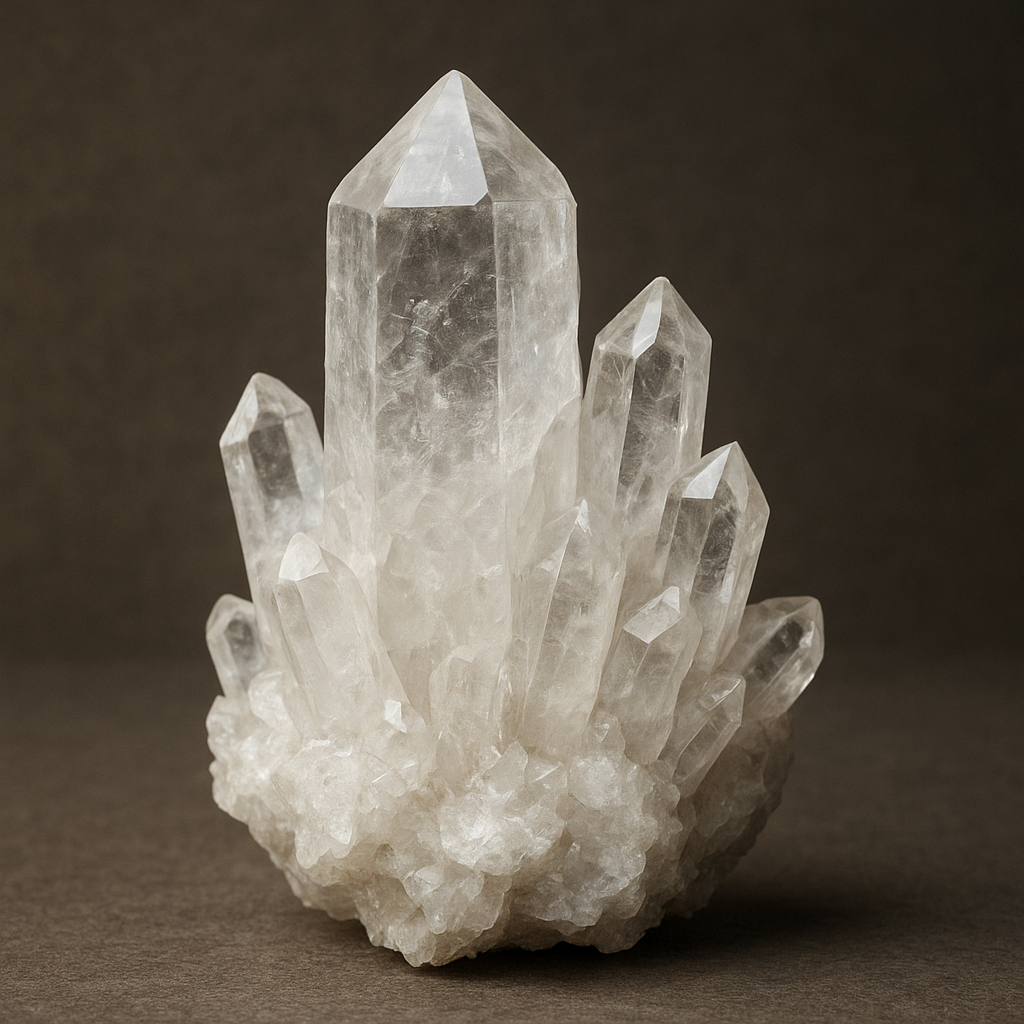
Among all gemstones known to collectors and jewelers, few inspire as much fascination as alexandrite. Celebrated for its dramatic color change and remarkable rarity, this gem balances on the border between science and legend. In daylight it typically appears green or bluish‑green, while under incandescent or candle light it can shift to red, purplish‑red, or raspberry. This optical magic has earned alexandrite the reputation of a “gem of duality,” symbolizing balance, transformation, and the mystery of perception itself.
Geological origin, chemistry and color‑change phenomenon
At its core, alexandrite is a **variety** of the mineral **chrysoberyl**. Ordinary chrysoberyl is yellowish or greenish, but alexandrite stands apart due to trace amounts of **chromium** in its crystal structure. The chemical formula of chrysoberyl is BeAl2O4, and when chromium atoms replace some of the aluminum atoms, the conditions are set for the celebrated color change. This substitution occurs only under very specific geological circumstances, which is one reason alexandrite is so rare.
From a geological perspective, alexandrite forms in **metamorphic** environments where beryllium‑rich rocks interact with chromium‑bearing rocks. Such environments are uncommon because beryllium and chromium rarely occur together in high concentrations. Rocks that contain beryllium are usually associated with granitic pegmatites, while chromium is typically found in ultramafic rocks such as peridotites or serpentinites. When these contrasting rock types are brought into contact during mountain‑building events, fluids can introduce chromium into beryllium‑rich zones, allowing chrysoberyl to crystallize as alexandrite instead of the more ordinary varieties.
The famous color change is an interplay of **crystal field** effects and the character of the light source. Chromium ions absorb certain wavelengths of light and transmit others. Under light that is rich in blue and green wavelengths, such as daylight or fluorescent light, alexandrite appears bluish‑green to green. Under incandescent light, which contains more red and yellow wavelengths, the stone absorbs much of the green and transmits more red, shifting its apparent color toward purplish‑red or raspberry. This effect is not the same as pleochroism, although alexandrite also shows pleochroic colors when viewed from different crystallographic directions. The classic phrase used to summarize this phenomenon is “emerald by day, ruby by night.”
Not all alexandrite shows a dramatic change from green to red; some shift only subtly, for example from brownish‑green to brownish‑red, or from greenish‑blue to purple. **Fine‑quality** stones show a strong, vivid green in daylight and a rich, saturated red under incandescent light. The strength of the color change is one of the key factors that determine a gem’s value. Gemologists sometimes quantify this effect, estimating the percentage of color the stone changes between different light sources—gems approaching a 100% change are extremely rare and highly prized.
Alexandrite’s **hardness** on the Mohs scale is 8.5, making it one of the most durable colored gemstones suitable for everyday jewelry, surpassed only by corundum (sapphire and ruby) and diamond. Its toughness is generally good, though stones can still be chipped if struck hard along certain cleavage directions. Well‑formed crystals often have an orthorhombic habit, and gem cutters must orient them carefully to maximize both color and color change. Misaligned cutting can greatly diminish the dramatic contrast that makes alexandrite so distinctive.
Global occurrences and notable deposits
The history of alexandrite begins in **Russia**, where it was first identified in the early 19th century in the Ural Mountains. According to traditional accounts, the stone was discovered in the 1830s and named in honor of the future Tsar Alexander II. The red and green colors of alexandrite echoed the colors of Imperial Russia’s military uniforms, further enhancing its national symbolism. The Urals quickly became famous for producing some of the finest alexandrite ever mined, with stones showing a vivid grass‑green to intense raspberry‑red shift. These early Russian stones remain the benchmark by which all later material is measured.
The classic Russian deposits are associated with mica schists and other metamorphic rocks that bear both beryllium and chromium. Mining there flourished in the late 19th century but gradually declined as easily accessible material was exhausted. Today, genuine old‑mine Russian alexandrite is exceedingly scarce; most pieces are in museum collections or private hands. Occasionally, small finds in the region still appear, but the quantities are too limited to supply the modern jewelry market.
New sources began to emerge in the 20th century. In **Sri Lanka** (Ceylon), deposits of chrysoberyl in alluvial gravels yielded alexandrite crystals, often lighter in tone than their Russian counterparts. Sri Lankan alexandrite may show a bluish‑green to purplish‑red shift, but it often appears more pastel. Despite this, large crystals have been found there, and Sri Lanka remains an important locale for both gem‑quality and collector pieces. The presence of alexandrite in Sri Lanka, associated with granulite‑facies metamorphic rocks, expanded the gem’s fame into South Asia.
Perhaps the most significant modern source is **Brazil**, where multiple localities in states such as Minas Gerais, Bahia, and Espírito Santo yield chrysoberyl including alexandrite. Brazilian material can be highly diverse in appearance, from yellowish‑green stones with modest color change to rare, exceptionally fine stones with a strong green‑to‑red shift. Some Brazilian deposits are associated with pegmatites intruding into chromium‑bearing rocks, nicely illustrating the geological recipe needed to form alexandrite. Because Brazil has a well‑developed colored stone industry, these finds have played a central role in keeping alexandrite available to the global market.
In **East Africa**, deposits in **Tanzania** and **Madagascar** have gained attention among dealers and collectors. Tanzanian alexandrite from the Tunduru and Morogoro regions may show an attractive color change, sometimes with a slightly more bluish daylight hue. Madagascar, with its complex metamorphic geology, has produced alexandrite in varied qualities, occasionally rivaling the better Sri Lankan material. These discoveries highlight the importance of Precambrian metamorphic terrains as fertile ground for chrysoberyl formation.
Smaller or more localized occurrences are known from **India**, **Myanmar**, **Zimbabwe**, and the United States (notably in New Mexico). Many of these produce only minor quantities, often more suited to the specimen market than to large‑scale jewelry production. Nevertheless, for mineral collectors, such localities provide intriguing variations in crystal habit, inclusions, and associated minerals.
Modern mining methods for alexandrite range from small‑scale artisanal operations to more mechanized efforts. Because the gem occurs in hard rock as well as in alluvial deposits, miners may extract ore from narrow veins and lenses, then transport it for crushing and washing. In some localities, families or small groups work river gravels with simple tools, patiently sorting through sediment in the hope of finding a few bright, color‑shifting crystals. Environmental and social issues inevitably accompany this kind of mining, and responsible sourcing has become an increasingly important conversation in the gem trade.
Uses in jewelry, symbolism and metaphysical associations
Alexandrite’s first and most visible role is as a gemstone for **fine** jewelry. Because of its rarity and the difficulty of finding stones with strong color change and good clarity, it is often reserved for high‑end designs: bespoke rings, delicate pendants, and one‑of‑a‑kind brooches. Small stones may be set in cluster designs, while larger, cleaner gems are typically showcased as solitaire centerpieces. Due to its excellent hardness, alexandrite is suitable for engagement rings and other pieces meant for everyday wear, provided the setting offers a bit of protection to the girdle and corners.
The cutting style of alexandrite is chosen both to enhance brilliance and to emphasize the color change. Ovals and cushion cuts are particularly popular, as they balance weight retention with attractive light return. Round brilliant cuts also exist, but can require sacrificing more rough material. Some stones are crafted into cabochons when they contain dense inclusions or display chatoyancy—the cat’s‑eye effect—resulting in rare cat’s‑eye alexandrite, which combines a sharp eye with noticeable color change. These cabochons are prized by connoisseurs and can command very high prices.
Beyond traditional jewelry, alexandrite holds an established place in the world of symbolic gems. It is widely recognized as the modern **birthstone** for June alongside pearl and moonstone. For some couples, alexandrite is also considered an anniversary stone, often associated with 55th or sometimes 45th wedding anniversaries. The gem’s ability to shift color is frequently interpreted as representing adaptability, resilience, and the capacity of relationships to evolve over time.
In metaphysical and crystal‑healing circles, alexandrite is often linked to themes of **balance** and transformation. Enthusiasts sometimes associate it with the heart and crown chakras, suggesting that it harmonizes emotional perception with higher awareness. The dual colors—green for growth and compassion, red for passion and life force—are used symbolically to indicate the integration of intellect and emotion, or the union of physical and spiritual energies. Some practitioners claim that alexandrite enhances intuition, stimulates creativity, and provides emotional support during major life transitions. These uses are not scientifically verified, but they contribute to the stone’s cultural mystique.
In the world of luxury branding, alexandrite occasionally appears as a motif representing rarity and exclusivity. High jewelry houses may release limited‑edition pieces centered around a single exceptional stone, sometimes drawing on Russian imperial imagery or 19th‑century romanticism. Because most people have never seen a natural alexandrite in person, owning one can become a potent expression of individuality for collectors, much like owning a rare vintage watch or a unique piece of art.
Laboratory‑grown alexandrite, imitations and identification
The scarcity of fine natural alexandrite and the strong demand from both collectors and jewelry clients have led to substantial development of **synthetic** counterparts. Laboratory‑grown alexandrite has been produced since the mid‑20th century, using methods such as the flux process, the Czochralski (pulled‑crystal) process, and later hydrothermal growth. These synthetics are chemically and structurally very similar to natural alexandrite, and many display an impressive color change from greenish to reddish tones.
Flux‑grown synthetic alexandrite tends to contain telltale inclusions: wispy veils, flux “fingerprints,” and small, undissolved particles with a melted appearance. Pulled‑crystal synthetics often show curved growth lines or color zoning under magnification. Expert gemologists use these internal features, along with advanced testing methods like spectroscopy, to distinguish synthetic from natural stones. For buyers, purchasing from reputable dealers and requesting gemological reports from recognized laboratories is the most reliable way to ensure authenticity.
In addition to true synthetic alexandrite, the market has seen many **imitations** and misnomers. Some stones sold as “alexandrite” are actually color‑change synthetic sapphire, color‑change spinel, or even glass with special additives. These materials can mimic the basic green‑to‑red shift, but they generally lack the nuanced colors and internal structure of genuine alexandrite. Trade names such as “alexandrite quartz” or “lab‑created alexandrite sapphire” can be confusing; they refer to other minerals that merely exhibit a color‑change effect, not to chrysoberyl itself.
Natural color‑change garnet and color‑change sapphire sometimes enter the conversation because they can display strikingly similar shifts under different lighting. For honest dealers, the distinction is clear in labeling—only BeAl2O4 with chromium‑induced color change should be called alexandrite. Pricing differences are substantial: top natural alexandrite can command higher per‑carat prices than many rubies or emeralds, especially in larger sizes. Synthetic alexandrite, by contrast, is more accessible, making the visual phenomenon of color change available at a fraction of the cost, provided that consumers understand what they are buying.
Another aspect of identification involves spectroscopic analysis. When observed with a handheld spectroscope, alexandrite typically exhibits prominent absorption lines associated with chromium, similar in some respects to ruby, but with its own characteristic pattern. Modern laboratories may also employ advanced instruments such as Raman spectroscopy, energy‑dispersive X‑ray fluorescence (EDXRF), or infrared spectroscopy to establish composition and origin indicators. In certain cases, subtle differences in trace elements can help distinguish between Russian, Brazilian, and Sri Lankan material, though origin determination is complex and not always possible.
Careful documentation and disclosure have become essential as the gem market globalizes. Certificates from respected laboratories outline whether a stone is natural or synthetic, and whether any treatments have been applied. Alexandrite is generally not routinely treated in the way that corundum is (with high‑temperature heating), but minor clarity enhancements, such as oiling fissures, may occasionally be encountered. Ethical standards in the trade call for full disclosure of such practices to maintain consumer confidence.
Collecting, valuation and care
For collectors, alexandrite occupies a special place at the intersection of rarity, beauty, and scientific curiosity. A combination of factors drives its **value**: strength and quality of color change, saturation and tone in each lighting condition, clarity, cut quality, and carat weight. Stones that show a vivid grassy or bluish‑green in daylight and an equally vibrant raspberry or purplish‑red in incandescent light are at the apex of desirability. If these colors are bright, with minimal gray or brown masking, and the stone is relatively free of eye‑visible inclusions, prices can rise dramatically per carat, especially over one or two carats.
Origin can also influence price. Alexandrite with well‑documented Russian provenance, particularly from historic Ural mines, can sell for a premium due to its historical aura and benchmark status. Brazilian and Sri Lankan stones form the backbone of the current market, with the best examples competing closely in value. African material with strong change and good clarity is likewise prized, though some collectors still favor the romantic associations of Russia and Brazil.
Large, clean alexandrite with strong color change is exceedingly rare. Most stones available commercially are under one carat. When fine stones exceed two or three carats, they tend to enter the realm of specialized dealers and auction houses, where they may be sold alongside exceptional rubies, sapphires, and emeralds. Auction results periodically highlight just how coveted such stones can be, with some commanding prices that surprise even seasoned gem professionals.
Proper care is essential to preserve an alexandrite’s beauty. The gem’s hardness of 8.5 means it resists scratching better than many colored stones, but it is still susceptible to damage if struck or subjected to sudden temperature changes. Cleaning is best done with warm, soapy water and a soft brush, carefully rinsing away any residue. Ultrasonic and steam cleaners, commonly used by jewelers, are generally safe for alexandrite in stable settings, but should be avoided if the stone has visible fractures or if the mounting appears delicate.
Storage should prevent direct contact between alexandrite and softer gemstones, which might be scratched by its harder surface. Conversely, contact with diamond should also be minimized, as diamond could scratch or nick alexandrite. Individual pouches or compartments in a jewelry box help mitigate this risk. Owners who wear alexandrite rings daily may wish to remove them during strenuous activities—sports, heavy lifting, gardening—to avoid accidental knocks that could chip the stone or deform the setting.
Insurance and documentation are another consideration for valuable alexandrite pieces. Professional appraisals, supported by gemological reports, help establish replacement value and facilitate coverage. Given the prevalence of synthetics and look‑alikes, such documentation can also be helpful for heirs or future buyers who may not have the expertise to evaluate the stone on their own. Over time, a well‑documented alexandrite, especially one of outstanding quality, can appreciate in value as natural supplies remain limited.
For those entering the world of alexandrite for the first time, studying the gem’s behavior in different lighting is a rewarding exercise. Viewing a stone near a window in daylight, under fluorescent office lights, and then beneath warm indoor lighting reveals the dynamic nature of its color. This simple act—watching a gem transform before your eyes—captures much of what makes alexandrite unique. It is not merely a static ornament; it is a small, crystalline reminder that the world looks different depending on how, and under what light, we choose to see it.