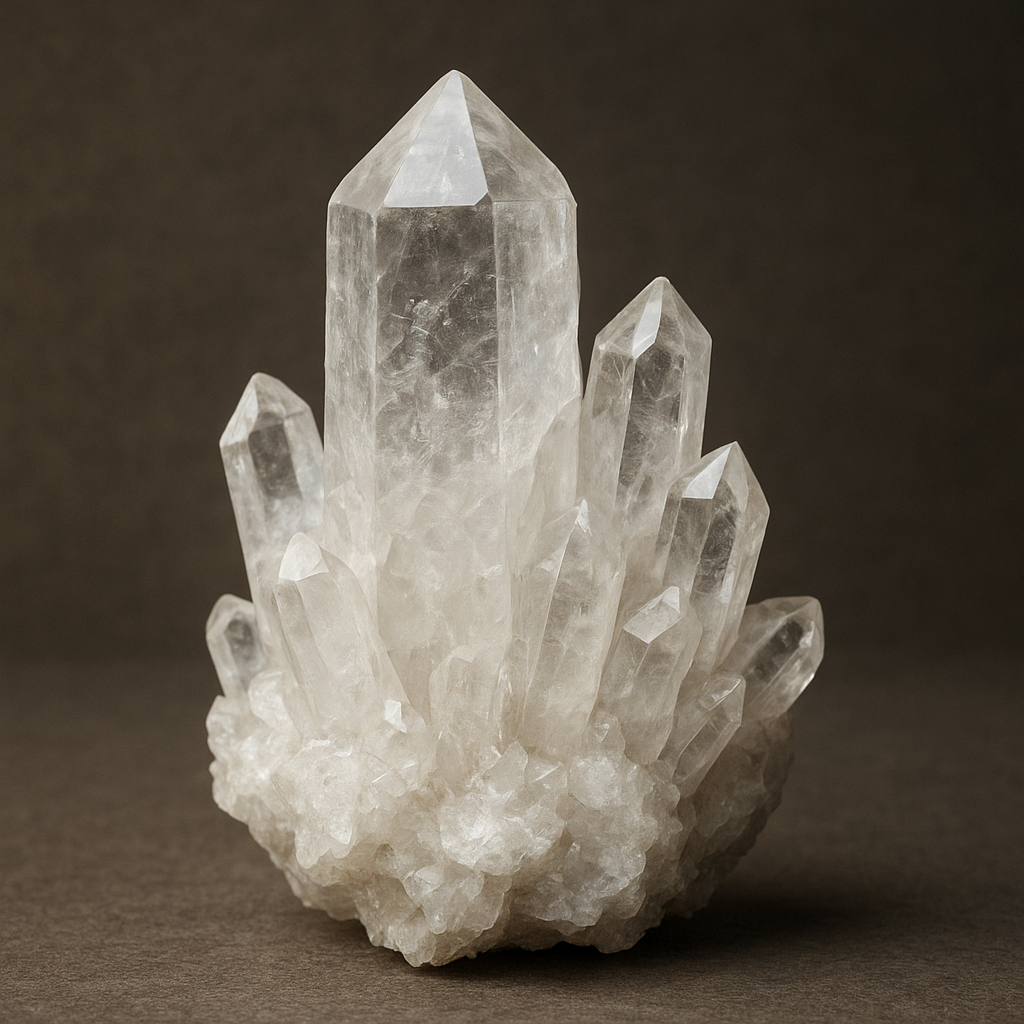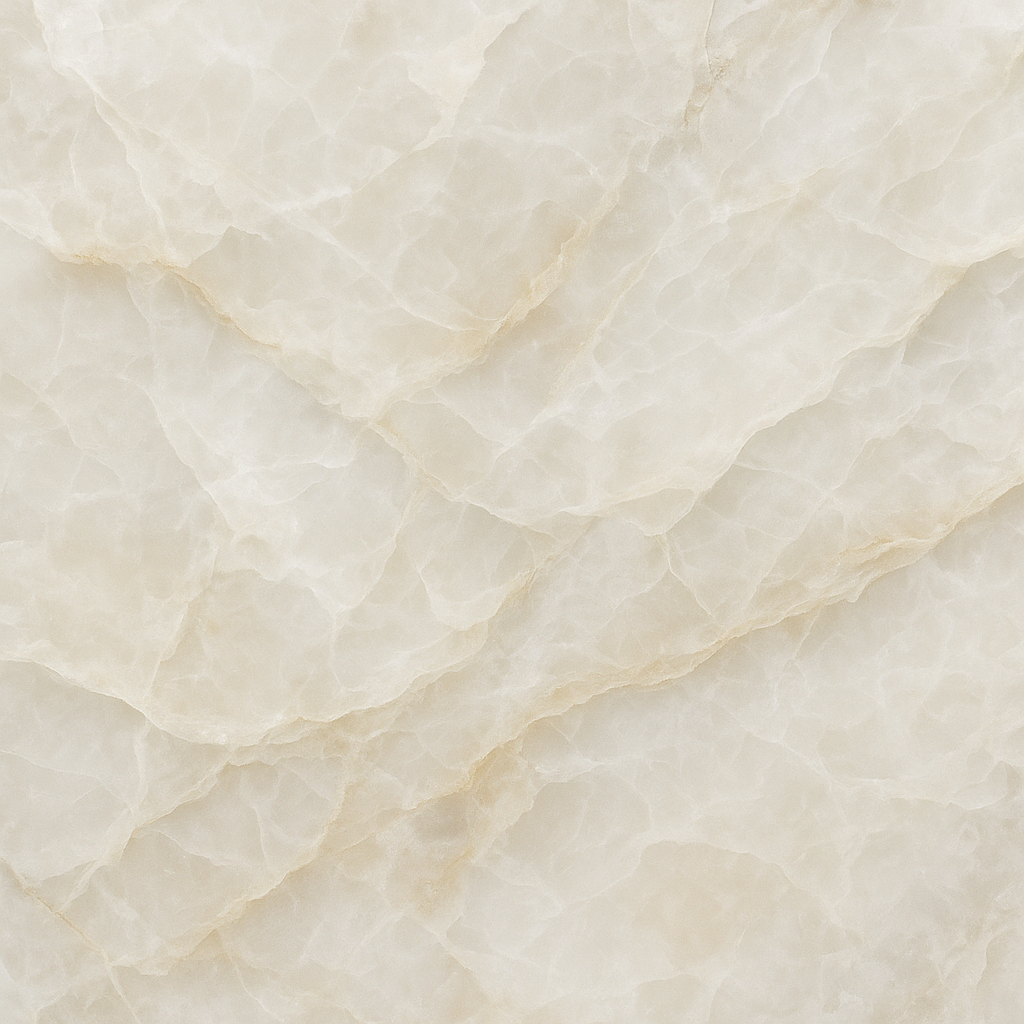
Alabaster has captivated human hands and eyes for millennia, prized for its soft workability and delicate beauty. This article explores the geology, uses, cultural history and practical aspects of working with and conserving this material. You will learn where it occurs, how it differs depending on composition, and why artists and craftsmen continue to choose alabaster for both monumental and intimate objects. Along the way we will highlight practical tips, global sources and a few surprising facts that make alabaster a continuously relevant material in art, architecture and design.
Properties and Formation
At a basic level, alabaster refers to two different mineral types that share similar uses and visual qualities. One is the fine-grained variety of calcite (a form of calcium carbonate) and the other is crystalline gypsum (calcium sulfate dihydrate). Both yield a soft, often near-translucent stone that can be polished to a luminous finish, but their geological origins, physical properties and behaviors differ significantly.
Geological formation
Gypsum alabaster forms mainly by evaporation in restricted basins where sulfate-rich waters precipitate gypsum. These environments include evaporitic lake beds and marine lagoons. Over time pressure and diagenesis produce thick, massive beds that are mined in blocks. Calcite alabaster, by contrast, is typically recrystallized limestone or very fine-grained marly limestone that has undergone metamorphism or chemical alteration to create a compact, uniform material suitable for carving.
Physical and optical characteristics
- Hardness: Gypsum alabaster has a Mohs hardness around 1.5–2, making it quite soft and easy to carve. Calcite alabaster is harder (around 3), closer to typical limestone.
- Density and water sensitivity: Gypsum is more porous and sensitive to moisture; prolonged exposure to water or humidity can cause softening or salt transport damage. Calcite tolerates moisture better but reacts chemically with acids.
- Appearance: Both types can display subtle veining, banding and color variations (white, cream, pale yellow, pinkish tones). When thinly cut, the stone often shows a warm glow because of internal light scattering.
- Workability: The softness of gypsum enables extremely fine detail, making it ideal for delicate sculpture and decorative carving. Calcite alabaster allows for slightly crisper edges and a more durable finish.
Where Alabaster Occurs: Global Sources and Local Quarries
Alabaster deposits are widely distributed. Historically important and currently exploited sources include both old, famous quarries and smaller regional deposits that feed local craft traditions.
- United Kingdom: Nottinghamshire was historically renowned for high-quality gypsum alabaster used in medieval altarpieces and carvings. These workshops exported panels across Europe.
- Italy: Regions such as Volterra and parts of Tuscany have produced fine calcite varieties favored by Renaissance and later sculptors.
- Egypt: Ancient Egypt mined alabaster (generally calcite and sometimes gypsum) for jars, canopic containers and small statuettes; many artifacts survive in museum collections.
- Spain and Portugal: Extensive gypsum deposits have supported local carving traditions and architectural uses.
- Mexico and parts of Central America: Local craftspeople use gypsum alabaster for lamps and decorative objects; some regions process and polish large blocks for export.
- United States: Deposits in states like Utah and New York supply artists and industrial users with blocks and slabs of gypsum alabaster.
Local variations in color and texture influence regional styles. Quarrying methods range from manual extraction of manageable blocks to mechanized blasting and sawing in modern operations. Sustainable quarrying practices and properly managed waste and dust control are increasingly emphasized where environmental impact is a concern.
Historical Use and Cultural Significance
The soft glow and ease of carving made alabaster a favored material across cultures and centuries. Its visual warmth and ability to take detail mean it appears in ancient ritual objects, medieval ecclesiastical art and modern decorative contexts.
Ancient to medieval periods
- In ancient Egypt, small vessels, funerary items and inlays were commonly made from alabaster. The material’s smoothness and luminescence suited intimate objects and ritual use.
- Classical and Roman civilizations used alabaster for portrait busts, reliefs and architectural elements where a polished, stone-like finish was desired without the hardness of marble.
- Medieval Europe, especially in the 14th–15th centuries, saw a prolific industry of Nottingham alabaster altarpieces—carved panels depicting biblical scenes that were gilded, painted and exported widely.
Renaissance to modern times
Renaissance sculptors favored marble, but alabaster remained important for smaller works, inlays and interior decoration. In modern times, designers and contemporary sculptors appreciate alabaster for its ability to convey soft forms and for the way it interacts with light—qualities that make it distinct from marble or granite.
Contemporary Applications and Techniques
Alabaster is valued today in three broad spheres: fine art and sculpture, decorative objects and architectural or lighting applications. Each use exploits different qualities of the stone.
Artistic carving and studio practice
Studio sculptors prize alabaster for the fluidity it allows in modeling figurative and abstract forms. Tools range from hand chisels, rasps and rifflers to powered rotary tools and diamond-tipped saws for precision work. The low hardness of gypsum alabaster permits delicate texturing, while calcite varieties hold sharper lines.
Lighting and translucency
One of alabaster’s most compelling contemporary uses is in light fixtures. Thinly cut panels accept backlighting to produce a warm, diffuse glow. Designers use alabaster for lamps, sconces and illuminated partitions where even, soft illumination is desired. The stone’s natural variations create an organic pattern when lit, often preferred to synthetic alternatives.
Interior decoration and functional objects
Alabaster appears in tabletops, bowls, small furniture accents and decorative panels. Its ease of finishing means artisans can produce polished or matte surfaces depending on aesthetic goals. Because gypsum alabaster is sensitive to water, designers typically seal it or use calcite varieties where durability is critical.
Tools, finishes and safety
- Carving tools: chisels (various profiles), rasps, sandpaper of progressively finer grits, and pneumatic or rotary tools for detailed work.
- Finishing: sanding down to high grits, applying waxes, oils or specialized impregnation resins to enhance color and provide some moisture resistance.
- Safety: Gypsum dust is a respiratory irritant. Proper dust extraction, masks (P2/P3 or equivalent), and eye protection are essential in studios and workshops.
- Adhesives: reversible conservation-grade adhesives are used for repair work; avoid acidic glues on calcite alabaster.
Identification, Imitations and Market Considerations
Because alabaster’s appearance is desirable, many imitations and look-alikes are marketed. Distinguishing authentic alabaster from substitutes is important for collectors, conservators and buyers.
How to tell real alabaster
- Weight and feel: Genuine stone feels cool and solid compared with resin replicas.
- Surface and translucency: Hold a thin edge to a light source—real alabaster shows warm, gradual translucency rather than an even glow typical of plastics.
- Scratch and hardness tests: Gypsum is very soft and can be scratched with a fingernail; calcite is harder but still softer than most marbles. Avoid destructive tests on valuable objects.
- Chemical behavior: Calcite reacts with weak acids (effervescence with diluted vinegar), while gypsum does not. This test should be used cautiously and avoided on historic or finished surfaces.
Common imitations and competing materials
Resin casts, onyx, alabaster-patterned glass and lower-cost marbles are often offered as alternatives. Modern composite materials can be convincing but lack the tactile qualities and aging behavior of natural stone. Market prices reflect rarity, size, quality of coloration and historical provenance.
Conservation, Care and Restoration
Alabaster requires informed care, particularly when dealing with historical artifacts. Restoration strategies differ for gypsum and calcite varieties and depend on the type of damage.
Common deterioration mechanisms
- Salt crystallization: Exposure to soluble salts (from masonry or environment) can lead to surface flaking and granular disintegration, especially in gypsum.
- Moisture damage: Gypsum is hygroscopic and may soften or lose cohesion in damp conditions.
- Surface soiling and staining: Organic soiling, pigments, soot and airborne particulates can darken surface reliefs and recesses.
- Mechanical damage: Chips, cracks and losses are common from handling, transport or impact.
Approaches to care
Preventive conservation—stable environmental conditions, low relative humidity fluctuations, minimal handling and protective enclosures—is the first line of defense. Cleaning is typically undertaken by trained conservators using dry methods (soft brushes, low-suction vacuuming) or carefully tested aqueous treatments for specific grime, taking into account the stone’s sensitivity.
Restoration techniques
- Consolidation: Applying penetrating consolidants can strengthen friable areas, but choices must ensure reversibility and material compatibility.
- Filling and retouching: Mortars or synthetic fills matched in porosity and color are used to replace losses; overpainting or inpainting is minimized and documented.
- Structural repair: Small cracks can be bonded with conservation-grade adhesives; larger interventions require pins or dowels with appropriate techniques to avoid inducing stress.
Practical Tips for Artists, Collectors and Designers
Whether you are a studio carver, a collector considering a purchase, or a designer specifying materials for a project, practical knowledge reduces risk and improves results.
- Choose the right type: Use gypsum alabaster for fine, detailed interior work and delicate lamps; prefer calcite varieties where moisture resistance and durability are priorities.
- Environment: Keep objects in stable humidity (ideally 40–60% relative humidity) and away from direct water contact.
- Finishing: Seal exterior-exposed pieces with breathable impregnators rather than impermeable varnishes to avoid trapping moisture.
- Handling: Always support large panels from underneath; use padded slings and avoid point loads on thin edges.
- Documentation: For historic pieces, document condition, previous interventions and any chemical or mechanical tests before undertaking treatment.
Notable Examples and Cultural Highlights
From small ritual vessels to monumental altarpieces, alabaster has left a lasting cultural footprint. Museums hold examples of ancient sealed jars and Roman portraiture; ecclesiastical buildings still display carved panels that testify to medieval workshops’ skill. In the craft sphere, contemporary designers create lamps and screens that reinterpret alabaster’s luminous qualities for modern interiors.
A few themes recur in alabaster’s story: the cooperation between nature and human skill to transform a soft stone into durable objects; the tension between its sensitivity to environment and its desirability as a tactile, warm material; and the continuity of tradition where modern artisans draw on centuries-old techniques while adopting new tools and conservation science.
Further Reading and Resources
Readers interested in deeper study should consult specialized conservation literature, geological surveys on evaporite deposits, and catalogues from museums with strong holdings of alabaster work. Workshops, studios and trade associations in regions with quarrying histories often provide practical training and material-specific guidance for artisans.