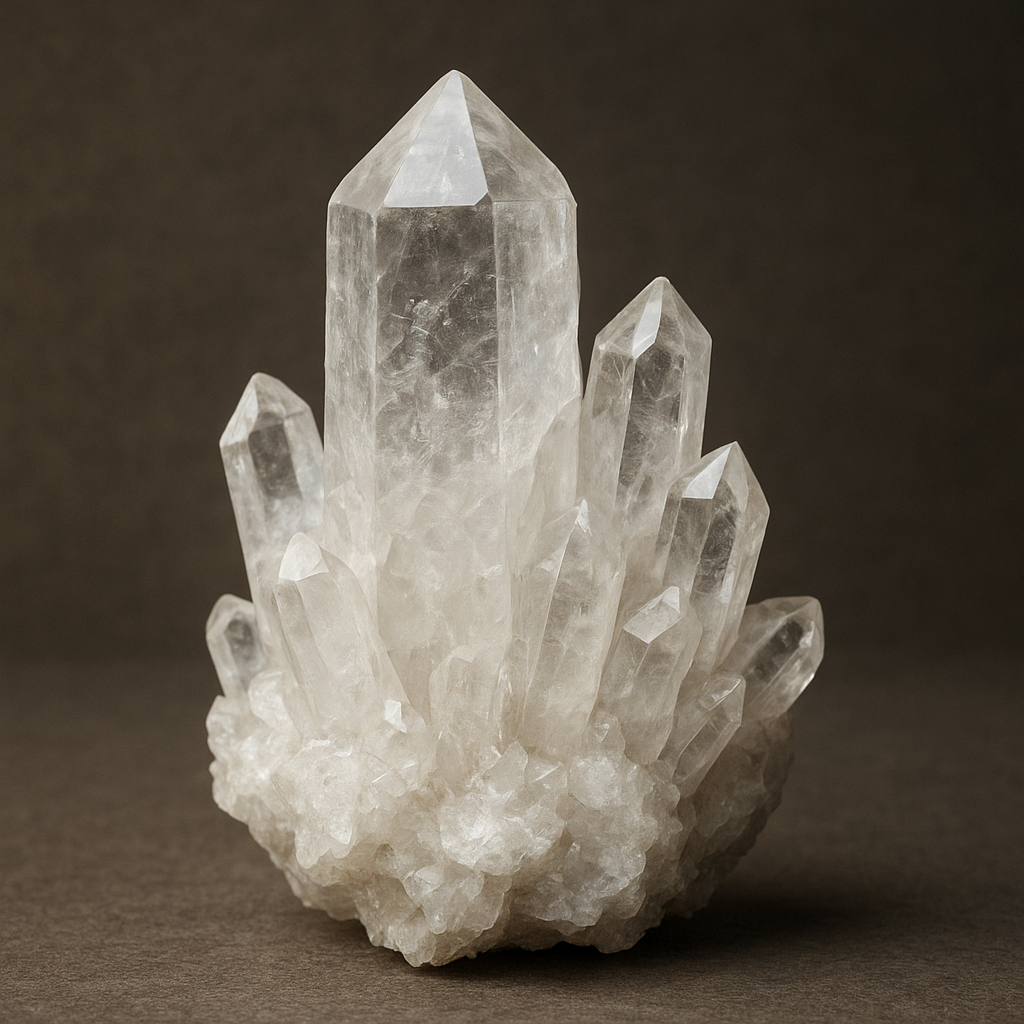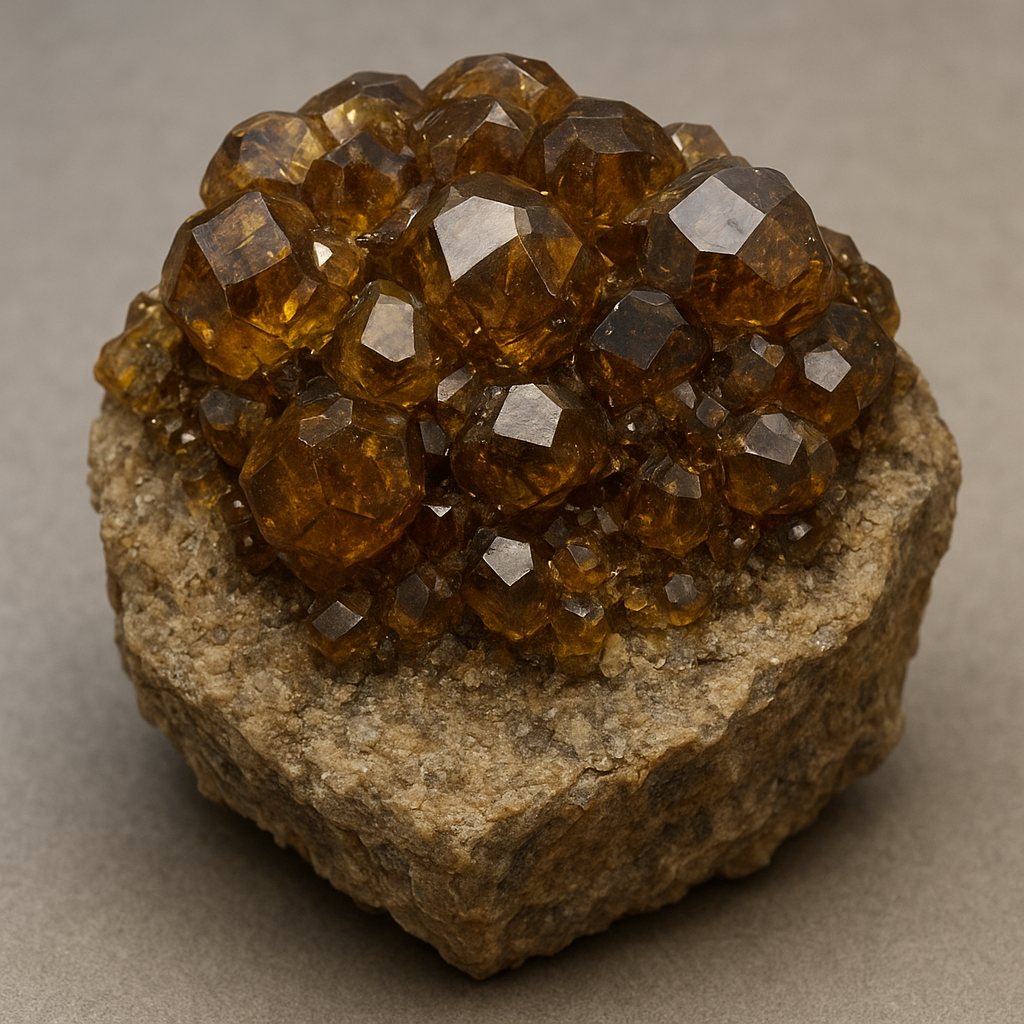
Topazolite is a trade name given to a distinctive yellow-green variety of the garnet group that often resembles topaz in color and transparency. While not a separate mineral species, it attracts attention from gem collectors, jewelers and mineralogists because of its lively hues, solid crystal structure and the geological environments in which it forms. This article explores what topazolite really is, where it forms and is found, how it is used in jewelry and industry, and several curious facts and practical tips every enthusiast should know.
What topazolite actually is
The term Topazolite is applied to a greenish-yellow variety of grossular, which itself is a member of the garnet group with the nominal chemical formula Ca3Al2(SiO4)3. Grossular exhibits a wide range of colors—from colorless and pale yellow to vivid green—depending on trace elements and local chemistry. The name topazolite comes from the visual similarity of some grossular crystals to topaz, especially regarding color and clarity, rather than any chemical relation to the mineral topaz.
From a mineralogical point of view, grossular and its topazolite variety are cubic and thus isotropic: they lack optical double refraction and do not show pleochroism. Topazolite is valued primarily as a gem and collector material rather than for industrial uses, and it is frequently marketed under its trade name to highlight its attractive, warm greenish-yellow tones.
Geological occurrence and formation
Grossular, including topazolite, typically forms in skarn deposits—metasomatic zones created where igneous intrusions interact with carbonate rocks such as limestone or dolomite. Metasomatic fluids introduce or redistribute elements and create a suite of calcium-aluminum silicate minerals. In these environments, calcium-rich conditions favor the crystallization of grossular garnet.
Apart from skarns, grossular varieties form during regional or contact metamorphism of calcium-bearing rocks and in some hydrothermal veins. The precise color of topazolite—its yellowish to yellow-green hue—is commonly attributed to trace elements such as vanadium and iron, which alter the way the mineral absorbs and transmits light. Local geochemistry, temperature and pressure during formation all influence crystal size, clarity and color.
Topazolite occurrences are reported from multiple continents. Notable geological settings producing gem-quality grossular (and shades classified as topazolite by dealers) include skarn belts and contact-metamorphosed limestones in East Africa, parts of Asia, Madagascar and various North and South American localities. Because the trade name is applied to color rather than a separate species, production and recognition vary with market demand and local naming conventions.
Gemological properties
Key properties that define grossular/topazolite as a gemstone include:
- Hardness: approximately Mohs 6.5–7.5, making it durable enough for many types of jewelry yet softer than common jewelry gems like sapphire or topaz.
- Density: relative density (specific gravity) typically falls in the range of about 3.5–3.7 for grossular varieties.
- Optical behavior: because garnets are cubic, they are isotropic and exhibit no birefringence; they typically have a vitreous luster and can be transparent to translucent.
- Refractive index: grossular garnets generally show an RI in the neighborhood of 1.73–1.75, though exact values depend on composition. Measuring RI is a reliable way to distinguish grossular from many look-alikes.
Topazolite often appears in clean, transparent crystals that facet well, producing lively brilliance and attractive saturation of color. In faceted stones, careful cutting maximizes color and reduces windowing in paler specimens. Unlike some garnets, many topazolites are free from strong inclusions, but internal growth features, fractures and mineral inclusions can occur and are also valuable to collectors because they document formation history.
Where topazolite is found today
Because “topazolite” is a trade label, commercial sources vary over time and are influenced by mining activity and discovery. Common geological environments include skarn zones adjacent to igneous intrusions, contact-metamorphosed limestones, and occasionally in pockets within metamorphic terrains. Regions repeatedly mentioned in gemological reports and dealer catalogs as producers of grossular in greenish-yellow hues include East African countries known for their garnet varieties, several localities in Madagascar, and select Asian skarn deposits.
Smaller finds and occasional pockets producing gem material can arise in North America, Central and South America, and parts of Europe where calc-silicate rocks have been subjected to metamorphism or intrusive alteration. Because grossular is a common garnet species in skarns, mining for other skarn-hosted minerals (such as garnet, vesuvianite, and epidote) sometimes yields attractive topazolite crystals as a byproduct.
Uses: jewelry, collectors, and beyond
The principal use of topazolite is as a gemstone. When faceted, attractive topazolite stones may be set into rings, pendants, earrings, and brooches. Their appealing yellow-green shades complement both warm and cool metal settings—golds and silvers alike—and provide an alternative to more costly green gems such as tsavorite or emerald. Because of moderate hardness, topazolite jewelry is best worn with some care to avoid abrasion and contact with harder materials.
Collectors prize high-quality crystals for their combination of color, transparency and crystal habit. Larger, clean crystals or well-formed crystal aggregates from classic skarn localities can be notable additions to mineral collections. Museums and educational collections also display grossular crystals, including topazolite specimens, to illustrate skarn mineralization and metasomatic processes.
Industrial uses for garnet typically favor almandine and pyrope varieties as abrasives; grossular is less commonly used in bulk industrial applications due to its relative scarcity and desirability as a gemstone. Nevertheless, non-gemmy, low-grade grossular may still find its way into abrasive mixes or as crushed aggregate where appropriate.
Identification, treatments and care
Because the name topazolite can confuse consumers into thinking the stone is topaz, correct identification is important. Simple gemological tests—measuring refractive index, specific gravity, and examining internal features under magnification—can distinguish grossular from topaz and from glass imitations. A spectroscope can also reveal characteristic absorption features caused by trace elements.
Topazolite is typically not subjected to the same range of treatments seen in other gemstones; heating and irradiation are uncommon for grossular. Reported enhancements are rare, so most gem-quality topazolite on the market is natural and untreated. However, fracture-filling and stabilization could be applied to lower-quality material, so buyers should ask dealers for disclosure.
To care for topazolite jewelry, avoid ultrasonic cleaners for stones with fractures, and protect settings from sharp blows. Routine cleaning with mild soap, warm water and a soft brush is generally safe. Because grossular is isotropic and lacks cleavage, it resists splitting along planes, but surface chipping can still occur with hard impacts.
Market, naming, and ethical considerations
The gem market often uses trade names to highlight desirable traits; Topazolite is one such marketing term. While it helps sell a product by analogy to more familiar gems, consumers should be aware that the name refers to color and appearance rather than mineral identity. Transparent and well-colored specimens command higher prices; smaller or less vivid stones are offered at moderate prices, making topazolite an accessible option for those seeking unusual green-yellow gems.
Ethical sourcing matters in any modern gem market. Because topazolite is mined from skarn and metamorphic deposits, mining practices vary widely among localities. Buyers seeking responsibly sourced stones should ask for information about origin and mining practices, look for reputable dealers, and prefer sellers who can document supply chains or provide certification from trustworthy gem labs when available.
Interesting facts and cultural notes
Several aspects of topazolite and grossular garnets make them particularly interesting:
- Historical naming: The trade name underlines a long tradition in gem trade of using evocative names to attract buyers. While sometimes controversial, such names also reflect consumer tastes and marketing creativity.
- Geological stories: Topazolite specimens often tell a story of contact metamorphism—where magma meets carbonate rock—and the dramatic chemical exchanges that produce skarn mineralogy. Each crystal can be a record of pressure, temperature and fluid evolution.
- Collector appeal: Specimens with unusual zonation, crystal faces etched by later fluids, or attractive inclusions are prized, not despite their imperfections but because those features document natural history.
- Metaphysical claims: In crystal-healing circles, yellow-green garnets such as topazolite are sometimes associated with vitality, creativity and balance. These cultural uses are popular in certain communities, even though they are not scientifically substantiated.
Practical tips for buyers and collectors
If you are interested in acquiring topazolite, consider these guidelines:
- Ask for basic gemological data: weight, measurements, refractive index and, if possible, origin. Reliable sellers will provide clear photographs and magnified views showing clarity and any inclusions.
- Compare similar stones: color saturation and tone dramatically affect value. Decide whether you prefer bright yellow-green hues or more muted, olive tones.
- Consider setting and usage: because topazolite is moderately hard, choose protective settings (bezels or raised profiles with protective prongs) for rings intended for daily wear.
- Documentation: for expensive pieces, request a lab report that identifies the stone as grossular and lists any treatments. While such reports are not common for every sale, they can provide peace of mind for significant purchases.
The world of garnets is broader and richer than most casual gem shoppers realize. Topazolite occupies a niche that combines approachable price points with attractive colors and interesting geological origins. Whether collected for its mineral story, faceted for jewelry, or admired as a bridge between yellow topaz and green gems, topazolite continues to draw attention from gemologists, jewelers and collectors alike.