Spodumene is a remarkable mineral that sits at the intersection of modern industry and classic gemology. In this article I explore its geological origins, global distribution, commercial uses, gemstone varieties, environmental and social implications of its extraction, and the scientific and market trends shaping its future. Expect a mix of technical detail and accessible context that highlights why this mineral has become so important in the 21st century.
Geology and Natural Occurrence
Spodumene is a pyroxene-group inosilicate with the chemical formula LiAlSi2O6. Its significance largely stems from being one of the primary sources of lithium, a metal now critical to energy storage technologies. Spodumene commonly forms in granitic pegmatites, where late-stage hydrothermal fluids concentrate incompatible elements; these environments encourage the crystallization of large crystals and rare-element minerals. Early descriptions emphasize its close association with quartz, feldspar and other rare minerals such as tourmaline and beryl, reflecting the chemically evolved nature of the host rock.
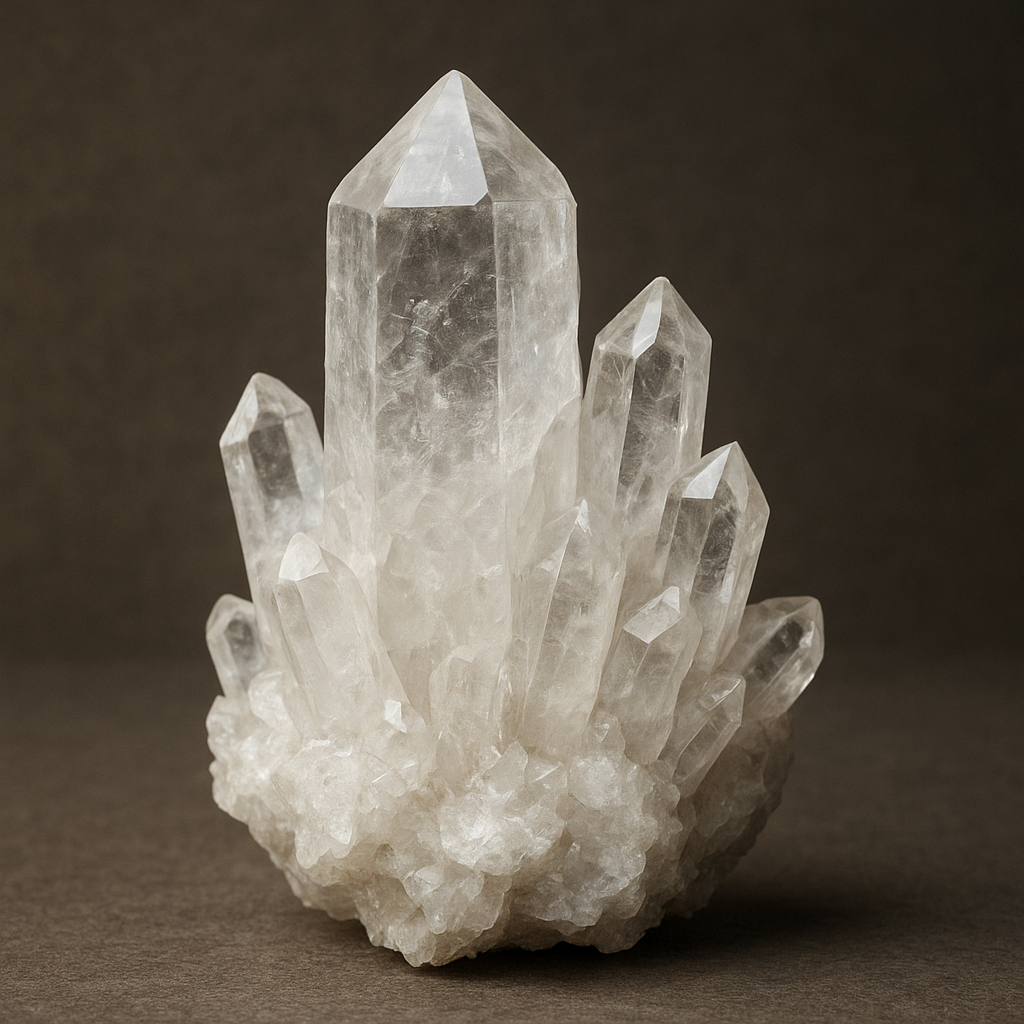
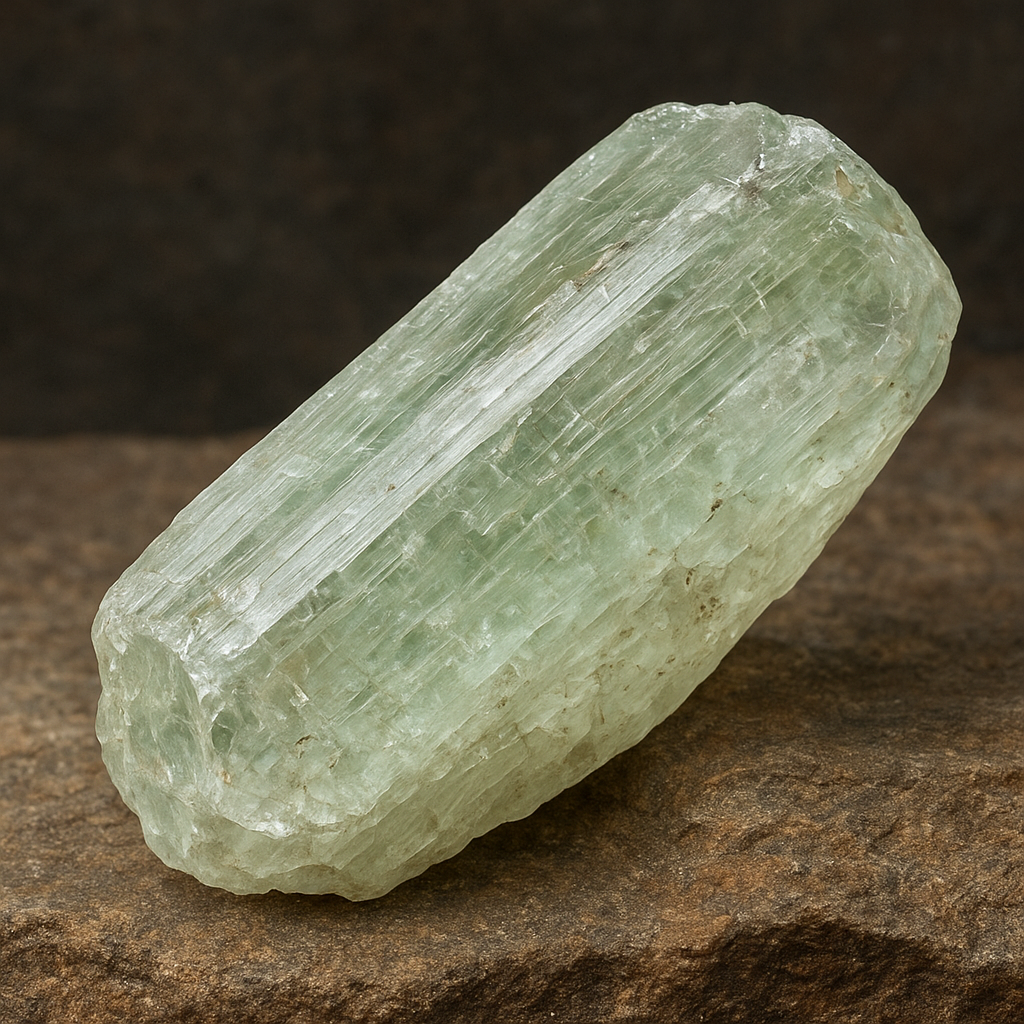
The typical crystal habit of spodumene is prismatic, often producing well-formed, elongated crystals that can reach impressive sizes. While colorless to pale gray specimens occur, the mineral is famous for colored varieties that result from trace-element substitutions and irradiation: the pink to lilac kunzite and the green hiddenite are noteworthy examples. Structurally, spodumene displays a monoclinic system and several polytypes; changes in temperature and pressure during formation can influence crystal structure and habit.
Where Spodumene Is Found
Spodumene occurs in pegmatite fields across the world, but a few regions stand out for the scale or quality of deposits. The most important localities include parts of Australia, Brazil, and China, as well as deposits in Canada and the United States. Historical gem-quality occurrences are famous in Afghanistan and Pakistan, where clear kunzite crystals have been recovered.
- Minas Gerais, Brazil — A classical source of gem-quality spodumene. The state yields both kunzite and hiddenite, as well as larger industrial-grade crystals that have been mined for lithium.
- Greenbushes and nearby pegmatites, Australia — Western Australia hosts significant spodumene deposits that form part of the global supply chain for lithium compounds used in batteries.
- Sichuan and Xinjiang provinces, China — China has multiple spodumene-bearing pegmatites and has been both a source and a major processor of lithium minerals.
- North Carolina and Maine, United States — Historically significant in gem production and small-scale mining; also notable for older industrial operations.
- Canada (Ontario, Quebec) and parts of Africa (Zimbabwe, Namibia) — Emerging or recurring sources for spodumene-bearing pegmatites.
Mining, Processing, and Lithium Extraction
The path from raw ore to usable lithium compounds requires several stages. Mining methods for spodumene-bearing pegmatites range from open-pit to underground techniques, depending on deposit depth and geometry. Since spodumene can form large, tough crystals, mining often involves blasting and mechanical cutting to extract coherent blocks of pegmatite.
Once ore is brought to surface, it is processed by crushing, grinding and gravity or dense media separation to upgrade spodumene concentrations. The mineral is often separated from lighter gangue minerals like quartz and feldspar. Industrial-grade spodumene concentrate (typically 5–8% Li2O in ore upgraded to >6% Li2O in concentrate, depending on process) is then chemically processed to produce intermediate chemicals such as spodumene concentrate, which is converted to lithium hydroxide or lithium carbonate through roasting and acid leaching steps.
Two primary chemical routes exist for producing battery-grade lithium compounds: conversion of spodumene concentrates (hard-rock route) via high-temperature conversion to beta-spodumene followed by sulfuric acid roasting and water leaching; and extraction from brines where lithium-rich saline waters are concentrated and precipitated. Hard-rock spodumene production has grown rapidly in recent years because it is a reliable source of lithium independent of brine locations, and it allows production of lithium hydroxide, preferred by some battery manufacturers.
Industrial and Technological Uses
The rise of rechargeable lithium-ion batteries has made spodumene a strategic mineral. Lithium extracted from spodumene is used to make battery cathode materials (such as lithium cobalt oxide, lithium iron phosphate and nickel-rich layered oxides), electrolyte salts, and other compounds essential to portable electronics, electric vehicles (EVs) and grid storage. The demand for lithium hydroxide has particularly increased with EVs because of the improved high-temperature performance it enables in high-nickel cathodes.
Beyond energy storage, spodumene-derived lithium compounds have niche but important applications: ceramics and glass (where lithium reduces thermal expansion and increases shock resistance), lubricating greases, pharmaceuticals, and certain air-conditioning refrigerants. The ability of lithium to alter physical and chemical properties makes it a component in diverse industrial formulations.
Gem Varieties, Cutting, and Market for Gemstones
Spodumene’s distinct gem varieties — notably kunzite (pink to violet) and hiddenite (green) — have been prized by collectors and jewelry markets. When transparent and free of fractures, these varieties can show excellent brilliance and cleavage-split planes that yield dramatic crystal forms. Kunzite often displays strong pleochroism: color may appear more intense along certain crystallographic axes. Heat treatment and irradiation are sometimes used to enhance or stabilize color, but gem buyers should be informed about treatments and disclosures.
Cutting spodumene presents challenges: the mineral has perfect cleavage in two directions, and the prismatic habit can produce long, flattened crystals that encourage elongated cuts. Ideal faceting requires experienced lapidaries to avoid cleavage damage and to maximize color display. Because of its relative softness (Mohs hardness ~6.5–7) and perfect cleavage, some jewelers set kunzite in protective settings or reserve it for pendants and earrings rather than rings that receive everyday wear.
Historically, gem-quality spodumene sales spiked when large, clear kunzite crystals appeared on the market; however, gem demand remains smaller than industrial demand for lithium. Still, collectors prize high-clarity, well-colored specimens and museum-quality crystals can command high prices at auction.
Environmental and Social Considerations
Spodumene mining and processing carry environmental footprints similar to other hard-rock mining operations. Land disturbance from open pits, waste rock generation, and water use during ore processing are key concerns. The roasting and acid-leach stages used to convert spodumene to lithium chemicals also require careful management of reagents and effluents to avoid contamination. Modern operations increasingly implement water recycling, tailings management systems, and progressive rehabilitation plans to reduce long-term impacts.
Socially, communities near spodumene projects may gain employment and infrastructure investment, but they can also experience disruption, changes in land use, and pressure on local services. Stakeholder engagement, benefit-sharing agreements, and transparent environmental impact assessments are essential to ensure equitable outcomes. Additionally, the traceability of lithium from mine to battery is becoming an important ethical concern in the supply chain, prompting some manufacturers to seek certified or audited sources.
Market Dynamics and Economics
Lithium markets have shown pronounced cycles. Prices spike when demand for batteries accelerates or when supply tightens, and they fall when new mines or processing capacity come online. The economics of spodumene projects depend on ore grade, mineralogy, proximity to processing facilities, and capital costs for conversion plants, which include roasting and hydrometallurgical units. Some companies choose to export spodumene concentrates to third-party processors; others invest in integrated operations that convert spodumene into lithium hydroxide near the mine site to capture more value.
Geopolitical factors and trade policies also influence pricing and investment decisions. Countries with established refining capacity can command strategic advantages. Investors and policymakers evaluate spodumene projects not only for returns but also for resilience of supply in clean energy transitions. Recycling of lithium-ion batteries will gradually complement primary spodumene supply, but primary mining is expected to remain essential for years to come.
Notable Localities and Famous Specimens
Certain localities are historically or scientifically important for producing exceptional spodumene crystals:
- Nuristan and Afghanistan — Known for producing gem-quality kunzite crystals in the early 20th century; many museum specimens trace to these regions.
- Pala and Mesa Grande, California — Classic gem localities that produced large, highly transparent kunzite and were central to gem trade in the mid-1900s.
- Afghanistan and Pakistan pegmatite belts — Important sources for collector specimens that display fine color and crystal form.
- Minas Gerais, Brazil — Continues to supply both gems and industrial material; many show-quality hiddenite crystals hailed from this state.
Identification, Care, and Handling of Gem Spodumene
Gemologists identify spodumene through a combination of optical properties: refractive indices, birefringence, pleochroism and crystal habit. Specific gravity and hardness help distinguish it from look-alike gems. Laboratory methods such as Raman spectroscopy and X-ray diffraction give definitive identification.
Care instructions for kunzite and hiddenite emphasize protection from mechanical shock and strong light. Prolonged exposure to intense light can fade some colors (especially pinks), though many modern heat-treated or irradiated stones are more stable. Cleaning should be gentle: warm, soapy water and a soft brush are appropriate; ultrasonic cleaners and steamers are generally discouraged due to potential cleavage failure or color alteration.
Scientific Aspects: Crystal Chemistry and Research
Research into spodumene extends beyond mineralogy to materials science. Scientists study crystal defects, phase transitions (e.g., transformation to β-spodumene upon heating), and the behavior of lithium within the crystal lattice. Understanding diffusion rates, impurity incorporation and thermal stability aids both gem treatment protocols and industrial processing optimization.
On the materials front, lithium from spodumene contributes to research on novel battery chemistries, solid-state electrolytes, and improved cathode materials. Improvements in hydrometallurgical processing and advances in direct ore-to-chemical conversion technologies are active research areas aimed at reducing carbon intensity and reagent use.
Alternatives, Recycling and Future Outlook
While spodumene remains a primary feedstock for lithium chemicals, alternative sources and strategies are relevant. Brine extraction (from salt lakes) continues to supply a large portion of world lithium, and technologies seeking to recover lithium from geothermal waters, oilfield brines and even seawater are under development. Recycling of end-of-life lithium-ion batteries will increasingly supply secondary lithium, but collection systems and economically viable extraction methods must scale up.
Future demand trajectories for spodumene are tied to EV adoption rates, grid-storage deployment, and policy choices favoring electrification. Advances in battery chemistries that reduce lithium intensity per kWh could moderate demand growth, while parallel increases in production capacity and new projects worldwide suggest a dynamic market for the next decades.
Interesting and Lesser-Known Facts
- The name spodumene comes from the Greek spodumenos, meaning “burnt to ashes” — a historical reference to the mineral’s ash-gray appearance in some forms.
- Gem-quality spodumene varieties were first described in the 19th century; kunzite is named after gemologist George Frederick Kunz.
- Some spodumene crystals exhibit extraordinary sizes; museum specimens can weigh hundreds of kilograms, providing spectacular displays of crystal habit and twinning.
- Because spodumene hosts lithium in its structure, it played an indirect role in early psychiatric medicine (lithium salts) and now a direct role in energy transition technologies.
Practical Advice for Collectors and Industry Professionals
For mineral collectors, provenance matters: well-documented specimens from classic localities command higher value. When purchasing gem spodumene, verify treatments and lab reports for significant purchases. For industry professionals, tracking developments in processing technology, environmental regulation, and downstream refining capacity will be essential for navigating investment and operational decisions.
Finally, whether you are interested in the gem qualities of kunzite or the strategic implications of spodumene-derived lithium, the mineral represents a compelling convergence of natural beauty and industrial utility. Its role in energy storage, ongoing scientific research, and the evolving demands of the global market ensure that spodumene will remain a mineral worth watching.