
The global trade in raw materials and finished goods is shaped as much by processing capacity as by the availability of ore. When smelting operations fall short, ripples propagate through supply chains and price structures. This article explores how persistent and episodic smelting shortages influence the broader metals market, the economic forces behind capacity constraints, and the strategic responses firms and governments adopt to manage risk.
Why smelting capacity matters
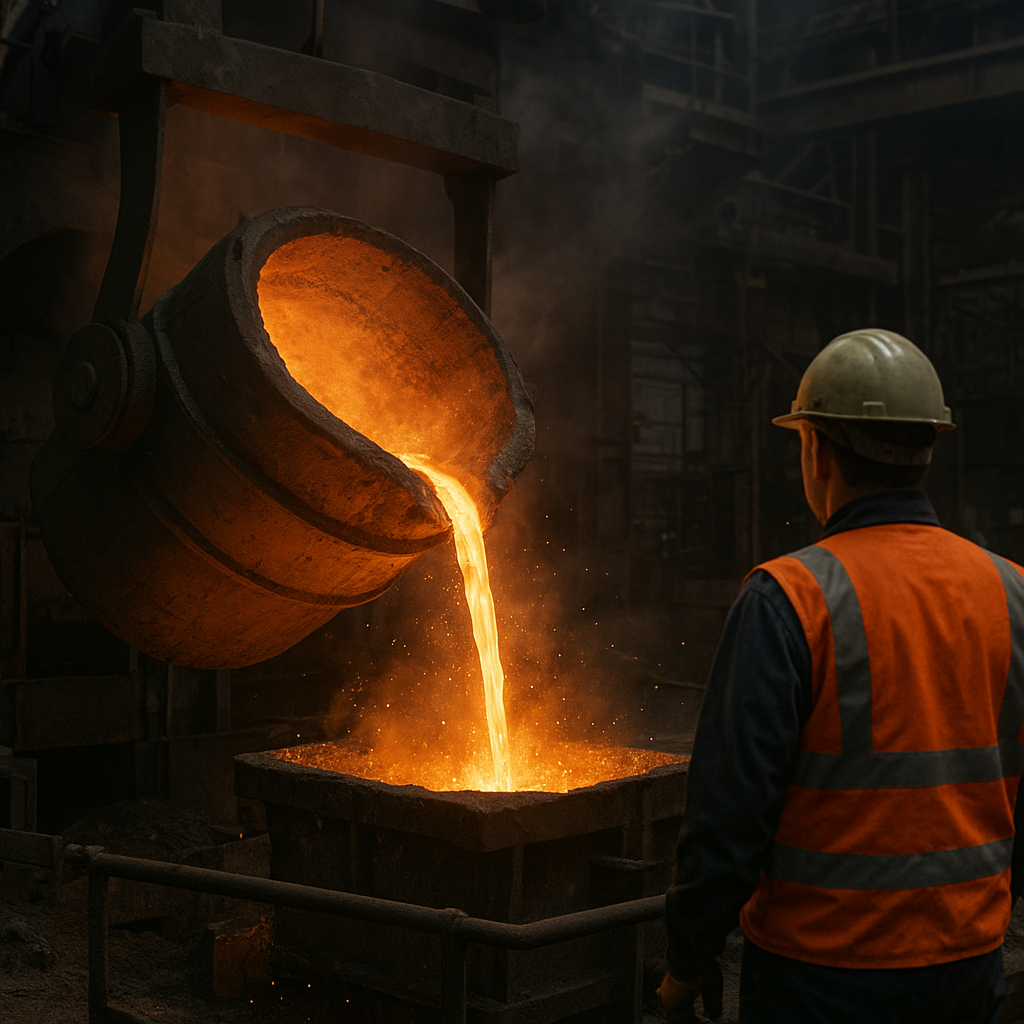
Smelting is the critical industrial process that transforms mined ore into metallic commodities suitable for manufacturing and trade. Without sufficient smelting capacity, even abundant mineral deposits cannot be converted into usable forms, creating effective scarcities. The role of smelters and refineries extends beyond simple conversion: they set quality standards, control emissions, and often determine the timing and location of metal flows. A bottleneck at this stage can therefore distort both physical distribution and market signals.
Technical and economic characteristics
- High capital intensity: Building new smelting plants requires significant long-term investment, often measured in hundreds of millions to billions of dollars.
- Long lead times: Planning, permitting, and commissioning can take several years, making supply responses sluggish.
- Energy dependency: Many smelting processes are energy-intensive, so energy costs and availability directly affect operational decisions.
- Environmental regulation: Stricter emissions rules can force retrofits or closures, temporarily reducing capacity.
How shortages form
Smelting shortages can emerge from a mix of structural and transitory causes. Structural shortages arise when global demand growth outpaces investment in processing infrastructure; transitory shortages occur due to operational disruptions, regulatory actions, or unexpected surges in demand.
Structural drivers
- Underinvestment after price crashes: Periods of depressed prices often suppress capital expenditure in the sector, leaving capacity tight when demand rebounds.
- Consolidation and closures: Industry consolidation or aging plants reaching end of life can reduce the number of operating facilities.
- Geographic concentration: If a particular region hosts a high share of smelting capacity, geopolitical risk or local policy shifts can create global bottlenecks.
Transitory triggers
- Natural disasters and accidents: Floods, earthquakes, or major incidents can incapacitate plants for extended periods.
- Supply chain interruptions: Shortages of key inputs—like fluxes, anodes, or specialized alloys—can force temporary cuts in production.
- Energy shocks: Sudden increases in electricity or fuel costs may lead operators to curtail output.
Market consequences of smelting capacity shortages
Smelting bottlenecks propagate quickly into market fundamentals. The immediate effect is often a distortion between mined output and refined metal deliveries, changing both near-term supply dynamics and price expectations.
Price volatility and spreads
When refined output falls relative to ore concentrates, the market sees widening differentials between mined concentrates and refined metals. This widens price spreads and increases volatility for both upstream miners and downstream manufacturers. Shortages tend to push spot prices higher faster than futures markets can adjust, causing backwardation in some contracts and incentivizing hoarding or speculative behaviors.
Downstream manufacturing impacts
Industries that rely on high-purity inputs—such as electronics, automotive, and aerospace—face supply interruptions when smelters cannot deliver certified metal. That leads to production delays, higher input costs, and sometimes product redesigns to accommodate alternative materials. In extreme cases, manufacturers may be forced to source lower-grade material or to pay premiums for guaranteed delivery.
Allocation and trade shifts
Shortages often trigger rationing policies from smelters or governments. Preferential allocation can favor local industry or long-term customers, redirecting trade flows and altering global trade balances. Countries without domestic refining may see national inventories depleted faster, increasing import dependency and trade deficits for certain metals.
Winners and losers: who gains and who loses
Not all market participants are affected equally. The distributional impacts depend on market power, contract structures, and the ability to pivot supply sources.
- Miners may benefit from higher concentrate prices if smelters are compelled to compete for feedstock, though if smelters curtail purchases miners can be left with inventory and cash-flow issues.
- Smelters with flexible, low-cost production can capture windfall margins; conversely, high-cost or heavily regulated plants may be squeezed.
- Manufacturers lacking vertical integration or strategic stockpiles are most exposed to input interruptions and price spikes.
Policy and industry responses
To manage the risks of smelting shortages, stakeholders deploy a mix of short-term measures and long-run strategies. Policy-makers often balance industrial policy goals against environmental commitments, while firms consider operational hedges and investments.
Short-term measures
- Strategic inventories: Firms and governments may increase buffer stocks of refined metals to smooth supply shocks.
- Contractual adjustments: Longer-term offtake agreements and price escalation clauses can stabilize relationships and reduce opportunistic behavior.
- Import liberalization: Temporary tariff reductions or regulatory flexibilities can ease access to foreign refined metal.
Long-term strategies
- Investment in new capacity: Building modern, efficient smelters—often near power hubs or ports—to expand global refining capability.
- Decentralization and diversification: Encouraging a geographically diverse network of smelters reduces concentration risk.
- Technological shifts: Adoption of lower-emissions processes (e.g., electrification, hydrogen-based reduction) to reconcile environmental targets with reliable processing.
- Promotion of recycling: Enhancing recycling infrastructures for end-of-life products to capture secondary metal streams and reduce dependence on primary smelting.
Strategic adaptation by firms
Firms facing smelting constraints deploy operational and financial tactics to remain competitive. Vertically integrated companies often fare better because they control more of the processing chain. Non-integrated firms may turn to logistical optimization, alternative sourcing, or redesigning products to use less constrained materials.
Hedging and financial instruments
Producers and consumers use futures, options, and metal-linked contracts to hedge price risk. Insurance products and supply guarantees can mitigate losses from unexpected plant outages. In some markets, metal leasing or tolling arrangements allow miners to monetize concentrates without relying solely on existing smelting capacity.
Operational flexibility
- Blending and substitution: Adjusting concentrate blends or substituting alloys can help keep production running when specific feedstocks are scarce.
- Modular and mobile technologies: Smaller, modular refining units offer faster deployment to relieve localized shortages.
- Energy optimization: Managing energy inputs and shifting production to lower-cost periods reduce operating disruptions caused by energy price spikes.
Case studies and historical precedents
Past episodes illustrate how smelting shortages reshape markets. For example, disruptions in regional aluminum smelting—driven by electricity rationing or emissions constraints—have led to global price spikes and shifts in production geography. Copper bottlenecks linked to aging refineries and concentrate surges have caused significant backwardation in physical markets, altering contract behavior and accelerating investment in cathode expansion. In each instance, policy reactions and private investment determined the duration and severity of the market dislocation.
Lessons from recent events
- Speed of response matters: Markets that can rapidly pivot supplies or tap idle capacity see shorter, less severe shocks.
- Coordination reduces welfare loss: Public-private partnerships to finance capacity expansions or temporary imports can ease acute shortages.
- Environmental policy timing is key: Sudden regulatory changes without transition frameworks can exacerbate short-term shortages.
Outlook: balancing sustainability and security
Meeting future demand for metals while respecting decarbonization goals presents a policy and investment challenge. Increasing smelting capacity must be aligned with cleaner technologies and resilient energy supplies. Strengthening the circular economy through advanced recycling and product design reduces pressure on primary smelting, while smart incentives can accelerate low-emission refineries. Market architecture, including transparent spot markets and well-designed hedging instruments, will play a crucial role in absorbing shocks and guiding efficient investment.
Key strategic themes include coordinating infrastructure timelines with energy transition plans, fostering diversified supply chains, and embedding flexibility into industrial policy to prevent acute mismatches between mined output and refined metal availability. Managing smelting shortages is not just a technical or logistical problem—it is a systemic challenge bridging trade, energy, environmental policy, and corporate strategy.
