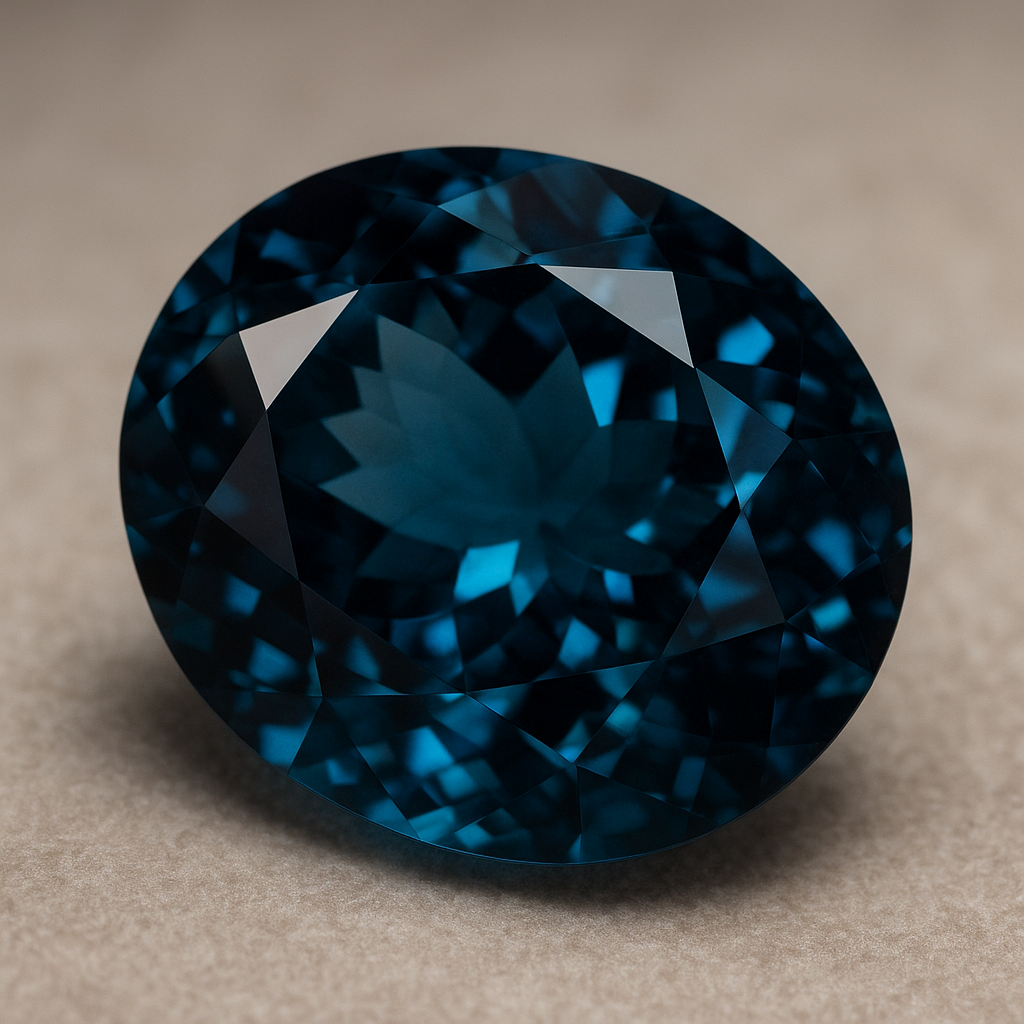
London Blue Topaz is a captivating variety of treated topaz prized for its deep, inky blue tones that sit between the paler Swiss blue and the intense, near-black shades. This gemstone combines natural beauty with modern gem-treatment techniques to produce a color that suits dramatic jewelry designs and everyday pieces alike. In the following sections you will find an exploration of where it forms and is sourced, how it is produced and treated, practical uses in jewelry and design, plus guidance on identification, care, and some cultural context that makes London Blue Topaz fascinating to gem lovers and designers.
Where London Blue Topaz Comes From: Geology and Localities
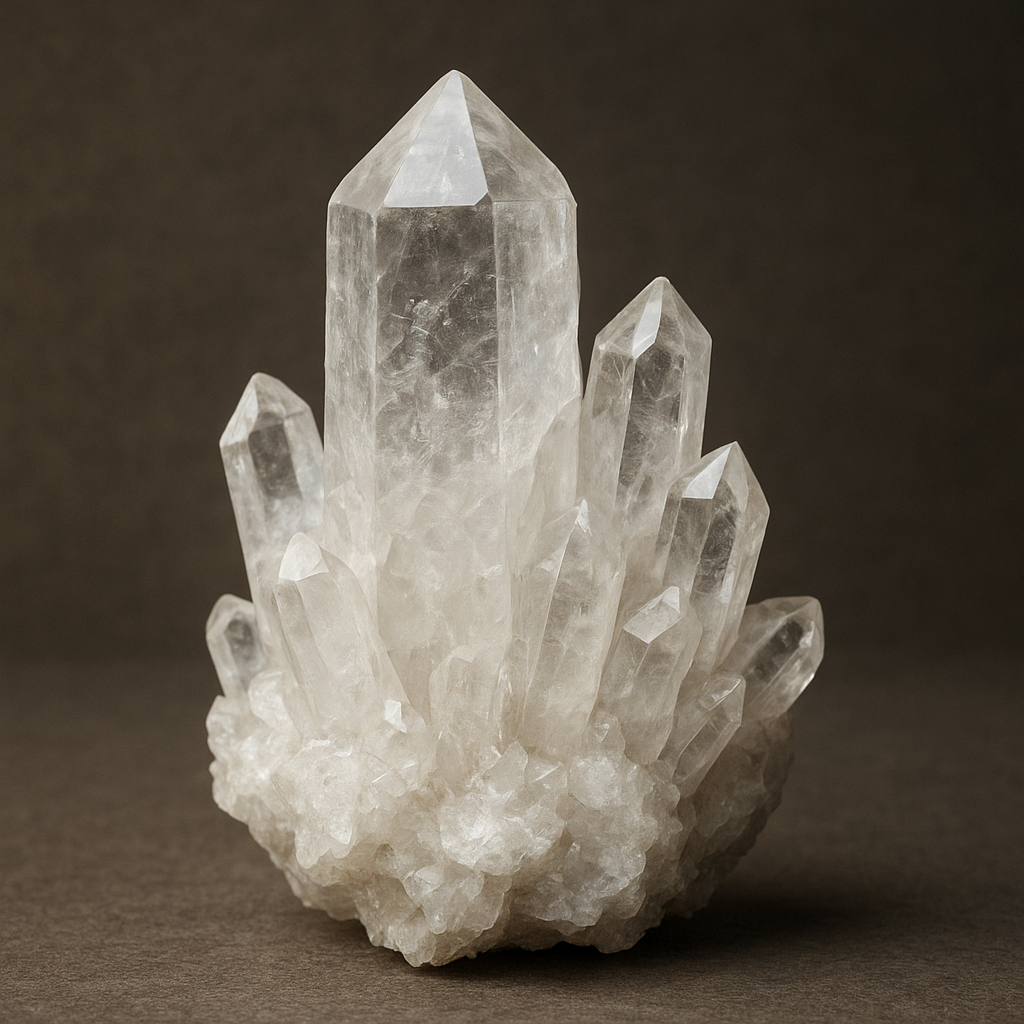
Topaz is an aluminum silicate mineral that crystallizes in cavities of igneous rocks such as rhyolites and granites, as well as in pegmatites and alluvial deposits derived from the erosion of those primary sources. Natural blue topaz is rare; most blue topaz on the market is the result of color enhancement techniques applied to colorless or pale stones. The starting material is often mined as colorless or lightly colored topaz.
Major producing countries
- Brazil — The state of Minas Gerais is historically the largest source of gem-quality topaz. Many of the colorless crystals that become London Blue originate here.
- Nigeria — In recent decades Nigeria has supplied significant quantities of topaz, including material suitable for color treatment.
- Sri Lanka — Known for a variety of gems, Sri Lanka provides some good topaz rough and also finished stones for international markets.
- Pakistan and Afghanistan — Rugged mountain pegmatites in these regions produce topaz crystals that enter the global cutting centers.
- United States — Historically, places like Utah and Texas have yielded topaz notable for collector specimens, though not usually the bulk supply for treated blue topaz.
The geological environment for gem-quality topaz requires high-silica, fluorine-rich fluids; the crystals often form late in the cooling of igneous bodies. Weathering of these rocks releases durable topaz crystals into streams and river gravels, creating alluvial deposits that are easier to mine.
How London Blue Topaz Is Made: Mining, Treatment, and Varieties
Most London Blue Topaz owes its color to human-directed processes rather than natural formation. The typical path from rough to gem includes mining, sorting, heating, irradiation, and controlled annealing. Understanding these steps is important for gemologists, traders, and consumers who want transparency about what they are buying.
From rough to gem
- Mining and sorting: Miners extract topaz crystals and separate colorless or pale stones suitable for enhancement from naturally colored material.
- Cutting and pre-treatment: Lapidaries evaluate rough for cleavage, inclusions, and size. Topaz is often cut to maximize brilliance because of its relatively high refractive index.
- Irradiation: The most common route to the London Blue color involves irradiating colorless topaz using gamma rays, electron beams, or neutron radiation. This changes the stone’s crystal structure at a subatomic level to produce stable blue tones.
- Heat treatment (annealing): After irradiation, controlled heating adjusts the final hue, stabilizes the color, and removes unwanted tones. Different combinations of irradiation and heat create categories such as Swiss Blue, London Blue, and other blue shades.
Treatment specifics and stability
London Blue Topaz typically exhibits a darker, more saturated blue compared to Swiss Blue. Its color is generally considered stable under normal wear conditions, but prolonged exposure to very high heat or harsh chemicals can cause some fading. The treatments used are widely accepted in the trade, but sellers should disclose irradiation and heating when selling gemstones.
Natural versus treated blue topaz
Truly natural blue topaz is exceedingly rare and tends to be pale. Most of the blue stones seen in retail are treated. The difference is primarily of provenance rather than visual appearance: a treated London Blue and a naturally blue topaz may be indistinguishable to the eye, but laboratory analysis can identify irradiation signatures and trace-element fingerprints.
Uses and Applications: Jewelry, Design, and Beyond
London Blue Topaz is enormously popular in jewelry because it offers intense color at an accessible price point, and its physical properties suit a range of settings and styles. Its hardness, typically around 8 on the Mohs scale, makes it durable enough for rings, bracelets, necklaces, and earrings, although careful handling is still recommended due to topaz’s perfect cleavage.
Jewelry styles and design trends
- Statement rings: Deep blue London Blue paired with pavé diamonds creates dramatic cocktail rings.
- Everyday pieces: Cabochons or faceted stones in bezel settings protect edges and cleavage planes for daily wear.
- Mixed-metal designs: The cool blue contrasts beautifully with both white gold and yellow gold, as well as with platinum and sterling silver.
- High-fashion and runway: Designers use large London Blue stones for theatrical pieces because the color photographs well and reads as luxurious at a distance.
Beyond jewelry
While glass and synthetic imitations dominate industrial uses of blue materials, London Blue Topaz finds additional applications in high-end watchmaking and artisan decorative objects. Small faceted stones are sometimes used in watch dials or crown accents where durability and sparkle are desirable.
Identification, Grading and Valuation
Assessing London Blue Topaz requires attention to cut, clarity, carat weight, and color. Although treated stones are common, quality differences among treated stones influence price and desirability.
Key grading factors
- Color: The most important attribute for London Blue. Ideal stones show a deep, saturated blue with minimal greenish or brownish undertones.
- Clarity: Topaz is often eye-clean. Visible inclusions reduce value more than slight color variations.
- Cut: Precise faceting maximizes brilliance. Step cuts and mixed cuts are popular; large facets display color and depth effectively.
- Carat weight: London Blue is commonly available in larger sizes than many other colored gemstones, making size important for value but also affordable compared to similar-sized sapphires.
Common imitations and synthetics
Blue glass, spinel, topaz-like synthetics, and dyed quartz can imitate London Blue. Reputable dealers use gemological tests—refractive index, specific gravity, and spectroscopic analysis—to distinguish genuine topaz from imitations. Since the color is typically produced by irradiation, specialized laboratories can verify treatment history.
Pricing considerations
Because London Blue is a treated variety, its market price is generally lower than comparable colors in naturally colored gems like sapphire. However, well-cut, large, and eye-clean London Blue stones set in designer pieces can command substantial retail prices. Brand, setting, craftsmanship, and provenance all affect the final price.
Care, Handling and Practical Tips
Topaz is relatively hard, but it requires care to avoid chipping along its cleavage planes. Follow these practical steps to keep London Blue Topaz looking its best.
- Store jewelry in soft pouches or separate compartments to avoid scratches from harder gems or metals.
- Clean with warm, soapy water and a soft brush; avoid ultrasonic cleaners and steamers if the piece might contain treatments or fractures.
- Remove jewelry before vigorous activities, sports, or housework to prevent knocks and exposure to chemicals that could affect settings and certain finishes.
- Have rings and frequently worn items periodically checked by a jeweler for loose settings or chips near cleavage zones.
Cultural Value, Symbolism and Collector Interest
London Blue Topaz carries contemporary appeal and a modern provenance that resonates with consumers who value technological enhancement combined with natural material. Its deep blue tones often evoke associations with the sea and the night sky, and jewelers sometimes market it as a gemstone of communication and calm.
Metaphysical associations
Within metaphysical and crystal-healing circles, blue topaz is commonly associated with clear communication, emotional balance, and enhanced expression. While such claims are not scientifically supported, they contribute to the gem’s popularity among those who value symbolic meaning in their stones.
Collector considerations
Collectors tend to prioritize untreated stones, historic provenance, cut quality, and unusual specimens. For London Blue Topaz, exceptional collector interest centers on unusually large, eye-clean stones with superb cut and an attractive, even color distribution. Museum pieces and historic jewelry featuring blue topaz may also attract collectors due to design, maker, or provenance.
Design Inspirations and Pairing Ideas
Designers exploit the versatile hue of London Blue Topaz in many creative ways. Some pairing and styling ideas that work particularly well:
- Combine London Blue Topaz with white diamonds to amplify contrast and sparkle.
- Mix with warm gemstones such as citrine or garnet for dynamic color contrasts in bohemian designs.
- In minimalist modern settings, use single large stones set in clean bezels to highlight the depth of color.
- Use cluster settings to offset topaz with smaller accent stones, creating visual complexity without overpowering the central blue.
Ethics, Sustainability and the Future
As the jewelry industry shifts toward greater transparency, consumers increasingly ask about the environmental and social impact of gemstones. London Blue Topaz presents both challenges and advantages in this respect. Because most of the final color is produced through laboratory treatments, the supply chain for the rough is often less contentious than for some other colored gems, but mining conditions can vary widely by country and producer.
Best practices for responsible sourcing
- Buy from dealers who can document the source of their rough and demonstrate ethical mining practices.
- Prefer jewelers who disclose treatment histories and offer certifications from recognized gemological laboratories.
- Consider recycled or vintage London Blue Topaz pieces to reduce demand for new mining.
Trends to watch
Innovations in irradiation and heat-control technologies may refine hues further or allow for more sustainable, controlled color treatments. At the same time, demand for responsibly sourced and transparently traded gems will likely influence which mines supply the market and how stones are marketed to future consumers.
Practical Buying Guide
When shopping for London Blue Topaz, keep these practical tips in mind to get the best combination of beauty and value:
- Ask for disclosure of any treatments, and request laboratory reports for high-value pieces.
- Evaluate the balance of color saturation and clarity; avoid stones with visible inclusions that interrupt the deep blue.
- Compare settings and metal quality—an inexpensive stone set in a high-quality mount can significantly increase overall satisfaction and longevity.
- Consider the intended use: pick a protective setting (such as bezel or halo) for daily-wear rings to reduce the risk posed by cleavage planes.
Final Notes on Appreciation and Care
London Blue Topaz occupies a unique place in modern gemology by offering intense color through human ingenuity while retaining the natural crystal structure and durability that make topaz a practical choice for many styles. Whether chosen for a bold statement ring or delicate earrings, a well-selected London Blue Topaz combines aesthetic appeal with affordability and versatility. Collectors and casual buyers alike find value in its deep blue tones and the creative possibilities it presents to designers and wearers.