
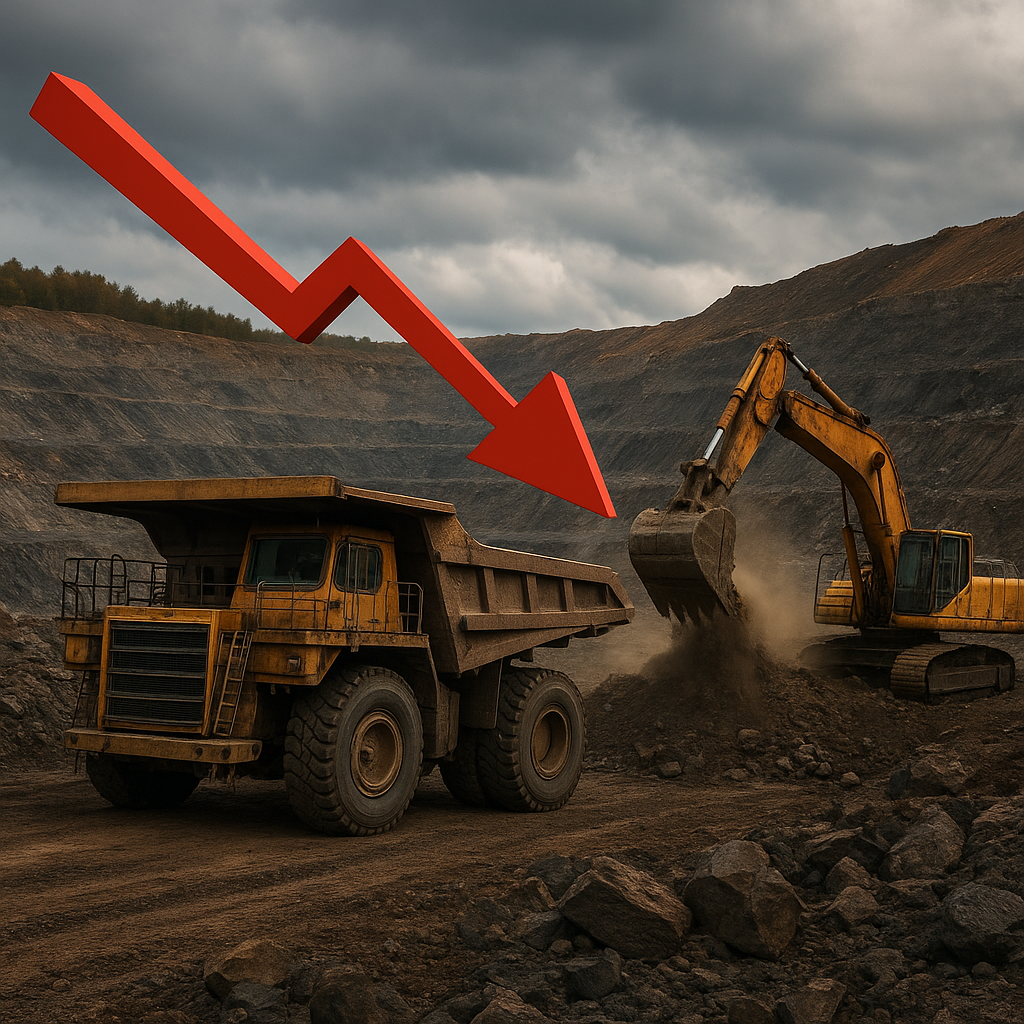
The mining sector is entering a period of intensified scrutiny as governments and communities press for tighter rules governing the extraction of minerals. This shift has profound implications for the availability of rare metals that underpin modern technology—from electric vehicle batteries and wind turbines to semiconductors and defense systems. This article examines how stricter mining laws are reshaping the global supply landscape, the trade-offs between environmental protection and industrial needs, and the strategies policymakers and industry players are deploying to manage emerging risks.
Regulatory changes and policy drivers
Recent legislative trends reflect a growing consensus that existing frameworks failed to adequately manage the environmental and social costs of mineral development. New laws frequently expand permitting requirements, tighten environmental impact assessments, raise reclamation and bonding standards, and impose stricter limits on water use and emissions. Governments invoke multiple rationales: protecting fragile ecosystems, honoring indigenous rights, ensuring long-term sustainability, and safeguarding national security. At the same time, some jurisdictions are implementing export controls or strategic stockpiling measures for critical minerals to reduce dependency on foreign suppliers.
Policy shifts can be clustered into several types:
- Procedural reforms that extend review periods and increase public participation;
- Substantive constraints that ban extraction in certain habitats or watersheds;
- Financial requirements such as higher environmental bonds and restoration costs;
- Trade and investment rules aimed at securing domestic access to strategic materials.
These changes are not uniform: some countries prioritize rapid development to capture economic benefits, while others favor conservation. The net effect is a patchwork of rules that companies must navigate, often increasing the time and capital required to bring new mines into production.
Environmental and social implications
Strengthened regulation typically aims to reduce the negative impacts associated with mining. Water contamination, tailings dam failures, habitat loss, and forced displacement are high on the list of concerns prompting tighter oversight. By requiring more rigorous environmental assessments and monitoring, regulators hope to minimize risks to ecosystems and communities. For example, restrictions on mining in watersheds and wetlands are designed to protect freshwater resources vital for agriculture and human consumption.
However, stricter laws can also produce unintended consequences. If domestic restrictions sharply curtail legal production, demand for rare metals may be redirected to suppliers with weaker safeguards, potentially worsening global environmental outcomes. Moreover, higher compliance costs can squeeze small and medium producers, leading to consolidation in the industry and reduced opportunities for local employment. The balance between environmental protection and equitable development is therefore delicate: effective policy seeks to raise standards globally rather than simply shifting harm across borders.
Market dynamics and supply chain consequences
Tighter mining laws affect the market through reduced throughput, delayed project timelines, and higher capital and operating expenses. These factors combine to create tighter supply conditions for key commodities. For technology sectors reliant on predictable access to metals—such as lithium, cobalt, nickel, and rare earth elements—even modest supply disruptions can translate into significant volatility.
Key supply chain implications include:
- Longer lead times for new mines, increasing the risk of bottlenecks;
- Higher prices for constrained materials, which can cascade through the economy into higher costs for consumer electronics, renewables, and electric vehicles;
- Greater incentive to vertically integrate or secure long-term offtake agreements;
- Acceleration of sourcing diversification, including investments in alternative jurisdictions or recycling streams.
Investors often require higher returns to compensate for regulatory risk, which raises the discount rate used in project evaluations and can render marginal deposits uneconomical. This creates a feedback loop: fewer projects advance, tightening global supply and heightening price sensitivity to geopolitical events or demand surges.
Industry adaptation and technological responses
Facing more rigorous oversight, mining companies and downstream firms are innovating to reduce environmental footprints and improve social license to operate. Technological solutions range from improved tailings management and dry-stack storage to waterless processing technologies and lower-impact extraction methods. Digital tools—such as remote sensing, AI-driven exploration, and real-time environmental monitoring—help firms demonstrate compliance and optimize operations.
Simultaneously, the market is responding by placing a premium on recycling and circular strategies. Urban mining, which recovers valuable metals from end-of-life products, is becoming more economically attractive as primary extraction faces higher hurdles. Advances in metallurgical processes and collection systems increase recovery rates for materials like lithium and rare earth magnets, reducing upstream pressure on new mines.
Other adaptation strategies include:
- Supplier diversification and strategic partnerships with producing countries;
- Investment in exploration for lower-impact deposits, including brines and clays;
- Product design changes that reduce reliance on scarce metals or substitute more abundant alternatives;
- Transparent supply chain traceability to meet regulatory and consumer demands for ethical sourcing.
Geopolitics, trade policy, and strategic considerations
As nations tighten domestic rules, they also reassess the geopolitical implications of dependence on foreign sources of rare metals. Countries with significant processing capacity or control over key supply chains may use that leverage in trade negotiations. In response, resource-importing nations are crafting policies to secure access: building strategic reserves, offering diplomatic support for foreign mining projects that meet higher environmental standards, and incentivizing domestic processing facilities.
Trade remedies and export restrictions can further complicate the picture. For instance, imposing tariffs or bans on the export of unprocessed ores is intended to promote domestic value addition, but it can also provoke retaliatory measures and disrupt established supply relationships. Multilateral cooperation on standards and certification schemes could reduce these tensions by aligning environmental and social expectations across borders, thereby preventing environmental dumping and market fragmentation.
Regulatory predictability and investment signals
One of the most significant determinants of whether stricter mining laws lead to improved outcomes is regulatory predictability. Rules that are clear, transparent, and consistently applied allow industry to plan investments and innovate to meet higher standards. Conversely, sudden policy shifts, opaque permitting processes, or politically motivated reversals increase uncertainty and deter investment.
Effective frameworks often combine firm environmental baselines with incentives for best practice, such as tax credits for low-impact technologies, grants for rehabilitation, or expedited permitting for projects that demonstrate robust community benefits. Engaging stakeholders early and embedding adaptive management principles in permits helps reduce conflict and shortens timelines, contributing to a more stable investment environment.
Conclusion of analysis (do not treat as a summary)
Stricter mining laws reshape the trade-offs among environmental protection, economic development, and strategic security. While tighter rules can reduce local harms and advance environmental justice, they also risk constraining supply and driving up prices unless paired with policies that encourage innovation, recycling, and international cooperation. The outlook for critical metal availability will depend on how well governments and industry balance rigorous standards with mechanisms that sustain responsible production and investment—factors that will determine whether future supply chains are resilient, ethical, and fit for the technological demands of the coming decades.
