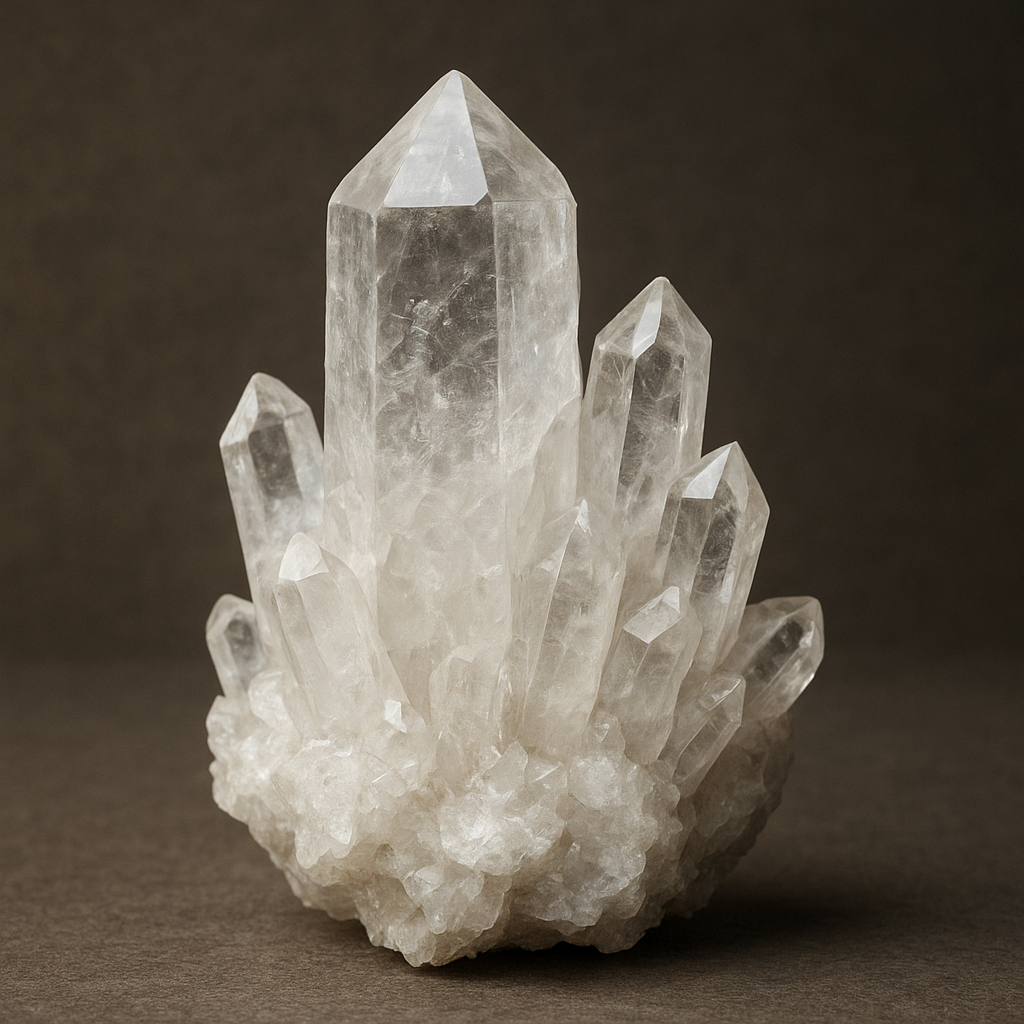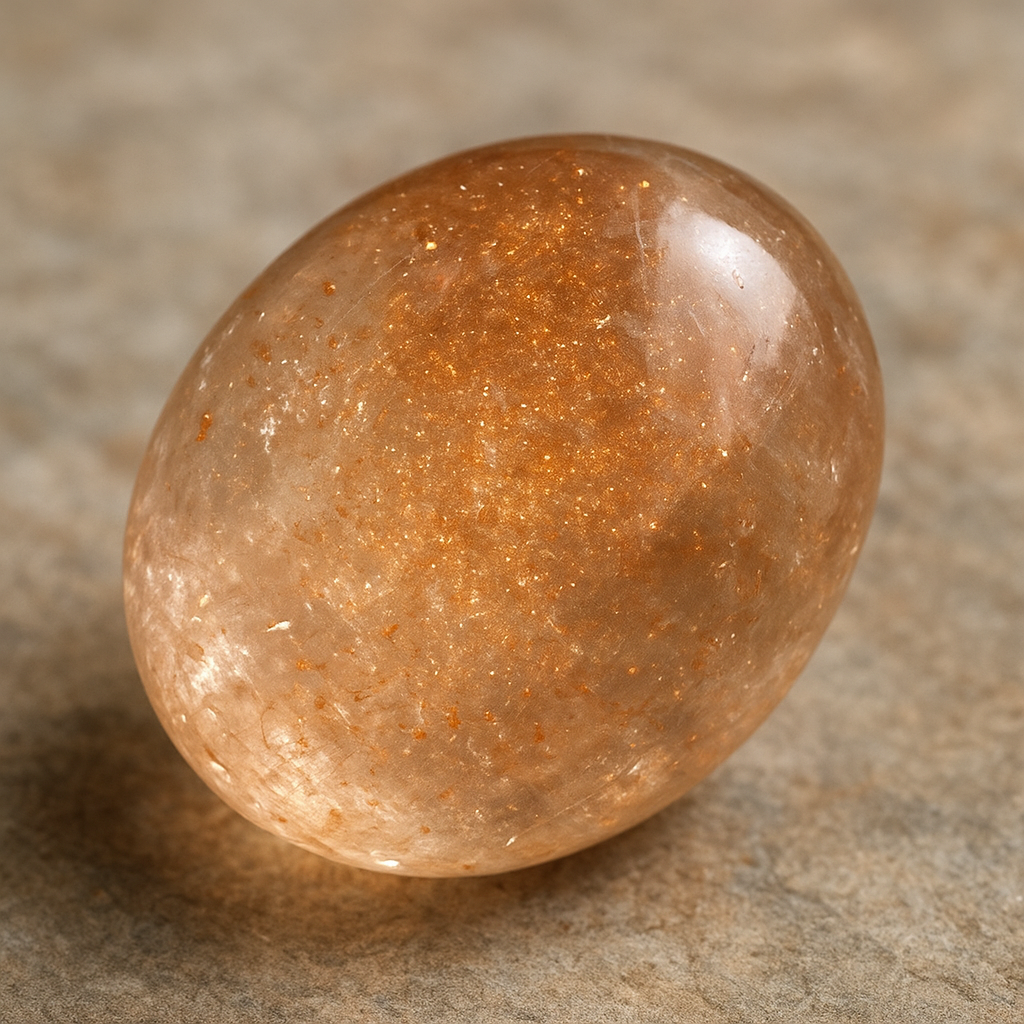
The softly glowing, almost inner-lit quality of Girasol Quartz captures attention at first glance. This luminous, often bluish or milky variety of quartz has been used in jewelry and talismans for centuries, admired for the way light seems to rise from within the stone rather than simply reflecting from its surface. In this article we explore what makes Girasol Quartz distinctive, where it is found, how it is used, and why it continues to fascinate gem collectors, lapidaries, and people interested in the cultural and metaphysical aspects of gemstones.
What is Girasol Quartz?
Girasol Quartz is not a separate mineral species but a commercial name used to describe several types of translucent, internally glowing quartz and chalcedony that display a soft, diffuse luminous effect. Unlike the sharp, mirror-like reflections seen in faceted gems, the glow in Girasol Quartz appears to come from beneath the surface, producing an ethereal, watery shimmer. Many people confuse this effect with adularescence, the schiller common to moonstone, or with the play-of-color in opal. The mechanism behind the glow in Girasol Quartz is usually light scattering by microscopic inclusions, fluid-filled cavities, or a very fine intergrowth of silica phases that diffuse light rather than reflect it.
The term Girasol itself has historical and linguistic roots: derived from the Italian girasole (from girare, to turn, and sole, sun), the name originally referred to stones that seemed to respond to light in a way analogous to how sunflowers track the sun. Over time, the name has been applied to several translucent varieties of silica, including some types of quartz and chalcedony as well as certain opals marketed as girasol opals. When you encounter the label Girasol Quartz in a shop or catalogue, it is useful to verify whether the material is true crystalline quartz or a chalcedony microcrystalline aggregate, as this affects appearance, durability, and value.
Geological Occurrence and Notable Localities
Natural Girasol Quartz forms wherever conditions allow for silica-rich fluids to crystallize in a way that traps microscopic inclusions or creates a microstructure that diffuses light. While not restricted to a single geologic environment, Girasol Quartz is most commonly recovered from hydrothermal veins, volcanic cavities (vugs), and silica-laden sedimentary deposits. Commonly reported sources include:
- Brazil — Extensive quartz deposits across Brazil yield many varieties of quartz, including translucent pieces suitable for Girasol-type material. The mineral diversity and large production volumes make Brazil a frequent origin.
- Madagascar — Madagascar is famous for producing unusual and attractive silica varieties, and collectors often find high-quality translucent quartz and chalcedony with pleasing internal glow from this island.
- Mexico — Certain deposits in Mexico, especially those that produce botryoidal chalcedony and agate, also yield translucent material often marketed as Girasol.
- Peru and parts of the United States (including Arkansas and California) have produced translucent, milky quartz specimens sometimes sold under similar trade names.
Because Girasol is a trade term rather than a strict mineralogical classification, provenance can be inconsistent in the marketplace. Some specimens sold as Girasol Quartz are actually silica-based opal or chalcedony, and some are stabilized or treated to enhance translucency. For collectors and buyers who prioritize origin, purchasing from reputable dealers who provide clear locality information and gemological reports is important.
Physical and Optical Properties
Girasol Quartz retains the fundamental physical characteristics of quartz when it is indeed crystalline SiO2. Typical properties include:
- Hardness: hardness around 7 on the Mohs scale, making it suitable for many types of jewelry.
- Refractive index: approximately refractive index 1.544–1.553 for quartz, which helps distinguish it from glass and other imitations.
- Specific gravity: near 2.65 for crystalline quartz.
- Appearance: generally translucent, sometimes nearly opaque, with a diffuse internal glow that can appear white, bluish, or pale pink depending on impurities and inclusions.
The luminous effect is usually strongest when the stone is cut en cabochon, with a rounded, domed surface that allows light to enter and be diffused by the internal structure. Faceting tends to diminish the effect because it redirects light outward rather than letting it scatter within. Girasol effect can be sensitive to viewing angle—well-cut cabochons will show maximal glow when tilted and illuminated by a soft, diffuse light source rather than a direct spotlight.
How the Glow Occurs
The glow in Girasol Quartz is typically a result of multiple scattering of light by microscopic inclusions (for example, minute gas or liquid inclusions), oriented microfibers, or extremely fine intergrowths of different silica forms. In some cases, a gel-like silica phase trapped during formation can cause internal diffusion similar to that seen in opal. The effect differs from the lab-based fluorescence under ultraviolet light because it is a scattering phenomenon visible under normal illumination.
Uses and Applications
Girasol Quartz is valued primarily for ornamental and jewelry applications. Its soft luminosity makes it especially desirable in designs that emphasize gentle, understated beauty rather than bright sparkle. Common uses include:
- Cabochon jewelry: rings, pendants, and earrings that showcase the inner glow.
- Beads and rosaries: polished translucent beads that create an even, calming appearance.
- Sculptural and inlay work: thin slices used where backlighting can highlight the internal sheen.
- Collectors’ specimens: unusual pieces prized for their color, size, or particularly strong internal glow.
Lapidaries prize Girasol Quartz for how the gem responds to cutting and orientation. To maximize the luminous quality, cutters typically favor a high dome and minimal polishing facets, because a smooth, convex surface allows subtle light diffusion. Many designers pair Girasol Quartz with matte metal finishes or muted gemstones to emphasize the stone’s soft presence rather than compete with bright brilliance.
Identification, Treatments, and Imitations
Because Girasol is a trade name, the material behind the label can vary. Buyers should be aware of several identification and treatment issues:
- Imitations: Glass and certain resins can mimic the translucent glow. Glass often shows curved flow lines, and under magnification air bubbles are a telltale sign of glass. Synthetic glass may be difficult to identify without refractive index and specific gravity testing.
- Stabilization: Some lower-quality porous chalcedony or opal may be impregnated with resins or oils to improve translucency. Stabilization should be disclosed by reputable sellers because it affects durability and care.
- Dyes and coatings: Color enhancement through dyeing can alter the natural appearance. A consistent, overly vivid color may indicate dye.
Basic gemological tests useful for identifying genuine quartz-based Girasol include measuring refractive index, examining the stone under magnification for inclusions and growth patterns, and checking specific gravity. For important purchases, a laboratory certificate that states the material and any treatments is the most reliable option.
How to Tell If a Girasol Is Real Quartz
- Check hardness: with care and by a professional—quartz is harder than most glass and softer imitations.
- Refractive index: test using a refractometer; quartz values differ from glass and most resins.
- Microscopic examination: internal features of quartz include crystalline growth patterns and characteristic inclusions that differ from the swirl marks and bubbles of glass.
- Weight: quartz has a characteristic specific gravity around 2.65; glass is often heavier.
Care, Cleaning, and Durability
When Girasol Quartz is in fact true quartz or chalcedony, it inherits good durability for everyday wear thanks to the mineral’s inherent hardness. Still, the stone’s internal structure and any treatments can affect durability, so some care guidelines are important:
- Cleaning: use warm water, mild soap, and a soft brush. Rinse well and dry with a soft cloth.
- Avoid harsh chemicals: household bleach, strong acids, and ammonia-based cleaners can damage resins or coatings.
- Ultrasonic cleaning: generally safe for stable quartz, but avoid if the piece is known to be treated, cracked, or has fluid inclusions that could react to rapid pressure changes.
- Heat: excessive heat can cause fractures or alter the appearance of treated stones; avoid exposing the stone to direct flame or sauna-level temperatures.
Storage: store Girasol Quartz pieces separately to avoid scratches from harder gemstones. A soft pouch or lined jewelry box compartment is recommended.
Cultural, Historical, and Metaphysical Associations
Girasol Quartz has been appreciated historically for its gentle internal light, which lends itself to symbolic and ornamental uses. In various traditions, stones with internal glow have been associated with intuition, inner vision, and soothing energy. Modern metaphysical communities often attribute calming properties to Girasol Quartz, recommending it for meditation, emotional balance, and enhancing one’s feeling of serenity.
It is important to emphasize that metaphysical claims are cultural and spiritual in nature rather than scientifically proven. Nevertheless, the sensory experience of wearing or holding a softly luminous stone can be psychologically meaningful to many people, contributing to the gemstone’s ongoing popularity.
Market Considerations and Collecting Tips
The market for Girasol Quartz spans affordable fashion jewelry to higher-end bespoke pieces and serious collectors seeking exceptional specimens. Factors that influence price include:
- Intensity and quality of the internal glow: stronger, even glows are more desirable.
- Color: subtle blues and warm milky tones tend to be most sought after; unusual pinks or near-colorless pieces can command premiums.
- Clarity and lack of large inclusions or fractures that break the uniform glow.
- Cut and size: well-cut cabochons that enhance the effect and larger clean pieces are more valuable.
- Origin and documentation: stones from reputable localities with certificates often sell for more.
When buying Girasol Quartz, consider the following practical tips:
- Ask about treatments and insist on disclosure. Stabilization or dyeing affects value and care.
- Prefer cabochon cuts that demonstrate the glow; compare stones in similar lighting conditions.
- Buy from sellers who permit returns or provide gemological reports for higher-value pieces.
- If investing, seek laboratory verification of material and treatment history.
Interesting Facts and Lesser-Known Details
Some intriguing points about Girasol Quartz that collectors and enthusiasts find appealing:
- Trade names: the same stone can be marketed under several trade names, including girasol opal (for certain opal-like silica), moonstone-like quartz, or simply milky quartz. Understanding trade terminology helps avoid confusion.
- Cutting traditions: lapidaries who specialize in translucent stones often develop proprietary cutting and polishing techniques to maximize light diffusion and produce the most pleasing glow.
- Complementary pairings: designers often pair Girasol Quartz with matte or brushed metals, pearls, and soft-colored gemstones to emphasize the stone’s inner light rather than compete with high sparkle.
- Collector appeal: unusually large or flawless cabochons with a strong internal glow are rare and can become highlights in private collections.
- Public perception: because the term Girasol evokes sun and motion, many buyers assume a dynamism to the stone; the real charm, however, often lies in its quiet, constant luminescence rather than flash.
Practical Advice for Designers and Lapidaries
Designers and cutters working with Girasol Quartz should keep in mind how to bring out the best in the material. Key considerations include stone orientation, dome height, and lighting in display environments. For example, matching the dome height to the stone thickness and orienting the cutting axis to highlight the most attractive internal structure will produce a more striking gem. In settings, using bezels or soft prongs that allow light to enter from the sides as well as the top will enhance the perceptible glow.
For jewelers selling finished pieces, photography and lighting choices are crucial. Images that show the stone under soft ambient light, slightly tilted, often convey the glow more convincingly than standard studio flash photos that can flatten the effect.
Final Remarks on Appreciation
Girasol Quartz occupies a delightful niche among gemstones: modest in outward flash but rich in inner character. Whether mounted in an elegant cabochon ring, strung as a strand of luminous beads, or kept as part of a mineral collection, the stone rewards viewers with a gentle, persistent light that feels intimate rather than showy. For those seeking a gem that communicates subtlety and calm, Girasol Quartz offers a compelling balance of beauty, durability, and accessible price points when sourced responsibly.