
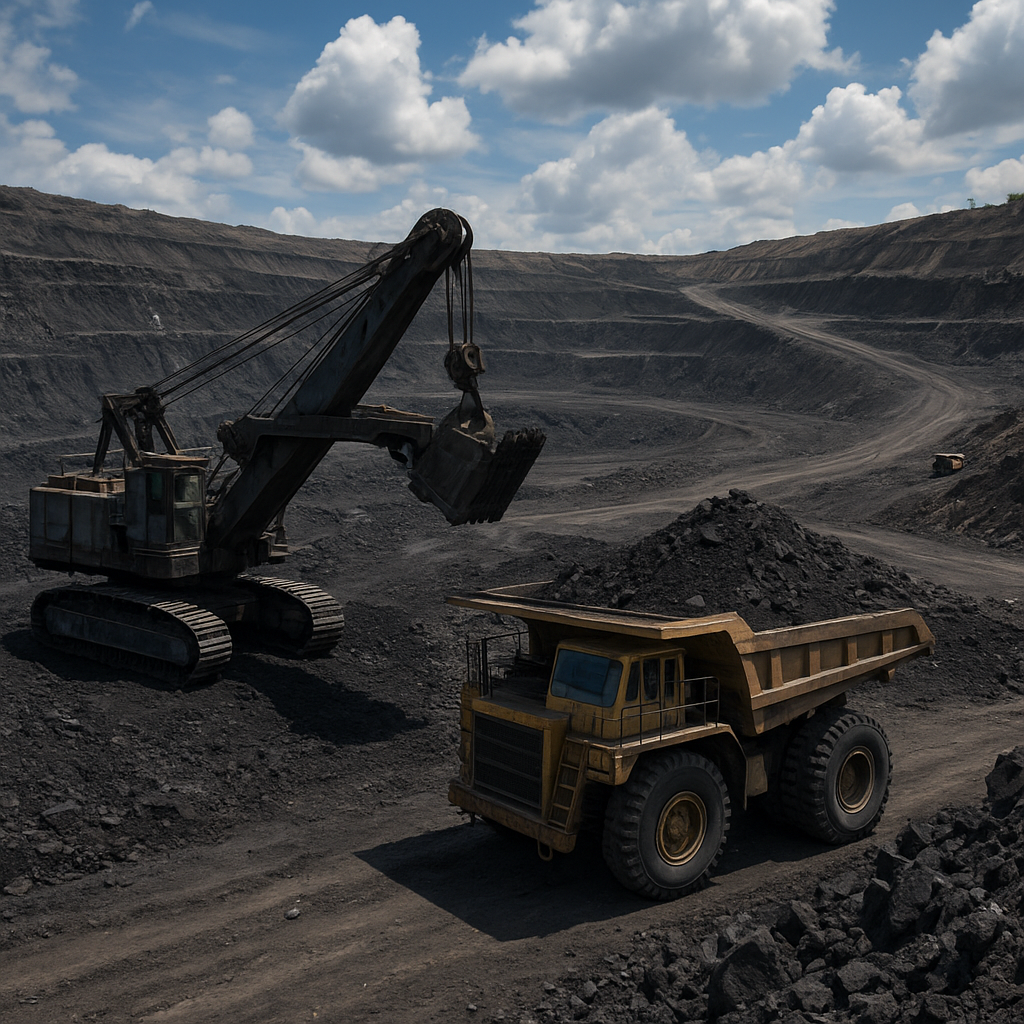
The Benga coal mine sits within one of Africa’s most talked-about coal provinces, combining significant mineral wealth with complex economic, social and environmental dynamics. Located in the heart of northern Mozambique’s mining belt, the site has attracted international attention for its sizable reserves, logistical challenges and the role it plays in regional development. This article examines where Benga is located, what is produced there, its economic importance, and several noteworthy aspects that make the mine and its surroundings compelling to observers of resource-driven development.
Location and geological setting
The Benga operation is located in the Tete Province of northern Mozambique, in the vicinity of the town of Moatize, within the larger Moatize Coal Basin. This basin lies in the valley of the Zambezi and is part of a wider geological formation that hosts thick, laterally extensive coal seams. The mine’s setting includes gently undulating terrain, river systems, and a landscape that transitions from semi-arid highlands to riparian corridors along tributaries of the Zambezi.
Geologically, the basin contains multiple seams of coal with varying thickness and quality. The deposits in and around the Benga site are commonly described as suitable for both thermal and, in places, metallurgical uses. The variation in coal rank across the basin means that mining operations typically sort and blend material to meet the specifications required by different customers, from power plants to industrial users.
What is mined at Benga
The primary product of the Benga mine is coal. Depending on the seam and the section of the mine, coal quality ranges from higher-volatile thermal coal to material with characteristics that can be used in steelmaking processes after appropriate beneficiation. Mines in the Moatize basin, including Benga, therefore serve a diverse market:
- Electricity generation (domestic and export markets).
- Industrial and cement manufacturing processes.
- Occasionally, blended or upgraded product for metallurgical uses.
Production methods at Benga have combined open-pit extraction with beneficiation plants to wash and prepare coal for export. Washing improves calorific value and removes impurities, which is essential to meet international port and buyer specifications. Coal is sorted by size and quality before being transported to coastal ports for shipment.
Infrastructure and logistics
One of the defining features of any large inland mine is the logistical framework that connects the pit to global markets. The Benga mine’s viability has been intimately tied to rail and port infrastructure. The historic Sena railway line, which links the Tete region to the port of Beira, is a critical corridor for bulk exports. Over the past two decades, rehabilitation and investments in the railway and port facilities have been necessary to handle increased export volumes from the Moatize basin.
Transport reliability is a recurring challenge. Seasonal flooding, maintenance backlogs, and capacity constraints at ports have sometimes constrained production or forced rerouting. Mining companies and governments have therefore prioritized investments in corridors, rolling stock, and terminal facilities. These logistics investments not only serve the coal trade but also improve connectivity for freight and passengers in central Mozambique.
Economic importance
Benga’s contribution to local and national economies operates on multiple levels:
- Foreign direct investment: The mine attracted significant international capital for development, exploration and infrastructure projects, bringing new funds and technical expertise to the region.
- Employment: Mining, construction, logistics and ancillary services have created jobs, although the distribution between skilled, local and expatriate labor has been a matter of public debate.
- Exports and foreign exchange: Coal exports from the Moatize basin have been among Mozambique’s largest commodity exports, helping to generate foreign currency revenues that support the national budget and import needs.
- Local procurement and business development: Contracts for suppliers, transport companies and service providers create business opportunities for Mozambican firms and entrepreneurs.
While the direct fiscal benefits—taxes, royalties and fees—can be substantial, the overall economic impact depends on contract structures, compliance with regulatory frameworks, and how revenue is managed and invested by provincial and national authorities. Large resource projects can accelerate infrastructure development and public services when coordinated with broader development planning, yet the outcomes are contingent on governance and community engagement.
Social and environmental dimensions
Large-scale mining inevitably raises social and environmental questions. Around Benga and the wider Moatize basin, these challenges have included resettlement of communities, water management, and concerns about dust, noise and habitat alteration. Companies operating in the area have implemented resettlement programs designed to relocate families from expanding pit boundaries or infrastructural footprints, but these programs have sometimes been criticized for not fully restoring livelihoods or for creating dependency on arrangements that require long-term care and monitoring.
Water is central to both mining operations and community life. Coal washing and processing require significant water inputs, while communities rely on rivers and wells for drinking, irrigation and livestock. Ensuring water quality and fair allocation between industrial and local needs has been a priority for regulators and a source of contention between stakeholders. Environmental mitigation measures typically include controlled discharge, monitoring programs, and initiatives to restore or replace affected ecosystems.
Artisanal and small-scale coal mining is another notable social dynamic. Local residents, sometimes excluded from formal employment opportunities, may engage in informal extraction and sale of coal. These activities can be dangerous and environmentally damaging, but they also reflect limited livelihood options and the local demand for cash income. Authorities and civil society groups have often tried to integrate these workers into safer, regulated frameworks, with mixed success.
Interesting aspects and lesser-known facts
The Benga mine and the Moatize region offer several intriguing features beyond the routine mechanics of extraction and export:
- Geological scale: The Moatize basin contains multiple coal seams with considerable lateral extent, making it one of the most significant coal provinces in southern Africa.
- Railway revival: Investments to rehabilitate and upgrade the Sena line illustrate how mineral projects can catalyze broader infrastructure renewal that benefits a range of sectors.
- Complex stakeholder relationships: International mining firms, national and provincial governments, local communities, and multilateral lenders have all been stakeholders in the mine’s development, producing a complex mix of cooperation and contestation.
- Seasonal climate effects: Heavy rains and river flooding in the Zambezi basin pose recurrent operational risks, requiring adaptive planning and resilience measures for both mine and transport infrastructure.
- Employment paradox: Although mines create jobs, mechanized operations often mean that a relatively small workforce manages large outputs, which complicates local expectations for mass employment.
Operational and governance challenges
Extractive projects in emerging markets often face governance challenges, and Benga is no exception. Ensuring transparency in contracts, equitable sharing of revenues, environmental oversight and accountable resettlement processes are ongoing tasks. Civil society organizations and international watchdogs have periodically scrutinized agreements to ensure communities receive promised benefits and that environmental safeguards are enforced.
Moreover, commodity price volatility influences investment decisions and operational tempo. Periods of low coal prices have led some operators to scale back output or re-evaluate expansion plans, whereas price upticks can stimulate renewed investment. The balance between maximizing short-term revenue and sustaining long-term development outcomes is a continuing policy debate for stakeholders.
Future outlook and trends
The future of the Benga mine is tied to several interlocking trends. Globally, energy transition debates place pressure on fossil fuel producers to demonstrate environmental responsibility and to explore diversification. Regionally, Mozambique’s broader resource landscape—including gas discoveries in the north—may shift investment patterns and infrastructure priorities.
Potential pathways for the mine and its surrounding communities include:
- Upgrading and diversification of logistics corridors to improve resilience and reduce export bottlenecks.
- Investment in downstream activities or local value addition, such as beneficiation facilities that can increase local economic participation.
- Enhanced corporate-community partnerships focusing on long-term livelihood programs, education and health investments.
- Adoption of more rigorous environmental monitoring and rehabilitation practices to reduce ecological footprints.
Decisions by operators, regulators and financial partners will determine whether Benga’s contributions translate into durable regional development. The mine’s capacity to adapt—to changing market conditions, environmental expectations and community needs—will be central to its sustained relevance.
Key stakeholders
Stakeholders in the Benga mine’s lifecycle include multinational mining companies and their investors, the Government of Mozambique (both national and provincial authorities in Tete), local municipalities and traditional leaders, transport and port operators, labor organizations, and non-governmental organizations focused on human rights and environmental protection. Each of these actors brings different priorities and capacities to the table, shaping how benefits and burdens from mining are distributed.
Final observations (no summary)
The Benga operation exemplifies the dual nature of large-scale mineral projects: significant potential for economic transformation paired with real social and environmental responsibilities. Its place in the Moatize basin, reliance on critical transport corridors, and prominence in the nation’s export profile make it a focal point for anyone studying resource-led development in southern Africa. Watching how the mine navigates infrastructure, governance and market pressures provides useful lessons for similar projects worldwide.

