
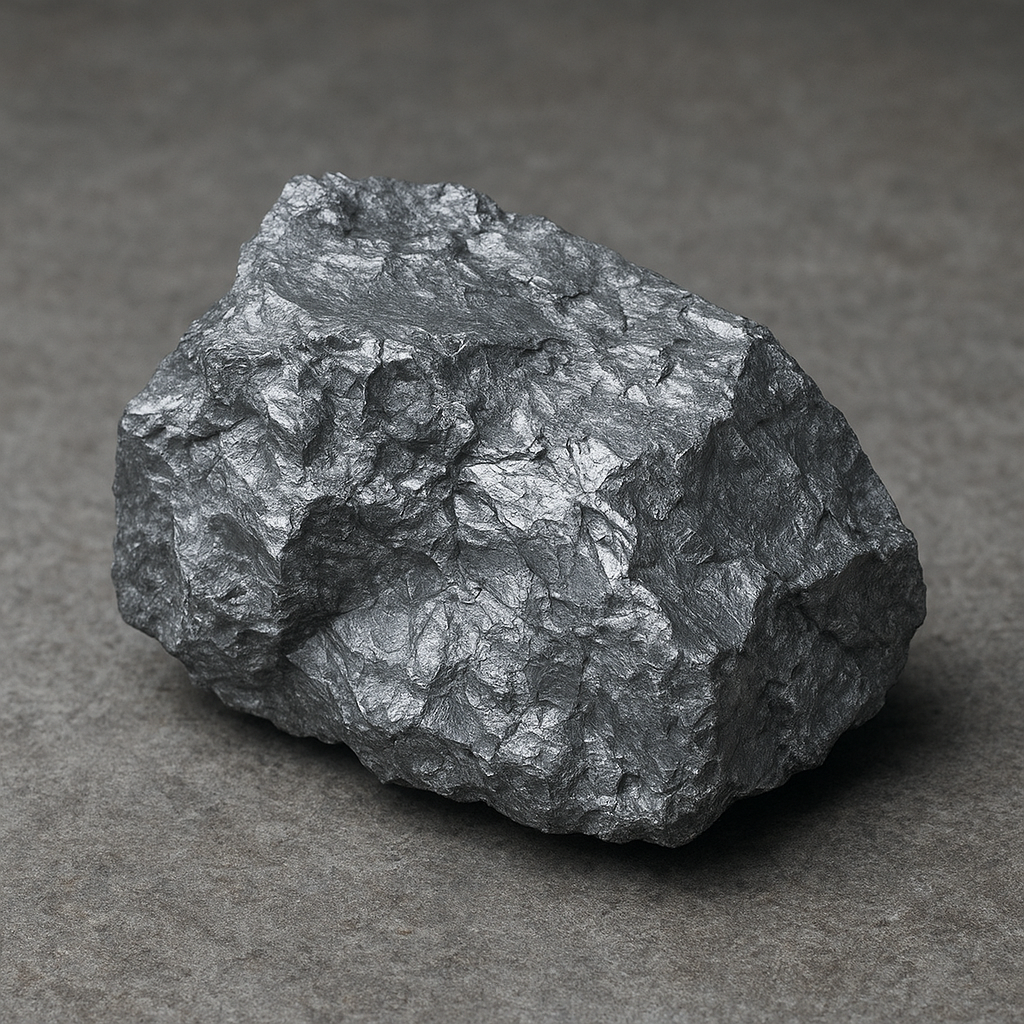
Zinc is a versatile chemical element that plays a vital role in industry, biology, and the environment. Its unique combination of physical and chemical properties makes it indispensable across a wide range of applications, from protecting steel against rust to serving as an essential micronutrient in living organisms. This article explores where zinc occurs, how it is processed and used, its biological importance, and some intriguing emerging technologies and environmental considerations connected to this metal.
Natural occurrence and extraction
Zinc is commonly found in the Earth’s crust and is the 24th most abundant element by mass in the crust. Most commercial zinc is extracted from sulfide ores, primarily from the mineral sphalerite (ZnS), which often occurs with other base metal sulphides such as galena (lead sulfide) and chalcopyrite (copper iron sulfide). Significant zinc deposits are located in countries such as China, Australia, Peru, the United States, and Canada.
The process of obtaining metallic zinc from ore involves several stages:
- Mining: Ore is extracted either by open-pit or underground mining, depending on the deposit’s depth and geometry.
- Concentration: Crushing and flotation concentrate the zinc-bearing minerals, separating them from gangue materials.
- Roasting and leaching: Concentrates are often roasted to convert sulfides to oxides and then leached to produce zinc-rich solutions.
- Purification and electrowinning: Impurities are removed, and zinc is deposited onto cathodes by electrolysis to yield high-purity metal.
Alternative production routes include pyrometallurgical smelting and hydrometallurgical techniques. Recycling of scrap zinc-containing materials is also a major source of refined zinc, reducing the need for primary mining and conserving resources.
Physical and chemical properties that matter
At room temperature, zinc is a moderately reactive, bluish-white metal with a crystalline hexagonal structure. It has a relatively low melting point (419.5°C) compared to many ferrous metals, which makes it suitable for casting and die-casting. Zinc is electrically conductive but less so than copper or aluminum. It forms a protective oxide layer on exposed surfaces, which helps resist further corrosion under many atmospheric conditions.
Key properties influencing applications:
- Corrosion resistance due to formation of surface oxides and basic salts.
- Good castability and fluidity in molten state, useful in die-casting.
- Ability to alloy readily with copper, aluminum, and other metals, producing materials with tailored mechanical properties.
- Chemical reactivity enabling use in batteries and galvanic protection systems.
Industrial applications and technologies
Zinc’s most familiar industrial use is in galvanization, a process where a protective zinc coating is applied to steel or iron to prevent rusting. The sacrificial nature of zinc means it corrodes preferentially to the underlying metal, offering robust protection even if the coating becomes scratched.
Construction and corrosion protection
Galvanized steel is ubiquitous in construction, used in structural members, roofing, fencing, and fasteners. Zinc coatings can be applied by hot-dip galvanizing (immersing steel in molten zinc), electroplating, or mechanical plating. Beyond galvanization, specialized zinc coatings and alloys are used where different aesthetics or specific corrosion performance are required.
Alloys and die-casting
When combined with copper and other elements, zinc forms useful alloys such as brass (copper-zinc). Brass has excellent machinability, corrosion resistance, and attractive appearance, making it common in fittings, musical instruments, and decorative components. Zinc-based alloys for die-casting are widely used in automotive parts, electronics housings, and consumer goods because they allow high-precision, thin-walled castings at low cost.
Chemicals and pigments
Zinc oxide (ZnO) is a versatile compound used in rubber manufacture as a vulcanization activator, in paints and coatings as a pigment and mildew inhibitor, and in cosmetics and sunscreens for its UV-absorbing properties. Other compounds, such as zinc sulfate and zinc chloride, find roles in agriculture, water purification, and as catalysts or fluxes in metallurgical processes.
Batteries and energy technologies
Zinc is central to several battery technologies. Traditional zinc-carbon and alkaline cells use zinc as the anode. More recent interest centers on rechargeable zinc-based systems such as zinc-air and zinc-ion batteries, prized for the metal’s abundance, low cost, and environmental friendliness compared to lithium. Research into improving cycle life, energy density, and dendrite suppression is active and could position zinc batteries as an important component in grid storage and portable electronics.
Biological role and human health
In living organisms, zinc is an essential trace element. It is critical for growth, development, and numerous biochemical pathways. Biological roles include structural, catalytic, and regulatory functions in proteins and nucleic acids.
Important biological facts:
- Zinc is a cofactor in over 300 enzymes, influencing metabolism, DNA synthesis, and cellular signaling. The presence of zinc in these enzymes stabilizes their structure and assists catalysis.
- Zinc plays a central role in immune function, modulating both innate and adaptive immune responses and helping to maintain barrier integrity in mucosal tissues.
- During growth, pregnancy, and wound healing, adequate zinc is crucial; deficiency can lead to impaired growth, delayed wound repair, skin lesions, and increased susceptibility to infection.
Dietary sources of zinc include red meat, shellfish (notably oysters), dairy products, legumes, nuts, and fortified foods. Absorption can be affected by dietary components: phytates in whole grains and legumes can bind zinc and reduce absorption, while animal proteins may enhance uptake.
Zinc deficiency remains a public health concern in many regions, particularly where diets are heavily cereal-based and low in animal-sourced foods. Strategies to address deficiency include dietary diversification, supplementation programs, and agricultural measures such as biofortification.
Agricultural and environmental aspects
In soils, zinc availability determines plant health and crop yields. Zinc-deficient soils produce stunted plants and reduced grain quality. Farmers use zinc sulfate and other zinc fertilizers to correct deficiencies. Simultaneously, excessive zinc concentrations from industrial pollution or mining waste can be toxic to plants and microbes.
Emerging and interesting approaches include phytoremediation, where certain plants that hyperaccumulate zinc are used to extract the metal from contaminated soils. These plants can then be harvested and processed to recover the metal, an approach sometimes called phytomining. Phytoremediation offers a low-energy, potentially cost-effective way to address contamination while recovering resources.
Advanced materials and research frontiers
Zinc is showing up in frontier technologies and research fields. A few notable directions:
- Nanotechnology: Nanoscale zinc oxide particles are used in antibacterial coatings, UV-blocking formulations, and as photocatalysts. Their high surface area and tunable properties provide unique functionality.
- Semiconductors: ZnO is a direct wide-bandgap semiconductor with applications in transparent electronics, LEDs, and sensors. Researchers explore doping and heterostructures to exploit its optoelectronic properties.
- Energy storage: As mentioned, improvements in electrolyte chemistry, electrode design, and solid-state configurations aim to make zinc batteries competitive for large-scale storage.
- Catalysis: Zinc compounds serve as catalysts or catalyst supports in organic synthesis, hydrogenation, and photocatalytic processes. Their relative abundance and low toxicity make them attractive alternatives to precious metals in some reactions.
Health, safety, and environmental concerns
While zinc is essential, both deficiency and excess can pose problems. Acute ingestion of massive amounts of zinc salts can cause gastrointestinal distress, and chronic high intake may interfere with copper absorption, leading to secondary copper deficiency. Occupational exposure to zinc fumes during welding or smelting can cause „metal fume fever,” a flu-like illness characterized by fever, chills, and respiratory symptoms.
From an environmental perspective, mining and smelting operations have historically created localized contamination of soils and waterways with zinc and associated metals. Modern environmental regulations and remediation technologies, including improved waste management and the recovery of zinc from industrial effluents, aim to minimize impacts. Recycling plays a critical role in reducing the footprint of zinc production and conserving primary resources.
Economic and geopolitical context
The economics of zinc are influenced by demand from the construction, automotive, and electrical industries, as well as by global urbanization and infrastructure development. Price volatility can arise from shifts in manufacturing activity, trade policies, and the status of major mining operations. Investments in recycling, more efficient usage, and alternative materials can all influence long-term demand patterns.
Strategically, countries with large zinc deposits or processing facilities hold an important position in global supply chains. Ensuring responsible mining practices, worker safety, and community engagement are essential for sustainable development in regions dependent on zinc production.
Interesting historical and cultural notes
Historically, zinc has been used for centuries, often in alloy form. Brass items were produced in ancient civilizations long before the chemistry was understood. The commercial isolation of zinc metal occurred later, with notable developments in the 18th and 19th centuries enabling widespread industrial use. In some cultures, zinc-containing compounds found use in traditional medicine and cosmetics.
One curious fact: the word „zinc” may derive from the German „Zinke,” meaning tooth or prong, referring to the crystalline or pointed appearance of zinc fragments. The metal’s combination of practical utility and biological necessity continues to make it a focus of study across disciplines.
Practical tips and everyday encounters
Many people encounter zinc regularly without thinking about it:
- Fasteners and galvanized components in buildings protect structures for decades with minimal maintenance.
- Zinc supplements are widely available and used to support immune health, though it is important to follow recommended dosages to avoid adverse effects.
- Sunscreens labeled with zinc oxide provide broad-spectrum UV protection and are often recommended for sensitive skin and infants.
- Household batteries and some hearing aid batteries use zinc-based chemistries, providing an inexpensive and reliable energy source.
Awareness of zinc’s role can inform consumer choices: opting for durable galvanized hardware can save money over time, and choosing zinc oxide sunscreens offers a mineral-based alternative to chemical UV filters.
Closing thoughts on a small but mighty metal
Zinc may not grab headlines like gold or lithium, yet its combination of mechanical, chemical, and biological roles has made it indispensable. From safeguarding steel and enabling intricate alloys to maintaining human health and enabling new energy solutions, zinc is deeply woven into modern life. Continued research and responsible resource management will shape how this element contributes to future technologies, environmental strategies, and global well-being.