
The Ensham Mine sits as a prominent example of Queensland’s long-standing role in Australia’s coal industry. Located in the heart of a major coal-bearing region, the mine produces coal primarily for electricity generation and plays a significant role in local and regional economies. This article explores the mine’s location and geology, how it operates, its economic importance, and a number of interesting and sometimes surprising aspects of its existence and evolution.
Location and geological setting
Ensham is located in central Queensland, within the broad expanse known as the Bowen Basin, one of Australia’s most important coal provinces. The Bowen Basin contains thick sequences of Permian-age sedimentary rocks that host multiple coal seams. These geological conditions have made the region attractive for large-scale coal extraction for many decades. The mine’s position within the basin places it among a network of other operations, rail links and service towns that together form a cluster of mining activity stretching across central and eastern Queensland.
The coal seams exploited in and around Ensham are typically of a quality suited to thermal coal markets, meaning they are primarily used for electricity generation rather than metallurgical (coking) purposes. Thermal coals from this region vary in energy content, ash and moisture levels, but they are integral to domestic power stations and export markets in Asia. The geology beneath Ensham and adjacent mines consists of multiple seam horizons, each requiring tailored extraction and processing approaches to maximize recoverable coal while managing overburden and water.
Mining methods and operational practices
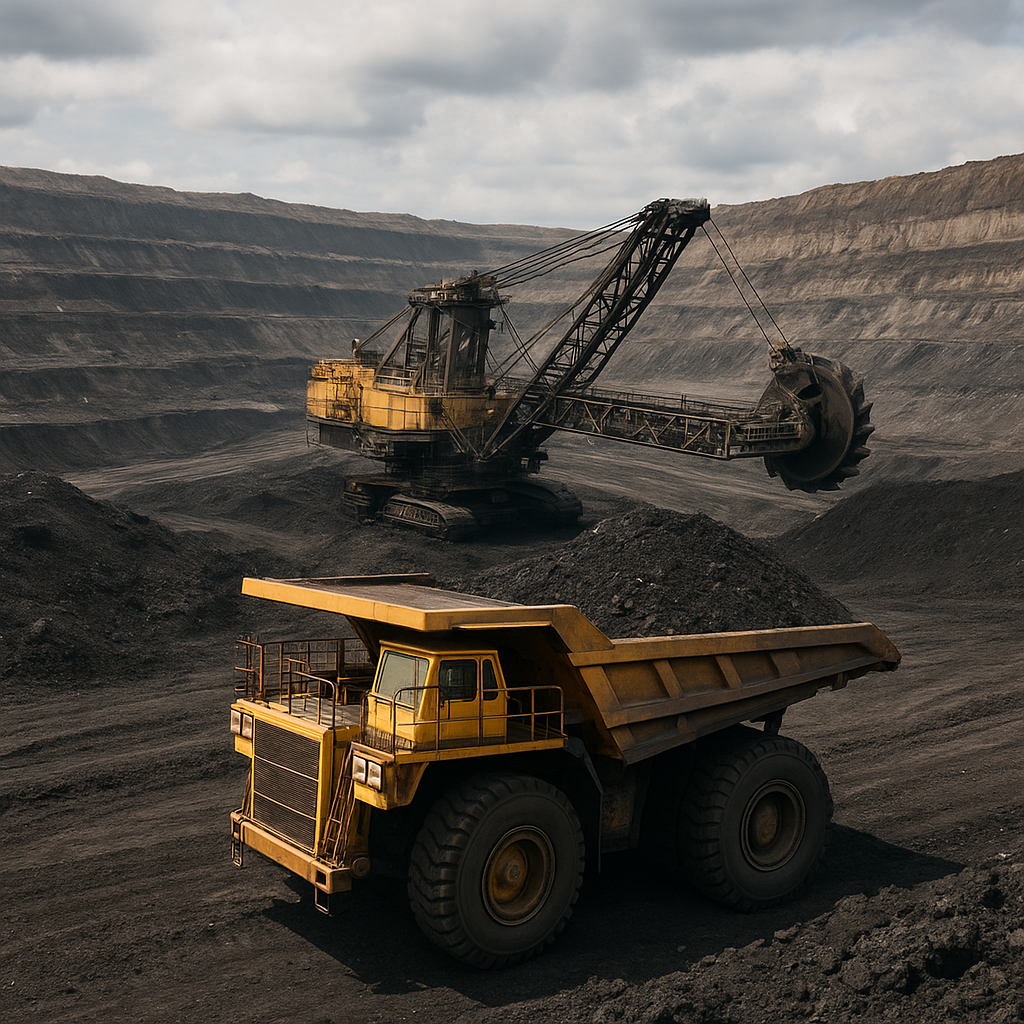
Ensham is an open-cut or open-pit coal operation. This method involves removing the overlying rock and soil (overburden) to expose the coal seams, then excavating the coal using large shovels, excavators and truck fleets. The scale of operations requires extensive earth-moving equipment, haul roads, and a coordinated schedule of pit advance, coal extraction, and rehabilitation of worked areas.
Processing and logistics
- Coal handling and preparation: After extraction, raw coal is typically delivered to a coal handling and preparation plant (CHPP) where it is crushed, screened and washed to improve product quality by reducing ash and rock content. The processed coal is then blended to meet customer specifications.
- Transport: Ensham and other mines in the Bowen Basin rely on rail infrastructure to move coal to domestic power stations or to coastal export terminals. Efficient rail links are critical to the mine’s viability because they connect production to both local consumers and international customers.
- Maintenance and scheduling: Large open-cut operations use detailed scheduling software and maintenance regimes to keep trucks, shovels and processing plants running reliably. Planned maintenance windows, spare-part inventories and contingency plans for severe weather or supply disruptions are part of daily life at the mine.
Technological advances have also influenced operations. Fleet management systems, GPS tracking, and increasingly, remote operation and automation are being adopted across Queensland mines to improve safety and productivity. While the degree of automation varies, the trend toward digital integration affects planning, safety monitoring and environmental management.
Economic significance
The economic footprint of a mine like Ensham extends beyond the pit itself. Direct employment at the mine supports a wider network of indirect jobs in transport, maintenance, construction, hospitality and professional services. Mining towns and regional service centres benefit from wages spent locally, while local governments collect royalties and taxes that contribute to community infrastructure.
- Employment: Mines provide skilled and semi-skilled jobs in roles ranging from equipment operators and technicians to environmental scientists and administrative staff. These jobs often bring higher wages compared with other regional industries, making mining a major employer in surrounding communities.
- Exports and revenue: Coal exports from central Queensland form an important part of Australia’s trade in mineral commodities. Revenue generated by coal sales supports national and state economies and underpins investment in roads, ports and other transport infrastructure critical to regional development.
- Local infrastructure: Mining companies often invest in local infrastructure projects, including water supply, road upgrades and community facilities, either directly or through partnerships with government and community groups. Those investments can have long-term benefits for regional residents.
While the immediate financial benefits are substantial, the sector’s fortunes are tied to global energy markets. Demand for thermal coal can fluctuate with shifts in energy policy, competition from other fuels, and technological changes such as the growth of renewables and improving energy efficiency. Mines therefore must balance short-term market opportunities with long-term planning for potential downturns.
Environmental management and community engagement
Modern mining operations are subject to rigorous environmental standards and regulatory oversight. Ensham, like other mines in its region, implements a range of measures designed to minimize environmental impacts and facilitate eventual site rehabilitation. Key areas of focus include water management, dust and emissions control, biodiversity protection and progressive rehabilitation.
- Water management: Managing surface and groundwater is crucial. Mines design sediment ponds, diversion drains and water treatment systems to control runoff and protect surrounding catchments. In a region where water is often scarce, careful water use and recycling within processing plants help reduce fresh water demands.
- Rehabilitation and closure planning: Progressive rehabilitation attempts to restore disturbed land as mining advances, shaping landforms, replacing topsoil and revegetating with native species. Closure plans outline how the site will be left in the long term, including ongoing monitoring and maintenance obligations.
- Air quality: Measures to limit dust include water sprays on haul roads, covered coal stockpiles, and windbreaks. Monitoring programs track particulate levels to ensure compliance with public health guidelines.
- Community relations: Mines maintain communication channels with local residents, indigenous groups and regional stakeholders. Agreements on employment, business opportunities and cultural heritage protection are common, as are community investment programs focused on education, health and local amenities.
Environmental and social governance is an increasingly important part of a mine’s social license to operate. Companies seek to demonstrate commitment to sustainability by reporting on impacts, investing in mitigation measures, and engaging with communities to respond to concerns and share benefits.
Interesting aspects and challenges
Several elements make Ensham and similar operations notable beyond their immediate economic role.
Operational adaptations
Mining in central Queensland must adapt to extremes of weather, including intense summer storms and seasonal variability. These conditions can disrupt supply chains and pit schedules, prompting robust contingency planning. Additionally, the mine’s methods and equipment have evolved over time; older draglines and large mechanical shovels coexist with modern truck fleets and digital monitoring systems, reflecting the industry’s incremental technological shift.
Market dynamics
Thermal coal’s status in global energy markets is dynamic. On one hand, there remains persistent demand in countries that rely on coal-fired power; on the other hand, climate policy and competition from gas and renewables are reshaping long-term prospects. Mines must therefore manage operational cash flows while preparing for potential structural changes in demand.
Community and cultural considerations
Mining regions often have deep ties to agriculture, indigenous heritage and small-town communities. Successful operations invest in workforce training and local procurement to strengthen community ties. Engagement with indigenous custodians of the land is central to respectful and lawful operations, and modern agreements typically include cultural heritage surveys and preservation commitments.
Innovation and efficiency
Continuous improvement programs in safety, productivity and environmental performance are commonplace. These can include remote condition monitoring, predictive maintenance to reduce unplanned downtime, and energy-efficiency projects in processing plants. Innovations that reduce greenhouse gas intensity per tonne of coal can be economically and reputationally valuable.
Broader implications and future considerations
The future of a mine like Ensham will be shaped by several converging forces: global energy transitions, commodity price cycles, technological change within mining, and ongoing regulatory and social expectations around environmental protection and community benefit. Strategic responses may include diversifying the local economy, investing in reclamation-ready practices, and exploring opportunities for carbon management or co-location of new industries on rehabilitated land.
For regional Australia, the presence of substantial mining investment provides both opportunity and responsibility. While employment and infrastructure gains are immediate, planning for the long-term legacy of mining — from restored ecosystems to economically resilient communities — is increasingly central to how mines are evaluated by stakeholders and regulators alike.
Ensham’s story illustrates how a single operation can be a microcosm of broader trends: geological endowment enabling resource extraction, techno-economic systems that turn earth into energy, and evolving expectations that mine benefits be balanced against environmental stewardship and community welfare.

