Beryllonite is a small but fascinating member of the phosphate mineral family. Although it rarely captures headlines like beryl or tourmaline, it offers mineralogists, collectors and researchers a unique window into the behavior of beryllium and phosphate chemistry in pegmatitic environments. This article explores its nature, where it is found, how it is used or valued, and some of the more intriguing aspects that make this mineral noteworthy.
What is beryllonite?
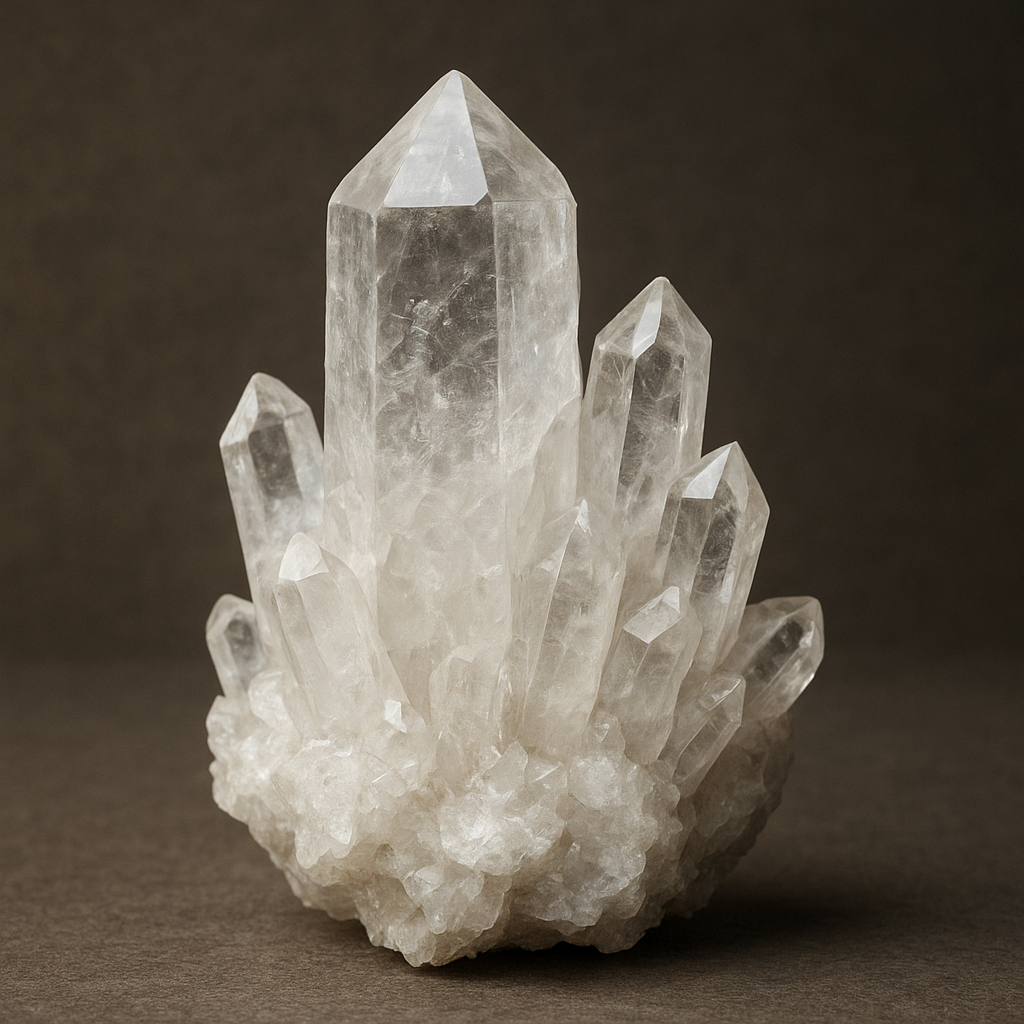
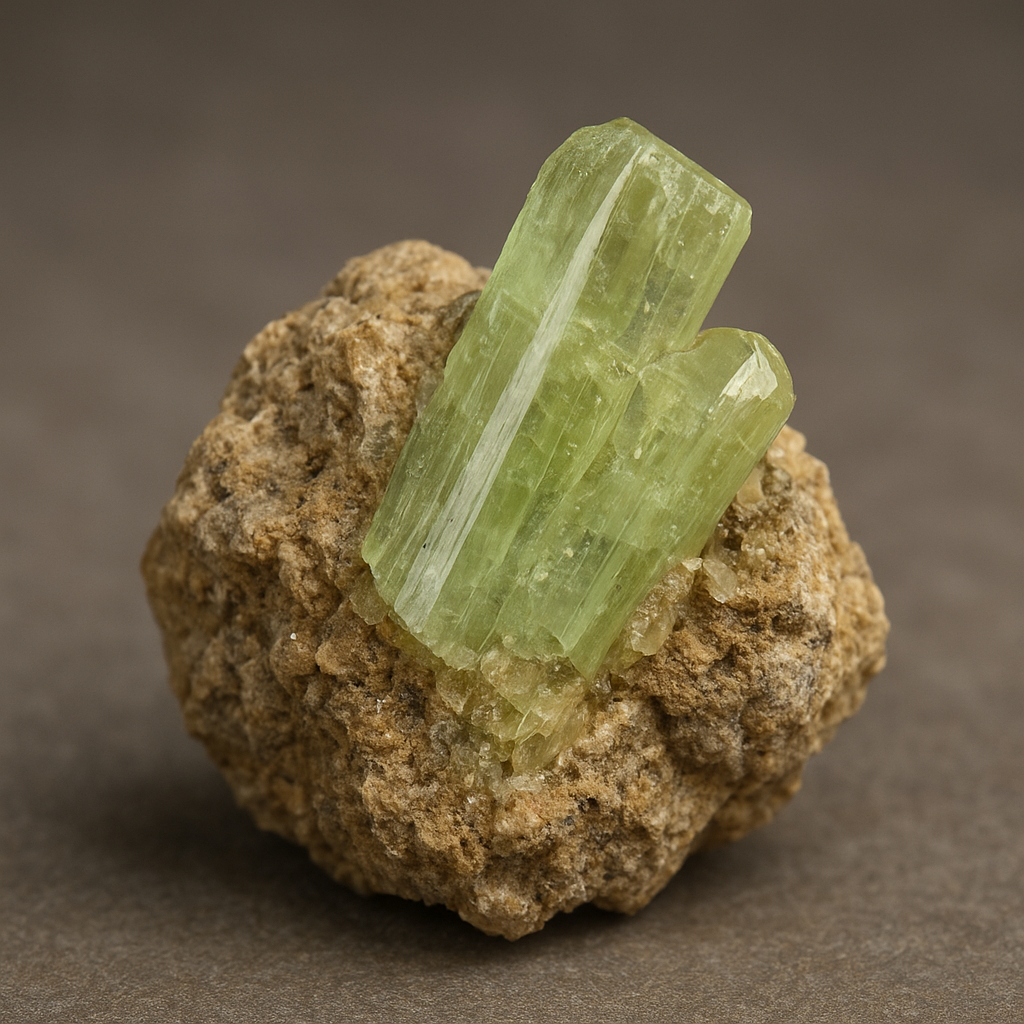
Beryllonite is a naturally occurring phosphate composed primarily of sodium, beryllium and phosphate ions. Its idealized chemical formula is commonly written as NaBePO4, which places it among the simple alkali-beryllium-phosphate minerals. In hand specimens it tends to appear as colorless, white, pale yellow or slightly pinkish masses or distinct crystals. Optical qualities can range from transparent to translucent, and the mineral often displays a vitreous to adamantine luster on fresh surfaces.
Although physically modest, beryllonite is prized for its well-formed crystals when they do occur. Crystals are typically euhedral to subhedral and can show sharp terminations. They often reveal interesting habits that attract collectors: prismatic, tabular or blocky forms that sometimes produce aesthetic clusters. The mineral’s compact formula belies a richness of information for mineralogists, since it records the interplay of alkali, alkaline-earth and phosphate species during late-stage pegmatite formation.
Basic physical and optical characteristics
- Color: colorless, white, pale yellow, pinkish.
- Luster: vitreous to adamantine.
- Transparency: transparent to translucent.
- Hardness: moderate (suitable for stable specimens but not robust for heavy wear as a gem).
- Cleavage and fracture: can exhibit cleavage and brittle fracture on breakage.
- Associations: commonly found with other pegmatitic and phosphate minerals.
Where it occurs and associated environments
Beryllonite is an uncommon mineral that forms primarily in the late stages of granitic pegmatite evolution. These environments are chemically rich, volatile-laden pockets that allow rare elements such as beryllium to concentrate and crystallize in unusual phases. Typical geological settings include:
- Granitic pegmatites and their apical zones, especially where fluorine, lithium and other incompatible elements are enriched.
- Hydrothermal and pneumatolytic cavities related to granite bodies that provide the fluids necessary for the transport and deposition of phosphates and beryllium-bearing species.
- Contact zones where late-stage fluids interact with earlier-formed minerals, sometimes producing replacement textures and localized crystallization of rare phosphates.
Because of these formation requirements, beryllonite is scattered and often occurs only in small pockets within a larger pegmatite body. It is commonly associated with minerals such as beryl, tourmaline, albite, microcline, quartz, spodumene, apatite and other phosphate minerals. These associations are useful to field mineralogists: finding a cluster of beryl or strong phosphate mineralization raises the odds that trace beryllium phosphates might be present in adjacent pockets.
Notable occurrences are recorded in a number of classic pegmatite districts around the world. While the mineral is never abundant enough to form economic deposits, collectors and museums have obtained fine specimens from a range of localities. Classic regions include parts of the northeastern United States and other well-studied pegmatite provinces, plus pegmatite districts in South America, Europe and parts of Asia. Field reports and catalogues of mineral dealers often highlight single pockets that produced exceptional crystals, emphasizing the mineral’s episodic and localized nature.
Typical associated minerals and paragenesis
In a typical paragenetic sequence, beryllonite crystallizes late—after many silicates have formed—when the residual fluid becomes enriched in sodium, beryllium and phosphate. As temperatures fall and volatiles concentrate, the solution chemistry permits the stabilization of NaBePO4. Researchers use such paragenetic relations to interpret fluid evolution, element mobility and the crystallization chronology within pegmatites. The presence of beryllonite alongside other rare phosphates can point to particularly evolved fluids that may also host rarer species.
Uses, value and cultural significance
Because of its rarity and typically small crystal size, beryllonite has no industrial applications and is not mined as an ore of beryllium or phosphorus. Instead, its value is mainly aesthetic and scientific.
- Collectors: Mineral collectors prize well-formed, transparent or sharply terminated crystals. A single small crystal with excellent form and clarity can command attention in private and museum collections. For this reason, beryllonite specimens occasionally appear in specialized auction catalogues and mineral shows.
- Gemstone use: On rare occasions, transparent crystals of sufficient clarity have been faceted as collector gems. However, because of the mineral’s modest hardness and the scarcity of gem-quality material, beryllonite remains a novelty rather than a commercial gemstone. Faceted pieces are typically kept in cabinets rather than worn.
- Scientific research: Mineralogists and geochemists study beryllonite for insights into beryllium behavior in natural systems, phosphate mineral paragenesis, and fluid evolution in pegmatites. Its stoichiometry and trace-element content can help reconstruct the physicochemical conditions of crystallization.
- Educational specimens: Museums and universities use beryllonite to demonstrate the diversity of phosphate minerals and the unusual ways in which rare elements combine in nature.
Monetary value for specimens is driven by crystal size, quality, provenance and rarity. Exceptional plates or clusters that also include attractive associated minerals (for example, color contrasts with tourmaline or quartz) are especially desirable. Collectors also prize specimens from historically significant locales or old private collections.
Market and collecting advice
If you seek to acquire beryllonite, look for reputable dealers and documented provenance. Because the mineral is rare, careful verification using microscopic and spectroscopic techniques is often performed on higher-value specimens. New collectors can increase the educational value of a purchase by obtaining accompanying mineralogical data—locality, associated minerals, and analytical notes—when available.
Identification, handling and safety
Identifying beryllonite in the field can be challenging because its appearance overlaps with many colorless or light-colored pegmatitic minerals. Basic field checks include habit, luster, cleavage and hardness, but reliable identification usually requires laboratory techniques:
- Optical microscopy—thin section or grain mounts—can reveal characteristic optical properties and internal structure.
- X-ray diffraction (XRD) for definitive crystallographic identification.
- Electron microprobe or energy-dispersive X-ray spectroscopy (EDS) to confirm the presence of sodium, beryllium and phosphorus.
- Raman or infrared spectroscopy as non-destructive methods to detect phosphate vibrational modes and complement chemical data.
Safety is a practical consideration. Beryllium is a toxic element: inhalation of beryllium-containing dust can cause chronic beryllium disease (berylliosis) and other respiratory issues in susceptible individuals. Fortunately, intact mineral specimens pose negligible risk during normal handling. The primary hazard arises from grinding, cutting or otherwise pulverizing the mineral without adequate respiratory protection. When preparing thin sections or faceting rare crystals, adhere to standard precautions: wet cutting, local exhaust ventilation, and suitable respirators designed to filter fine particulates.
Care and display
Display specimens of beryllonite require little special maintenance beyond dusting and avoiding exposure to damaging solvents or strong acids that might alter associated minerals. For faceted stones or cut specimens, avoid vigorous mechanical cleaning; ultrasonic cleaners are sometimes discouraged unless the stone’s stability is verified. Proper storage away from direct sunlight helps preserve subtle colors.
Scientific interest and material-related themes
Beyond hobbyist appeal, beryllonite plays a role in several research areas. Its presence and chemistry inform models of pegmatite evolution and element partitioning. Because beryllium is a relatively scarce element in Earth’s crust, the formation of beryllium minerals like beryllonite reveals pathways by which Be can be concentrated into discrete mineral phases rather than remaining dispersed in silicate lattices.
- Geochemical tracers: Analyses of trace element substitutions and isotopes in beryllonite can help reconstruct the temperature, pressure and fluid composition of late-stage pegmatites.
- Crystal chemistry: Researchers examine how the crystal lattice accommodates ionic substitutions (for example, small cationic or anionic replacements) and how these substitutions affect stability fields.
- Materials science analogues: Synthetic beryllium phosphates related to natural beryllonite have been studied for specialized properties—such as ionic conduction or optical behavior—though natural beryllonite itself is not used directly in applications due to scarcity.
Moreover, beryllonite is sometimes cited in comparative studies of phosphates because it represents a relatively simple, stoichiometric Na–Be–P system. Understanding its thermodynamics contributes to broader models of phosphate mineral formation in igneous and hydrothermal settings.
Interesting anecdotes and historical notes
Although the mineral’s discovery and naming are part of classical mineralogical literature, what makes beryllonite intriguing to many is its juxtaposition of mundane chemical simplicity and uncommon occurrence. Collectors often tell stories of single pockets yielding a few well-formed crystals that later become cornerstone pieces of cabinets. In some historical collections, beryllonite specimens were catalogued alongside famous pegmatite minerals, underscoring its role as a marker of highly evolved, volatile-rich late-stage fluids.
Another point of curiosity is the mineral’s occasional confusion with other light-colored phosphates in the field. Only detailed analysis separates it conclusively—an experience that underscores the enduring relevance of careful microscopic and analytical work in mineralogy.
Practical tips for enthusiasts and researchers
If you are a collector interested in beryllonite, a few practical guidelines will help you appreciate and preserve specimens:
- Acquire specimens with documented provenance and, where possible, analytical confirmation.
- Handle with care; avoid abrasion and protect delicate terminations in storage and display.
- When attempting to cut or prepare the mineral for study, employ wet methods and appropriate respiratory controls to minimize dust hazards associated with beryllium.
- Collaborate with academic or museum labs for identification: their access to XRD, microprobe and spectroscopic tools will ensure correct attribution.
For researchers studying pegmatite systems, seeking out beryllonite-bearing pockets can be rewarding. Detailed mapping of pegmatite zonation, combined with careful sampling of late-stage mineral assemblages and fluid-inclusion studies, can reveal the precise conditions that favor beryllonite formation—data that contributes broadly to models of rare-element enrichment in the Earth’s crust.
Concluding observations
As a mineral, beryllonite occupies a niche that blends scientific interest with aesthetic and collector appeal. It is a marker of highly evolved pegmatitic fluids, an indicator of localized beryllium-phosphate interactions, and an occasional gemstone curiosity. While it will never be a commercial source of beryllium or phosphorus, its study enriches our understanding of mineral diversity and the remarkable geochemical processes that concentrate rare elements into discrete and often beautiful forms. Whether encountered in a research laboratory, a museum cabinet, or a mineral show, beryllonite continues to fascinate those who appreciate the subtleties of Earth’s mineralogical tapestry.