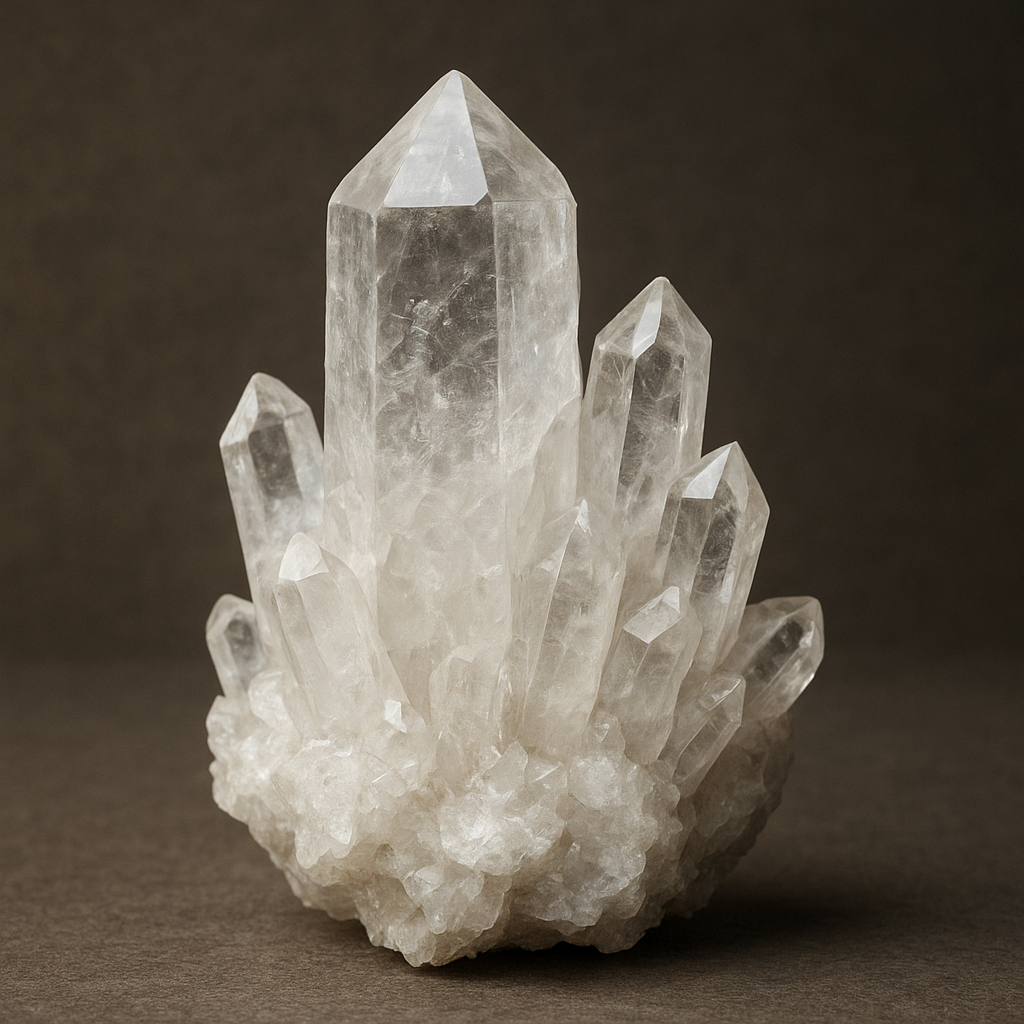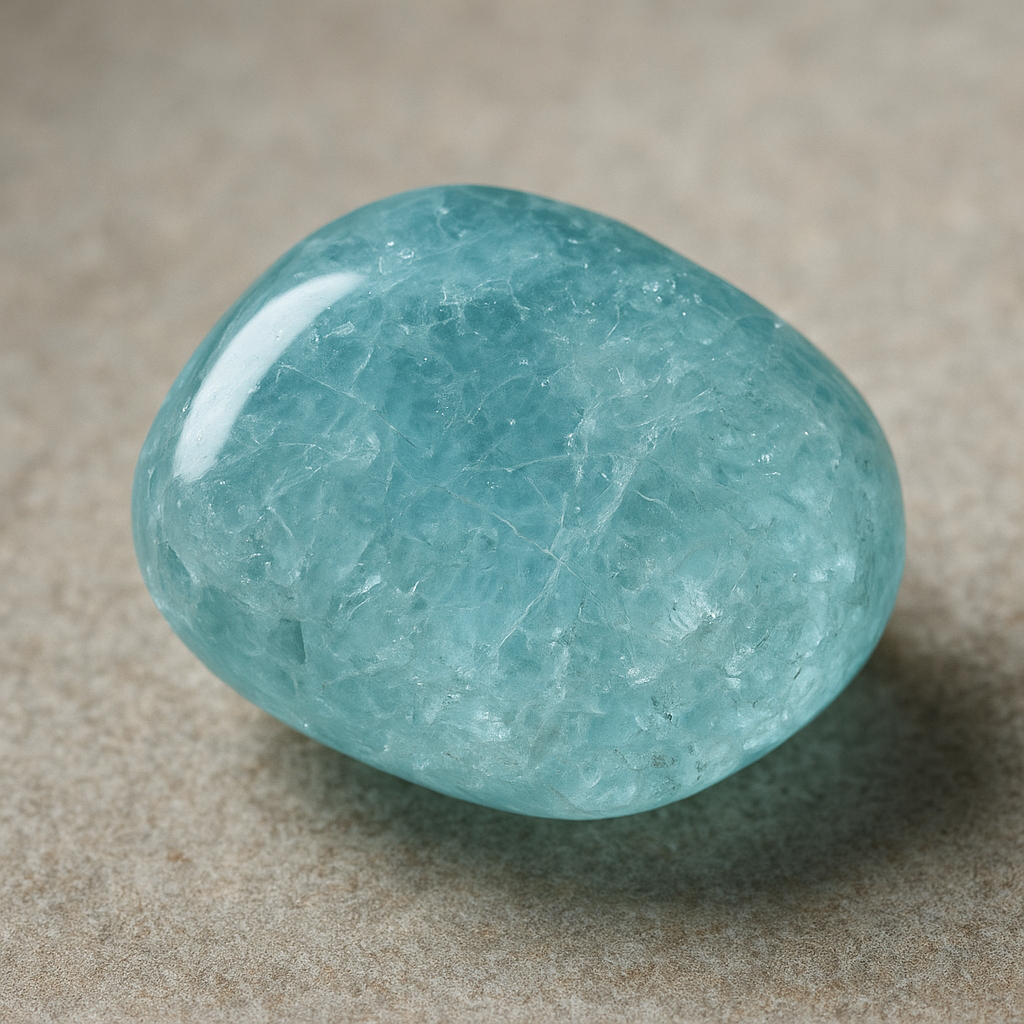
Aquamarine is a captivating blue-green variety of the mineral beryl prized for its serene hues, clarity and durability. Its name, derived from the Latin for seawater, evokes images of clear coastal waters and has inspired jewelers, collectors and cultures for centuries. This article explores where aquamarine occurs, how it is used, its gemological characteristics, methods of treatment and cutting, market factors, and some fascinating cultural and scientific aspects connected to this gemstone.
Geology and Global Occurrence
Aquamarine forms in pegmatites and certain hydrothermal veins where conditions allow the growth of large beryl crystals. Chemically, it is a beryl (Be3Al2(Si6O18)) whose blue to blue-green color arises from trace amounts of iron ions (Fe2+ and Fe3+) substituting into its crystal structure. The intensity of the hue depends on the concentration and valence state of iron as well as exposure to natural radiation in some cases.
Typical geological settings
- Pegmatites: coarse-grained igneous rocks that often contain sizeable gem-quality crystals, including aquamarine.
- Hydrothermal veins: mineral-rich fluids circulating through fractures can precipitate beryl in cavities and vugs.
- Metamorphic environments: contact zones can sometimes produce beryl species under the right conditions.
Major producing countries and notable localities
While aquamarine can be found in diverse regions worldwide, a few locations have produced the most important gem material:
- Brazil — Particularly the state of Minas Gerais; known for very large, high-clarity crystals in a wide range of blue tones.
- Pakistan — Gilgit-Baltistan, especially in the Shigar and Skardu districts, produces deeply colored stones often prized by connoisseurs.
- Madagascar — A source of both light and medium-blue aquamarines in recent decades.
- Mozambique, Nigeria and Zambia — Increasingly important African sources with varied quality stones.
- Russia (Ural Mountains), Afghanistan, and the United States (notably Colorado) — Historical and occasional sources of collectible material.
Alluvial deposits downstream from pegmatites also yield gem-quality aquamarine crystals that have been transported and rounded, sometimes making recovery easier for small-scale miners.
Physical and Optical Properties
The gemological profile of aquamarine explains why it remains a mainstay of fine jewelry. It combines attractive color with notable resilience to everyday wear.
- Crystal system: hexagonal
- Chemical formula: Be3Al2(Si6O18)
- Mohs hardness: about 7.5–8 — hard enough for most jewelry settings.
- Specific gravity: approximately 2.68–2.85
- Refractive index: around 1.57–1.58
- Pleochroism: weak to moderate; some specimens show different intensities of blue and green when viewed from different directions.
Clarity is often excellent in aquamarine compared with other colored gemstones; many crystals are nearly free of inclusions and can be cut into large, clean gemstones. The combination of attractive color and high transparency makes aquamarine particularly desirable for sizable faceted stones.
Gem Cutting, Treatments and Enhancements
Cutting considerations
Faceters tailor cuts to maximize color and minimize the visual impact of any inclusions. Common cuts include emerald (step) cuts, which suit the stone’s clarity and emphasize its pure tones, and oval or brilliant cuts to enhance sparkle. Large aquamarines are often cut en cabochon if they contain dramatic inclusions or for use in statement pieces.
Treatments to improve color
One of the most widespread procedures is controlled heat treatment. Heating at moderate temperatures (often below 400–450°C, but conditions vary) can reduce yellow or green components produced by Fe3+, yielding a purer, more desirable blue. This treatment is stable and widely accepted by the gem trade. Irradiation is less common for aquamarine than for some other gems.
Synthetic and imitation materials
- Laboratory-grown beryl: While technically possible, synthetic aquamarine is not common in the marketplace compared with synthetic corundum or spinel.
- Imitations: Glass, blue topaz, and various synthetics or assembled stones can be used to imitate aquamarine. Reputable gemological testing can distinguish natural aquamarine from look-alikes by analyzing refractive index, specific gravity, inclusions and internal growth features.
Uses in Jewelry and Design
Jewelry designers prize aquamarine for its cool palette and excellent workability. The stone is versatile and appears in many styles:
- Solitaire rings — often faceted in emerald or oval cuts to showcase clarity and color.
- Pendants and drop earrings — making use of large crystals to create dramatic focal pieces.
- Bead strands and cabochon necklaces — especially for paler stones where translucency is appealing.
- Mixed-metal settings — aquamarine pairs well with white gold and platinum to accentuate its blue tones, but yellow gold can warm and contrast the hue gracefully.
Designers also exploit the stone’s relatively good hardness to create everyday-wear pieces. However, because of its cleavage and potential for chipping if struck at certain angles, protective settings (bezels, halo designs) are frequently used for rings.
Market, Valuation and Grading
Aquamarine value is driven by several interrelated factors:
- Color: Deeper, pure blue tones command higher prices than pale or greenish material. Stones with vivid, evenly distributed blue are most sought after.
- Clarity and size: Large, eye-clean stones are rare and can fetch premium prices.
- Cut quality: A well-proportioned cut that maximizes color and brilliance increases value.
- Origin: Material from certain localities, like select pockets in Pakistan or premium parcels from Brazil, can be more desirable to collectors.
Unlike diamonds, there is no single universal grading scale for aquamarine color; however, many dealers and labs describe stones using modifiers like light, medium, deep, and vivid. The market has also seen increasing demand for saturated tones as gem cutters and treaters refine their capacity to produce stable blue results.
Care, Durability and Handling
To preserve luster and color, follow standard gem-care practices:
- Avoid prolonged exposure to strong sunlight or UV sources if a stone displays any sensitivity to light; most aquamarines are stable, but unusual materials may fade.
- Clean with warm soapy water and a soft brush; avoid harsh chemicals or steam if the stone has been treated or contains fractures.
- Store separately from harder gems to prevent scratches; although aquamarine is relatively hard, it can be abraded by sapphires or diamonds.
- Inspect settings periodically — prongs and bezels can loosen over time, risking loss of the stone.
Cultural Significance, History and Lore
Aquamarine has been associated with sailors and the sea since ancient times. It was believed to protect seafarers and ensure safe passage across treacherous waters. In medieval Europe, aquamarine was thought to rekindle love and sharpen intellect, while some Eastern traditions used it as an amulet for protection and inspiration.
In more modern spiritual and metaphysical circles, the stone is often linked to mental clarity, calmness, and open communication. While these beliefs are not scientific, they contribute to aquamarine’s popularity as a gemstone used in personal talismans and meditation practices.
Collecting, Large Specimens and Museums
Collectors prize exceptional aquamarine for size, color intensity and crystal perfection. The mineral can form breathtaking single crystals weighing tens or even hundreds of kilograms in localities with ideal pegmatitic growth conditions; such specimens often find their way into museums or private collections.
- Well-documented museum pieces serve as reference material for gemological study and public appreciation.
- High-quality faceted aquamarines—especially flawless stones over 50 carats—are highlights at auctions and specialist gem shows.
Scientific Studies and Interesting Phenomena
Researchers study aquamarine for insights into pegmatite formation, trace element geochemistry and the role of fluid dynamics in creating gem pockets. Analytical techniques such as LA-ICP-MS (laser ablation inductively coupled plasma mass spectrometry) reveal trace element signatures that can sometimes be correlated with geographic origin.
Some aquamarines exhibit pleochroism—different colors when viewed from different directions—though it is generally weaker than in emerald. In other specimens, interesting inclusions like three-phase fluid inclusions, growth zoning, and mineral inclusions (e.g., mica, feldspar) provide clues to the conditions during crystal growth and are of interest to both scientists and collectors.
Ethical Sourcing and Sustainability
Like many gemstones, aquamarine mining ranges from artisanal to large-scale industrial operations. Ethical sourcing has become a growing concern among buyers and jewelers, prompting demand for transparency about mine practices, labor conditions and environmental impact.
- Responsible miners and suppliers increasingly emphasize traceability, fair labor practices and minimal environmental disturbance.
- Certification and independent audits are becoming more common in higher-value markets to assure consumers that gems are responsibly sourced.
Practical Tips for Buyers and Enthusiasts
- Ask for documentation on treatments (e.g., heat treatment) and origin if provenance affects value for you.
- Examine stones under good lighting to assess true color and clarity; take note of zoning or color concentration near the pavilion.
- Consider the intended use: for rings, choose well-protected settings; for pendants or earrings, prioritize larger, more dramatic cuts.
- Seek reputable dealers and, for significant purchases, independent gemological reports from recognized labs.
Creative and Contemporary Applications
Beyond traditional jewelry, aquamarine appears in contemporary design and craftwork. Designers use large, minimally enhanced slabs and slices for decorative objects, while lapidaries explore innovative cuts and settings that highlight optical effects. Some artists combine aquamarine with other stones and metals for mixed-media creations that play on its nautical associations.
The gemstone’s naturally calming palette makes it a popular choice for bridal jewelry and anniversary gifts, often associated with the 19th and 16th wedding anniversaries in some traditions. Its combination of beauty, relative durability and availability in sizable clean crystals contributes to its continued appeal in both classic and modern aesthetics.