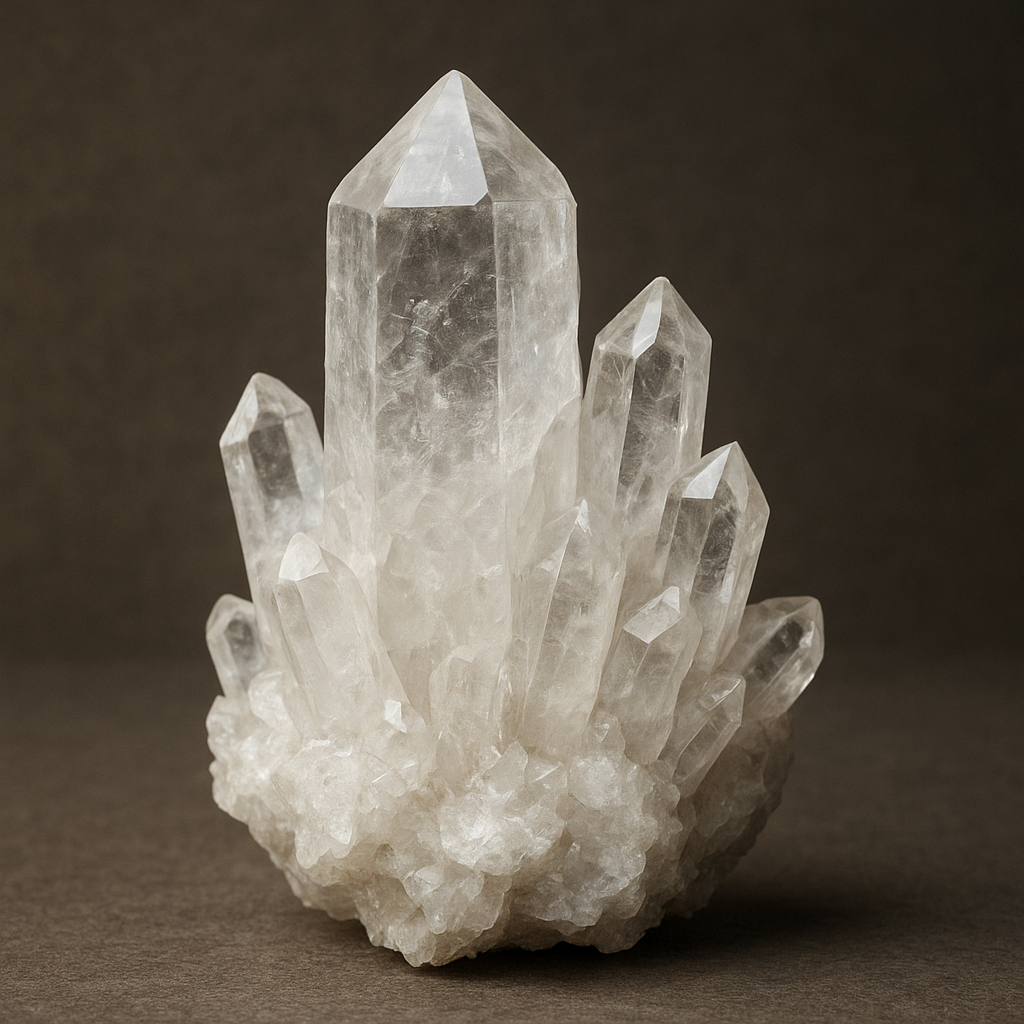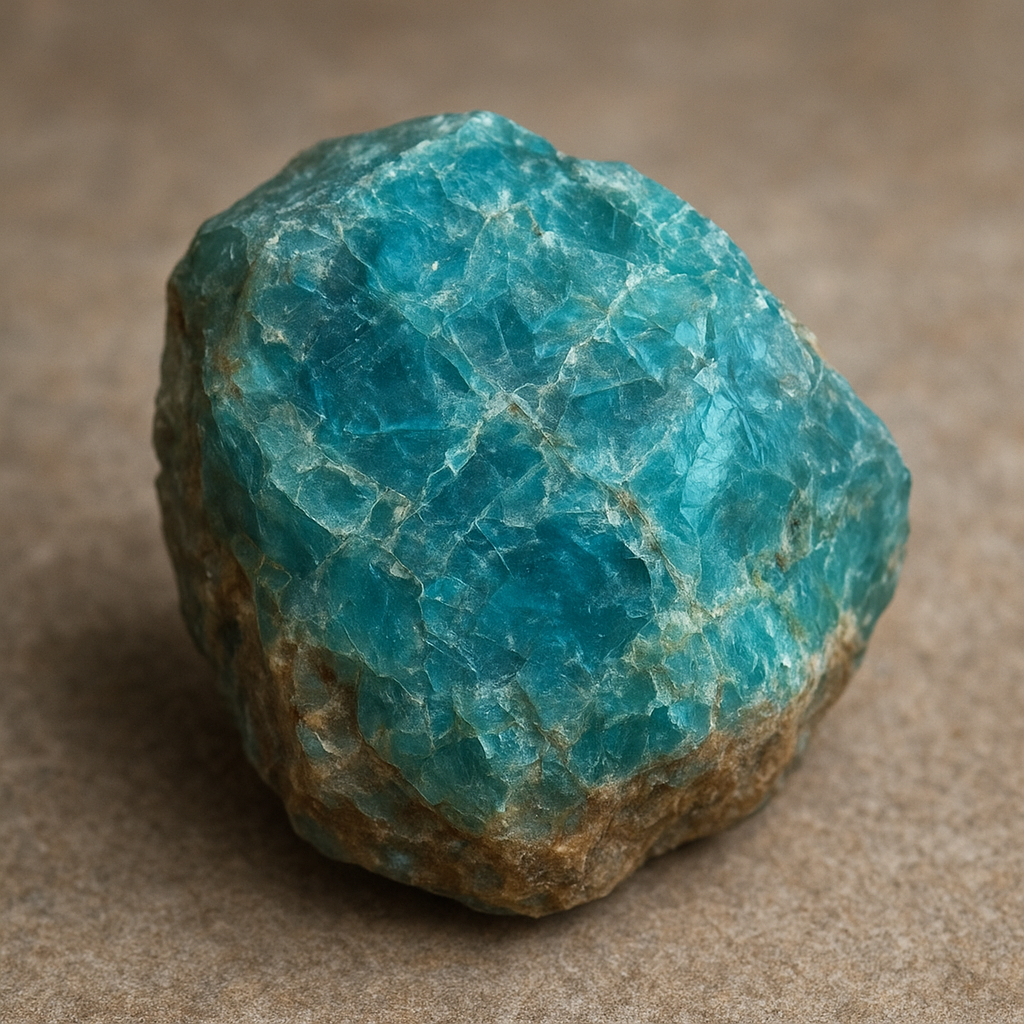
Apatite is a diverse and scientifically significant group of phosphate minerals that play a central role in geology, biology, and industry. Its chemical variability, crystalline forms, and widespread occurrence make it an important subject for mineralogists, environmental scientists, agronomists, and collectors. This article explores the mineral’s structure, natural settings, technological and biological applications, and a selection of intriguing facts that illuminate why apatite is more than just a common rock-forming component.
Mineralogy, chemistry and crystal structure
Apatite refers to a family of phosphate minerals that share a common general formula, typically written as Ca5(PO4)3(F,Cl,OH). Variations in the anionic group result in different end-members such as fluorapatite (F), chlorapatite (Cl) and hydroxylapatite (OH). The structure is based on a hexagonal crystal system with channels that can accommodate a variety of substitutions, allowing for significant compositional flexibility. This makes apatite a chemically complex and informative mineral.
From a crystallographic perspective, the apatite group displays several important features. The basic structural unit is a framework of phosphate tetrahedra and calcium polyhedra. The channels running along the c-axis host the halogen or hydroxyl ions, and these sites are often the first to be substituted by other elements such as carbonate, fluoride, sodium, magnesium, lead, rare earth elements, and even uranium and thorium in trace amounts. Because of its ability to incorporate trace elements, apatite is a valuable archive of geochemical information.
Common varieties and colors
- Fluorapatite: typically bluish to green and the most common industrial source of phosphate.
- Hydroxylapatite: the principal component of vertebrate bone and tooth enamel in a biological context.
- Apatites with high carbonate substitution: often yellowish, brown, or green and common in sedimentary phosphorites.
- Gem-quality apatite: can be transparent and vivid in color—blue, green, violet—and occasionally faceted as collector gems.
The variability in color results from trace element substitutions and radiation damage. For example, manganese and rare earth elements can produce vivid hues, while natural irradiation can create fluorescence or cause pleochroism in transparent specimens.
Occurrence and geological settings
Apatite forms in a wide range of geological environments, which contributes to its abundance and significance. It is rarely the dominant mineral in most rocks, but it is a ubiquitous accessory mineral found in igneous, metamorphic, and sedimentary contexts.
Igneous and metamorphic rocks
- In igneous rocks, apatite commonly crystallizes early from melts and is present in plutonic rocks (granites, syenites) and in volcanic rocks, where it can occur as phenocrysts or as small accessory grains.
- Metamorphic rocks often retain apatite as a stable accessory mineral; high-grade metamorphism can recrystallize apatite and redistribute trace elements.
Apatite’s robustness and resistance to chemical weathering allow it to persist through geologic processes, making it a key mineral for interpreting rock histories.
Sedimentary deposits and phosphorites
Large resources of apatite occur in sedimentary phosphorite deposits, which are the primary sources of mined phosphate rock used for fertilizer production. These deposits form in marine environments where organic matter and upwelling nutrients concentrate phosphate, leading to precipitation and diagenetic concentration of phosphate minerals.
- Major global phosphorite basins are found in Morocco, the United States (Florida, North Carolina), China, Russia, and parts of North Africa and the Middle East.
- Economic phosphorites contain high proportions of biogenic apatite derived from the accumulation of bones, teeth, and microscopic skeletal remains, as well as authigenic apatite formed during diagenesis.
Hydrothermal and pegmatitic environments
Hydrothermal veins and pegmatites can host large, well-formed apatite crystals and associated rare-element enrichments. In some igneous pegmatites, apatite crystals reach sizes prized by collectors, sometimes with beautiful color zoning and inclusions.
Uses and industrial applications
Apatite’s most important role globally is as the principal source of industrial phosphate, a critical component of modern agriculture and numerous chemical industries. The conversion of phosphate rock into fertilizers underpins global food production.
Fertilizers and agriculture
- Phosphate rock is processed to produce phosphoric acid and phosphate fertilizers (such as diammonium phosphate and monoammonium phosphate).
- Fertilizer-grade apatite is evaluated for its phosphate content (P2O5), impurity levels, and ease of beneficiation.
Because phosphate is a non-substitutable nutrient for plants, its availability governs crop yields. Concerns about future phosphorus supply and „peak phosphorus” scenarios have driven research into recycling and more efficient fertilizer application.
Chemical and metallurgical uses
Beyond fertilizers, apatite-derived phosphates are raw materials for a variety of chemical processes. They are used in the production of detergents, food additives, and industrial chemicals. Phosphate compounds are also critical in metal surface treatment, corrosion inhibition, and as fluxes in certain metallurgical operations.
Biomedical and material science applications
Hydroxylapatite has exceptional importance in medicine and biomaterials. Because of its compositional similarity to natural bone mineral, synthetic hydroxylapatite and related calcium phosphate ceramics are used in:
- Bone grafts and implants (coatings on orthopedic and dental implants to enhance osseointegration).
- Tooth repair materials and dental cements.
- Drug delivery matrices and tissue engineering scaffolds.
Research into apatite-based nanomaterials explores controlled ion substitutions to impart antimicrobial properties, enhanced bioactivity, or trace-element release for therapeutic benefit.
Biological significance and environmental interactions
The biological role of apatite is best exemplified by its status as the major mineral phase in vertebrate hard tissues. Natural bone mineral is a carbonated, ion-substituted form of hydroxylapatite, intimately associated with organic collagen matrices.
Bone, teeth and biomineralization
During biomineralization, organisms tightly regulate apatite nucleation and growth to create enamel, dentin, and bone. Variations in crystal size, orientation, and chemistry yield the mechanical properties necessary for each tissue. The presence of carbonate, magnesium, and other substitutions alters solubility and biological behavior.
Environmental cycling of phosphorus
Apatite plays a major role in the geochemical cycling of phosphorus. Weathering of apatite in soils releases phosphate that becomes biologically available. Conversely, apatite precipitation in sediments can lock phosphorus away, regulating nutrient fluxes in aquatic systems. Anthropogenic inputs from fertilizers influence this natural balance, leading to eutrophication in some water bodies if excess phosphorus mobilizes.
Trace elements and geochemical tracing
Because apatite incorporates a wide range of trace elements, including rare earth elements and actinides, it is used as a geochemical recorder. Geochemists analyze apatite compositions to reconstruct magmatic histories, fluid interactions, and even paleoenvironments. U-Th-Pb dating of apatite provides important chronologic constraints in tectonic and metamorphic studies.
Gemology, collecting and aesthetic appeal
Apatite can be a visually striking gemstone when transparent and richly colored. Gem-quality apatite is relatively soft compared to more durable gemstones and therefore more suited to pendants and earrings rather than rings that endure abrasion.
- Blue apatite is prized for its vivid color and clarity; Brazilian and Madagascar specimens are well-known sources.
- Green and violet apatites can command high prices among collectors, particularly when cut into faceted gems.
- Large crystals from pegmatites and metamorphic skarns are sought after by mineral collectors for their form and color zoning.
Collectors also value fluorescence in apatite under ultraviolet light and unusual crystal habits such as prismatic forms, sceptered growth, and inclusions of other minerals that create attractive aesthetics.
Mining, processing and environmental concerns
The extraction and processing of apatite-bearing rocks for phosphate fertilizers raise environmental and geopolitical considerations. Phosphate mining disrupts landscapes and can generate waste (phosphogypsum) that contains impurities, including trace radioactive elements in some deposits.
Phosphogypsum and waste management
Phosphogypsum is a byproduct of wet-process phosphoric acid production and may contain elevated levels of radium and other contaminants depending on the ore. Regulations and best practices govern its storage and potential reuse, but safe long-term management remains a challenge in regions with large fertilizer industries.
Resource distribution and strategic importance
Phosphate rock reserves are geographically concentrated, making phosphate a strategic resource in global agriculture. Countries with large reserves play an outsized role in fertilizer markets, and concerns about long-term supply have prompted investment in recycling technologies, recovery of phosphorus from wastewater, and more efficient agronomic practices.
Interesting scientific and historical notes
Apatite intersects with many surprising stories and scientific insights:
- It has been used as a source of phosphorus since the 19th century, and the development of the fertilizer industry dramatically increased agricultural productivity worldwide.
- Apatite crystals can contain inclusions and growth zoning that record magmatic pulses, fluid compositions, and even temperature variations—making them tiny natural data loggers.
- Fossil bones often retain their apatite mineralogy; isotopic analysis of fossil apatite helps paleontologists reconstruct ancient climates and diets.
- Because apatite can host uranium and thorium in trace amounts, it sometimes exhibits natural radioactivity; this has been used in geochronology and also requires monitoring in industrial wastes.
- In planetary science, apatite has been identified in lunar samples and meteorites. The presence and composition of apatite in extraterrestrial materials offer clues about volatile histories and water content on other bodies.
Analytical techniques and research directions
Modern techniques such as electron microprobe analysis, laser ablation ICP-MS, secondary ion mass spectrometry (SIMS), and X-ray diffraction allow detailed characterization of apatite composition and structure. Current research trends include:
- Engineering apatite-based biomaterials with tailored porosity and ion release properties for regenerative medicine.
- Developing sustainable phosphorus management techniques, including recovery from wastewater and recycling from agricultural residues.
- Using apatite trace-element patterns to unravel magmatic and metamorphic processes and to identify ore-forming systems.
- Investigating the role of apatite in carbon sequestration and potential interactions with carbonate chemistry in sediments.
Because of its widespread distribution, compositional variability, and multifaceted applications, apatite remains a mineral of ongoing scientific and practical importance. Whether studied for its role in sustaining agriculture, its place in the skeletons of living organisms, or its capacity to record the Earth’s geochemical history, apatite continues to be central to many fields of inquiry.