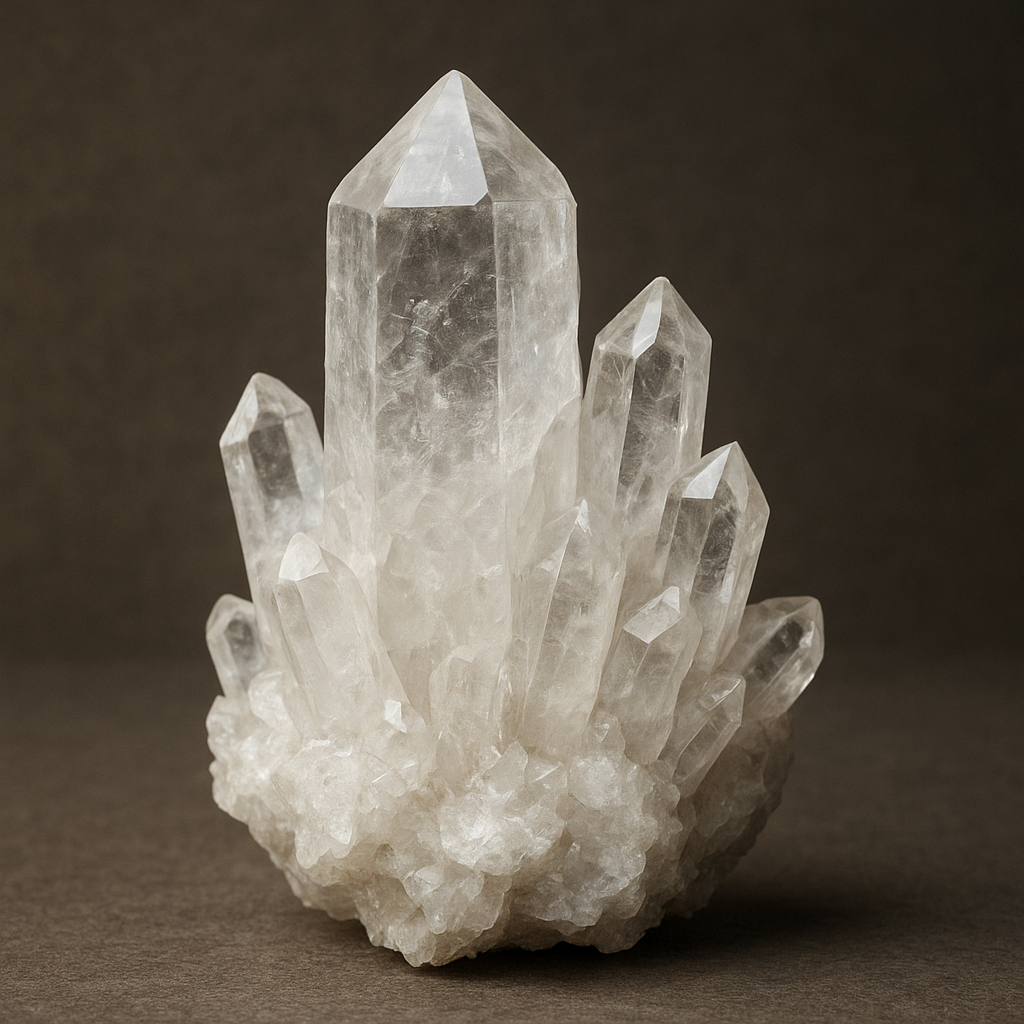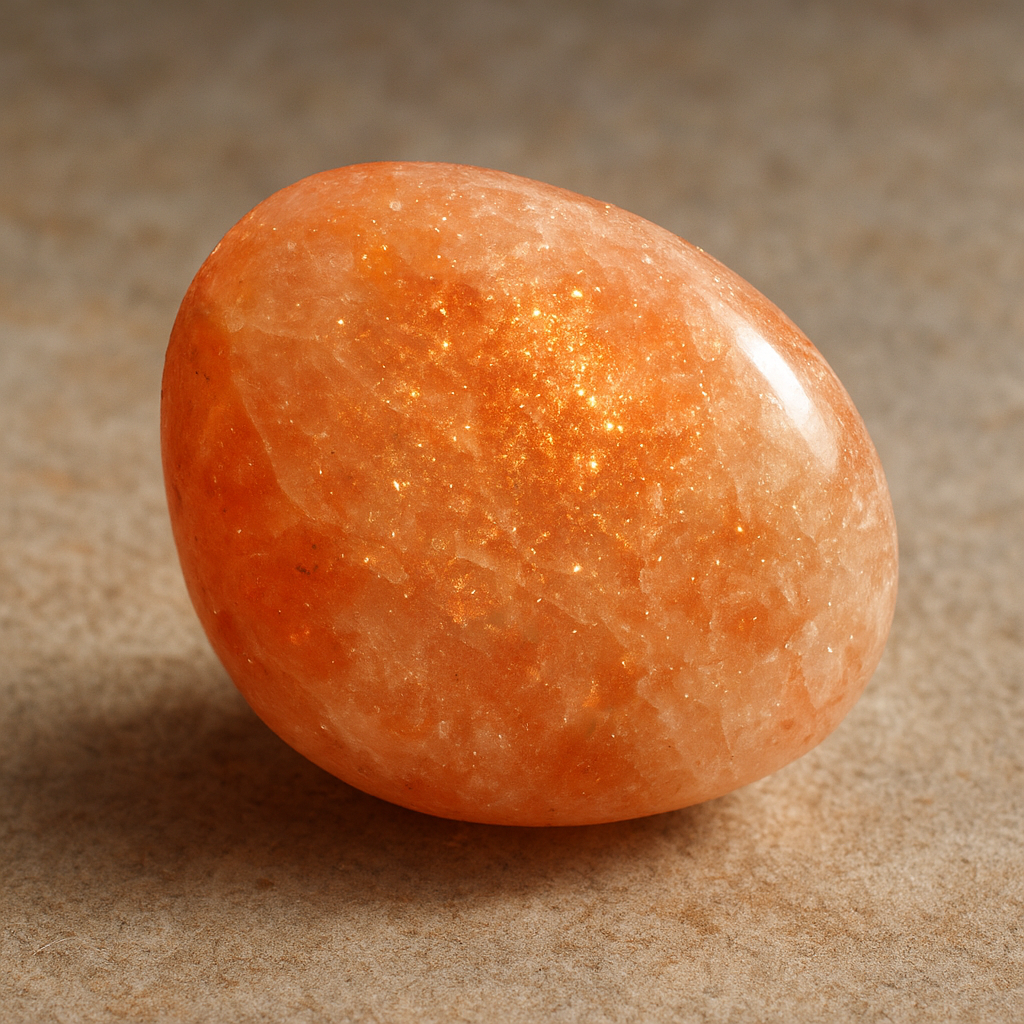
Sunstone is a captivating gemstone that combines geological intrigue with visual drama. Often admired for its warm, metallic flashes and sunlit hues, this mineral has inspired collectors, jewelers, and storytellers for centuries. In the text that follows you will find a wide-ranging exploration of where sunstone forms, how it is identified and cut, its uses in jewelry and industry, and the cultural and scientific stories that surround it. Expect technical details, practical guidance, and a few lesser-known curiosities that highlight why this stone continues to fascinate.
Geology, Mineralogy, and Optical Phenomena
At its core, sunstone is a variety of feldspar — most commonly oligoclase or orthoclase — whose characteristic shimmer arises from tiny, plate-like inclusions within the host crystal. This optical effect is called aventurescence, and it produces a glittering, metallic luster that appears to float inside the gem. The inclusions responsible are typically composed of hematite, goethite, or in rare and celebrated cases, native copper.
Aventurescence differs from true iridescence or play-of-color: the glittering flashes are caused by light reflecting off aligned, flat inclusions rather than by diffraction through microscopic structures. In sunstone, those inclusions often align along cleavage planes and can give dramatic, directional flashes when the stone is rotated under light. A related optical term you may encounter is schiller, which describes a metallic sheen seen in several gem species and overlaps conceptually with aventurescence.
Key physical properties of typical sunstone (feldspar) include a Mohs hardness of about 6–6.5, a specific gravity roughly between 2.6 and 2.7, and refractive indices generally in the range of 1.52–1.55 depending on the exact feldspar composition. The stone has basal twinning and two directions of perfect cleavage, factors that influence how it is cut and set.
Where Sunstone Occurs: Notable Localities
Sunstone can form in a variety of igneous and metamorphic environments where feldspars crystallize and inclusions become trapped. While small sunstone fragments turn up worldwide, several localities are especially well known for producing gem-quality material.
- Oregon (United States) — Perhaps the most famous modern source, Oregon produces sunstones with striking red, orange, and sometimes green tones. Unique to some Oregon material are visible slivers or tiny crystals of native copper, which create vivid flashes and even rare, crystalline inclusions that can be extracted as specimens.
- Norway — Historic occurrences of reddish, glittery feldspar have been reported in several Norwegian localities and contributed to the European awareness of the material.
- India and Madagascar — Both produce commercial quantities of feldspar with aventurescent qualities, often used for cabochons and mass-market jewelry.
- Russia and Pakistan — Known for producing sunstones and related feldspars, sometimes with unusual coloration or strong aventurescence.
- Canada, Mexico, and Tanzania — These regions contribute to the global supply with varied qualities and tones, appealing both to collectors and to the gem trade.
Each locality has its signature traits. Oregon stones are prized for their clean, gemmy appearance and occasionally metallic copper flakes; Indian material is frequently affordable and bright; historic European finds are often hematite-rich and strongly red or golden.
Gemological Identification and Treatments
Identifying sunstone requires attention to both its host mineral and the nature of its inclusions. Under magnification, aventurescent inclusions appear as flat, reflective platelets, needles, or flakes. Polarized light microscopy can help distinguish feldspar varieties and reveal characteristic twinning and cleavage. A spectroscope may show broad absorption bands typical of iron-bearing inclusions; copper-bearing examples can have distinct spectral signatures as well.
Common measures used by gemologists to assess sunstone include:
- Observation of aventurescence intensity and color under various lighting conditions.
- Refractive index and birefringence tests to confirm feldspar family.
- Specific gravity measurement for consistency with feldspar values.
- Microscopic examination to determine inclusion type (hematite, goethite, or copper).
Treatments are generally minimal. Unlike many gemstones that undergo heat or irradiation, quality sunstone is often left untreated because heat can diminish or alter the aventurescence. In the trade, some low-quality pieces may be dyed or backed (doublets) to enhance color, but untreated cabochons that display strong aventurescence command the highest prices. Synthetic imitations exist but are uncommon; careful gemological testing will reveal synthetic glass and resin imitations by their different optical and inclusion characteristics.
Lapidary Practices: Cutting, Setting, and Showcasing Aventurescence
Sunstone is most commonly fashioned as cabochons. The rounded, domed shape allows light to strike the aligned inclusions at multiple angles, maximizing the glittering effect. Faceting is possible but less common; when faceted, cutters must work with the stone’s cleavage directions and align facet planes to complement the aventurescence rather than cutting through it.
Practical lapidary tips:
- Orient the rough so that the dome of a cabochon is parallel to the plane of inclusions for the strongest flash.
- Avoid thin cuts that expose cleavage planes; thicker cabochons protect against breakage and present deeper visual effects.
- Use protective settings (bezels) rather than prongs when possible to shield the stone from knocks that might exploit its cleavage.
- Polish with careful grading; overaggressive polishing can dull the metallic reflections.
Because aventurescence is directional, the same rough can yield multiple cabochons with different visual effects depending on how it is sliced. This gives cutters creative room but also requires a steady hand and experience.
Uses in Jewelry, Industry, and Decorative Arts
The most visible use of sunstone is in jewelry. Its warm tones — from pale yellow through deep orange and red, and occasionally green or blue in rare copper-rich pieces — make it attractive for rings, pendants, earrings, and bracelets. Designers appreciate its natural, metallic sparkle that suggests sunlight trapped within the gem.
Beyond conventional jewelry, sunstone appears in:
- Cabochon-centric artisan and vintage jewelry markets where the stone’s natural look is valued.
- Collectors’ displays and museum specimens, especially those featuring visible native copper or striking schiller.
- Decorative inlays and small sculptures crafted by lapidaries who take advantage of aventurescence to create dynamic surfaces.
Industrial use is limited because feldspar is more commonly exploited in ceramics, glassmaking, and as a flux in industrial processes; the gem-quality material used in jewelry is a small, high-value subset.
Cultural Significance, Folklore, and the Viking Sunstone Legend
Sunstone has captured imaginations beyond its physical beauty. In different cultures it has been associated with vitality, guidance, and warmth. An especially intriguing story concerns the Norse “sunstone” mentioned in medieval sagas. Sagas describe a crystal used to locate the sun on cloudy days, aiding Viking navigators. For a long time the identity of that medieval sunstone was debated: candidates have included calcite (Iceland spar), cordierite (iolite), and certain feldspar varieties.
Modern experimental work suggests that strongly birefringent crystals like Iceland spar could indeed make rough polarization-based sundials, allowing mariners to estimate the sun’s position using skylight polarization patterns. Thus the Viking sunstone legend blends folklore with feasible optical science. Whether the sagas described our modern gemstone market “sunstone” is unclear, but the shared name evokes that sense of navigation and sunlight.
In metaphysical and healing communities, sunstone is often credited with positivity, confidence, and energy balance. Claims are anecdotal and metaphysical uses should not be conflated with medical advice; nevertheless, such beliefs fuel steady demand in alternative markets.
Care, Durability, and Practical Considerations for Owners
To keep sunstone looking its best:
- Clean with warm, soapy water and a soft brush; rinse thoroughly and dry gently.
- Avoid harsh chemicals and prolonged exposure to acids, which can harm some inclusions and the host feldspar.
- Ultrasonic cleaning is usually safe for solid stones without fractures, but not recommended if the gem has visible cleavage, fractures, or loose inclusions.
- Store sunstone separately to prevent abrasion from harder gems like diamonds and sapphires.
Because of cleavage and a modest hardness, sunstone is best suited to earrings, pendants, and rings that receive moderate wear. Protective settings increase longevity and reduce the risk of chipping.
Market Trends, Collecting, and Value Drivers
The value of sunstone depends on several factors: intensity and uniformity of color, the strength and quality of aventurescence, transparency, size, and the presence of desirable inclusions like native copper. Transparent to semi-transparent stones with vivid, evenly distributed sparkles command higher prices. Opaque or heavily included material tends to be less expensive but may still be prized for dramatic, glittering effects.
Oregon sunstone, especially pieces with visible copper crystals or unusual color zoning, often sell at a premium in both retail and auction contexts. Mass-market material from India and Madagascar fills demand for affordable fashion jewelry. The collector market prizes rare specimens, unusual crystal habits, and historic pieces.
Sustainability and ethical sourcing are rising concerns. Some collectors prefer material that can be traced to specific mines with responsible labor and environmental practices. Small-scale artisanal mining remains common in several producing countries; transparency in the supply chain is a growing market differentiator.
Scientific and Curiosity Notes
Several tidbits underscore sunstone’s broader appeal:
- Specimens containing native copper have scientific importance because they capture the interplay between metallic elements and silicate hosts under specific geochemical conditions.
- Sunstone’s aventurescence provides a practical example of how microscopic inclusions can dramatically alter a mineral’s appearance, a useful teaching point in mineralogy courses.
- The linkage to Viking navigation invites interdisciplinary study, blending geology, history, optics, and anthropology.
Collectors and researchers sometimes collaborate: gemological labs analyze exceptional specimens, and museums catalog notable pieces that illustrate the diversity of aventurescent feldspars. This cross-pollination keeps sunstone relevant to both hobbyists and professionals.
Where to See and Acquire Quality Specimens
Good places to examine sunstone include gem and mineral shows, reputable jewelry stores specializing in colored gemstones, university geology departments with public displays, and mineral museums. When buying:
- Request documentation from a trusted dealer, especially for high-value stones.
- Consider independent gemological reports for unusual or expensive pieces that claim rare inclusions like native copper.
- Compare stones under the same lighting to evaluate aventurescence and color consistently.
If you are traveling to a producing region, small licensed mines and local lapidaries can be excellent sources of unique, hand-cut material — but exercise diligence regarding legal and ethical collecting practices.
Final Thought
Sunstone bridges the gap between geological process and tactile beauty. Whether admired for its glittering interior, studied for its mineral inclusions, or worn as a talisman of warmth and positivity, this stone continues to draw interest across disciplines. For gemologists, artisans, and curious minds alike, sunstone offers a sunny example of how inclusions can transform ordinary minerals into objects of enduring wonder.